


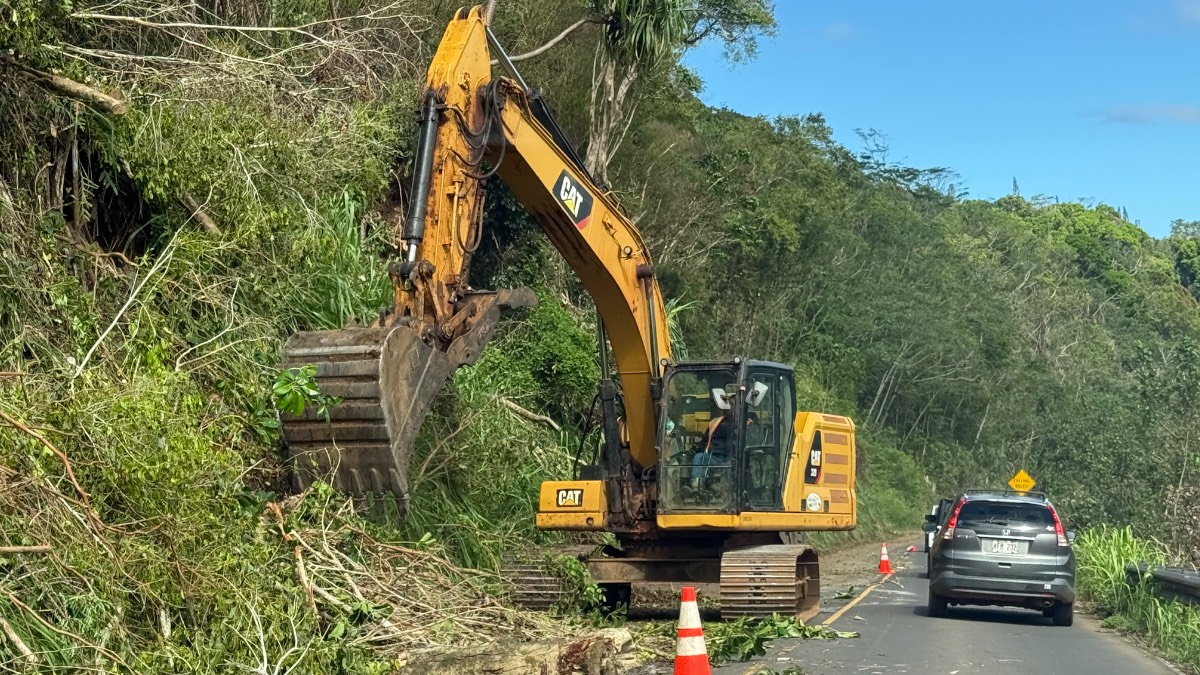
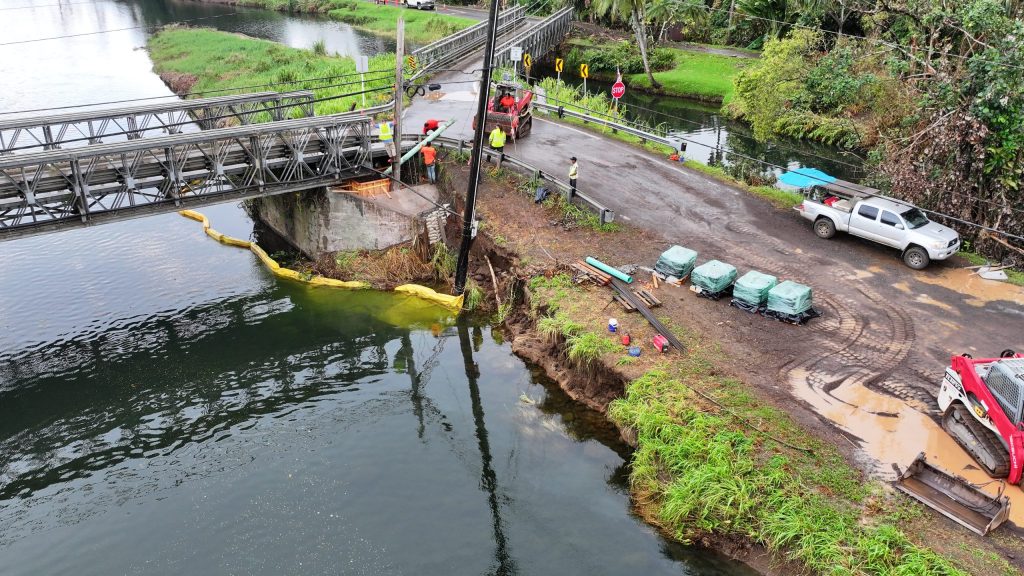
Kaua‘i County continues to clean up, repair and reconstruct after Hurricane Lowell ripped through the Garden Isle on Labor Day, Sept. 7.
Emergency food distributions
The County of Kauaʻi is partnering with Hawaiʻi Foodbank Kauaʻi to hold an emergency food distribution on Friday, Oct. 23. It will be at Hale Līhuʻe, 4286 Rice St. in Līhuʻe from 4 to 5 p.m. Enter from the Convention Hall, then exit onto Rice Street (right turn only).
To respect local traffic, please line up no earlier than 15 minutes before the start time.
Kekaha Neighborhood Center reservations
Beginning Oct. 20, the Department of Parks & Recreation is accepting online applications for new reservations at the Kekaha Neighborhood Center. For more information, click here.
Hurricane resource centers to close after Thursday, Oct. 22
This is the final week of operation for the County’s hurricane resource centers. The remaining days of service are:
- Kōloa Neighborhood Center, 3461B Weliweli Road, Kōloa: Wednesday, Oct. 21, 9 a.m. to 4 p.m.
- Hanalei Neighborhood Center, 5-5358 Kūhiō Highway, Hanalei: Tuesday, Oct. 20, and Thursday, Oct. 22, 9 a.m. to 4 p.m.
Residents who still need help with Hurricane Lowell recovery are encouraged to stop by before the centers close. After Oct. 22, residents with outstanding needs can call 211 or visit www.kauairecovers.org for resources and assistance.
Hurricane Lowell Business Recovery Grants
The Office of Economic Development is encouraging small businesses and nonprofit organizations impacted by Hurricane Lowell to apply for financial assistance through the Kauaʻi Hurricane Lowell Business Recovery Grant Program.
The $2 million program, funded by the State of Hawaiʻi Department of Business, Economic Development and Tourism and administered by the Chamber of Commerce Hawaii, offers one-time grants of $5,000 or $10,000 to eligible non-agricultural small businesses and nonprofits that experienced physical damage or economic losses directly caused by Hurricane Lowell.
Applications are open and will be reviewed and approved on a first-come, first-served basis until all available funding is exhausted. For eligibility requirements, grant details, application instructions and the online application portal, click here. Applications must be submitted online. Assistance is available in multiple languages.
For more information or questions, call 808-210-6839 or email lowell@cochawaii.org.
Free grant workshop
The State of Hawaiʻi Department of Business, Economic Development and Tourism will host a free workshop on Thursday, Oct. 29, at 9 a.m. at the Kauaʻi War Memorial Exhibition Center.
The workshop will cover the grant program and other available business resources. To register, click here.
Agricultural businesses and producers will be supported through a separate state recovery assistance program. Additional information will be provided as it becomes available.
Small Business Administration disaster loans for private nonprofits
U.S. Small Business Administration is offering low-interest disaster loans to eligible private nonprofit and faith-based organizations in Kauaʻi and Maui counties affected by Hurricane Lowell.
- Physical disaster loans: Repair or replace disaster-damaged property, equipment, inventory and other assets.
- Economic injury disaster loans: Working capital to help cover operating expenses caused by the disaster.
- Mitigation funding: Loans can be increased by up to 20% of verified losses to make building upgrades.
Loans are available up to $2 million, with interest rates as low as 3.625% and terms up to 30 years. There is no interest and no payments are required for the first 12 months.
Application deadlines are Dec. 7 for physical damage loans and July 7, 2027, for economic injury loans. Apply online.
For questions, Call the U.S. Small Business Administration at 866-SBA-HELP, or 866-722-4357, or email to disastercustomerservice@sba.gov.
Federal disaster declaration approved
A major presidential disaster declaration was approved for Hurricane Lowell, providing federal public assistance to Kauaʻi and Maui counties. This program helps government agencies and certain nonprofits recover the cost of storm cleanup and repairs to public roads, bridges, buildings and utilities. It does not provide money directly to individuals or households.
Visitor information on Kauaʻi Recovers
Visitors planning a trip to Kauaʻi or are now on-island can find visitor information resources online.
Refuse
Seven debris and refuse sites are open islandwide, with tipping fees waived for storm debris. Hours and accepted materials are available online.
North Shore refuse collection is now on Thursdays. Tuesday service is no longer available.
Commercial haulers can contact permitted composting facilities for drop-off: Heart & Soul at 808-823-1007, Green Earth Matters at 808-651-2058 and Kauaʻi Nursery and Landscape at 808-245-7747.
Utilities
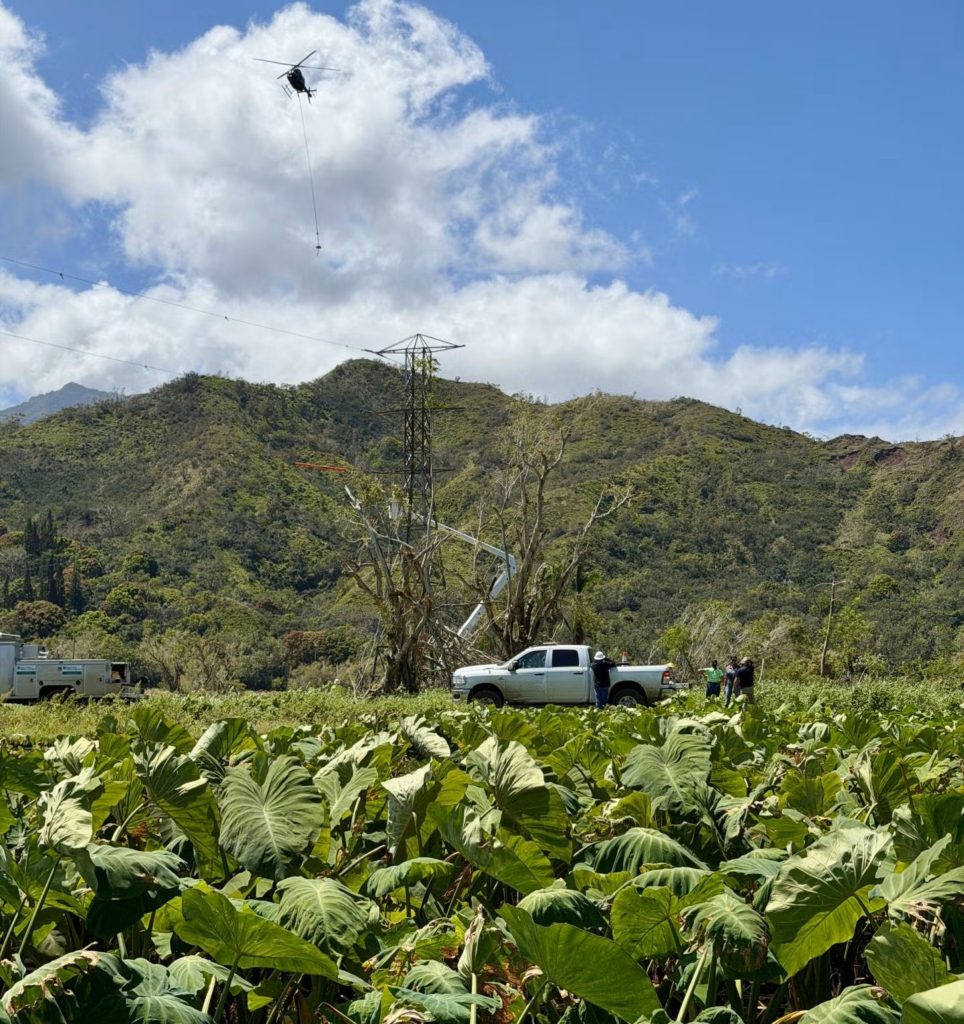
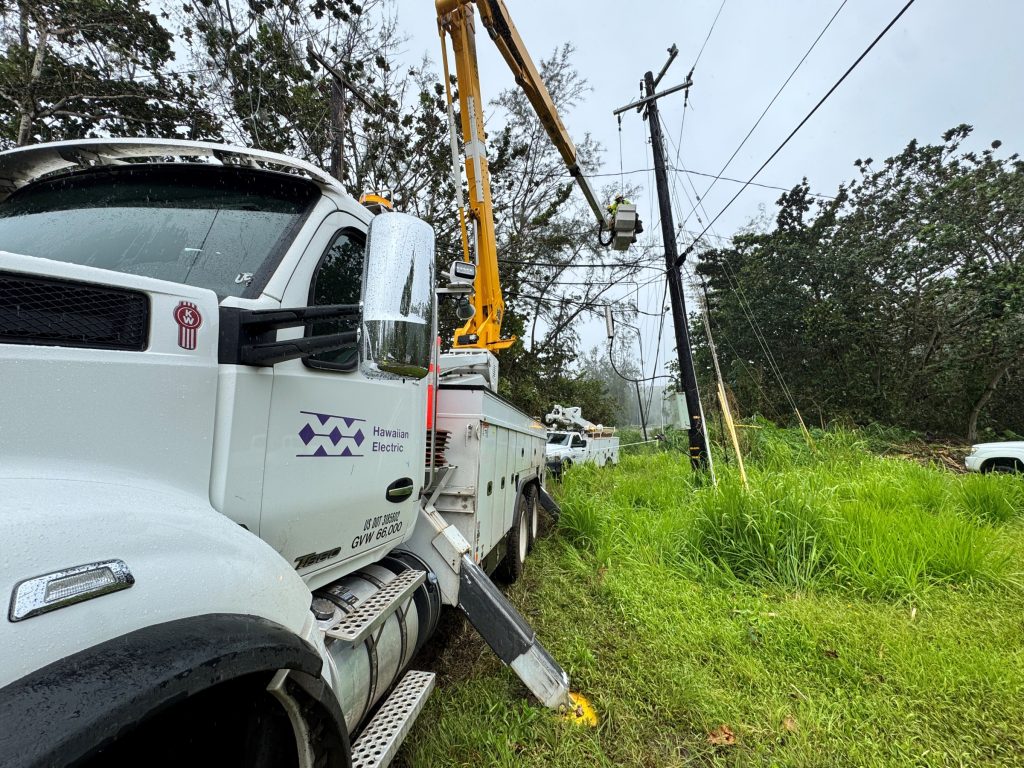
Kaua‘i Island Utility Cooperative restored power to the majority of the island. However, some members in Kōkeʻe and isolated individual outages are still in the process of restoration.
If all goes as planned, power to portions of Kōkeʻe may be restored by the end of this week. Restoration efforts in the area involve extensive work, and the timeline remains dependent on field conditions and the safe completion of repairs. Do not approach utility crews or enter designated work areas.
Members needing a payment plan or financial help can visit the cooperative website or call 808-246-4300. Collections for delinquent accounts are suspended at this time. Click here to view the most updated outage map.
The Department of Water continues its water conservation notice for customers in ʻAnini. Report outages or leaks at 808-245-5444.
County online services
All county services, with the exception of Division of Motor Vehicles services, were restored as of Oct. 12. The county’s online service portal is also back online and available for public use. Residents with questions about specific county services are encouraged to contact the appropriate county department directly for more information.
The county’s Information Technology Department continues restoration efforts following the Sept. 9 Kāpule Building fire.
Contacts for county offices
General phone lines for most county departments were restored. For the quickest response, callers are advised to speak to a live person rather than leave a voicemail. Click here for a list of working numbers.
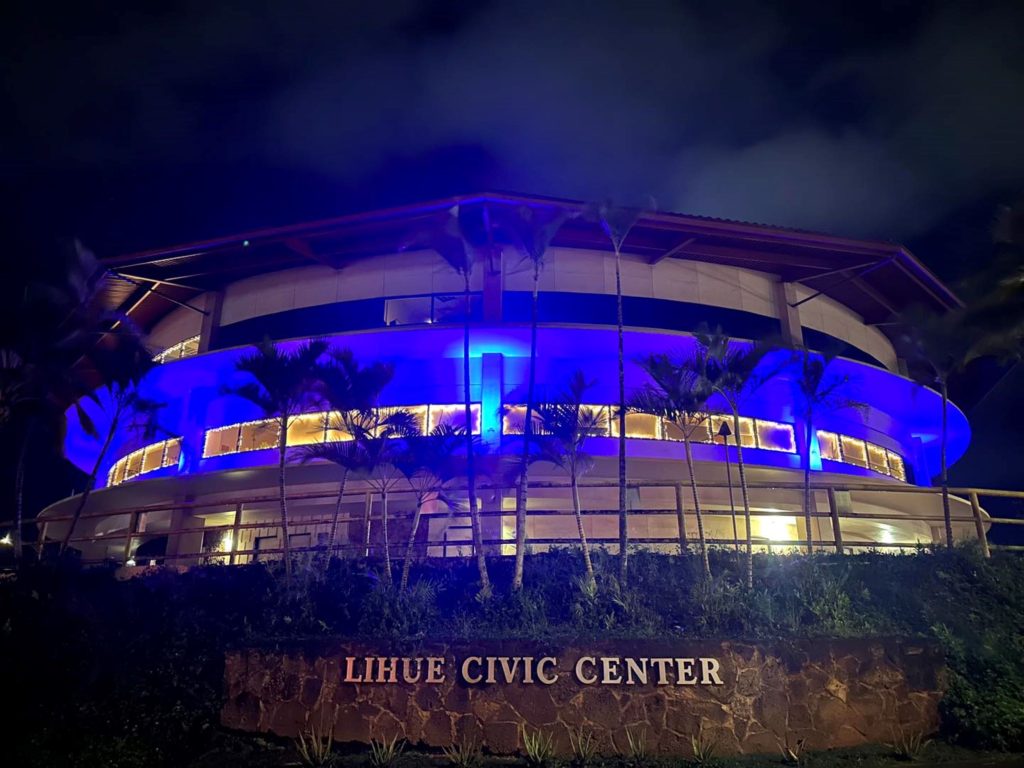
Līhuʻe Civic Center
- In-person services at the Līhuʻe Civic Center resumed Sept. 28. County systems continue to be restored following the Kāpule Building fire. Services might be limited or slower than usual. Additional details will be announced.
- Call the office you plan to visit before going in.
Building permits and storm repairs
- The Building Division is open and processing permit applications, including those submitted before Hurricane Lowell and new applications. Service may be slower than usual while County systems are restored.
- The Building Division counter is at 4444 Rice St., Suite 175, in Līhuʻe, open weekdays from 7:45 a.m. to 4 p.m. Planning staff are also available at the counter for zoning permit questions.
- Pending applications will continue to be reviewed in the order received. Storm repairs covered by the emergency order do not go through the permit process and will not delay pending applications.
- The online permit status lookup, Click2Gov, is not available. For a status update, call 808-241-4854 or email building@kauai.gov.
- Most homes and buildings: If your home or building was built with a county building permit and is not in a flood zone, you do not need a new permit to make necessary repairs for Hurricane Lowell damage. There is no fee and no county inspection is required, but work must still meet building codes. This includes building, electrical, plumbing, driveway, and sign repairs.
- Properties in a flood zone: Contact the Department of Public Works Engineering Division at 808-241-4883 or pwengineering@kauai.gov before starting work. Include an elevation certificate if you have one. Structures with repair costs equal to 50% or more of their value need a building permit and must be rebuilt to current flood standards. Stockpiling debris in a regulatory floodway is prohibited.
- Properties near the shoreline: Repairs require a special management area assessment determination before work begins. The same 50% standard applies. Contact the Planning Department at planningdepartment@kauai.gov.
- Property owners who would like an inspection of their storm repairs may contact the Building Division. Click here for answers to common permit questions.
Real Property Division
- Owners of storm-damaged property have until June 30, 2027; click here to file for disaster tax relief.
- For assessment questions, contact 808-652-7490 or rpassessment@kauai.gov. For billing and collections questions, contact 808-241-4272 or rpc@kauai.gov.
Division of Motor Vehicles
- Limited staffing is available at the temporary Real Property Division office across from the Kāpule Building in Līhuʻe and at the Kapaʻa satellite office and portable trailer at Kapaʻa Armory, located at 4750 Kāhau Road. The portable trailer moved from Līhuʻe to the Kapaʻa Armory on Oct. 12. Staff at these locations can answer questions and accept certain documents for processing once systems are restored.
- Notice of transfer: If you sold a vehicle, you can drop off your notice of transfer at the Kapaʻa office. Staff are entering Notices of Transfer into the system so records show the vehicle has been sold.
- At this time, expired driver’s licenses that cannot be renewed because of the DMV closure will not be penalized.
- Vehicle registration renewals are available online and at community kiosks in Hanapēpē, Līhuʻe, Kapaʻa and Princeville.
- Kauaʻi County residents can use the City and County of Honolulu’s online portal to request a replacement or duplicate copy of a valid Hawaiʻi driver’s license.
The Kauaʻi Bus
The Kauaʻi Bus resumed regular fare collection. The 900 and 950 Kauaʻi Bus express routes are not running.
Kauaʻi County facilities
- The Waimea Neighborhood Center main hall is closed due to damage. Side rooms are open.
- Kōloa and Hanalei neighborhood centers will reopen Monday, Oct. 26.
- Waimea pools remain closed. The Wailua Golf Course driving range is closed until further notice.
- County park closures: Salt Pond (park and pavilions), Kaumakani (pavilion without electricity), and Hanapēpē Stadium (football field, pavilion, restrooms, and tennis courts).
- There are temporarily no Kauaʻi Recycles drop bins at the Hanalei Refuse Transfer Station. Recyclables are being accepted at Anaina Hou Community Park in Kīlauea on Tuesdays and Fridays from 8 a.m. to 4 p.m.
Kauaʻi farmers markets
Several farmers markets have reopened:
- Monday: Kukui Grove Pau Hana Market, 3 to 5:30 p.m., 3-2600 Kaumualiʻi Highway, Līhuʻe
- Tuesday: Coconut Marketplace, 9 a.m. to 1 p.m., 4-484 Kūhiō Highway, Kapaʻa
- Wednesday: Kapaʻa Sunshine Market at Kapaʻa Beach Park, 3 to 4:30 p.m., 4-1604 Kūhiō Highway, Kapaʻa; and Kauaʻi Culinary Market, 3:30 to 6 p.m., 2829 Ala Kalanikaumaka St., Poʻipū
- Thursday: Coconut Marketplace, 9 a.m. to 1 p.m., 4-484 Kūhiō Highway, Kapaʻa; and Hale Puna, 3 to 5 p.m., 9600 Kaumualiʻi Highway, Waimea
- Saturday: Grove Farm Market at Puhi, beginning at 9:30 a.m. until supplies last, 4411 Kīkōwaena St., Līhuʻe; and Anaina Hou Community Park Farmers Market, 9 a.m. to 1 p.m., 5-2723 Kūhiō Highway, Kīlauea
- Sunday: Anaina Hou Community Park Farmers Market, 10 a.m. to 2 p.m., 5-2723 Kūhiō Highway, Kīlauea
For more information about farmers’ markets and Sunshine Markets, call the Office of Economic Development at 808-241-4946.
State public lands
Hā‘ena State Park reopened Oct. 15. Park hours will be 7 a.m. to 6:45 p.m. daily, including holidays (unless there is an emergency park closure). Shuttle service will resume, and day-use hiking to Hanakāpīʻai Beach/Valley and Hanakapiʻai Falls also will be open.
Overnight camping and hiking past the 2-mile point along the Kalalau Trail will remain closed until further notice.
Park access is free to residents with a Hawaiʻi driver’s license or state-issued identification. Residents do not need to make reservations for day passes. Thirty parking stalls are reserved for residents. Everyone in the vehicle must show their Hawaiʻi ID.
Out-of-state visitors are asked to make reservations on the Go Hāʻena website. Out-of-state entrance is $5 per person; children 3 years old and younger are free. Out-of-state parking reservations are $10 per vehicle.
Wailuā River State Park
Fern Grotto access restrictions:
- No individual kayakers are allowed at this time. This restriction will be strictly enforced to prevent operational conflicts and safety hazards with larger riverboats.
- Smith’s Motor Boat Tours is permitted to access the Fern Grotto landing.
River and trail access limits:
- Kayakers will be permitted to use the river, designated landing zone and trailhead.
- Hiking is strictly prohibited past the trailhead until further notice.
- Access to Uluwehi Falls (Secret Falls) remains closed.
Kōkeʻe and Waimea Canyon state parks remain closed until further notice because of extensive damage.
All other Kaua‘i state parks remain closed to visitation and camping.
Check the Department of Land and Natural Resources Division of State Parks “Important Park Notices” web page for a list of all park closures and access updates.
Refunds
Refunds will be credited to the accounts of anyone who missed days or overnight camping or lodging because of storm closures. Allow 2 to 3 weeks for refunds to process.
Report storm damage
Residents are encouraged to report storm damage. Take photos, write down what was damaged and file a report online. These reports show how much of the island was hit and can help Kauaʻi qualify for state and federal aid. You still need to file a claim with your insurance company.
Report roadway and public space hazards here. Businesses can report damage here.

Tax relief and damage assessments
The county launched a new website with links to necessary forms and documents to make it easier for storm-impacted property owners to submit damage assessments and file for disaster tax relief.
Visit the site if your home, business, farm or ranch suffered damage from Hurricane Lowell.
To submit a tax remission form:
- Email: rpassessment@kauai.gov
- Mail: Līhuʻe Civic Center, 4444 Rice St., Suite 454, Līhuʻe, HI 96766
- In-person: Drop box at the Līhuʻe Civic Center Moʻikeha Rotunda in the Kāpule Building
- Open hours: Rotunda will be open between 7:45 a.m. and 4:30 p.m. Monday through Friday.
- Deadline to submit a tax remission form: June 30, 2027
Pacific Missile Range Facility
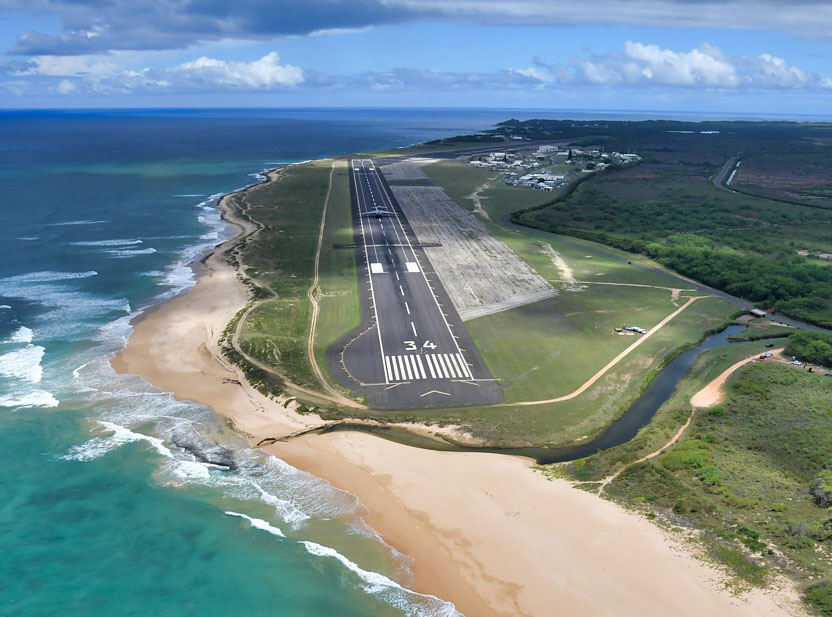
Recovery operations in the aftermath of Hurricane Lowell are ongoing throughout the installation; but some recreational areas sustained minimal damage and now are available for use to those with guest passes.
- Shenanigans parking lot and beach access.
- Kinikini Ditch Beach Access Road (weekends and federal holidays only).
- Mānā Motors (normal business hours).
- Car wash (normal business hours).
- Movie theater (Friday-Sunday).
- Guest cottages (accepting reservations; access reserved for cottage guests only).
Click here to find additional information.
Mold warning
State health officials urge residents to address any mold growth following flooding. Mold exposure carries serious health risks, including breathing problems, allergic reactions and infections. For information on how to clean mold and mud post-flood, Click here for additional information about how to clean mold and mud post-flood.
Avoid disaster recovery scams
Kauaʻi Police Department continues to urge residents remain vigilant for scams during ongoing Hurricane Lowell recovery.
The public is reminded to:
- Verify who is contacting them before providing information or accepting assistance.
- Do not share passwords, financial information, Social Security numbers or verification codes.
- Do not send money, gift cards or cryptocurrency to unsolicited contacts.
- Be cautious with links, QR codes and requests for donations.
- Use official government and agency channels to verify disaster-related information.
Visit Kauaʻi County official channels and KauaiRecovers.org for verified information about Hurricane Lowell recovery.
Bank of Hawai‘i
Bank of Hawai‘i’s Kapa‘a Branch is open, but operating on modified business hours:
- 9 a.m. to 1 p.m.: Monday through Saturday.
- Closed: Sunday.
The ‘Ele‘ele Branch hours are:
- 9 a.m. to 1 p.m.: Monday through Friday.
- Closed: Saturday and Sunday.
Hawaiʻi State Federal Credit Union
Hawaii State Federal Credit Union is expanding its Emergency Member Relief Program to provide immediate financial assistance to members impacted by Hurricane Lowell.
Qualifying members have access to a range of support options under this program, including:
- Emergency assistance loans: Access up to $5,000 with no payments required for the first three months and no prepayment penalty for qualifying members.
- Deferral on loan payments: Payment deferrals on eligible consumer loans for one to three months. Interest will continue to accrue during the deferral period, and the loan term will be extended, resulting in a final balloon payment. Deferral options for mortgages, home equity lines of credit and revolving credit may vary.
- Penalty-free term share withdrawals: Withdrawals from existing term share accounts without an early withdrawal penalty.
To learn more, visit any of the credit union’s 14 branch locations or call the Member Service Call Center at 808-587-2700.
Important numbers and resources
- Overall emergency management: Kauaʻi Emergency Management website.
- Weather forecasts, advisories, watches and warnings: National Weather Service website or automated weather line at 808-245-6001
- Water service: Kauaʻi County Department of Water website or via phone at 808-245-5400.
- Road closures and conditions: 808-241-1725.
- Up-to-date ocean conditions and safety: Speak to a county lifeguard, visit the Safe Beach Day website or call Kauaʻi Ocean Safety Bureau at 808-241-4984.
- Sign up for Everbridge emergency notifications: Visit the Kauaʻi Emergency Management website and click “Notification Services,” text “KAUAIEMA” to 888777 or call Kauaʻi Emergency Management at 808-241-1800.
Officials remind the public to use 9-1-1 only for life-threatening or time-critical emergencies. Emergency response can be significantly delayed with callers seeking non-emergency information such as weather updates and road conditions.
Non-emergency hazards should be reported to Kauaʻi Police Department Dispatch at 808-241-1711.

Additional preparedness information can be found on the Kaua‘i Emergency Management website, as well as the Kaua‘i Island Utility Cooperative website.