


Nearly 80.3 tons. That’s how much trash — 160,552 pounds — Surfrider Kauaʻi volunteers in 2025 cleaned up from Garden Isle beaches and coastlines. Another nearly 12.35 tons, or 24,695 pounds, was collected during the first 3 months of 2026 by the nonprofit’s volunteers.
A total of 4,730 volunteers stepped up for the cleanups in 2025, with another 919 volunteering from January to March this year.
That averages out to be nearly 34 pounds per volunteer last year and another almost 27 pounds per person for the 3 months reported in 2026.
Those numbers are eye-opening. They also are representative of a huge trash problem beaches and coastlines face around the island — and throughout the nation.
National nonprofit Surfrider Foundation recently released its 2025 Beach Cleanup Report, the nonprofit’s seventh annual recount of cleanup efforts and data collected by foundation chapters throughout the nation — including on Kauaʻi and others throughout Hawaiʻi.
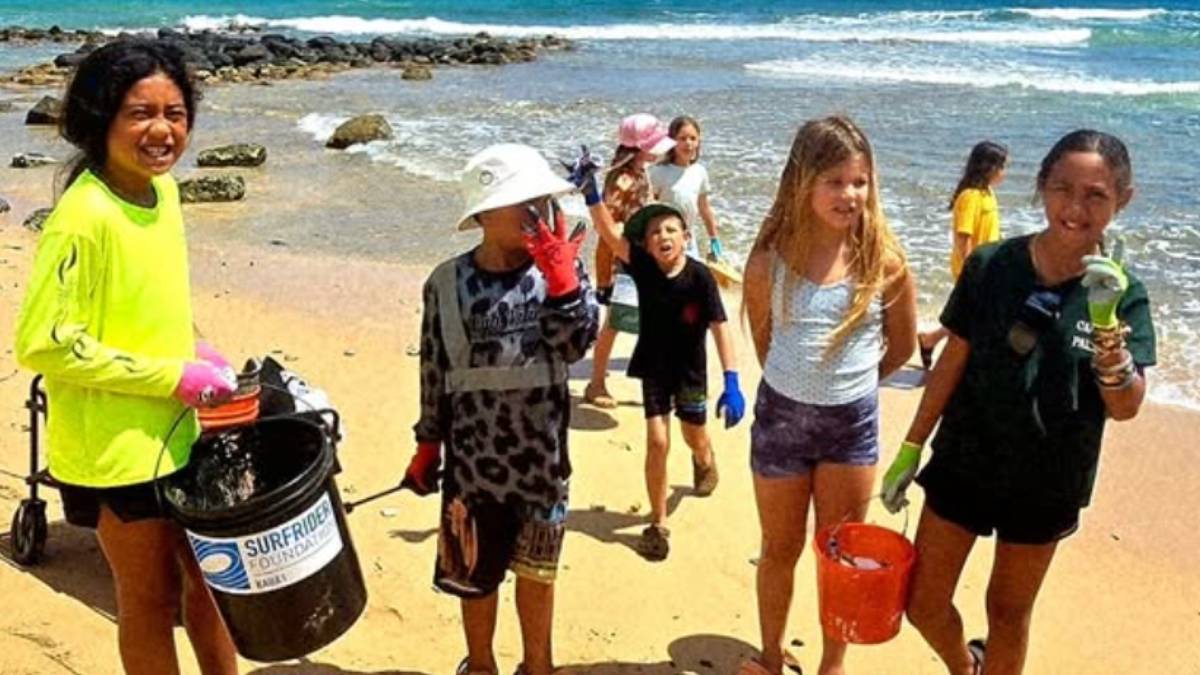
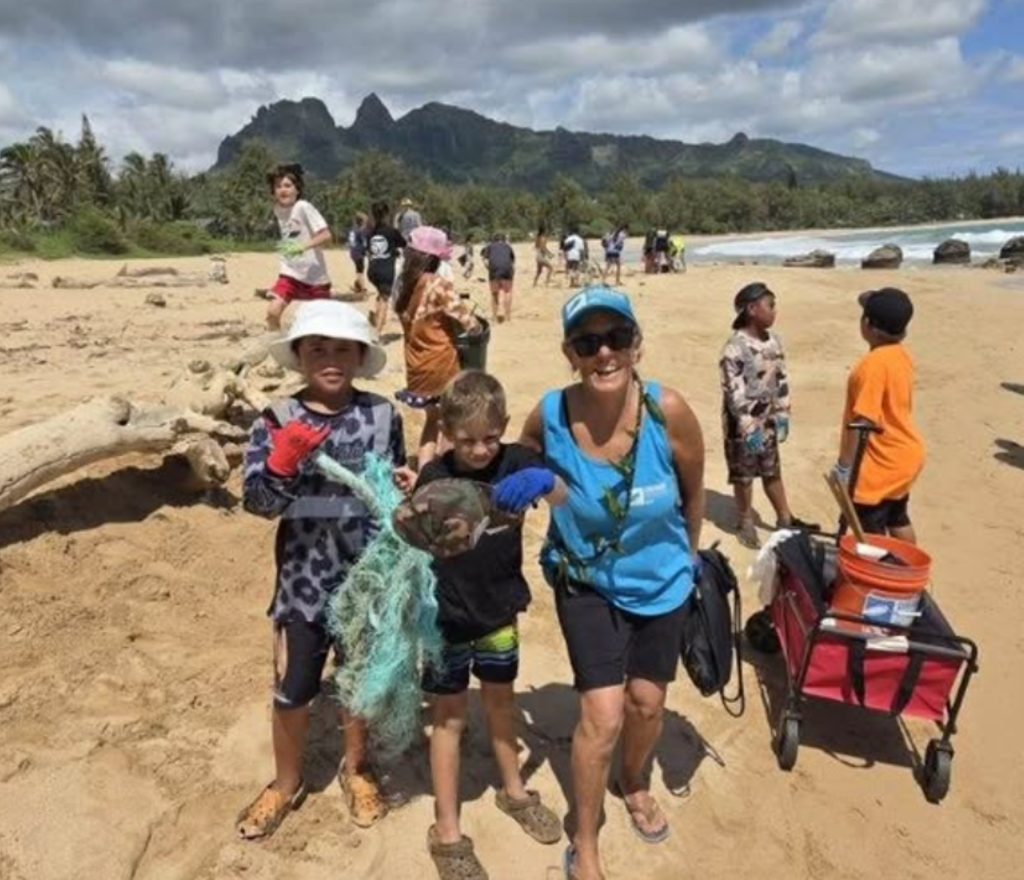
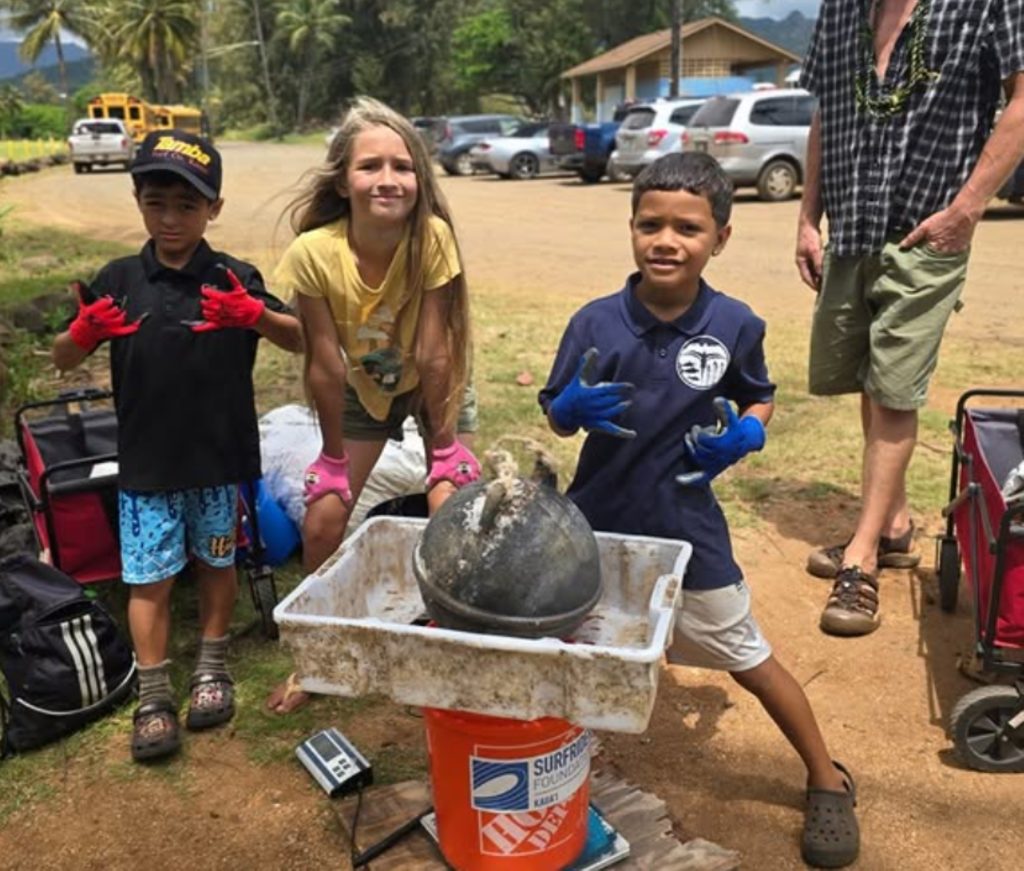
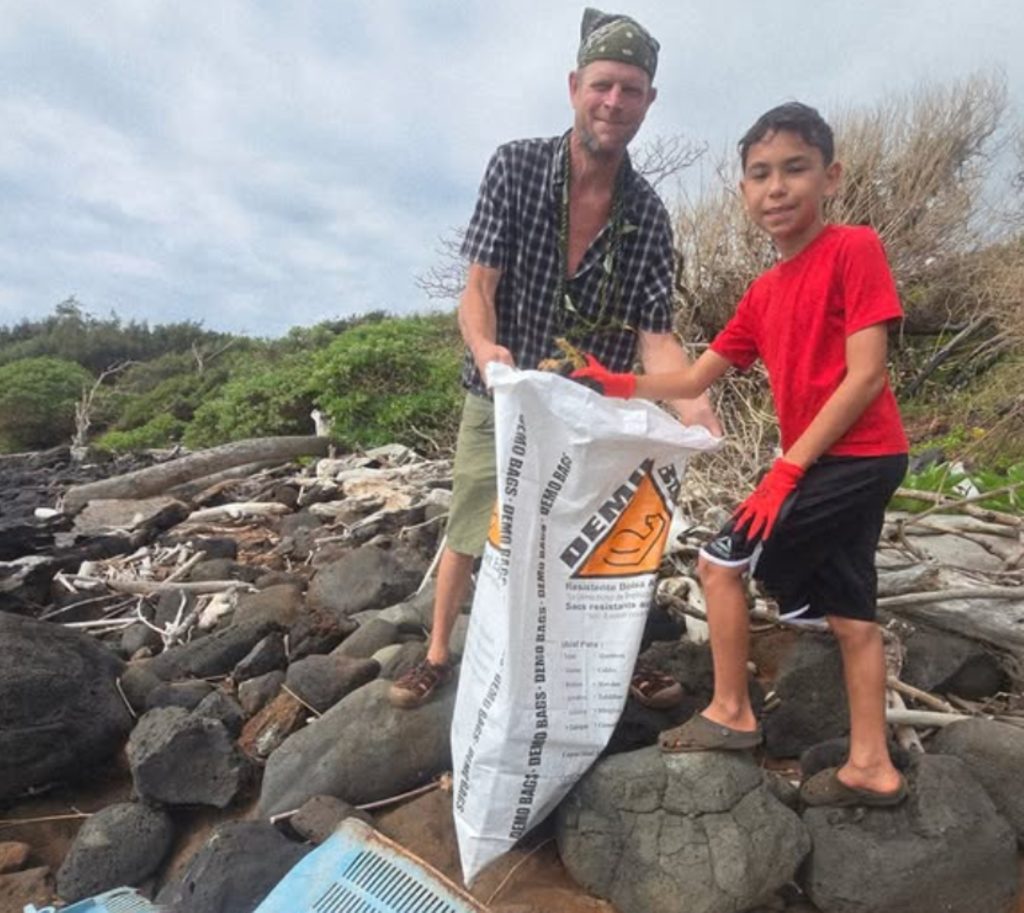
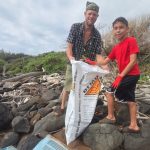
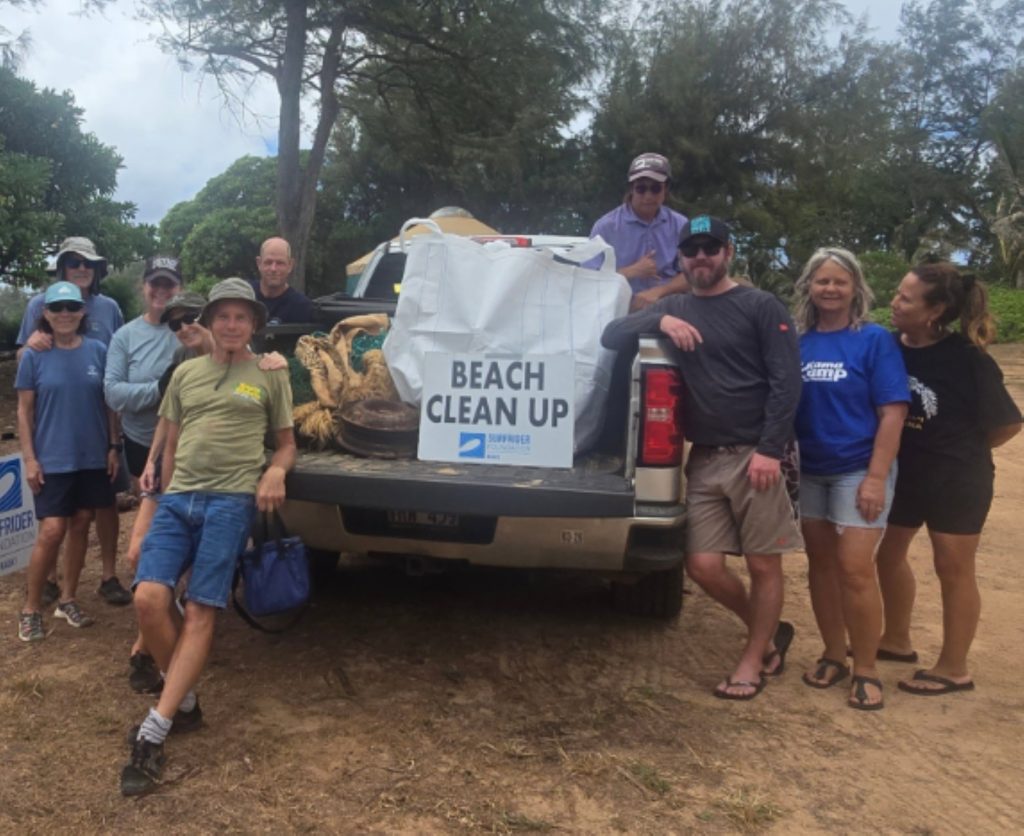
 Keiki helped with a beach cleanup in May hosted by Surfrider Kaua‘i. (Courtesy Screenshot of Photo: Surfrider Kaua‘i Instagram page)
- Keiki helped with a beach cleanup in May hosted by Surfrider Kaua‘i. (Courtesy Screenshot of Photo: Surfrider Kaua‘i Instagram page)
- Keiki helped with a beach cleanup in May hosted by Surfrider Kaua‘i. (Courtesy Screenshot of Photo: Surfrider Kaua‘i Instagram page)
- Keiki helped with a beach cleanup in May hosted by Surfrider Kaua‘i. (Courtesy Screenshot of Photo: Surfrider Kaua‘i Instagram page)
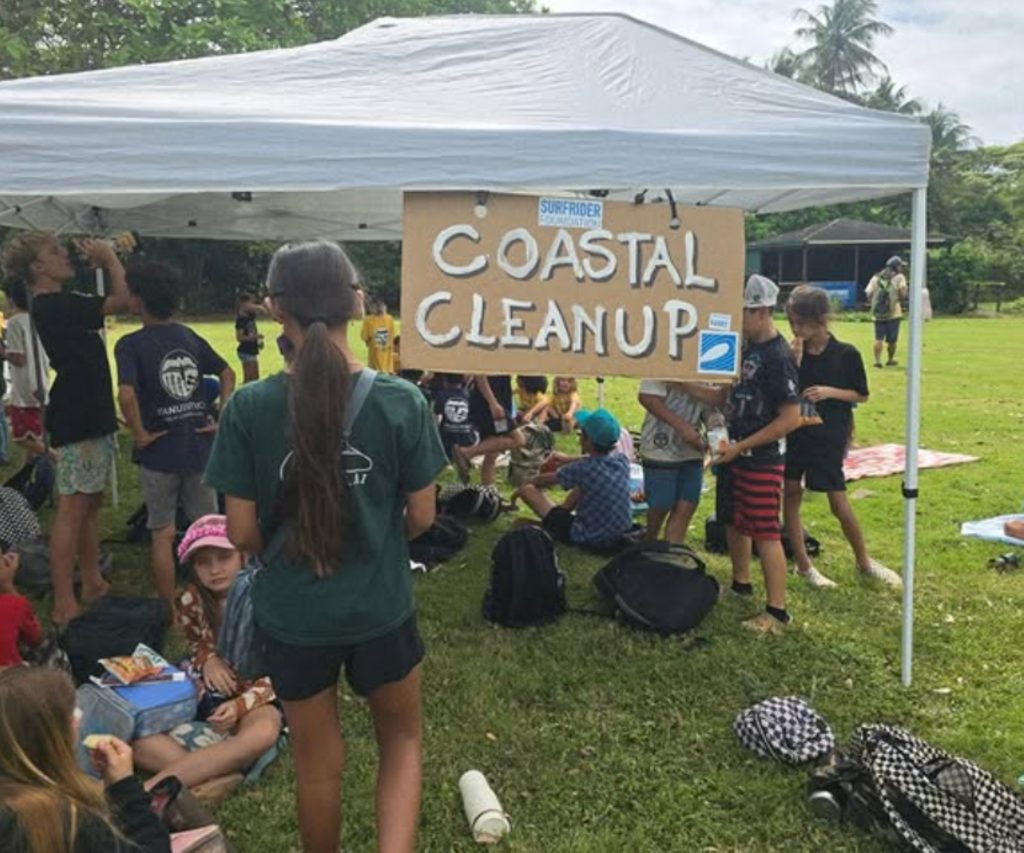
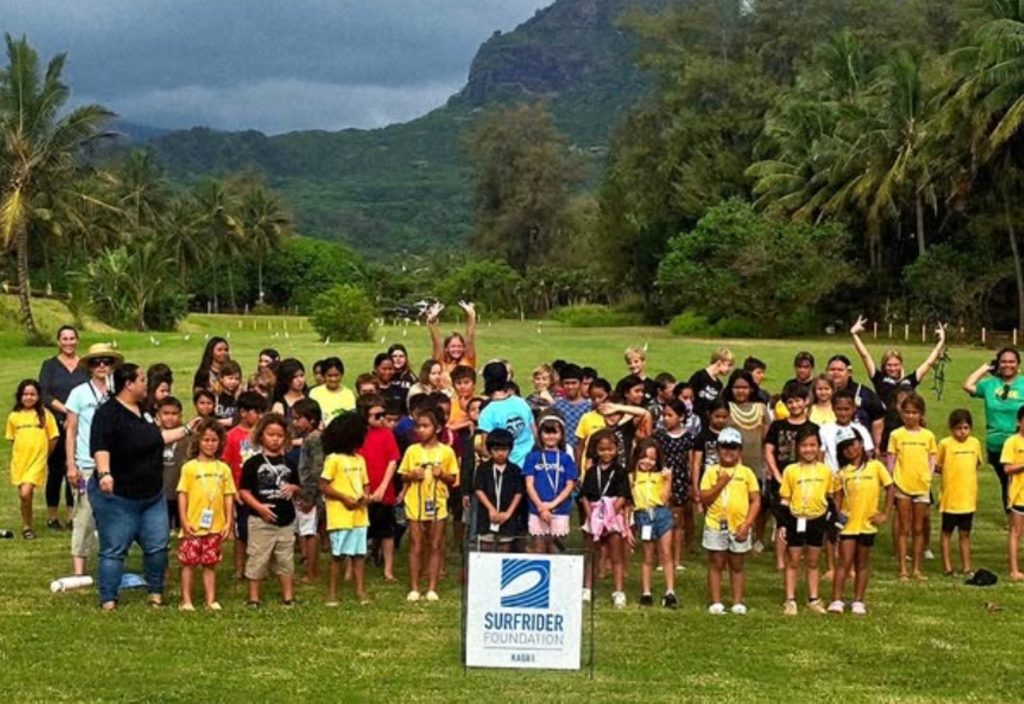
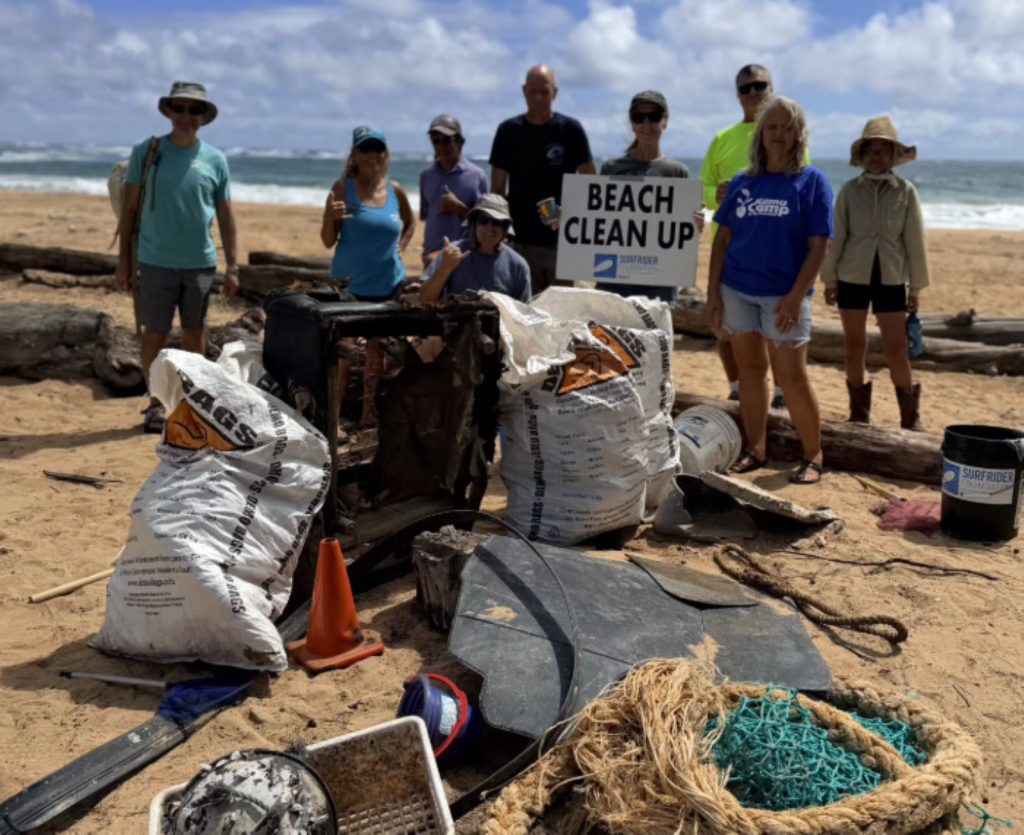
- Keiki pose for a group photo during a cleanup event in May hosted by Surfrider Kaua‘i. (Courtesy Screenshot of Photo: Surfrider Kaua‘i Instagram page)


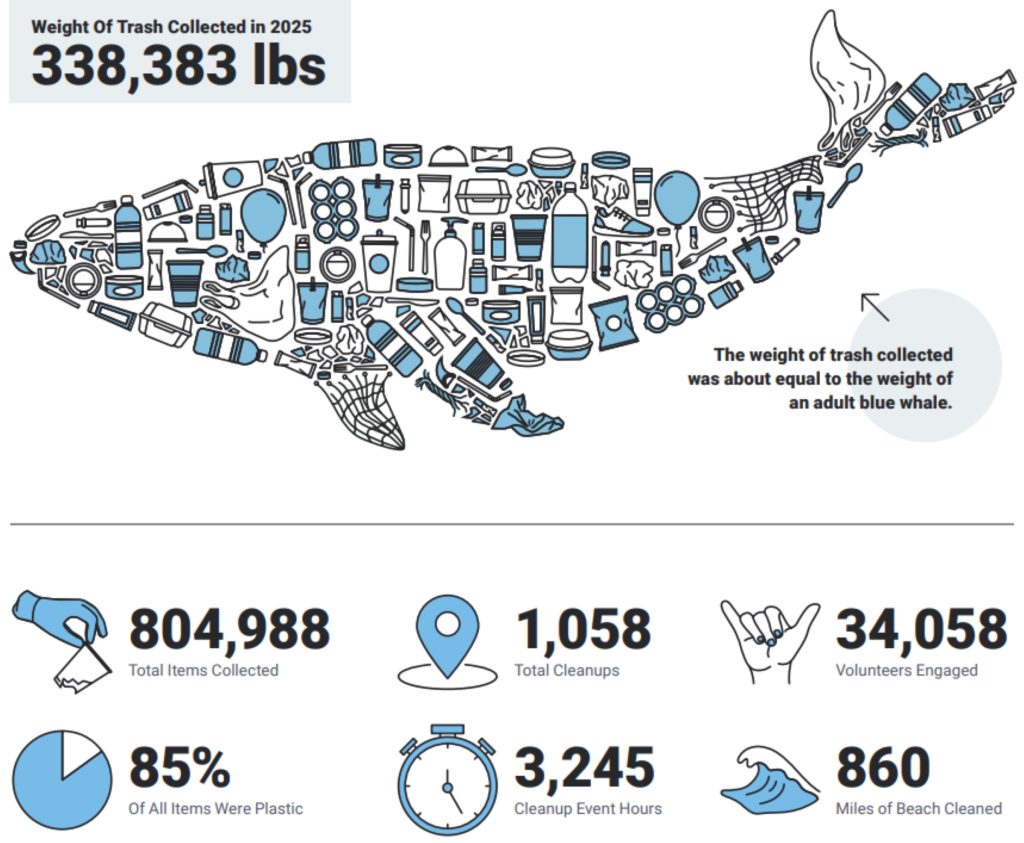
Surfrider reports a total of 338,383 pounds — slightly more than 169 tons — of trash were cleaned up last year nationwide.
Other data show a total of 34,058 volunteers:
- Participated in a total of 1,058 cleanups.
- Collected a total of 804,988 Items, 85% of which were plastic.
- Cleaned up a total of 860 miles of beach.
- Gave a total of 3,245 hours during cleanup events.
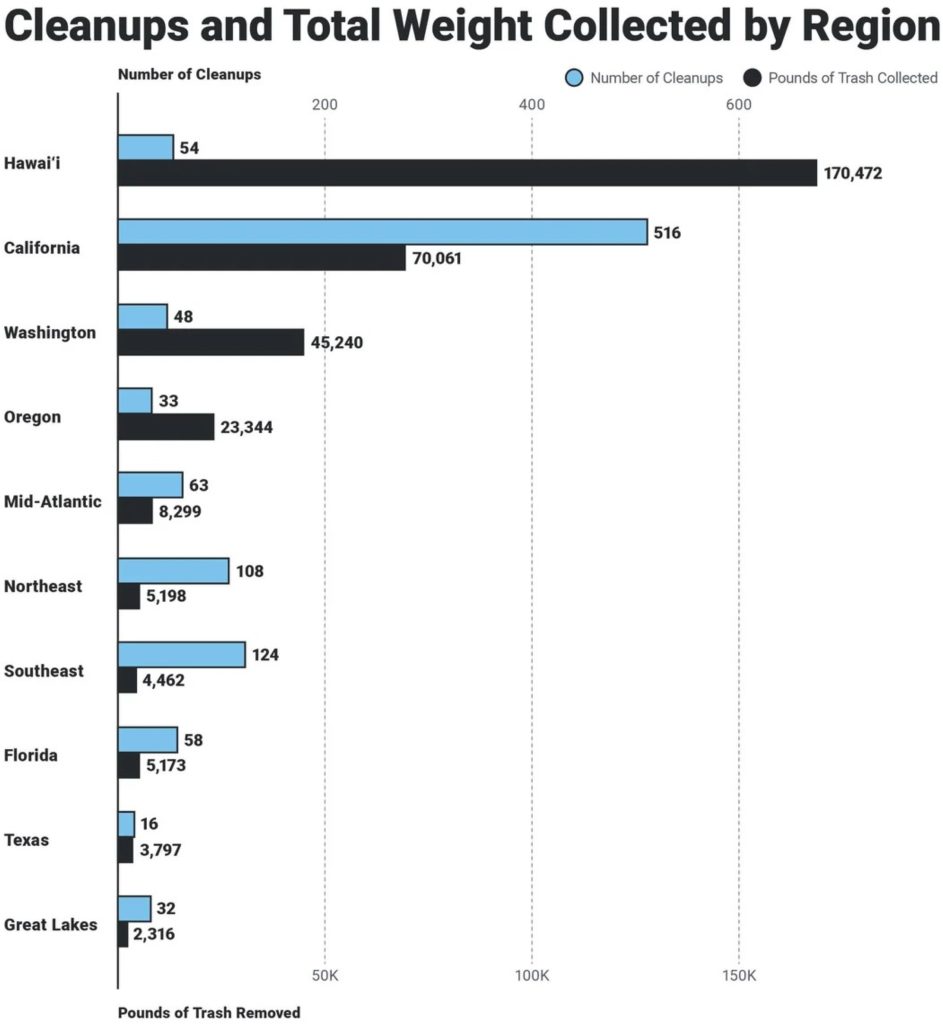
Hawaiʻi reported the most overall total amount of trash collected during 2025 compared with other regions in the nation.
Surfrider volunteers throughout the Aloha State cleaned up a total of nearly 85.25 tons — or 170,472 pounds — of trash from a reported 54 cleanup events, which averages out to nearly 3,157 pounds of trash per cleanup.
The next region that collected the most trash was California with 70,061 total pounds, more than 100,400 pounds behind Hawaiʻi. California also reported 516 cleanups for the year, 462 more than the islands, averaging nearly 136 pounds of trash per event.
But why does Hawai‘i have so much more trash in weight?
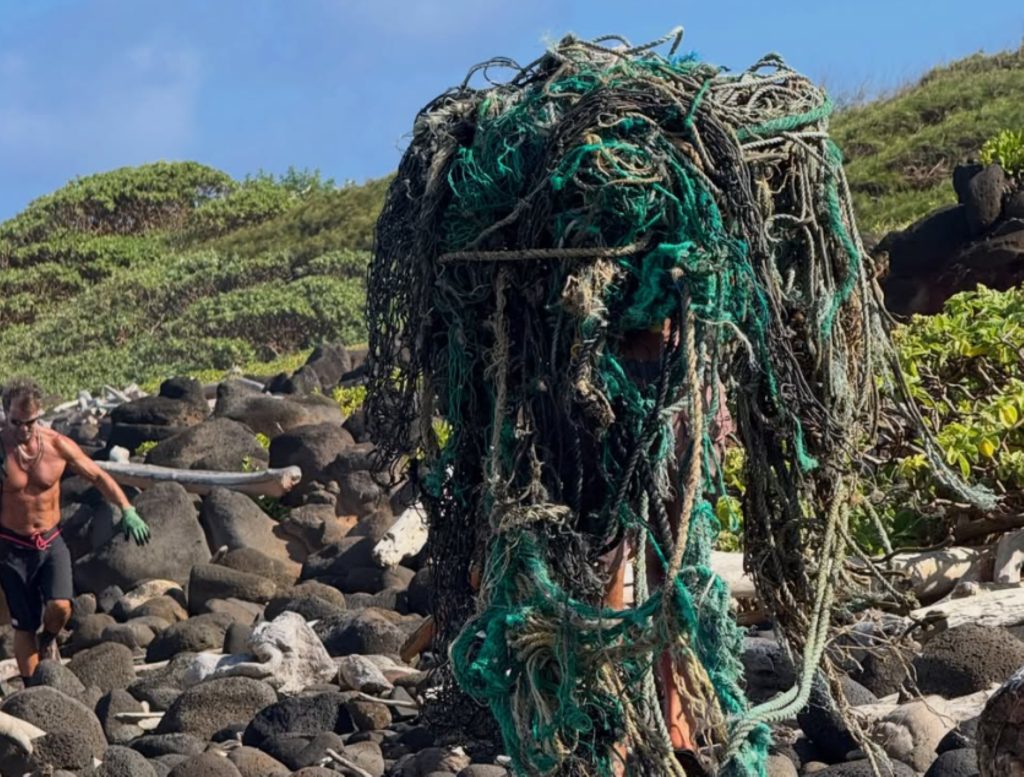
Ocean gyres — large systems of rotating ocean currents driven by global wind patterns — cause marine debris to wash up on Kaua‘i shores. That debris can often be large scale and weigh thousands of pounds each, such as discarded fishing nets.
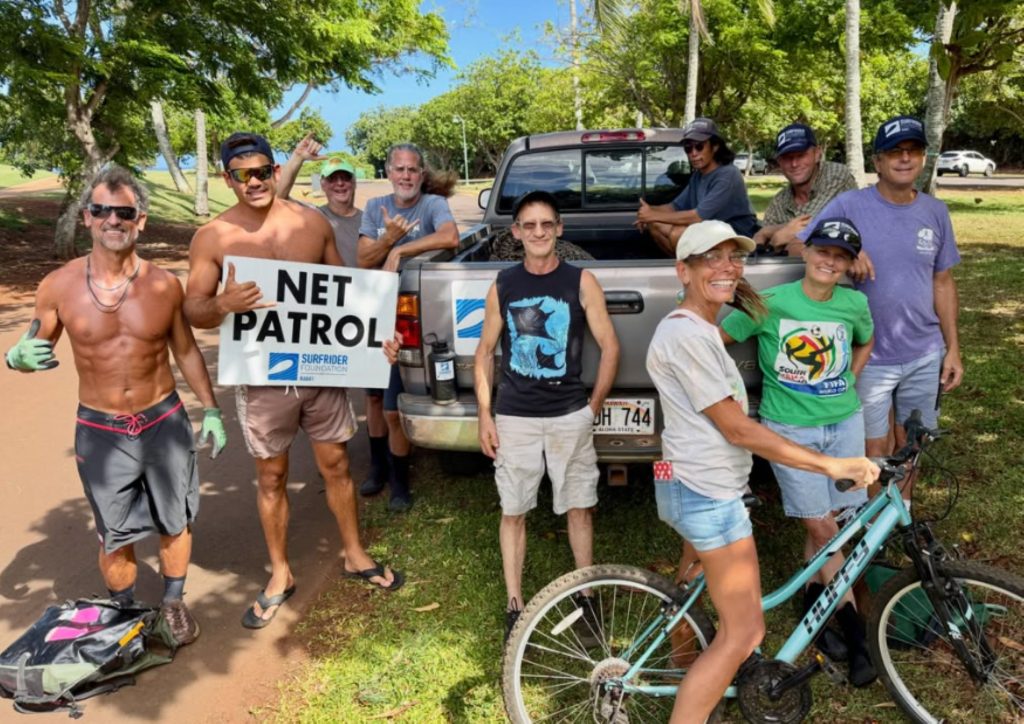
That led to the launch of Surfrider Kaua‘i’s Net Patrol, a program to address discarded fishing nets on the Kaua‘i coast.
Trouble in coastal environments could be measured in tons last year, with 10 beach cleanups that broke the scales — including two on Kaua‘i.
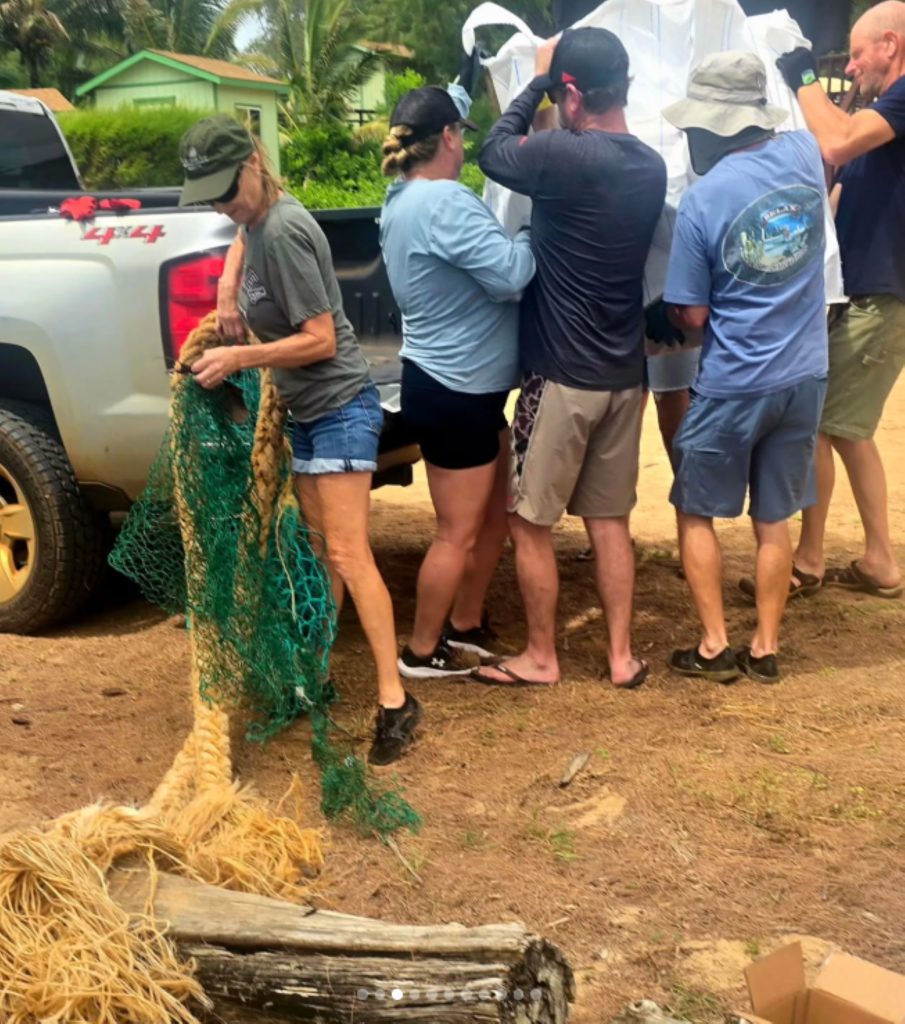
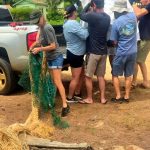
- Photo from a June Net Patrol cleanup event. (Courtesy Screenshot of Photo: Surfrider Kaua‘i Instagram page)
- Photo from a June Net Patrol cleanup event. (Courtesy Screenshot of Photo: Surfrider Kaua‘i Instagram page)
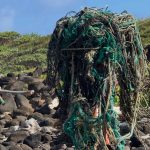

The average weight of trash collected in 2025 per cleanup nationwide was 300 pounds. However, many of Surfrider’s beach cleanups yield much higher weights because of immense amounts of trash on coasts.
At least 1,000 pounds of trash were removed during a single day at each of these 10 cleanups.
10 beach cleanups that broke the scales
| Cleanup site | Cleanup date | Weight of trash removed |
| Ocean Shores, Wash. | July 5, 2025 | 26,200 pounds |
| Twin Harbors State Park, Wash. | July 5, 2025 | 4,240 pounds |
| San Gabriel River, Coyote Creek, Calif. | June 1, 2025 | 3,340 pounds |
| Anahola Bay | Jan. 19, 2025 | 3,202 pounds |
| Nukoli‘i Marine Camp | June 8, 2025 | 2,402 pounds |
| Ormond Beach and Wetlands, Calif. | April 19, 2025 | 2,060 pounds |
| Seal Beach, River’s End, Calif. | Oct 26, 2025 | 1,883 pounds |
| San Jose Island, Texas | May 10, 2025 | 1,410 pounds |
| Ski Beach, Ventnor City, N.J. | May 3, 2025 | 1,315 pounds |
| James Island Connector, S.C. | April 8, 2025 | 1,000 pounds |
The list — while not inclusive of every large cleanup — demonstrates enormous amounts of trash are polluting beaches while showing the strength of Surfrider’s grassroots network tirelessly working to clean it up.
Surfrider Kaua‘i cleanup statistices for 2025 through March 2026 reiterate the report’s findings.
There were 16 total beach cleanup reports submitted by Surfrider Kaua‘i throughout 2025 and the first 3 months of this year.
2025
- Jan. 31: 491 volunteers; 19,913 lbs. of trash.
- Feb. 28: 116 volunteers; 11,030 lbs. of trash.
- March 31: 673 volunteers; 19,626 lbs. of trash.
- April 16 (Lydgate Beach): 4 volunteers; 20 lbs. of trash.
- April 30: 645 volunteers; 26,481 lbs. of trash.
- May 31: 367 volunteers; 17,588 lbs. of trash.
- June 30: 621 volunteers; 15,011 lbs. of trash.
- July 31: 254 volunteers; 7,948 lbs. trash.
- Aug. 31: 274 volunteers; 7,009 lbs. of trash.
- Sept. 30: 277 volunteers; 7,145 lbs. of trash.
- Oct. 31: 402 volunteers; 7,219 lbs. of trash.
- Nov. 30: 343 volunteers; 13,752 lbs. of trash.
- Dec. 31: 263 volunteers; 7,810 lbs. of trash.
2026
- Jan. 31: 329 volunteers; 9,412 lbs. of trash.
- Feb. 28: 192 volunteers; 5,675 lbs. of trash.
- March 31: 398 volunteers; 9,608 lbs. of trash.
- Courtesy Graphic: Surfrider Foundation 2025 Beach Cleanup Report
- Courtesy Graphic: Surfrider Foundation 2025 Beach Cleanup Report
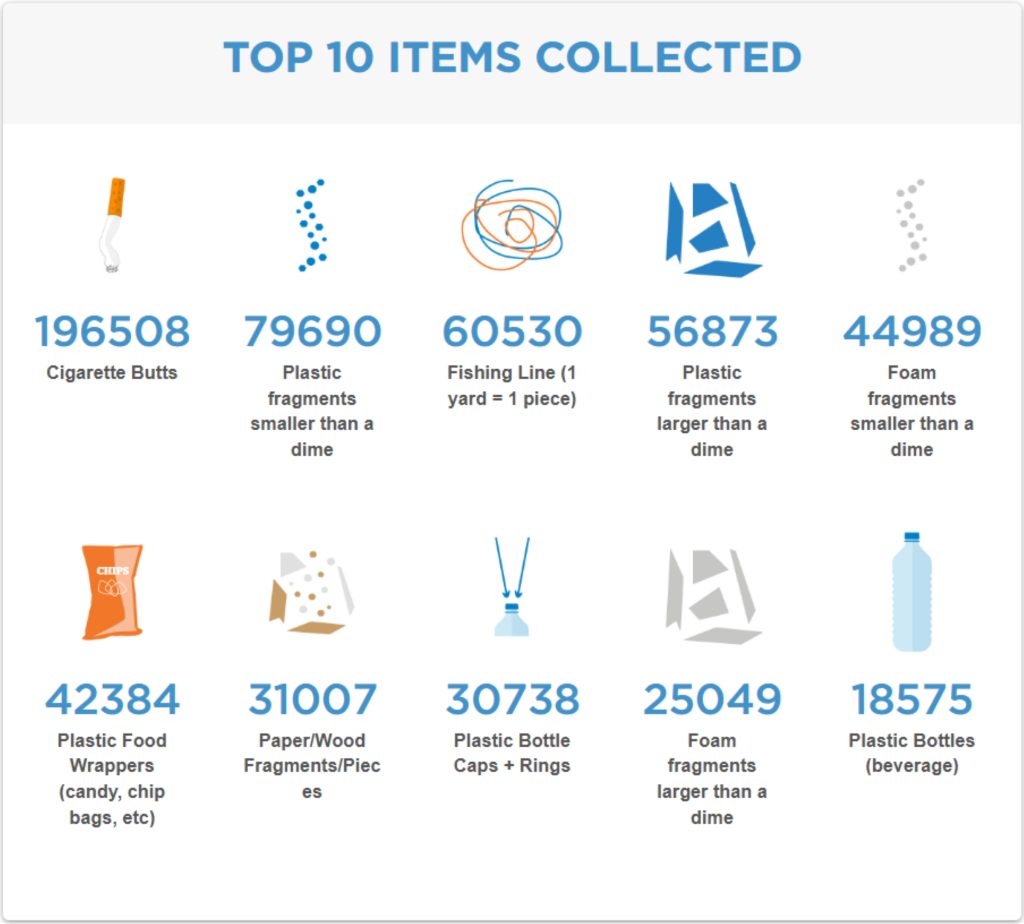
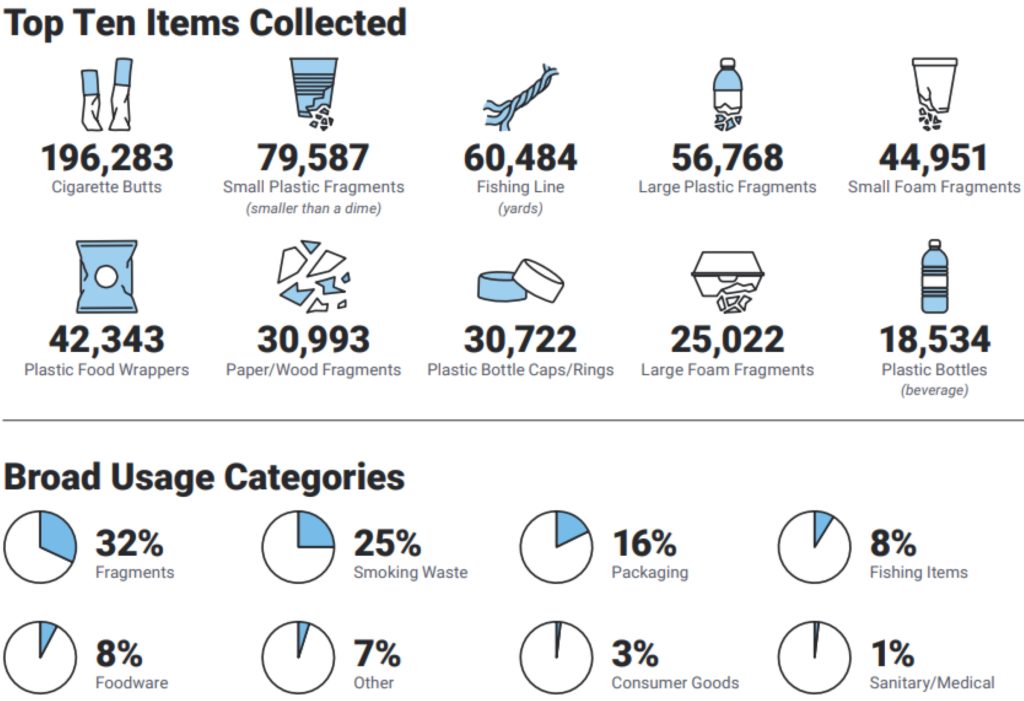
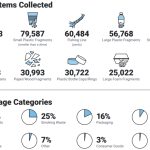
The efforts on Kaua‘i and elsewhere ultimately intercepted and reduced the amount of plastic pollution and other trash and recyclables flowing into ocean waters.
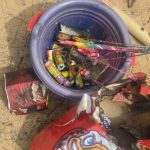
Surfrider’s 2025 report also reveals items most often collected during beach cleanups. Cigarette butts and their e-cigarette counterparts are the most littered items in the world.
The report identified cigarette butts as the most commonly collected item, accounting for nearly a quarter of all litter recovered, with volunteers collecting 196,000-plus butts during 2025, reinforcing concerns about the environmental impacts of tobacco waste.
Cigarette filters are made from plastic and contain thousands of chemicals that can leach into waterways and marine habitats. Surfrider said the rise of disposable vaping devices and nicotine pouches also is creating an additional source of hazardous waste along coastlines.
The nonprofit organization estimates that approximately 500,000 disposable vapes are discarded each day throughout the United States, while nicotine pouch sales increased 641% during the past 4 years.
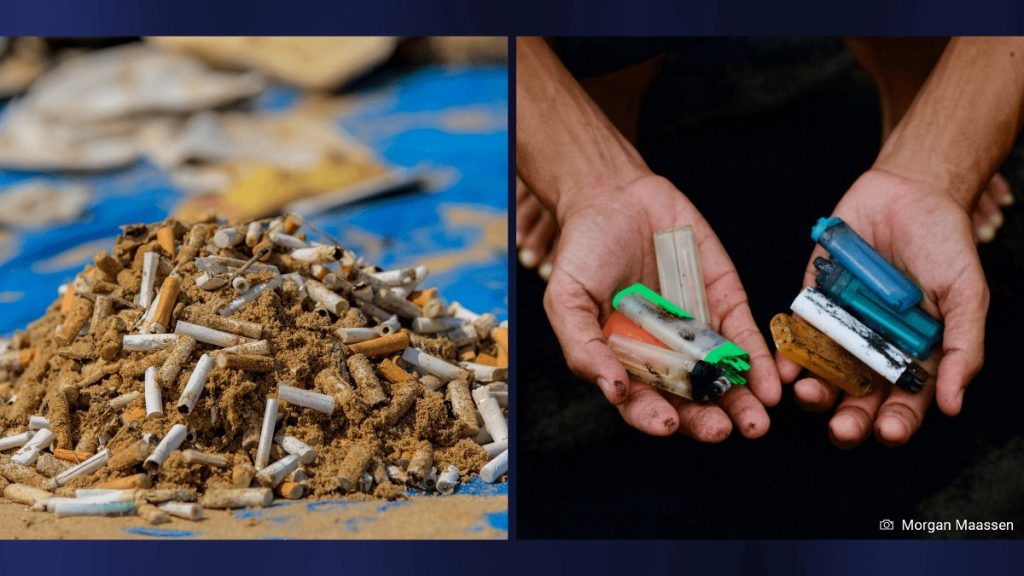
There is definitely a need for widespread action to reduce the impacts of this toxic trash, and policy proposals targeting disposable vaping products and cigarette filters as potential tools to reduce tobacco-related litter.
Beach cleanup efforts are the foundation of Surfrider’s network — capable of tackling enormous issues threatening ocean waters — and have helped pass legislation to better protect coasts from future threats.
“We are calling on local governments and municipalities to find collaborative solutions to these pollution problems … ,” Surfrider’s report says. “Data is clear — we cannot rely on beach cleanups alone to get us out of this mess.”
The nonprofit says legislative inteventions and industry involvement are needed to reduce plastic production and rapidly shift away from single-use plastic products to protect the health of the world’s oceans, marine life and “ourselves, beaches, parks and coastal ecosystems.”
That intervention and involvement not only would result in immediately cleaner communities and beaches, but also in long-term reductions in plastic pollution by identifying problematic pollution trends and working to pass legislation to remove these items from circulation.
“Cleanups create lasting change by showcasing how individual actions can turn into measurable environmental impacts,” says a statement included in the 2025 report by Charlotte Marriott and Hannah McClintock with the University of Hawai‘i at Mānoa Surfrider Foundation Student Club.
- Courtesy Photo: University of Hawai‘i at Mānoa Surfrider Foundation Student Club
- Courtesy Photo: University of Hawai‘i at Mānoa Surfrider Foundation Student Club
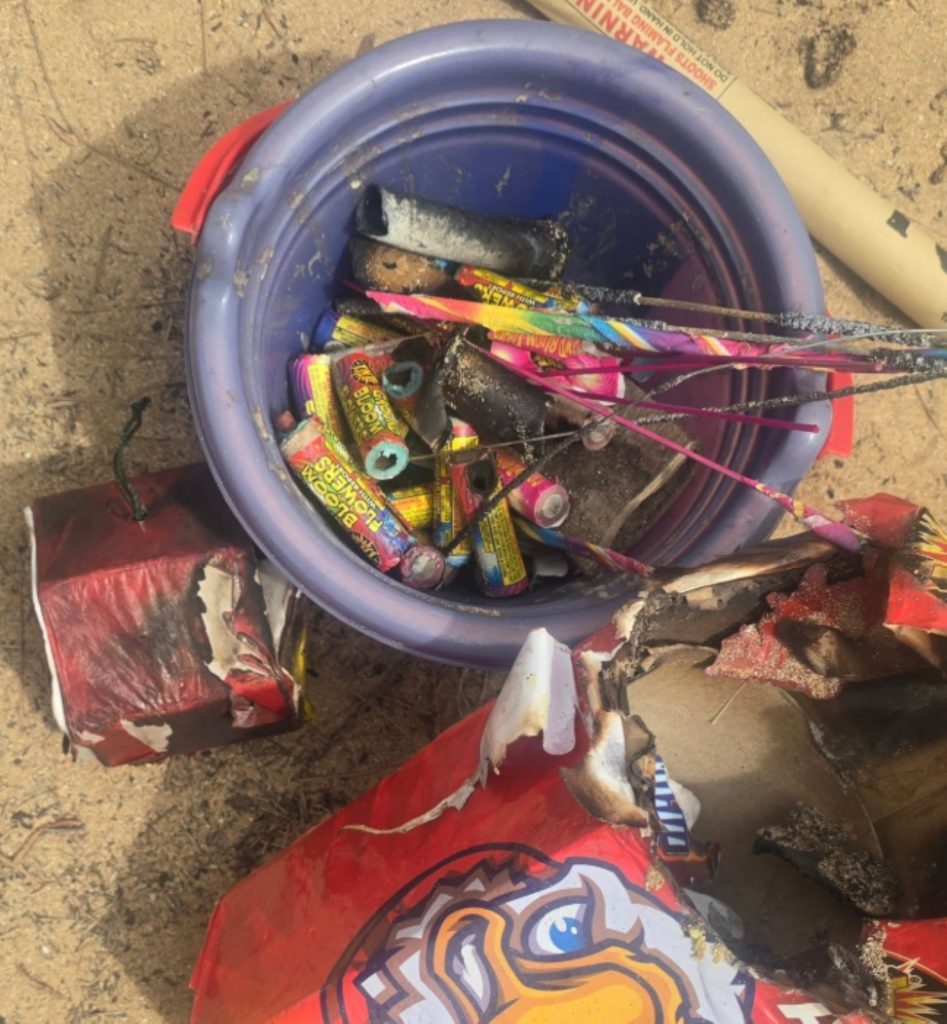
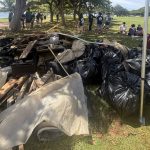
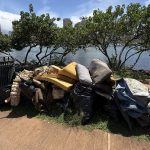
- Photo from a July 5 beach cleanup event in Anahola. (Courtesy Screenshot of Photo: Surfrider Kaua‘i Instagram page)
- Photo from a July 5 beach cleanup event in Anahola. (Courtesy Screenshot of Photo: Surfrider Kaua‘i Instagram page)
- Photo from a July 5 beach cleanup event in Anahola. (Courtesy Screenshot of Photo: Surfrider Kaua‘i Instagram page)
- Photo from a July 5 beach cleanup event in Anahola. (Courtesy Screenshot of Photo: Surfrider Kaua‘i Instagram page)
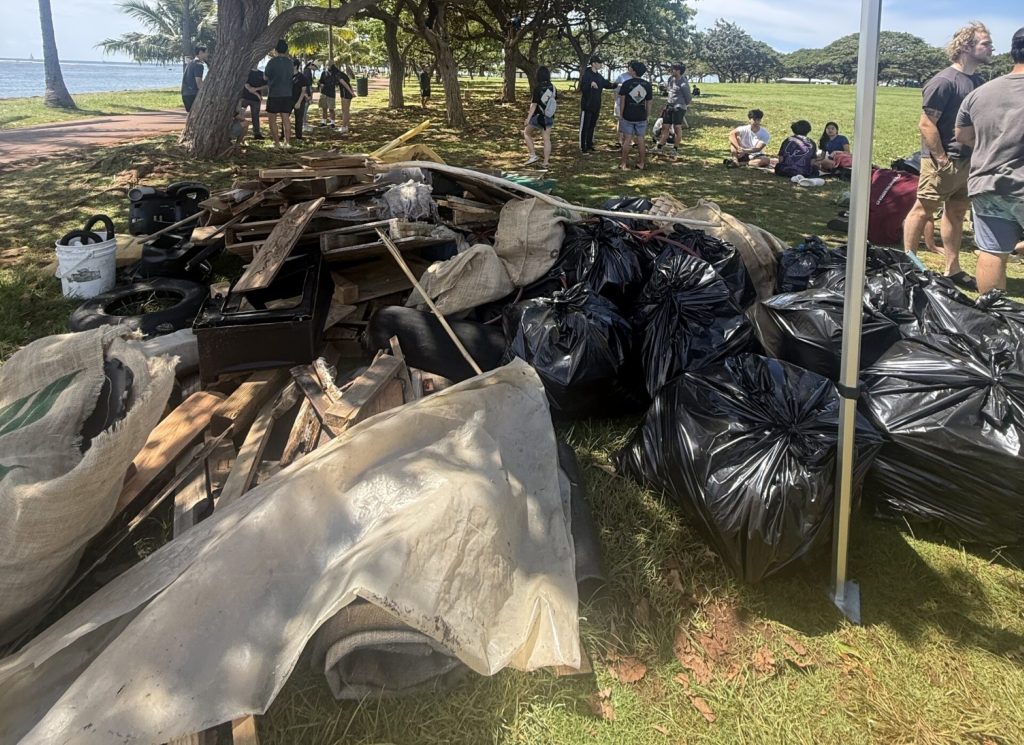
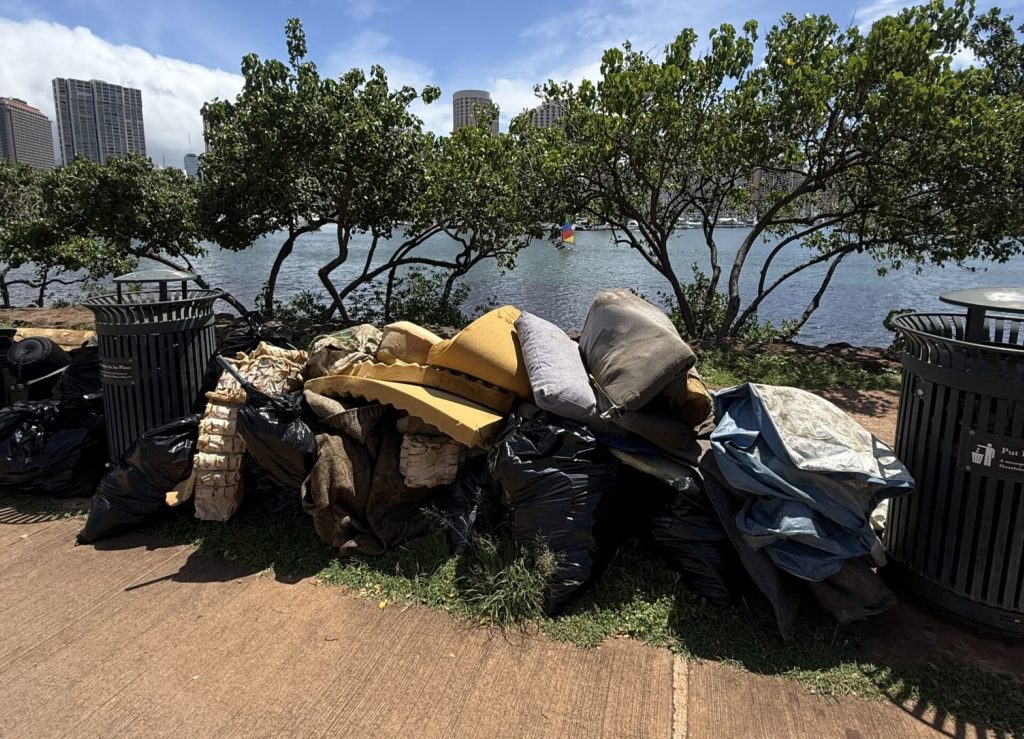
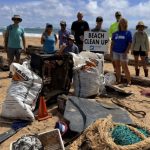

The staggering amount of trash Surfrider removed through the years — whether it’s a few pieces of large, heavy debris or an accumulation of smaller pieces of plastic — shows volunteers are bearing the burden of the efforts.
Events have for decades brought together ocean lovers, introducing them to the work the foundation’s local chapters and student clubs do throughout the country.
“Surfrider Foundation’s Beach Cleanup program demonstrates that through collective action, positive change for a cleaner future is possible,” says the foundation’s 2025 report.
An important byproduct of beach cleanups is that volunteers develop a stronger connection to their community and the environment.
“We’ve talked to a plethora of individuals who want to become involved in environmental conservation — people who want to make a change but simply don’t know how to get started,” says the statement by Marriott and McClintock. “Ultimately, our goal is not only to clean beaches but also to empower individuals to become active participants in protecting Hawaiʻi’s environment for future generations.”
The nonprofit’s work in 2025 throughout the nation shows the true strength and potential of what can happen when communities, businesses and governments work together.
“Together, we will keep fighting to achieve a single-use plastic, pollution-free future for our ocean and coasts,” the report says.
Read the 2025 Beach Cleanup Report at the Surfrider Foundation website.
Visit the Surfrider Kaua‘i website to learn more about the Garden Isle chapter and its programs, plus discover upcoming events and activities hosted by the organization. Also follow the nonprofit on Facebook and Instagram.
News reporters Xiomara Yamileth and Nathan Christophel contributed to this story.