


A bipartisan bill introduced in Congress aims to provide more transparency on digital content generated by artificial intelligence.
Introduced by Hawai‘i U.S. Sen. Brian Schatz, the bill would ensure people know when they are viewing AI-made content or interacting with an AI chatbot by requiring clear labels and disclosures. The legislation is also meant to help protect Hawai‘i artists and creators.
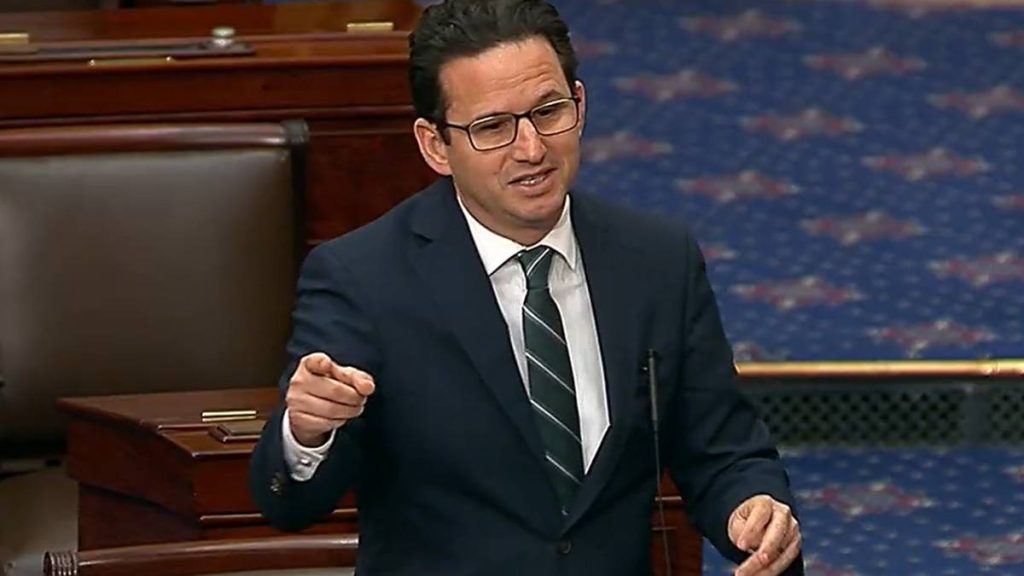
“People deserve to know whether or not the videos, photos, and content they see and read online is real or original,” Schatz said. “Our bill is simple – if any digital content is made by artificial intelligence, it should be labeled so that people are aware and aren’t fooled or scammed.”
The bill introduction follows increasing concerns about the need for greater AI transparency in Hawai‘i and across the country.
In May 2023, an AI-generated photo of an explosion near the Pentagon went viral, triggering a dip in the stock market. Deepfake images of President Donald Trump being arrested were viewed by millions on social media, demonstrating the types of manipulation we could see during elections, according to a news release from Schatz’s office.
“Fraudsters are already abusing AI systems to generate scam calls, impersonating a loved one’s voice and scamming Americans out of their hard-earned money,” the release states. “As generative AI becomes increasingly convincing and widespread, it is critical that companies take steps to ensure that American consumers can identify AI-generated content.”
The AI Labeling Act will:
- Require both visible and machine-readable disclosures identifying AI-generated digital content, including image, video, or audio content.
- Require AI developers and all major social media platforms to collaborate to ensure users can identify the authenticity of shared content.
- Establish a working group to create technical standards so users and social media platforms can identify AI-generated content and support content provenance.