


Gov. Josh Green has preserved the solar tax credit to protect investment decisions made in recent months and address concerns expressed by Hawaiʻi’s solar industry.
Green issued Executive Order 26-02 to preserve the solar tax credit affected by Act 24 for 2026. The decision affirms Green’s Executive Order 25-01, which recognizes the fundamental importance of distributed solar to the state’s energy goals.
“Distributed solar energy has been, and will continue to be, a leading contributor to the state’s sustainability and resiliency goals,” the executive order reads.
“Executive Order 26-02 recognizes the critical importance of maximizing distributed solar resources, particularly on Oʻahu,” said Chief Energy Officer Mark Glick. “It demonstrates the continued commitment of the Green administration to clean energy for Hawaiʻi and immediately resolves the most pressing concerns of solar installers and customers around Act 24.
“This immediate relief also provides the solar industry with an opportunity to design innovative proposals for the 2027 legislative session,” Glick continued.
Hawaiʻi Solar Energy Association Executive Director Rocky Mould applauded the executive order, citing the critical role of rooftop solar in combating rising electricity prices.
“Families, businesses, and nonprofits with solar have been able to cut their electricity bills by hundreds of dollars per month,” he said. “With each installation, Hawaiʻi’s grid becomes cleaner and more resilient — community by community, rooftop by rooftop.”
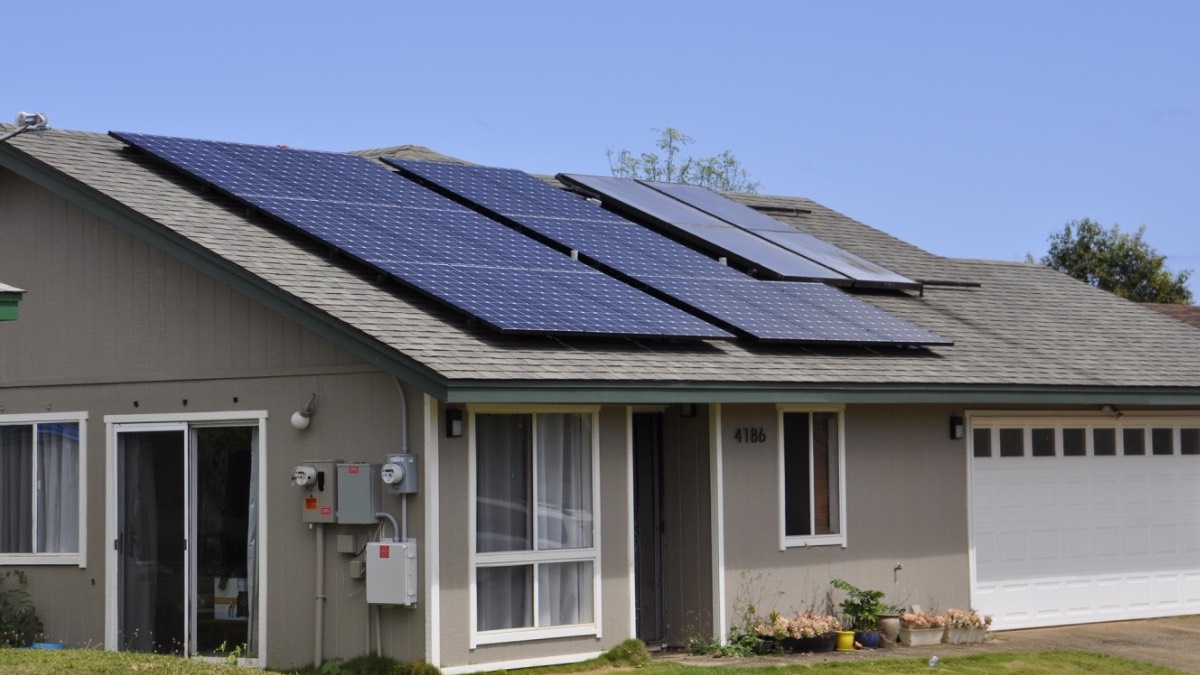
Hawaiʻi ranks first in the nation for per capita residential rooftop solar adoption. Rooftop solar covers nearly half of Hawaiʻi households statewide, reducing demand on the grid and creating downward pressure on rates for all customers, including renters and lower-income families who have not yet been able to install their own systems.
While Executive Order 25-01 called for an additional 50,000 rooftop solar systems on Oʻahu by 2035, along with accelerating the state’s transition to 100% renewable energy on the neighboring islands by a decade, Executive Order 26-02 continues that support for a key solar resource.
The latest executive order confirms that renewable energy technology systems placed into service in the 2026 calendar year shall not be subject to the annual $40 million aggregate cap on allowable credits created by Act 24.
The taxpayer must demonstrate that they reasonably relied on the ability to claim credits when investing resources to finance, plan, design, permit, or install the system before Act 24 was signed on May 21, 2026, to the Hawaiʻi State Energy Office and the Department of Taxation.
While protecting income tax relief for low- and middle-income households, Act 24 also made significant changes to the Renewable Energy Technologies Income Tax Credit, imposing an annual $40 million cap on allowable credits starting in 2027 and sunsetting the Renewable Energy Technologies Income Tax Credit in 2030.
The executive action was prepared in consultation with the Hawaiʻi State Energy Office, the Department of Taxation, and the Department of the Attorney General. It was prompted by the language of Act 24, which created uncertainty for some who had made investment decisions for the tax year 2026.