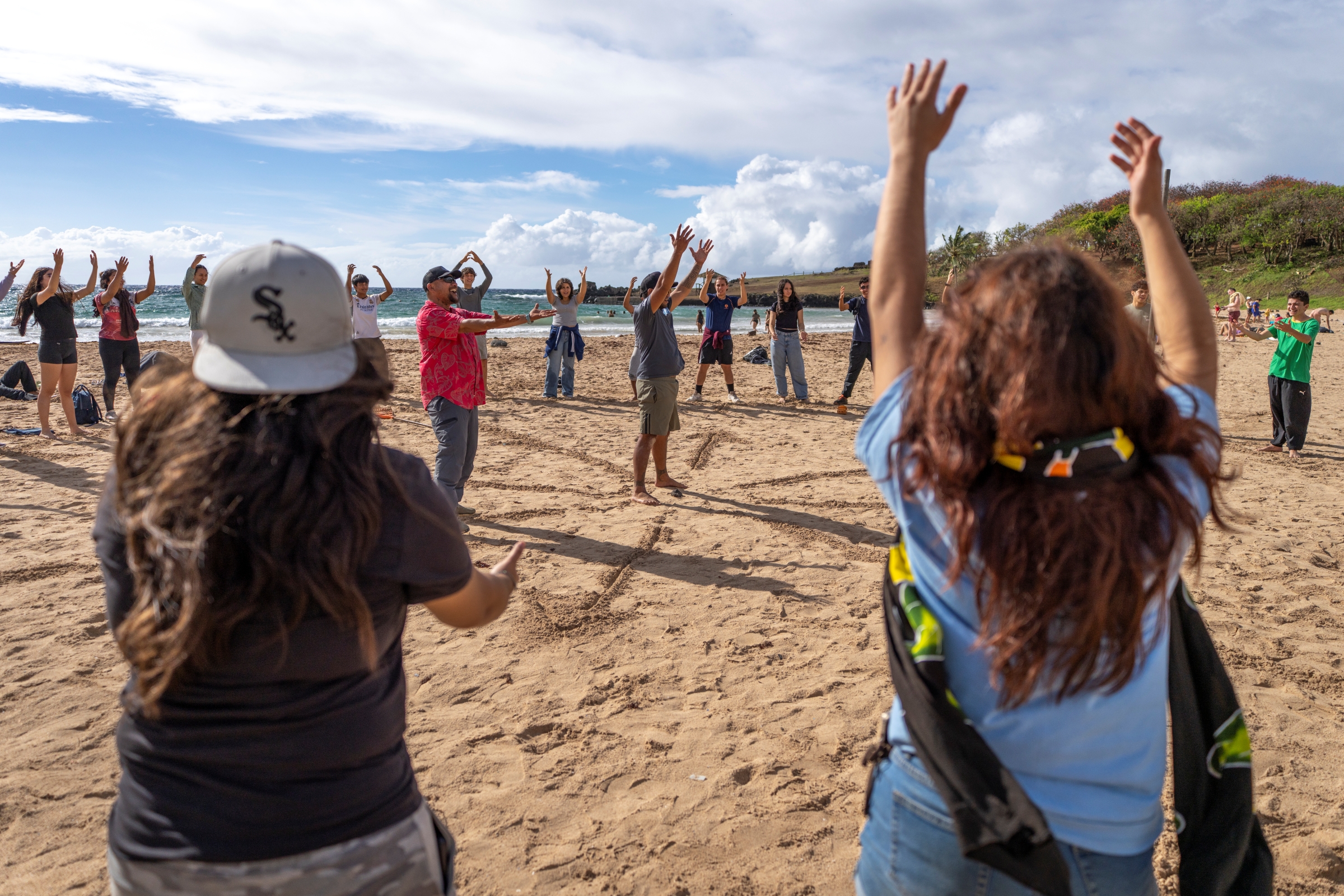


Koro Nui o te Vaikava o Rapa Nui, the ocean council of Rapa Nui, previously known as Easter Island, together with Polynesian Voyaging Society and Pacific Pwo Navigators, hosted earlier this month Te Piri māʻohi o Te Moana Nui a Hiva, a gathering of Pacific community and government leaders on Rapa Nui.
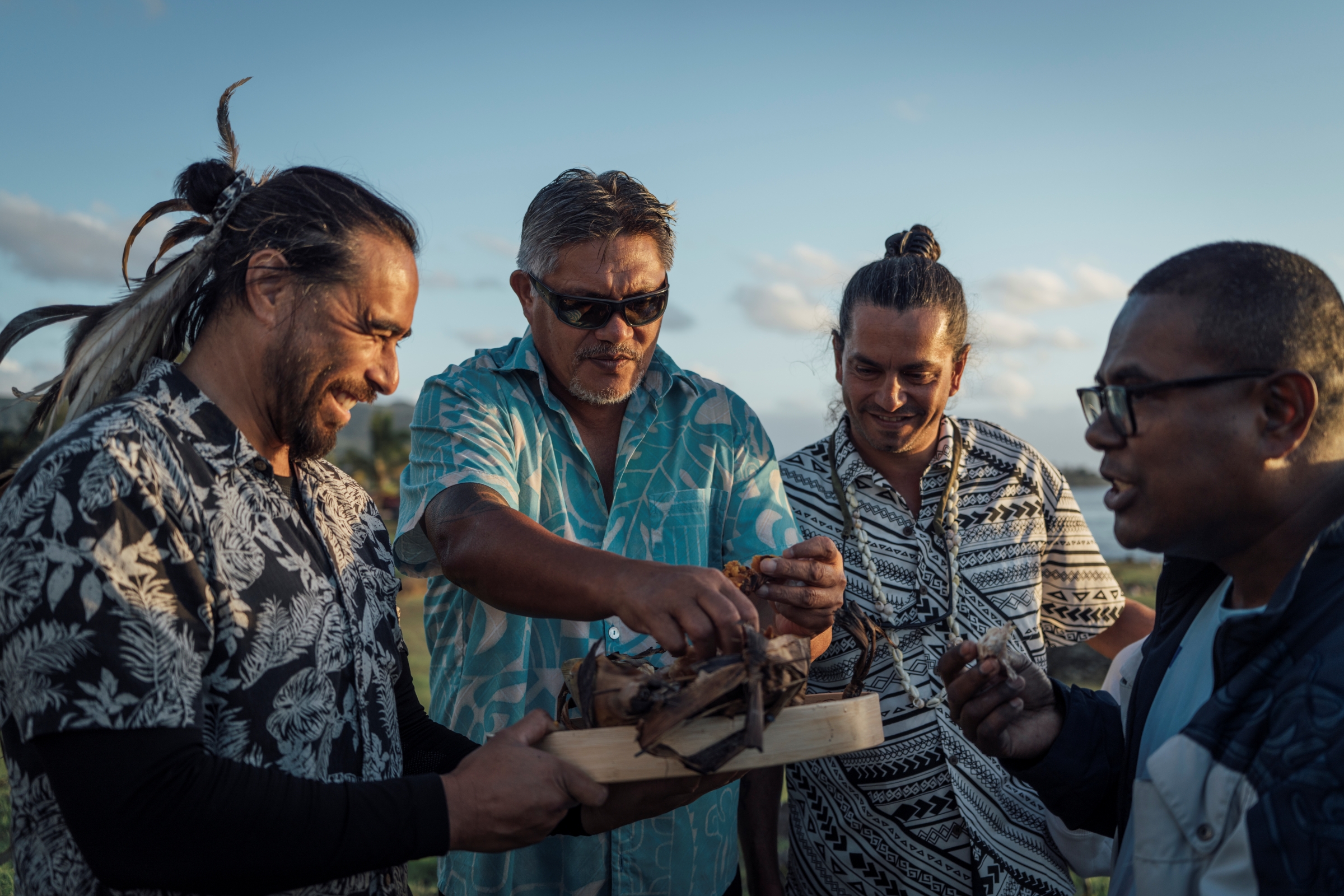
Voyaging leaders, scientists, ocean experts, cultural practitioners, community leaders and government representatives from throughout the Pacific Ocean region came together to strengthen ancestral relationships, share voyaging knowledge and collaborate on ocean conservation initiatives with a particular focus on the high seas.
Participants represented communities and organizations from New Zealand, Chile, Cook Islands, Federated States of Micronesia, Fiji, French Polynesia, Hawaiʻi, Panama, Rapa Nui, Solomon Islands, as well as Barbados, Belize and France.
The gathering provided a platform for Pacific communities to exchange traditions, practices and lessons from ancestral and modern voyaging and wayfinding.
Participants also shared experiences and best practices in marine conservation, indigenous stewardship and high seas protection efforts throughout Oceania.
“Why we’re here at Rapa Nui at this convening is to build connection through our teachers, through our stories, learn from each other around voyaging, around marine protection, about what it means to be of the Pacific,” said crew member of traditional Polynesian double-hulled voyaging canoe Hōkūleʻa and Polynesian Voyaging Society Development CoordinatorJonah Apo in a release about the special meeting. “Every time we travel these sea roads, that’s another connection, another generation of Pacific people being united.”
Voyaging communities shared insights and practical knowledge to support the Rapa Nui community as it embarks on the process of building its own deep-sea voyaging canoe.
Koro Nui o te Vaikava o Rapa Nui envisions the future canoe as a vessel for cultural revitalization, education, navigation training, ocean science and marine conservation.
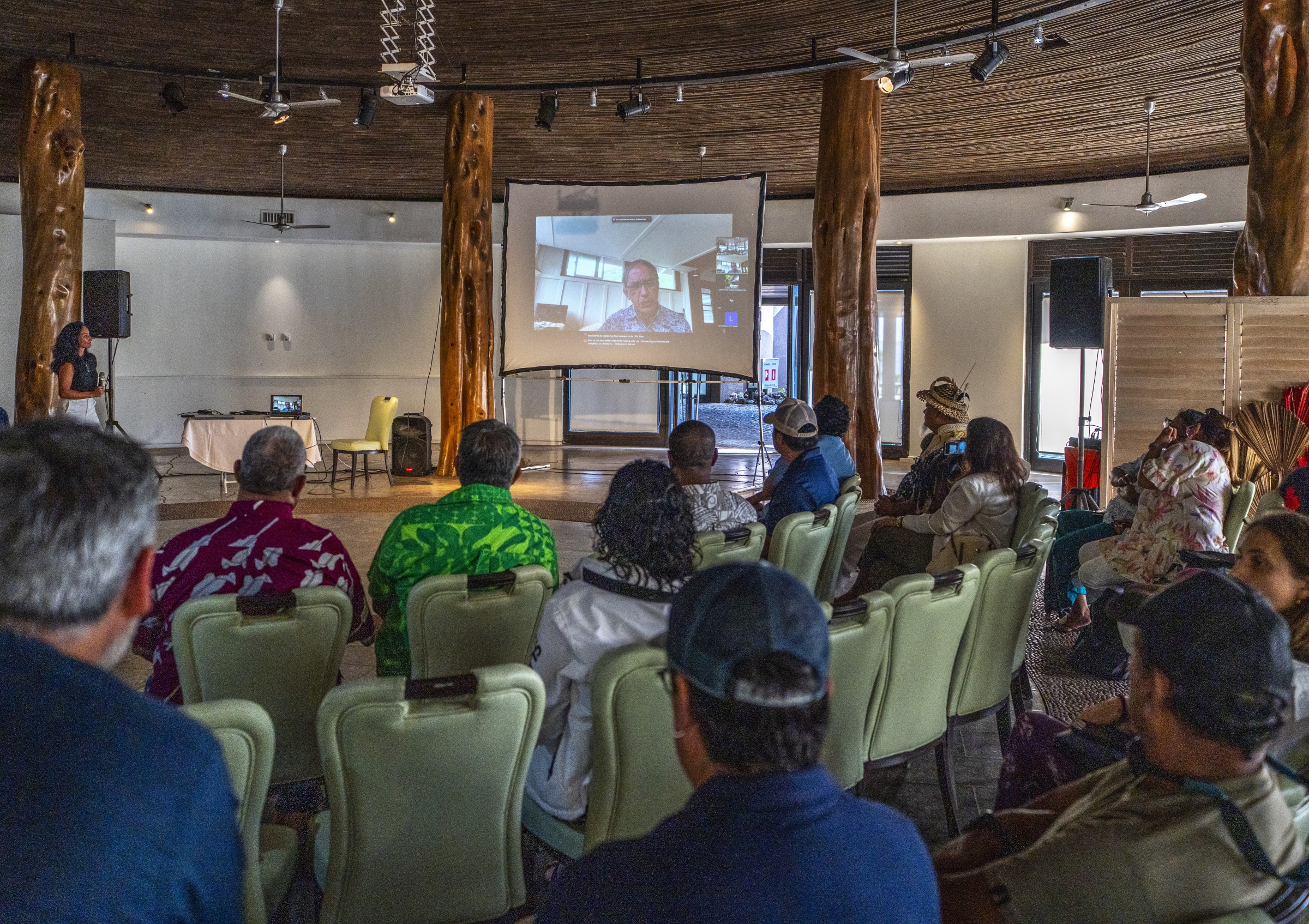
“It was crucial to us to share the importance of continuing to protect our ocean, our tupuna [ancestors], through the responsible caring of our marine protected areas,” said Koro Nui o te Vaikava o Rapa Nui President Felipe Nahoe Tepano in the release. “The highlight of this meeting for me was to feel that all of us understand the importance of protecting the ocean and the work we must do together for a better future.”
Presentations highlighted the voyaging traditions and experiences of communities in Rapa Nui, Hawaiʻi, Cook Islands, Fiji, Satawal in the Federated States of Micronesia and Solomon Islands.
Discussions also profiled community-led marine conservation initiatives, marine protected areas, governance structures for stewardship and indigenous participation in emerging international conservation frameworks, including implementation of the High Seas Treaty.
“What I find special about this gathering is the unity,” Tamahau Tangitu with Te Kura Waka in Aotearoa said in the release. “Coming together and talking about what we can do to safeguard our ocean, not only for this generation but for future generations to come.”
The event reaffirmed a collective commitment to perpetuate traditional voyaging practices while advancing collaborative ocean protection efforts throughout the Pacific.
Polynesian Voyaging Society committed to designating “envoys” between itself and Koro Nui o te Vaikava o Rapa Nui to serve as ongoing points of contact to support development of Rapa Nui’s canoe and future navigation school.
Participants also discussed concrete efforts to strengthen high seas protections throughout the Pacific region.
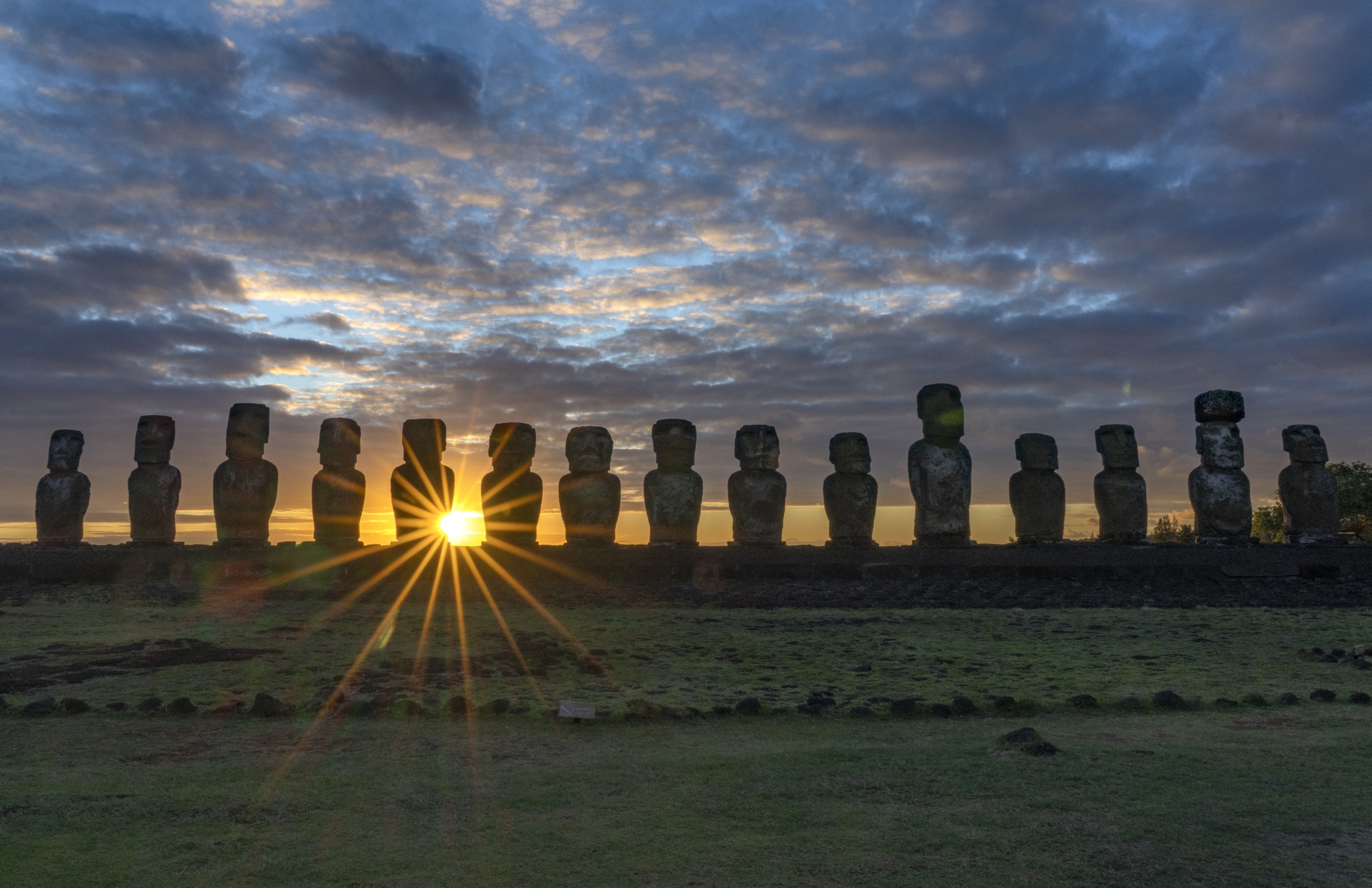
Koro Nui o te Vaikava o Rapa Nui shared ongoing work to advance protections for Hongaʻa o te Moana Nui, a proposed high seas protected area between Rapa Nui and mainland Chile encompassing the Salas y Gómez and Nazca Ridges.
The initiative seeks to integrate indigenous knowledge and cultural stewardship into conservation planning while protecting one of the Pacific’s ecologically and culturally significant ocean regions.
“This is a great moment for us. This is a seed that has been planted to reconnect,” Ludovic Burns Tuki with Koro Nui o te Vaikava o Rapa Nui said in the release. “This is the union between the Pacific, the biggest country connected by our blood.”
The final days of the meeting focused on cultural exchange and learning opportunities around Rapa Nui, including visits to archaeological and cultural sites and educational activities centered on star compass construction and traditional navigation training with local students.
Participants and organizers concluded the gathering with a renewed commitment to strengthen cultural ties, perpetuate voyaging traditions and continue collaborative efforts to care for the Pacific Ocean for future generations.
Te Piri mā’ohi o Te Moana Nui a Hiva reaffirmed a foundational Pacific principle: Building a voyaging canoe is not solely the construction of a vessel, but the building of a community grounded in stewardship, ancestral knowledge, culture, language and shared responsibility for the ocean that sustains all life.