

The hurricane season in the Central Pacific Region — which includes Hawaiʻi — starts June 1 and runs through Nov. 30.
Now is the time to prepare. Before the season begins and before you find yourself up to your neck in storm surge flooding or worse.
Hawaiʻi Gov. Josh Green last week proclaimed May 24-20 as Hurricane Preparedness Week in the Aloha State.
National Oceanic and Atmospheric Administration predicts this year’s hurricane season outlook calls for a 70% chance of an above-normal season, with 5 to 13 tropical cyclones — which include tropical depressions, tropical storms and hurricanes — possible compared with a normal season that typically sees 4 to 5 tropical cyclones.
The outlook is a general guide to overall seasonal tropical cyclone activity in the Central Pacific and does not predict whether or how many of these systems will affect Hawaiʻi.
Forecasters attribute this year’s elevated outlook largely to an impending El Niño, which is almost guaranteed to develop and likely to be strong.
El Niño–Southern Oscillation is a warming of the ocean surface, or above-average sea surface temperatures, in the central and eastern tropical Pacific Ocean — which means, again, the Aloha State is included.
Rainfall tends to become reduced over Indonesia during an El Niño phase, while it increases over the tropical Pacific Ocean.
Low-level surface winds, which normally blow from east to west along the equator, instead weaken or in some cases start blowing the other direction.
National Oceanic and Atmospheric Administration notes the forecast for the likely El Niño resembles the 2015 hurricane season, which produced record-breaking tropical cyclone activity in the Central Pacific.
“This year’s outlook is a clear reminder that we need to be ready,” said Kauaʻi Emergency Management Agency Administrator Elton Ushio in a press release urging the public to be prepared for the upcoming hurricane season. “An above-normal season raises the odds, but it only takes one storm to seriously impact our island.”
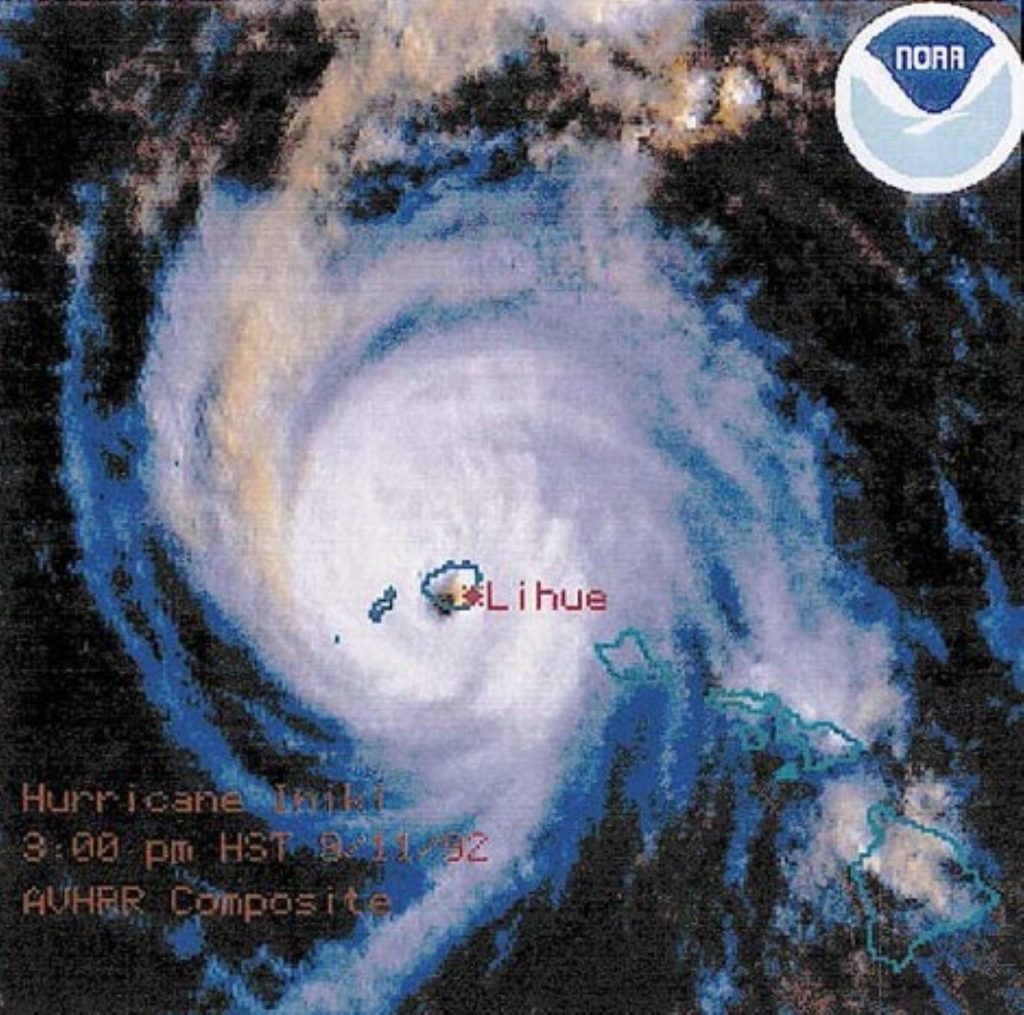
Think Hurricane Iniki in 1992. Or Hurricane Iwa in 1982. Both also were during an El Niño.
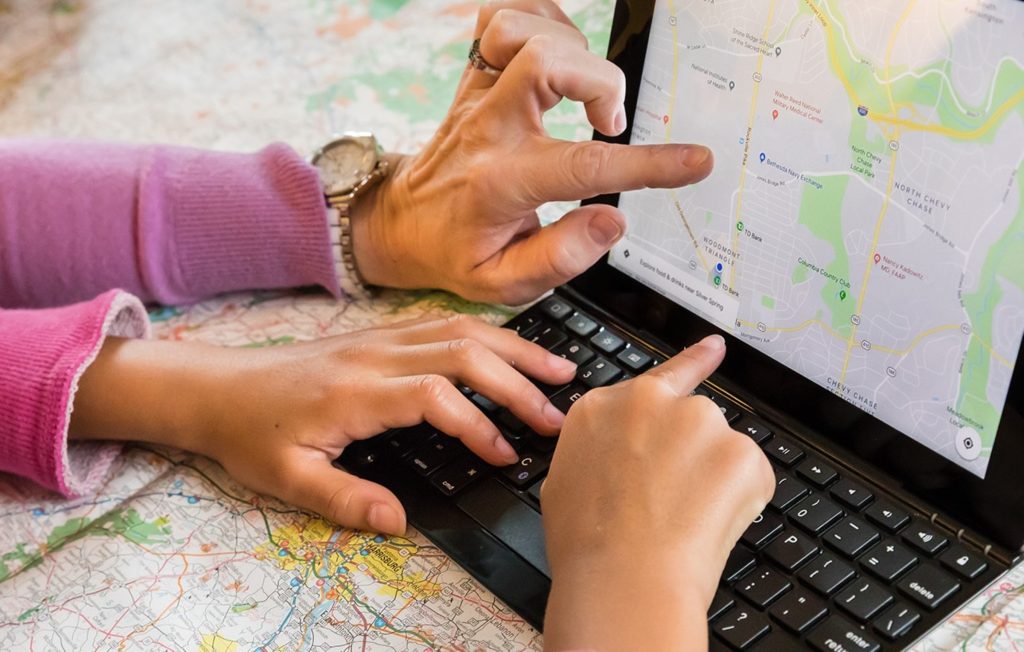
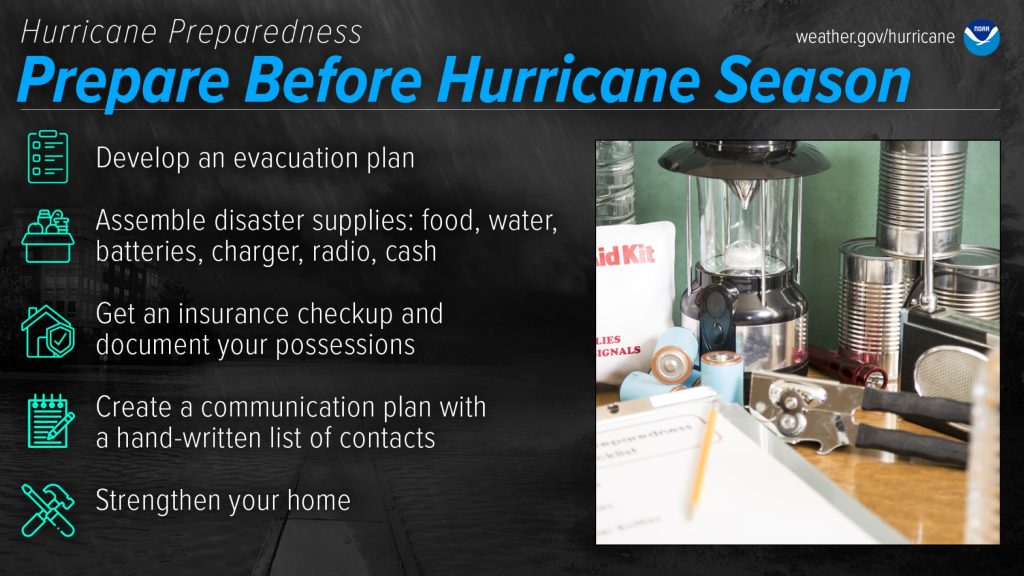
“We strongly encourage every household, business and visitor to take time now to build or refresh an emergency kit, review your family plan and know your evacuation route,” Ushio said. “Preparation is the single most important step in keeping yourself, your loved ones and your neighbors safe.”
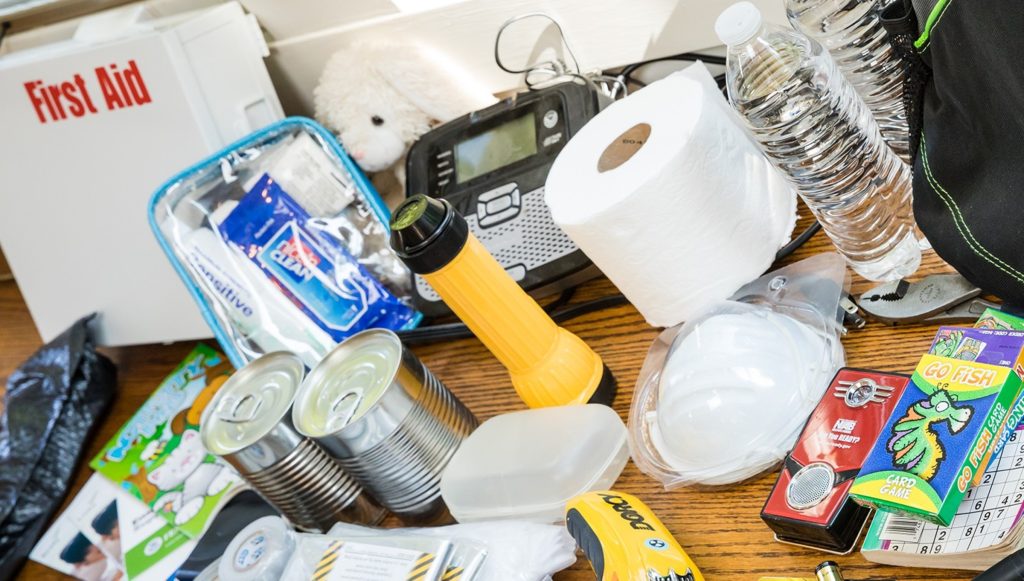
Disaster kits should include:
- At least a 14-day supply of non-perishable food.
- 1 gallon of water per person per day.
- A battery-powered radio.
- A flashlight with extra batteries.
- An extra supply of prescription medicines.
- Important documents in a waterproof container.
- Cash in small bills.
- Other items specific to individual and family needs, including those for keiki, kūpuna, pets and people with access and functional needs.
Central Pacific Hurricane Center continuously monitors weather conditions, employing a network of satellites, land- and ocean-based sensors and aircraft reconnaissance missions operated by National Oceanic and Atmospheric Administration and its partners.
- Complex computer modeling and human expertise are the basis for the hurricane center’s track and intensity forecasts that extend out 5 days.
- Central Pacific Hurricane Center issues a hurricane or tropical storm watch when hurricane or tropical storm force winds are possible within 48 hours.
- A hurricane or tropical storm warning is issued when hurricane or tropical storm force winds are expected within 36 hours.
Residents and visitors should listen to their local radio or TV stations when watches or warnings are issued and monitor local internet media and websites for official weather information and instructions from emergency management officials.
Information about planning and preparation for hurricane season is available at the Kaua‘i Emergency Management Agency website, Hawai‘i Emergency Management Agency website and Central Pacific Hurricane Center website.
Visit the Kaua‘i Emergency Management Agency website and click on “Notification Services” to sign up for Kaua‘i County’s free emergency notification service.
Those without internet access can have their phone number and other pertinent information added to the county’s database by contacting Kauaʻi Emergency Management Agency at 808-241-1800 or via email at KEMA@kauai.gov.
 Courtesy Image: U.S. Department of Homeland Security Ready.gov website)
- Courtesy Image: U.S. Department of Homeland Security Ready.gov website)