


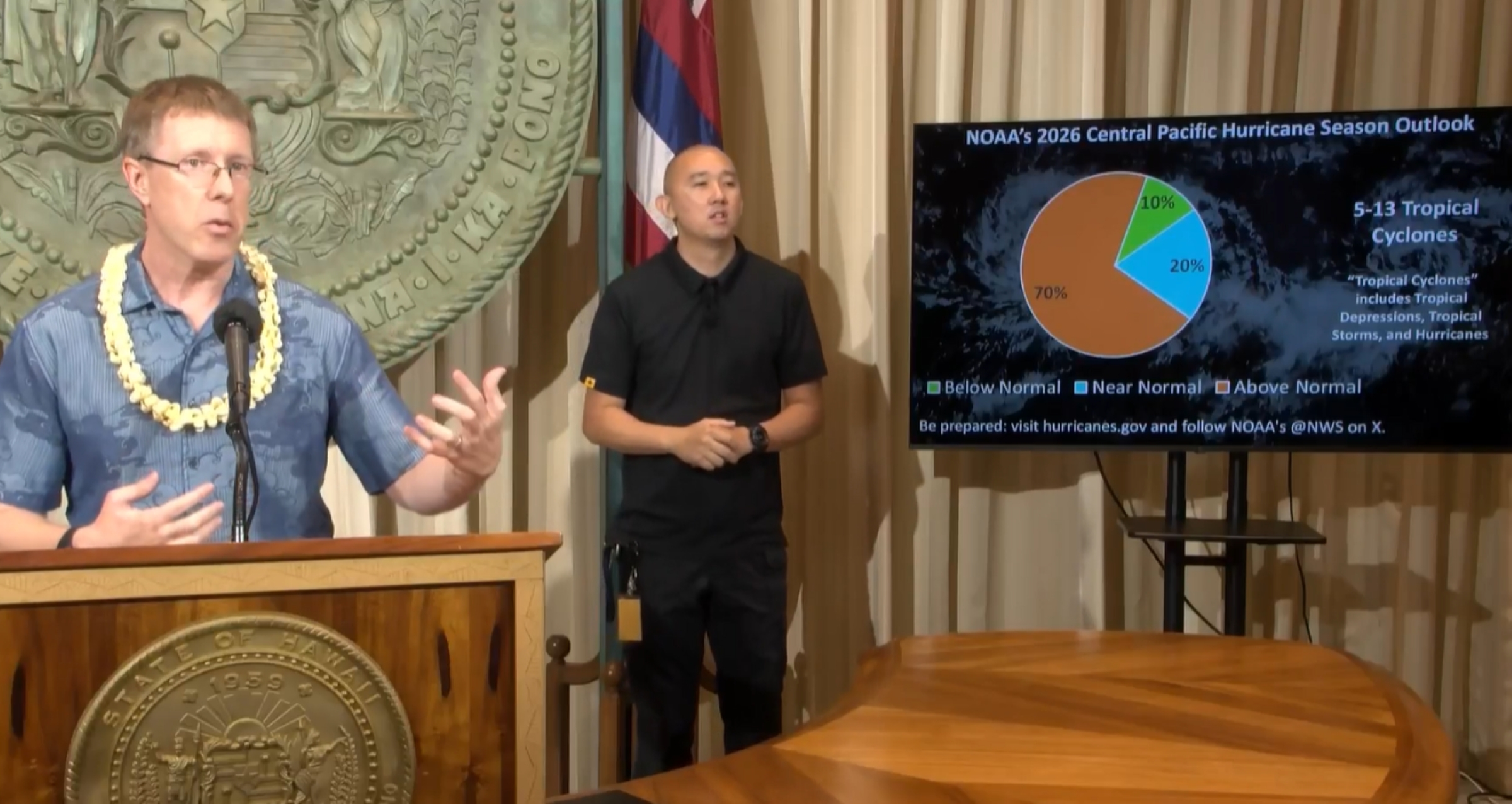
Forecasters predict there could be between five and 13 tropical cyclones — which include tropical depressions, tropical storms and hurricanes — in the Central Pacific during its 2026 hurricane season that runs June 1 through Nov. 30.
An average hurricane season sees four to five tropical cyclones.
“So we’re looking for the potential of a very busy year,” said John Bravender, warning coordination meteorologist with the National Weather Service Honolulu forecast office, during a press conference on Thursday, May 21.
The outlook announcement was made at the state Capitol hosted by Hawai‘i Gov. Josh Green, and with emergency management/civil defense officials from around the state.
There is a 70% chance for an above-normal hurricane season this year compared with a 20% chance for a normal season and just 10% chance for a below-normal season.
Normally, maybe 1 or 2 tropical cyclones develop within the Central Pacific while most others that come through the region — if any — move in from the East Pacific. But Bravender warned that with an above-average year likely on tap, more storms in 2026 could develop within the Central Pacific, leading to faster onset times and less time to prepare.
Officials urge residents to take the opportunity now to get ready.
“It’s a year-round activity. You should always be prepared,” Bravender said. “We’ve had flooding during the wet season. We’ve had wind storms. You could have a tsunami any time of the year. It’s important to have your supplies on hand.”
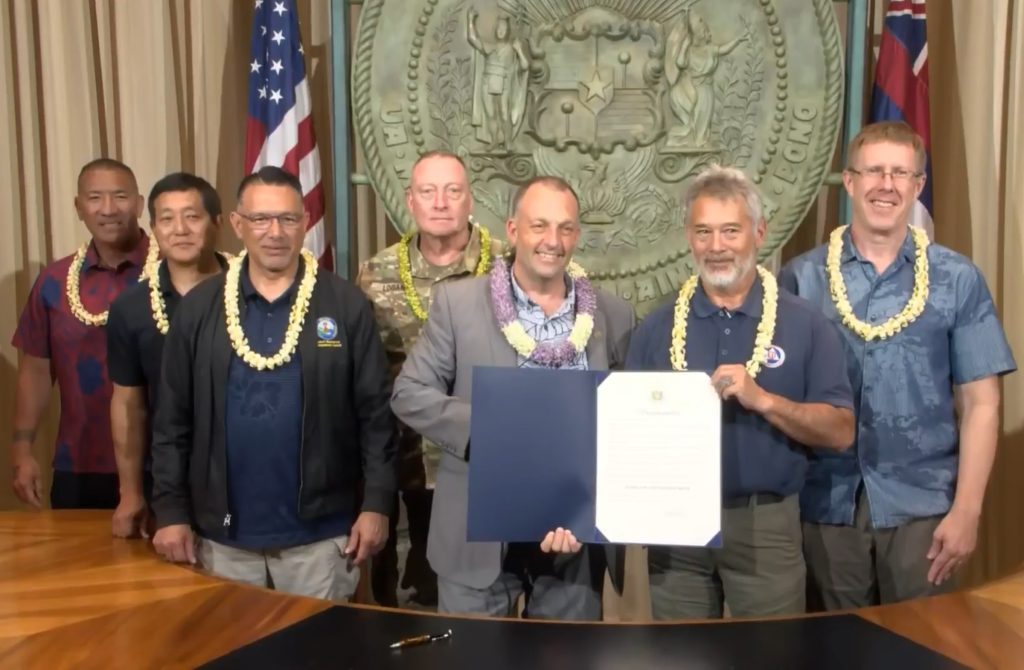
That was the main message running throughout the entire press conference, which also included Green signing a proclamation formally designating May 24-30 as Hurricane Preparedness Week in Hawai‘i.
“It is a serious thing to think about a hurricane,” the governor said. “This is the season coming upon us. … Preparedness is the most important thing we can do. It’s your kuleana (responsibility) to be ready. The government will be ready, too.”
While the hurricane season outlook doesn’t predict storm landfalls or how strong storms will be, the more storms predicted, the more chances there are for major impacts.
The best thing people can do is to be ready at home, having 14 days of supplies, water and medications — just in case the worst-case scenario happens.
Make sure all essential documents for each member of the household are safe and can be found in case the home gets damaged or flooded, as it’s difficult to get those documents back quickly.
Know where to go and who to talk to first in the event evacuation is necessary.
And be sure to sign up for severe weather and other disaster alerts and notifications from the state and your county to keep you updated as quickly as possible.
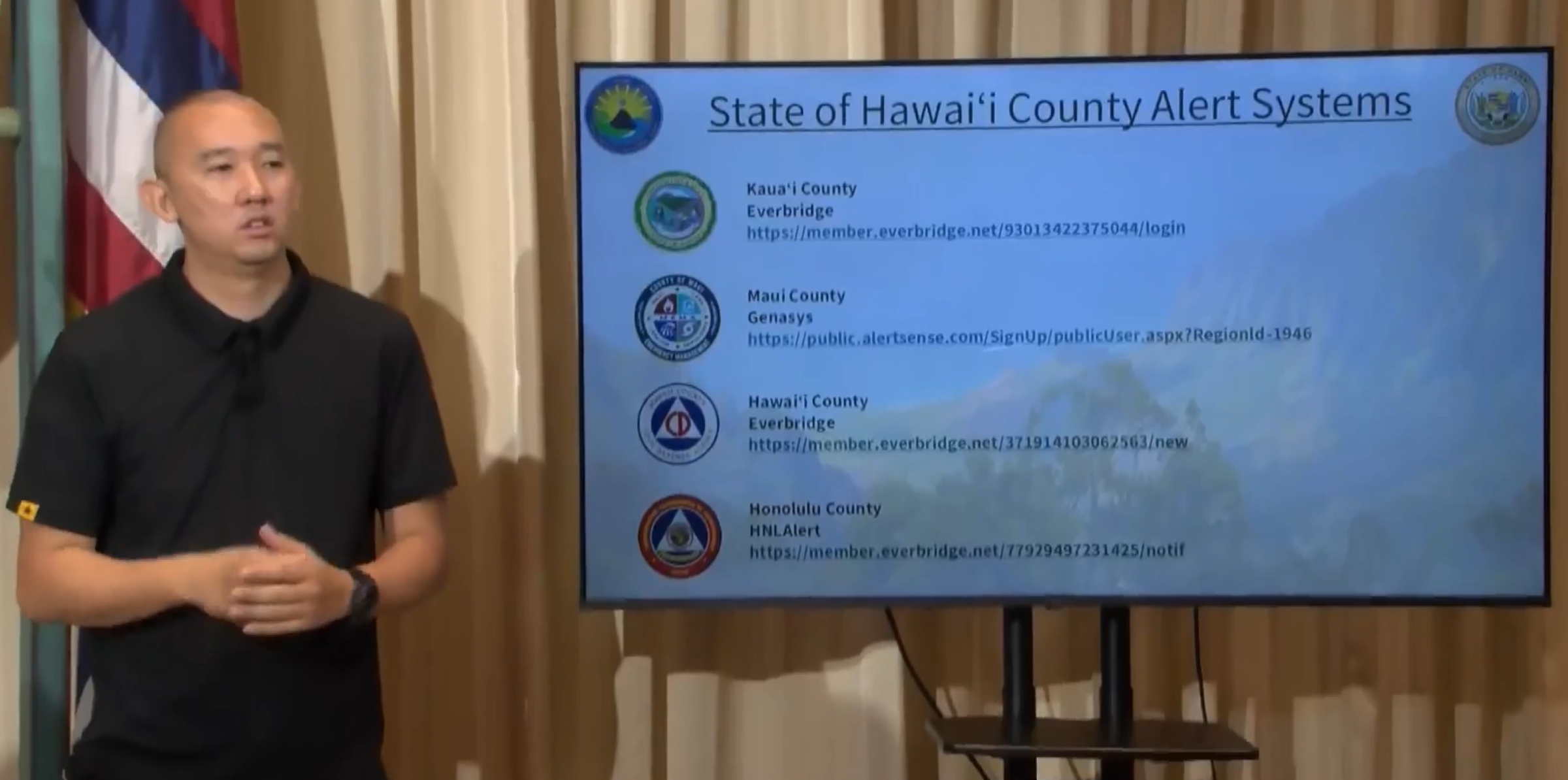
Garden Isle residents can click here to sign up for Kaua‘i County Emergency Management advisories. Residents of Hawai‘i County can click here to sign up for Hawai‘i County Civil Defense messages.
Sign up here for state alerts. You also can find additional information such as radio stations and National Oceanic and Atmospheric Administration Weather Radio frequencies for each island.
“They will come before storms hit, but also, they give you a lot of essential updates,” Green said about the alerts from state and county agencies, adding recovery can happen much more quickly if big damage can be avoided up front.
Officials also encouraged residents to sign up for apps from their local media outlets and check their websites, which also publish alerts and notifications during severe weather and other disasters.
The governor, a physician, likened getting the alerts and most updated information to avoiding becoming sick and needing to go to the hospital by having and taking prescribed medications to fight the illness.
Green said the state in recent years has seen firsthand how quickly the weather can change in just a few hours.
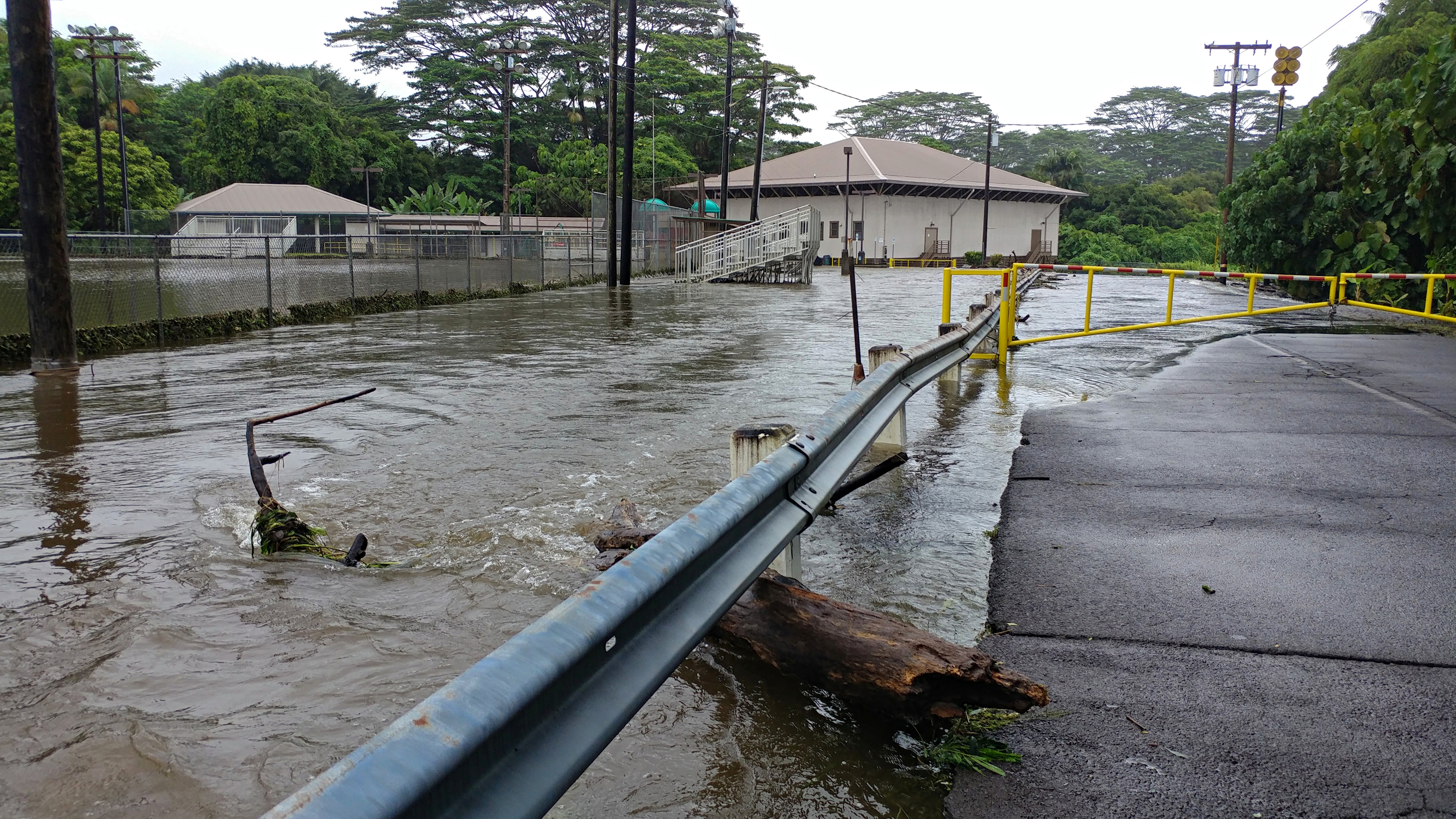
The back-to-back kona low storms from May 10 to 24 are the most recent examples, causing destruction and major flooding in several areas throughout the state.
The August 2023 Maui wildfires, part of which led to the devastation of historic Lahaina on the leeward side of the Valley Isle, killed more than 100 people. The fire was fanned by a hurricane that didn’t even make landfall in the islands, staying offshore to the south of the state while pushing severe winds of more than 70 mph down the mountain, spreading the embers of destruction.
Hurricane Lane in 2018 drowned portions of the Big Island with about 60 inches of rain.
 Hawai‘i Gov. Josh Green, center in gray jacket, on Thursday, May 21, 2026, during a press conference at the state Capitol in Honolulu signed a proclamation designating May 24-30 as Hurricane Preparedness Week in Hawai‘i. (Screenshot: Press conference video)
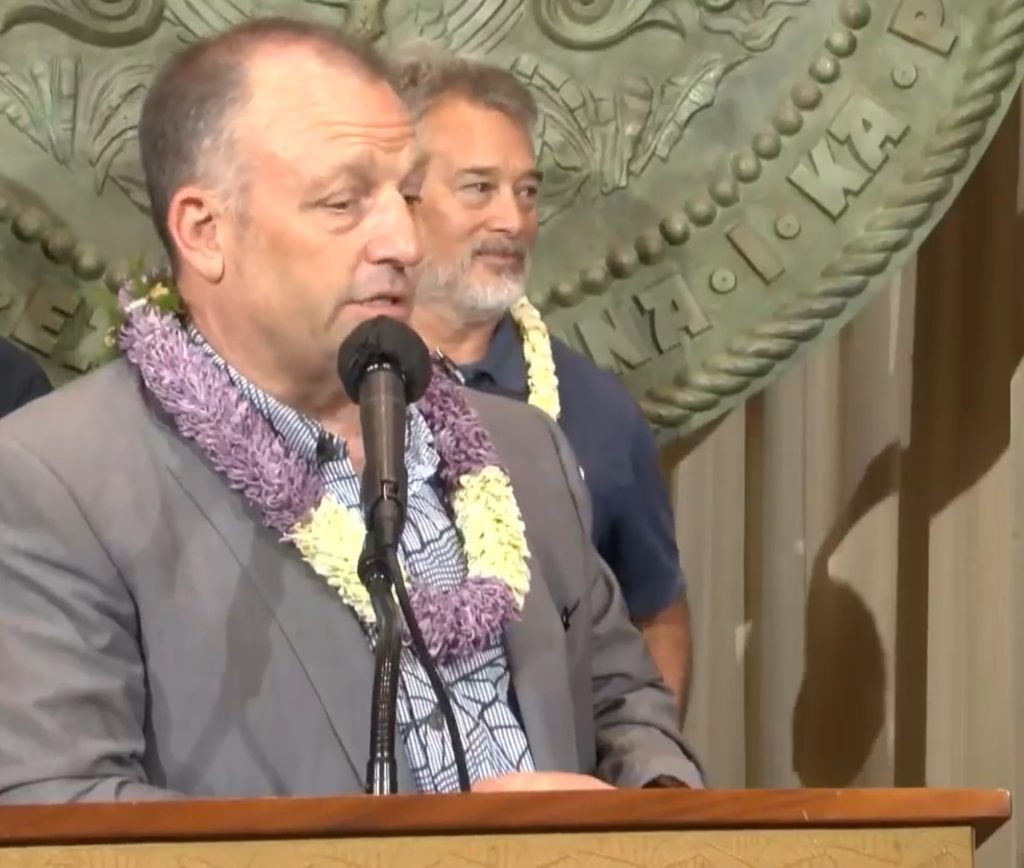
- Hawai‘i Gov. Josh Green speaks as Hawai‘i County Civil Defense Administrator Talmadge Magno watches behind Thursday, May 21, 2026, during a press conference at the state Capitol in Honolulu to announce the outlook for this year’s Central Pacific hurricane season. (Screenshot: Press conference video)

“Devastating severe weather has hit us, and preparation can never be understated,” Green said. “Our geography makes preparedness even more important because we are the most isolated populated land mass on the planet here. And if we ever had a severe hurricane come and take out our harbor, we would be on our own for a while.”
All tropical cyclones — whether a depression, storm or hurricane — are serious and can cause major damage, including flooding and loss of life.
A 2026 hurricane season expected to be very active combined with the people, families and businesses continuing to reconstruct their lives in the parts of the state hardest hit by severe flooding and other impacts from the March kona lows is an even more precarious situation.
“This is what we’re up against this year,” Green said.
Strengthening emergency management, as seen during past disasters, has been the community response. The state and counties want to include and encourage community members, families, friends and neighbors — especially in the most isolated places in the state — to continue helping each other.
“We really look at that aloha spirit [as] at the core of our preparedness — how we help one another, how we help our neighbors,” said Hawai‘i Emergency Management Agency Director James Barros, adding the state encourages communities to work with his agency and their own county emergency management/civil defense agency for an even better disaster response.
Bravender offered a message forecasters and officials tell the public every year before, during and after hurricane season.
“All it takes is one,” he said. “We always prepare for that one impact from hurricane season, and this year, we might have many opportunities to prepare for that one hurricane.”
Green said impacts from a storm can shape people’s lives for years after.
While everyone hopes any storms that do come through the Central Pacific miss Hawai’i completely, the governor said the state and its counties will be ready if — and when — they approach.
He also took one more opportunity to really send home the message of the day before signing his proclamation for Hurricane Preparedness Week, again urging Hawai‘i residents to “please be prepared.”
Watch for upcoming additional hurricane season and Hurricane Preparedness Week coverage — including a dive into what is influencing the above-normal tropical cyclone outlook for the Central Pacific — right here at Big Island Now.