


University of Hawaiʻi recently welcomed about 50 international diplomats to the summit of Mauna Kea and ʻImiloa Astronomy Center at University of Hawaiʻi at Hilo on the Big Island.
The visit, coordinated through the U.S. Department of Defense’s annual Defense Attaché Orientation Program, offered the diplomats the opportunity to learn how University of Hawaiʻi researchers and international partners help drive some of the world’s most important astronomical discoveries, from distant exoplanets and mysterious brown dwarfs to black holes, advanced robotic optics technology and some of the farthest known objects in the universe.
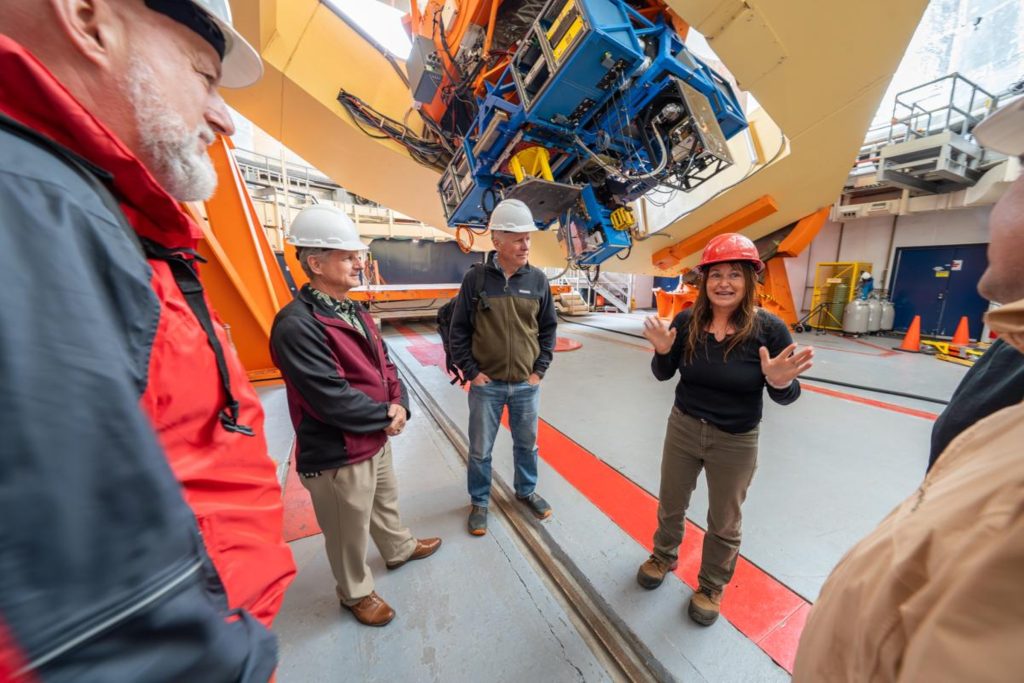
“Mauna Kea has become a model for how nations can work together in the pursuit of knowledge,” said University of Hawaiʻi Institute for Astronomy Director Doug Simons in a release about the visit. “The discoveries made here belong to all humanity.”
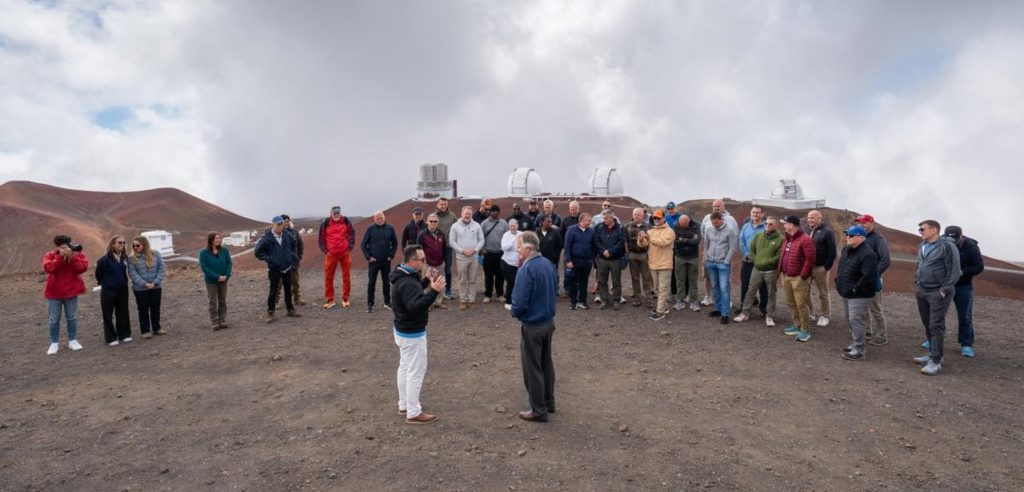
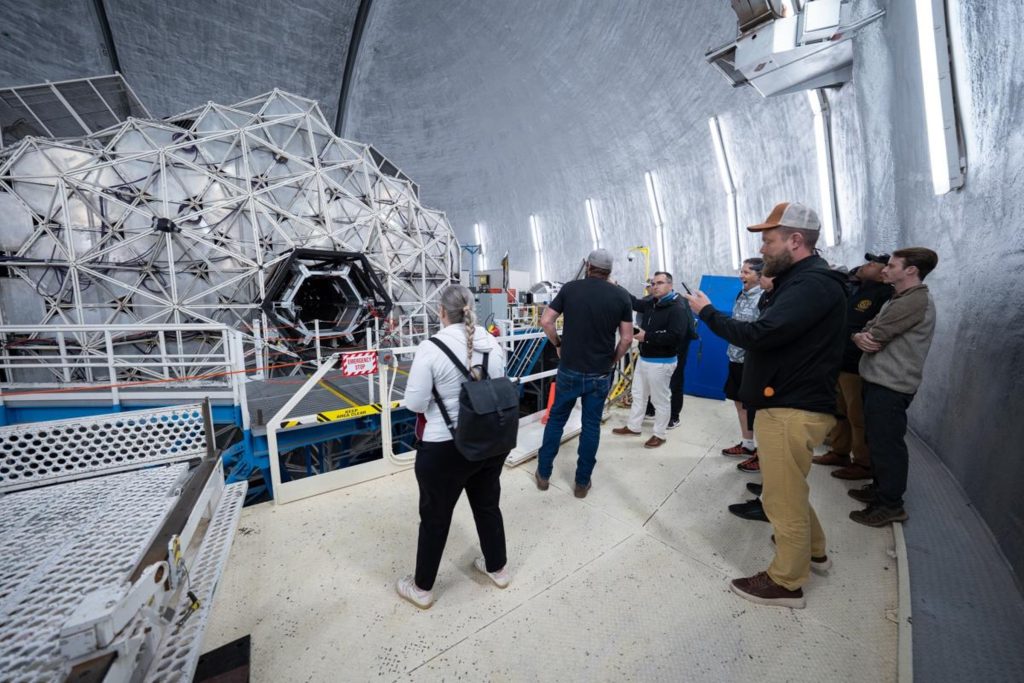
Teams from the Maunakea Observatories such as W. M. Keck Observatory, Canada-France-Hawaiʻi Telescope, Subaru Telescope and University of Hawaiʻi NASA Infrared Telescope Facility guided diplomats through observatory facilities atop the Mauna Kea summit.
Hawaiʻi astronomy consistently ranks No. 1 in the world in science impact and output.
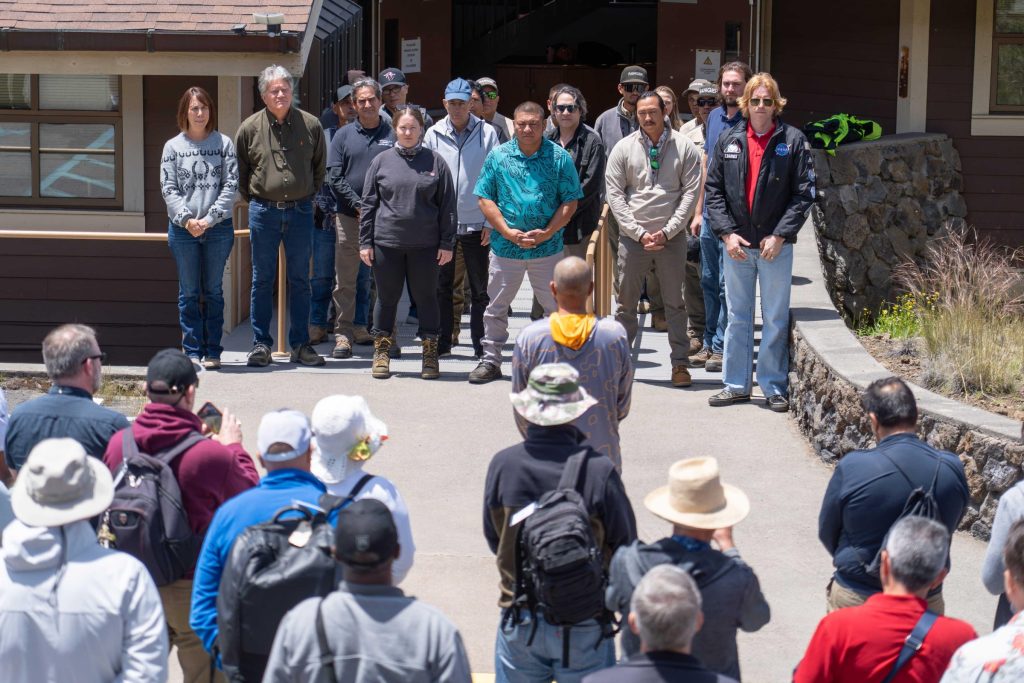
The group was welcomed at Hale Pōhaku, located at the mid-level elevation on Mauna Kea, with oli and cultural protocol led by staff from University of Hawaiʻi at Hilo Center for Maunakea Stewardship.
It offered diplomats an introduction to the cultural significance of the mauna before continuing their visit.
Staff also shared the mountain’s environmental and cultural significance, restoration projects and ongoing stewardship work. Diplomats learned about continued efforts by the university to responsibly decommission telescopes as part of its long-term stewardship commitments.
“Our responsibility is to care for this mauna thoughtfully and respectfully,” said Center for Maunakea Stewardship Executive Director Greg Chun in the release. “Stewardship guides every part of the work happening on Mauna Kea, from protecting natural and cultural resources to supporting world-class science.”
Diplomats were greeted with Hawaiian chant and lei during the stop at ʻImiloa.
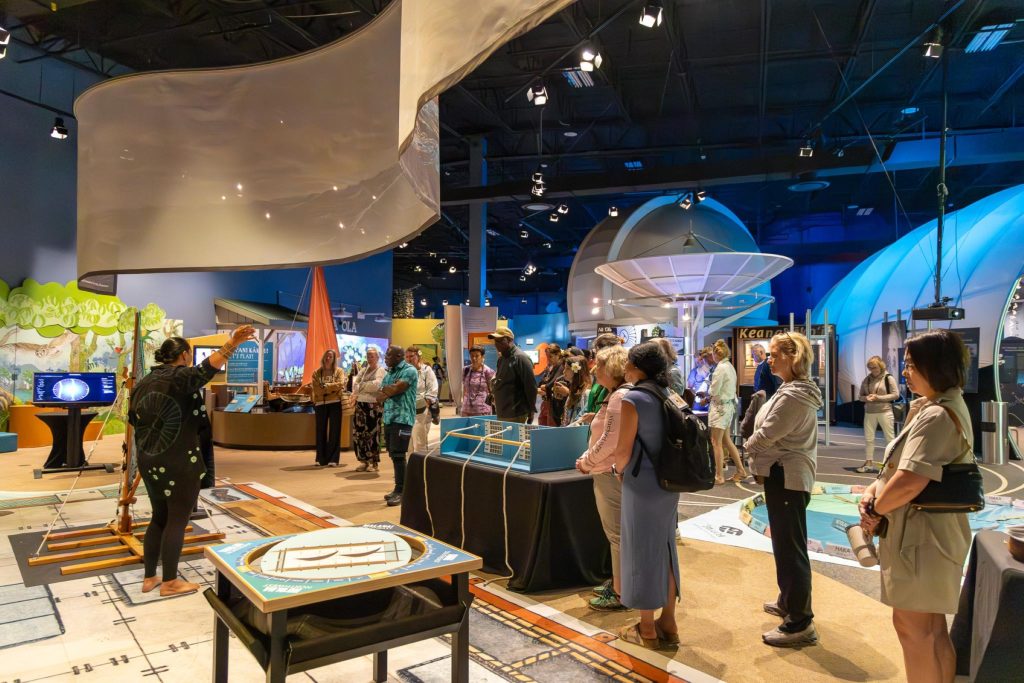
Staff and students led them through an engaging exploration of Polynesian wayfinding and navigation. Hands-on activities included traditional knot tying and an exploration of Hawaiian canoe, or waʻa.
 Diplomats got a firsthand look at Polynesian wayfinding at ʻImiloa Astronomy Center in Hilo on the Big Island. (Courtesy Photo: University of Hawaiʻi)
- Diplomats learned how University of Hawaiʻi and global partners are advancing astronomy. (Courtesy Photo: University of Hawaiʻi)
- Center for Maunakea Stewardship staff welcomed visitors with cultural protocol. (Courtesy Photo: University of Hawaiʻi)
- Observatory teams led diplomats through Mauna Kea facilities. (Courtesy Photo: University of Hawaiʻi)

It was the first encounter with the tradition of Polynesian navigation for many in the group and recognition of Hawaiians as among the world’s first astronomers, a story that clearly resonated as guests lingered over exhibits and engaged in lively conversation with staff.
“This is a place where Hawaiʻi’s culture and international scientific perspectives come together in ways that deepen and strengthen one another,” said ʻImiloa Astronomy Center Executive Director Kaʻiu Kimura in the release. “We wanted our guests to understand the profound cultural significance of Mauna Kea and the shared responsibility that comes with caring for a place of such importance.”