


Several lawmakers reached across the aisle at the U.S. Senate to introduce bipartisan legislation that would produce high-quality data about where general surgeons are in short supply throughout the country — including Hawai‘i.
U.S. Sens. Brian Schatz of Hawai‘i, Maria Cantwell of Washington state and Amy Klobuchar of Minnesota, all Democrats, along with Republicans John Barrasso of Wyoming and Roger Marshall of Kansas together proposed the Ensuring Access to General Surgery Act.
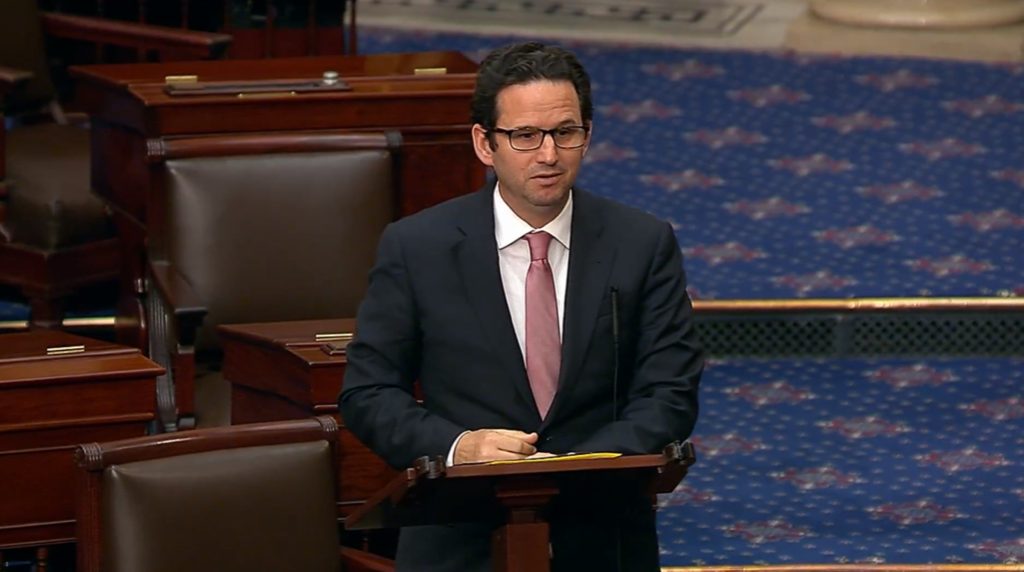
It comes at a particularly critical time in the Aloha State.
“We have a doctor shortage crisis in Hawai‘i, and it’s having a real impact on families living in hard-to-reach areas across the state,” said Schatz in a press release about the new legislation. “Our bill will help us better understand where the shortages exist so that we can work to bring more doctors and surgeons to the communities that need them most.”
The need for general surgeons is especially high in rural and other underserved communities.
There is a 14% shortage of surgeons in Hawai‘i overall. Hawai‘i Island alone has a 40% shortage, forcing many residents to travel off-island to receive care they need.
“Access to a sufficient number of general surgeons is literally a matter of life or death for the residents living in rural areas of the state of Hawai‘i, especially the 30% of the population that live on islands separated by the ocean from the urban population center of Honolulu,” said Hawai‘i Health Systems Corporation President and Chief Executive Officer Edward Chu in the release. “As the primary provider of health care to the rural communities in Hawai‘i, we believe that this legislation will be critical in ensuring that the residents of our unique island communities have the access to healthcare services that they deserve.”
The Ensuring Access to General Surgery Act would direct U.S. Department of Health and Human Services to conduct a study on access to general surgeons by underserved populations and designation of general surgery shortage areas.
Such an area is defined as an urban, suburban or rural area with a population underserved by general surgeons.
“The [United States] has long noted the severe shortage of primary care in rural areas, and general surgery goes along with this,” said University of Hawaiʻi John A. Burns School of Medicine Hawai‘i/Pacific Basin Area Health Education Center Director Dr. Kelley Withy in the release. “Without a surgeon available, something as simple as a gall bladder infection or appendicitis can kill you.”
American College of Surgeons Executive Director and Chief Executive Officer Dr. Patricia Turner said in light of growing evidence demonstrating a maldistribution of general surgeons, her organization thinks additional research is necessary to better understand where critical shortage areas exist.
Determining where patients lack access to surgical services and designating a formal surgical shortage area will provide the U.S. Department of Health and Human Services with a valuable new tool for increasing access to the full spectrum of high-quality health care services.
“Incentivizing general surgeons to locate or remain in communities with workforce shortages is critical in guaranteeing all patients, regardless of geographic location, have access to quality surgical care,” said Turner in the release.