


Blood-based markers that could improve early, less invasive detection of inflammatory breast cancer, or IBC, were identified by researchers at University of Hawaiʻi Cancer Center.
The discovery — recently published in Science Advances and conducted in collaboration with MD Anderson Cancer Center and University of Texas at Austin — offers a potential new blood test to diagnose the disease sooner, monitor its progression and support the development of more targeted treatments for patients facing this fast-moving form of cancer.
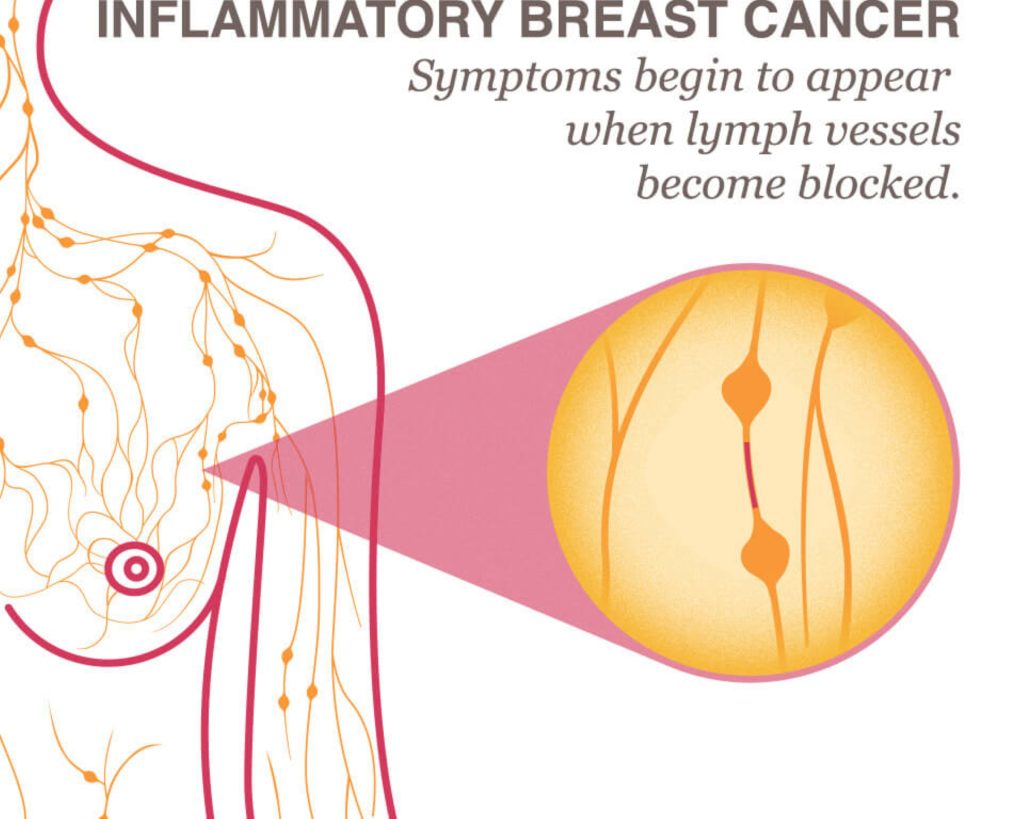
Inflammatory breast cancer is a highly aggressive type of breast cancer that is historically difficult to distinguish from other forms because it does not show clear genetic differences.
Researchers used a specialized sequencing technology to analyze ribonucleic acid, or RNA — which contains genetic instructions — found in blood samples.
They examined tumor and blood samples, identifying signals that could improve detection and monitoring of inflammatory breast cancer.
In the past, identifying specific markers for the aggressive cancer was challenging because the disease closely resembles other cancers in standard tests. In this study, researchers used a specialized sequencing method known as TGIRT for this study. It is better at capturing complex and fragmented genetic material.
Their findings suggest doctors could eventually be able to monitor the disease through simple blood tests rather than tissue biopsies. Those markers could also help guide the development of new therapies tailored to this aggressive cancer.
The study was led by University of Hawaiʻi Cancer Center Director Naoto Ueno, MD Anderson professor of anatomic pathology Savitri Krishnamurthy and University of Texas at Austin professor of oncology Alan Lambowitz.
Ueno and associate researcher Xiaoping Wang of University of Hawaiʻi Cancer Center initiated the collaboration that led to the discovery.
“The project began with simple curiosity and a lot of hard work,” said Ueno in announcing the new study and its findings. “I first heard about this technology from a friend and was inspired by Dr. Lambowitz’s vision. At first, many people didn’t think we could find biological differences between this cancer and others just by looking at a blood sample.”
Despite early skepticism from colleagues, Ueno and Wang continued their work.
Their success underscores the importance of teamwork and persistence in advancing understanding of the disease and developing more effective treatments.
“Our discussions with Dr. Lambowitz’s team helped us better understand the findings and improve the experiments along the way,” added Wang in the announcement. “Together with support from the clinical team at MD Anderson, these efforts ultimately led to the discovery of a promising blood biomarker that may help diagnose this aggressive and deadly disease.”