



The latest Homeless Point-in-Time Count conducted on Kauaʻi shows the island has made some progress, with more people who had been living on the streets or their cars moving into shelters over the past two years.
On the Garden Isle, 76 individuals were sheltered in 2026 compared to 59 in 2024. Unsheltered families decreased slightly from 22 in 2024 to 19 in 2026.
Makana Kamibayashi, Chair of the Kauaʻi Community Alliance., said the progress made is meaningful, with the overall unsheltered homelessness decreasing by 5% and unsheltered family homelessness decreasing by nearly 26%.
“At the same time, the increase in the sheltered count suggests that more individuals and families are successfully connecting to shelters, housing resources and supportive services,” Kamibayashi said.
The data collected during the count conducted on the Neighbor Islands on Jan. 25 was presented Wednesday during a press conference on the Big Island. It is a federally mandated annual census conducted by nonprofit partners on the Neighbor Islands of Kauaʻi, Maui and Hawaiʻi Island.
The annual census showing over the past two years a modest 2% combined reduction on the three islands in total homelessness, both people who are staying in shelters and other types of temporary housing, and those living on the streets.
But despite this progress, there still remains nearly 2,000 people living without permanent housing on the three islands. The number of people identified without having permanent housing went from 1,895 people in 2024 to 1,863 people this year.
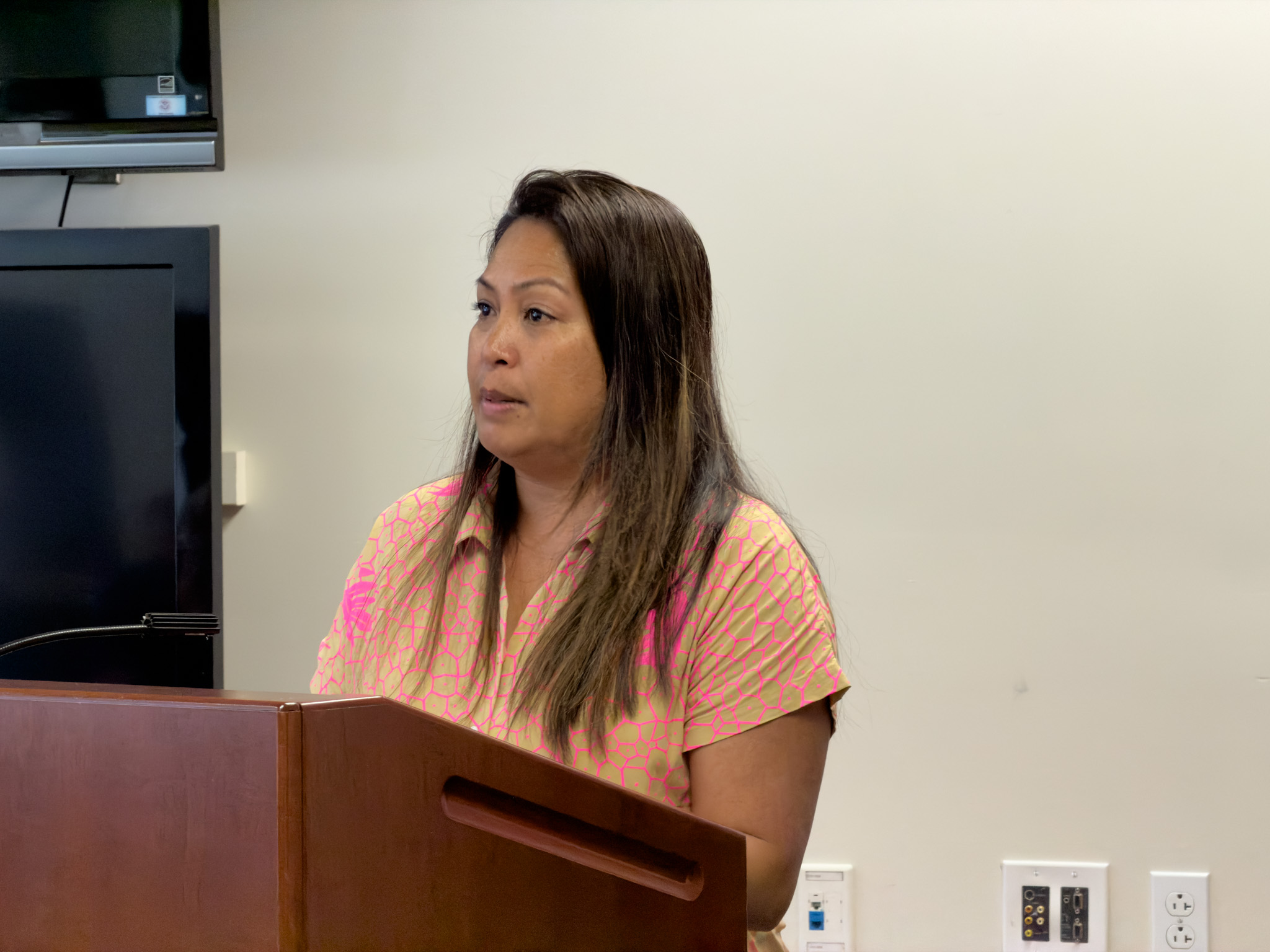
The Homeless Point-in-Time Count, collected by Bridging The Gap, a coalition of agencies dedicated to ending homelessness on the neighbor islands, was designed to identify every individual sleeping on the streets, in vehicles, or in other areas not meant for human habitation. This year, volunteers and outreach workers canvassed across Maui, Kauaʻi, and Hawaiʻi Island, asking unsheltered residents, “Where did you sleep on the night of January 25, 2026?”
During the press conference in Kona, partners from the Big Island, Kaua‘i and Maui came together for a press conference to announce the data collected in January. Click here for the full report.
See the Neighbor Island homelessness Point-in-Time Count stats below:
- 2% reduction in total homelessness, sheltered and unsheltered, from 1,895 people to 1,863 people.
- 10% reduction in sheltered homelessness, a decrease of 61 people from 619 in 2024 to 558 in 2026.
- 2% increase in unsheltered homelessness, from 1,276 people in 2024 to 1,305 people in 2026.
- 6% reduction in family households experiencing homelessness, sheltered and unsheltered, from 133 family households in 2024 to 125 family households in 2026.
See the Point-in-Time Count data for Kaua‘i County below:
- Total homelessness (sheltered and unsheltered) decreased by 1% (from 523 in 2024 to 516 in 2026).
- Unsheltered homelessness decreased by 5% (from 464 in 2024 to 440 in 2026).
- Sheltered homelessness increased by 28% (from 59 in 2024 to 76 in 2026).
- Chronic homelessness increased by 8% (from 156 in 2024 to 169 in 2026).
Data on Kaua‘i showed an uptick in chronic homelessness by 8%, from 156 in 2024 to 169 in 2026.
“While the rise in chronic homelessness reminds us that many people still require intensive, long-term support, these results demonstrate the positive impact of coordinated community efforts,” Kamibayashi said. “Continued investment in affordable housing, outreach, behavioral health services, and core programs are essential to sustaining this progress and creating long-term housing stability for Kauaʻi residents.”
The 2026 count was characterized by a renewed commitment to reaching the most isolated members of the community, according to a news release from Bridging the Gap. Recognizing that homelessness often exists far beyond city centers, teams expanded their search into extreme terrain and difficult-to-access locations. Volunteers trekked into remote lava fields, dense brush, hidden gulches, and rugged coastline areas far from the public eye.
By navigating these landscapes, the coalition aimed to ensure that the most vulnerable and hidden members of the unsheltered population were seen and counted, officials stated in a press release after the press conference.
“While we are encouraged by a 10% reduction in sheltered homelessness, the slight rise in those living unsheltered — from 1,276 to 1,305 people — reminds us that our work is far from finished,” said Brandee Menino, Bridging the Gap Chair. “It’s a clear signal that we must continue to move beyond temporary fixes and invest heavily in permanent, supportive housing that people can realistically afford.”
Kamibayashi attributed the success of sheltering people on Kaua‘i to outreach teams getting individuals connected with services.
“For some people, it can be straight to housing from unsheltered homelessness, but for others, they might need that shelter facility to kind of get a breather, get safe, and then access the support services that are given in a shelter,” Kamibayashi said. “I think more folks are seeing that possibility, that housing is actually doable if they can get connected somehow.”
Kamibayashi said she’s seen an explosion over the last five years of Kaua‘i County planning, breaking ground and building affordable housing complexes, primarily on the westside of the island.
“We’re seeing a lot of our placements from unsheltered homelessness going into that area,” she added.
Kamibayashi also credited Kaua‘i County Mayor Derek S.K. Kawakami for providing grant-in-aid funds for homeless services, which she hopes will grow over time. In March, Kaua‘i County announced $500,000 would fund 10 proposals committed to addressing housing needs.
“I think it’s a move in the right direction,” Kamibayashi said. “We’re hopeful that we can continue to house more people, and get people moved through homelessness quicker.”