


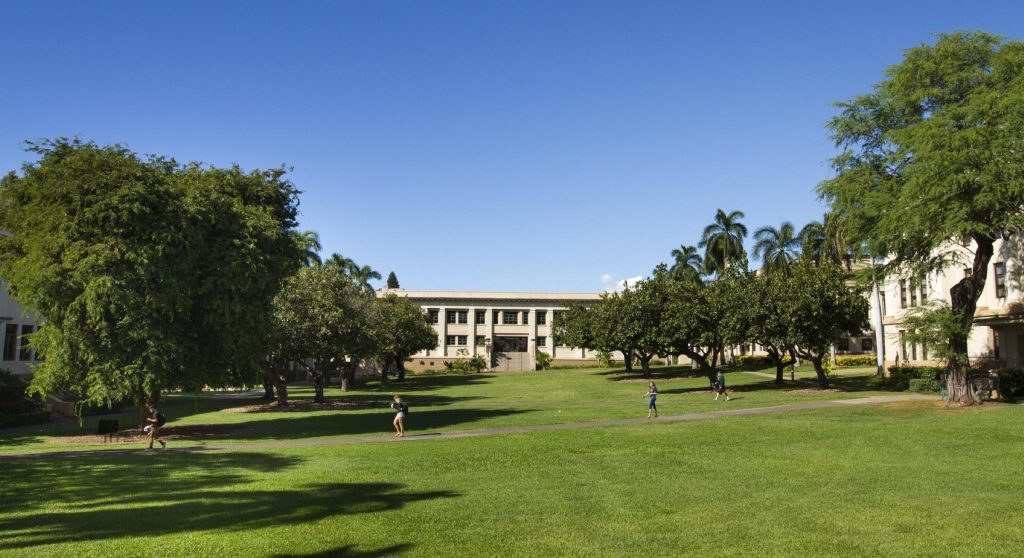
University of Hawaiʻi at Mānoa continues to gain national recognition for its scenic campus, most recently being listed in March as among the top 35 most beautiful colleges in the country by U.S. News & World Report.
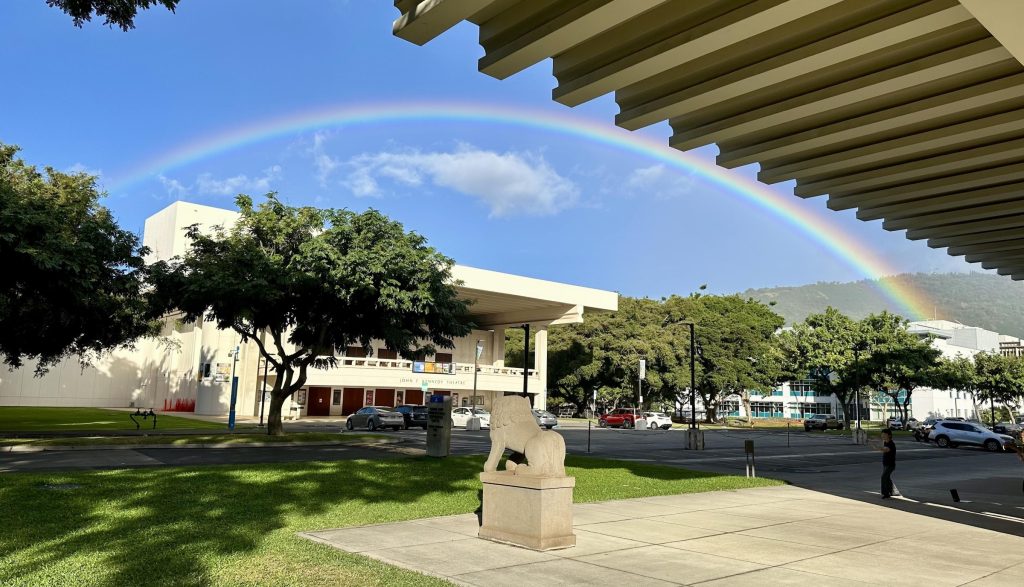
The publication highlighted campuses that “captivate not only students and faculty but also travelers who appreciate scenic architecture, lush green spaces and unique landmarks.”
This latest honor builds on previous accolades, including a 2025 ranking by Travel + Leisure, which placed the Mānoa campus among the 30 most stunning college campuses in the United States.
University of Hawaiʻi at Mānoa spans 320 acres in Mānoa Valley on Oʻahu. It is home to more than 4,000 trees and more than 500 plant species.
The campus is an accredited arboretum — one of only 823 worldwide — and one of just 10 in Hawaiʻi, along with University of Hawaiʻi Lyon Arboretum.
Campus landscape features a wide range of flora native to Hawaiʻi as well as plants from around the Pacific Ocean region, creating an environment that reflects the university’s unique setting.
“This recognition reflects what our students, faculty and community experience every day at [University of Hawaiʻi at] Mānoa: a campus where natural beauty, culture and academic excellence come together in a unique way,” said University of Hawaiʻi at Mānoa Interim Provost Vassilis Syrmos in a release about the newest accolade. “From our diverse arboretum to our historic and modern spaces, [University of Hawaiʻi at] Mānoa offers an environment that inspires learning, discovery and a deep connection to place.”
 Courtesy Photo: University of Hawaiʻi
- Courtesy Photo: University of Hawaiʻi
- Courtesy Photo: University of Hawaiʻi
- Courtesy Photo: University of Hawaiʻi
- Courtesy Photo: University of Hawaiʻi
- Courtesy Photo: University of Hawaiʻi
- Courtesy Photo: University of Hawaiʻi
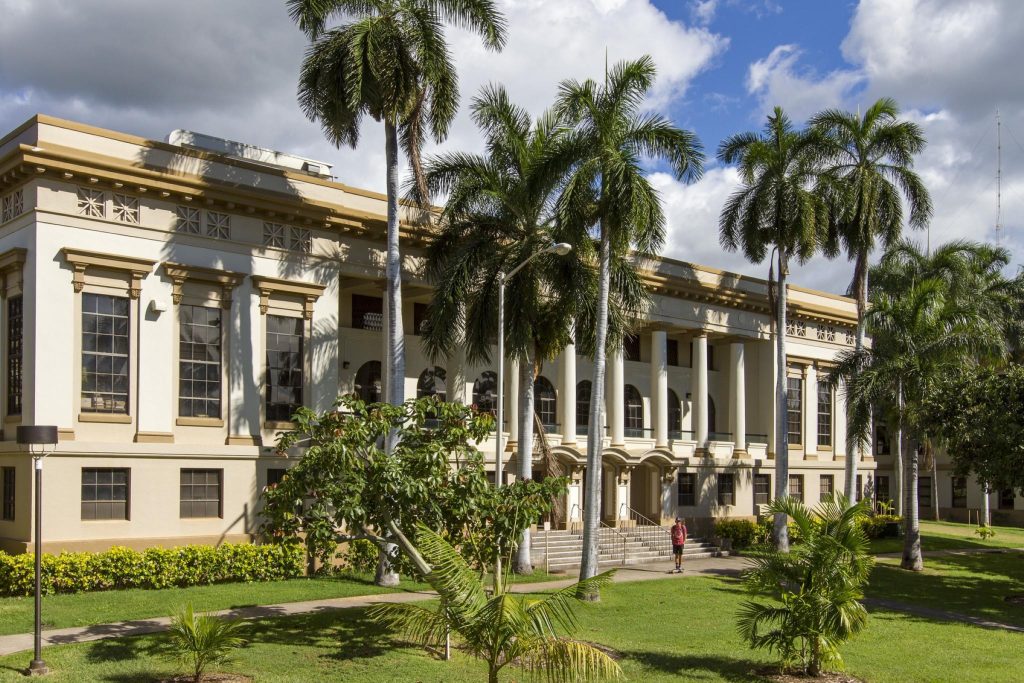
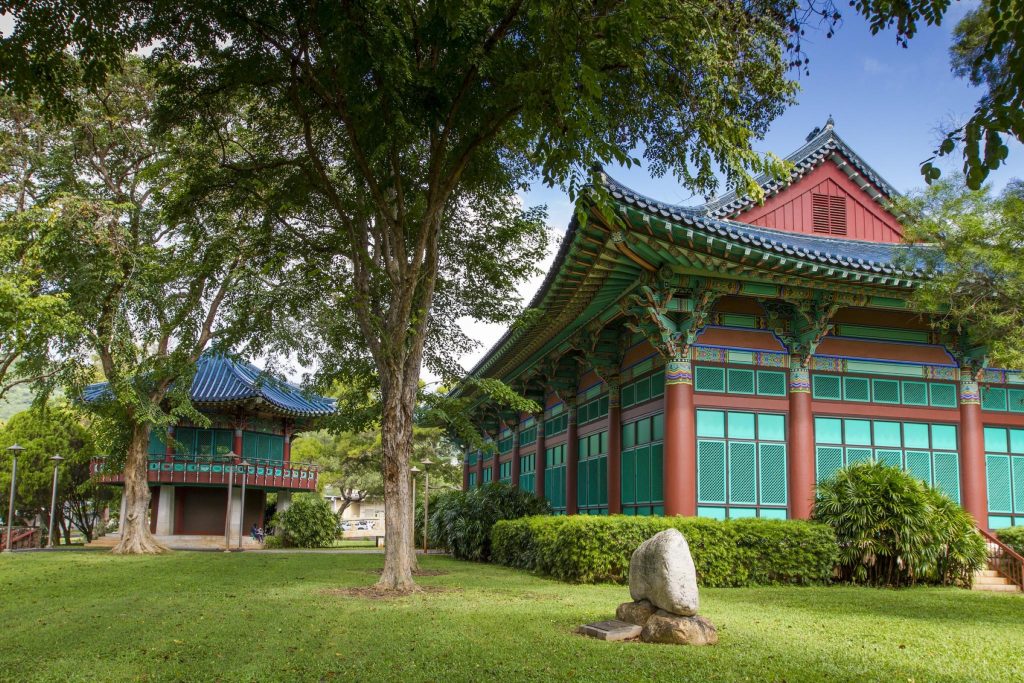
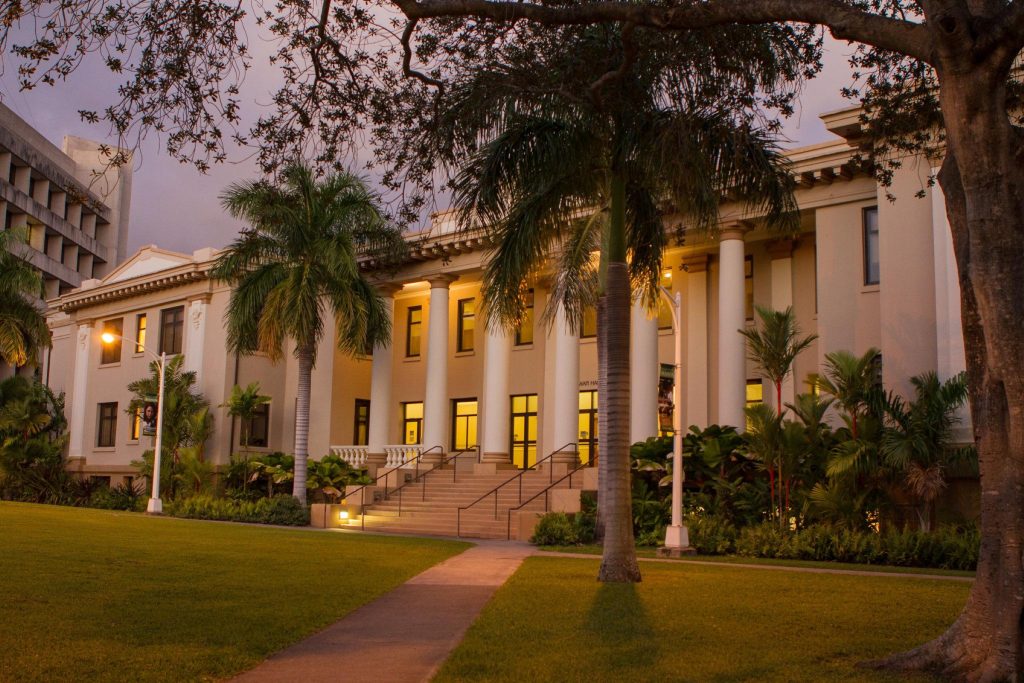
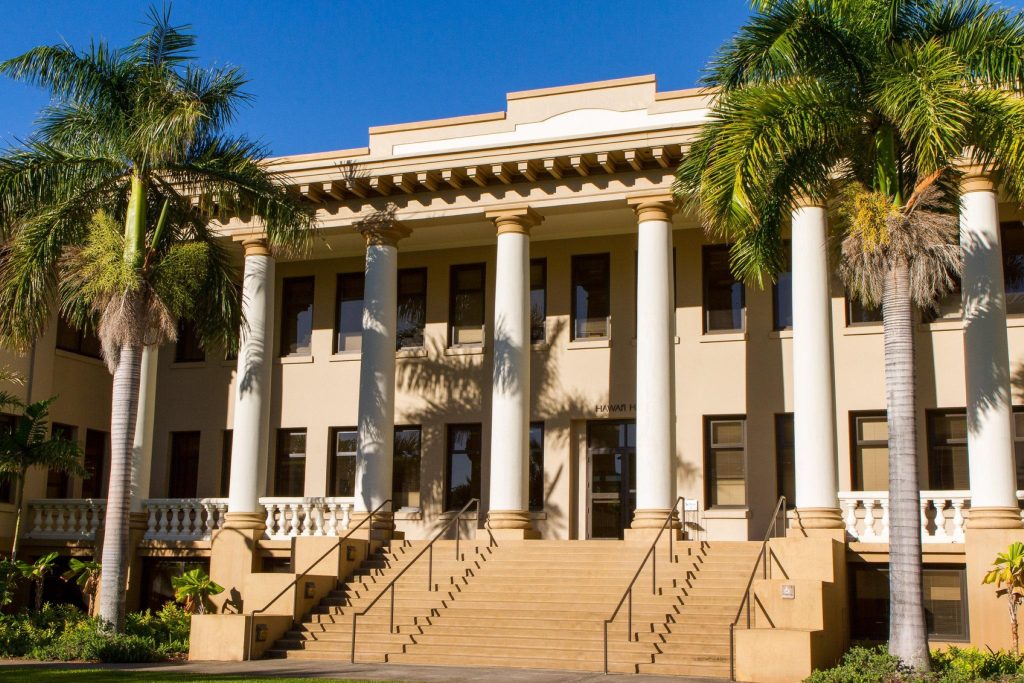

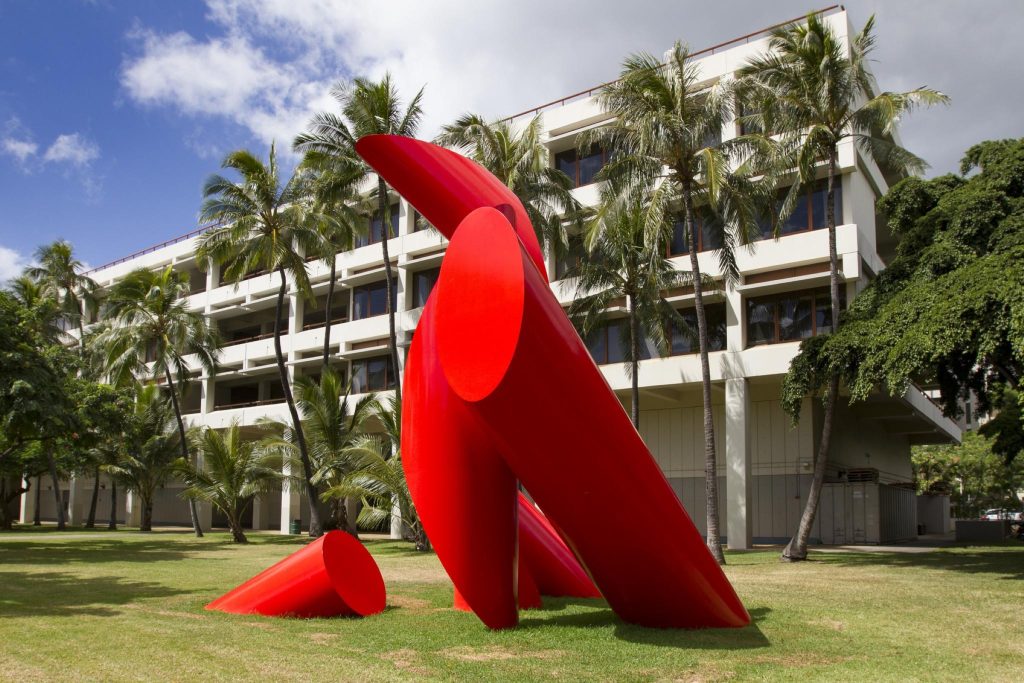







U.S. News and World Report also highlighted campus architecture as a standout feature, including:
- Isabella Aiona Abbott Life Sciences Building, which opened in 2020.
- Iconic Hawaiʻi Hall built in 1912.
- Andrews Amphitheater, which can accommodate up to 5,500 people and continues to serve as a gathering place for University of Hawaiʻi as well as community events and performances.
Together, these honors highlight the Mānoa campus combination of natural beauty, environmental stewardship and culture, strengthening its standing as one of the nation’s most distinctive campuses.