


Data gathered from the University of Hawaiʻi AI chatbot is being used to identify when students may need help, often before they ask for it.
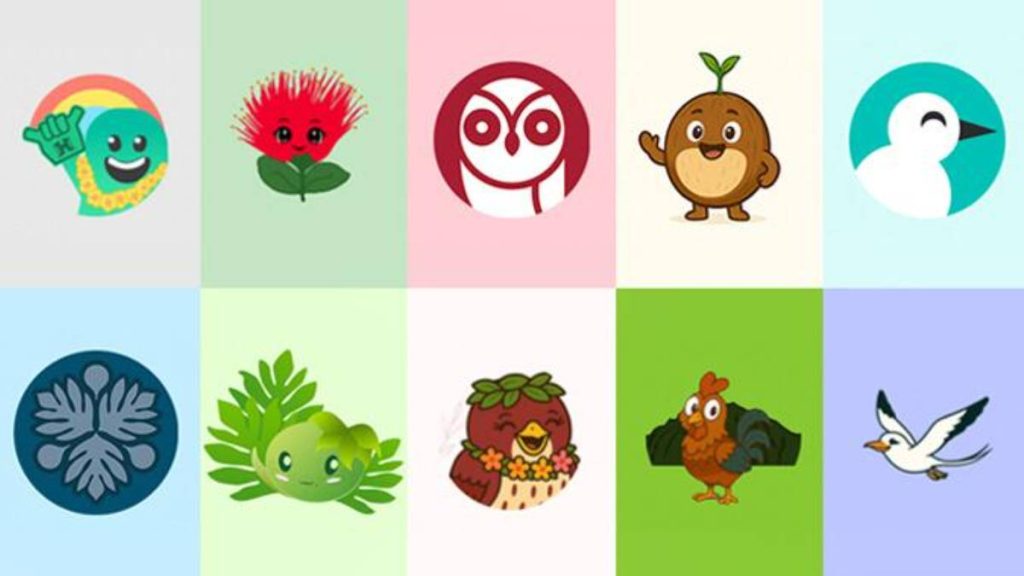
According to new data, 51% of students sent more than 100,000 messages to an AI chatbot in the first quarter of 2026, which is approximately an additional 30,000 messages since last recorded in December 2025.
Additionally, since August 2025, the University of Hawaiʻi Mānoa saw some of the highest numbers of text exchanges, with more than 32,000 student messages received by their chatbot, Bow. Meanwhile, the University of Hawaiʻi West Oʻahu’s Pueo and Honolulu Community College’s Niu saw the highest student engagement at 61% and 60%, respectively.
These interactions are doing more than providing quick answers. Since January 2026, more than 3,000 automatic interventions have been completed, connecting students with specific and targeted resources, while 1,924 students were flagged for a staff follow-up. More than 1,900 student questions were answered without direct human interaction.
“This technology is helping us shift from reactive to proactive support,” said Kim Siegenthaler, senior advisor to the University of Hawaiʻi president. “By listening to students in real time, we’re creating a more responsive system that provides students the support they need to succeed.”
The data from the first quarter also underscore the system’s efficiency. The AI chatbots handled thousands of routine questions independently, saving staff 165 hours while still delivering immediate responses to students.
Beyond individual interactions, the University of Hawaiʻi is using chatbot data to track broader trends. The report highlights areas of attention and potential stressors through regular temperature checks. These insights are helping campuses adjust outreach strategies and better align resources with student needs systemwide.
At the start of the semester, 47% of University of Hawaiʻi community college students said they feel good about the term, and 33% said they feel nervous or overwhelmed, while 39% of University of Hawaiʻi four-year college students said they feel good about the semester, and 33% said they feel nervous or overwhelmed.
Of four-year and community college students, 40% said they need the most support in academics, followed by finances, wellness, and engagement.
These interactions are part of a growing data-driven system designed to make sure that no student slips through the cracks, ensuring a proactive approach to student support.