


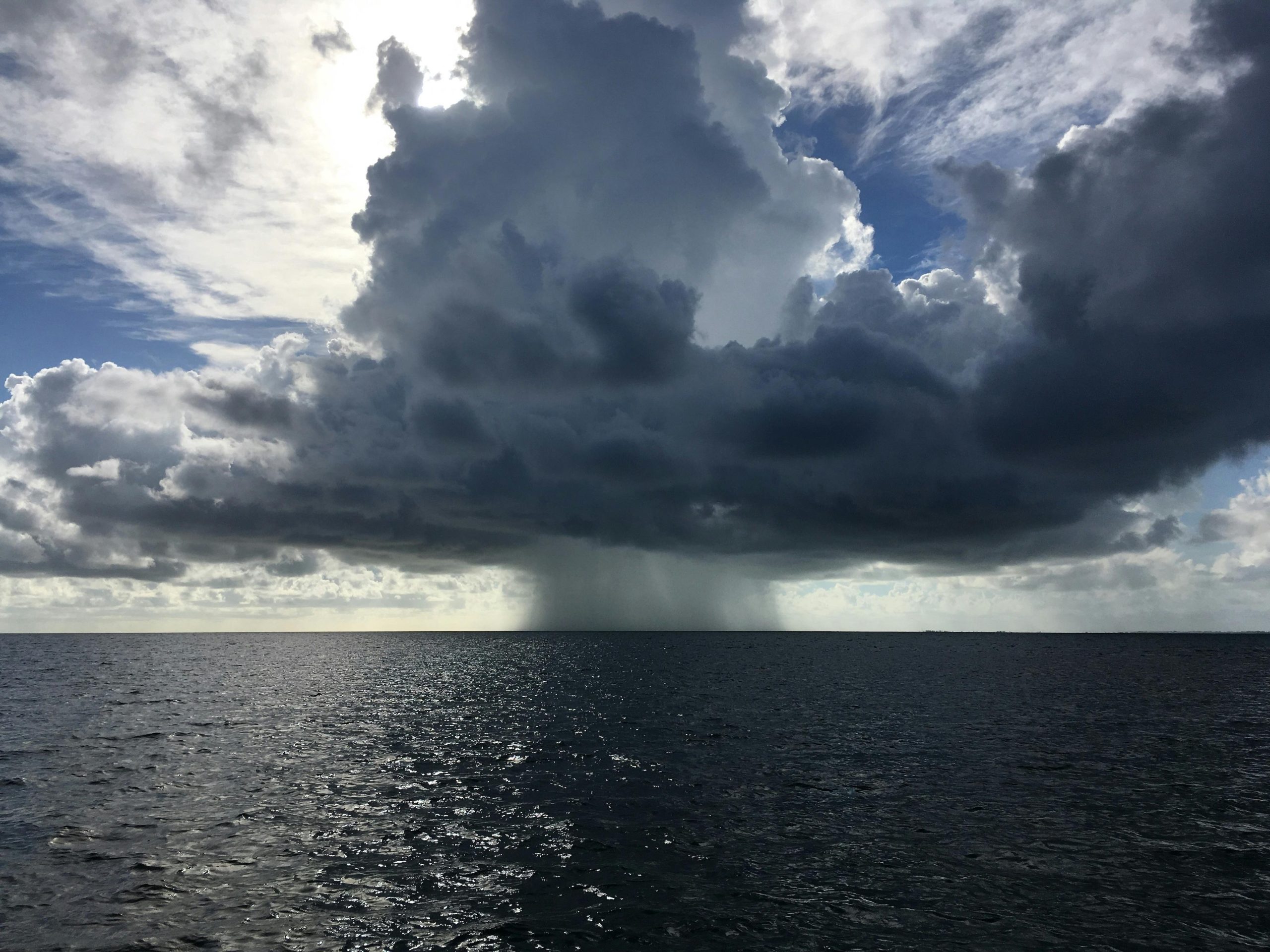
The University of Hawai‘i at Mānoa has identified a large-scale tropical disturbance as a significant driver of the islands’ climate, including extreme events, such as the extraordinary rainfall Hawaiʻi experienced in March and April.
This weather pattern, called the Madden–Julian Oscillation, or MJO, was identified by researchers in a recent study that showed the pattern travels eastward through the tropics every 30–60 days and significantly boosts rainfall during its active phases, particularly on windward slopes.
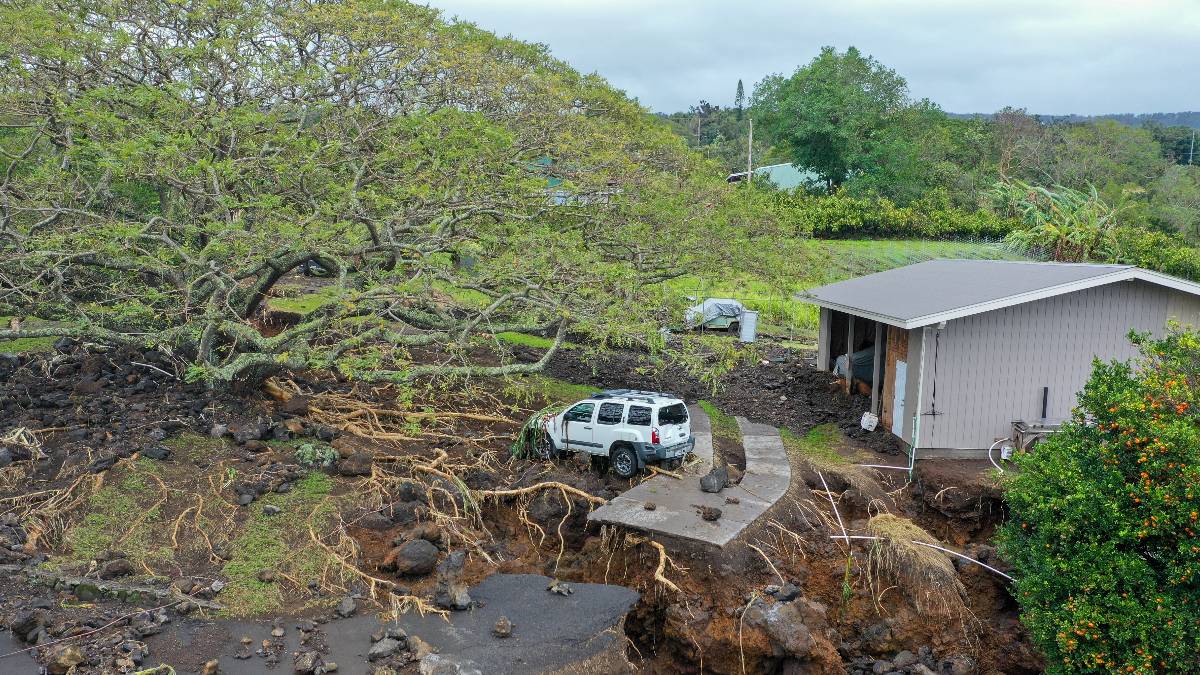
This study was published in the Journal of Hydrometeorology, a few weeks after back-to-back Kona low storms in March inundated the state with rain. According to the National Weather Service in Honolulu, this deep tropical moisture across the islands brought an extended period of widespread heavy rain, strong thunderstorms, and a period of very damaging winds to the State of Hawaii, starting March 10.
Moderate to heavy rain occurred almost every day somewhere in the state through March 24, 2026.
The research published in the journal advances scientific knowledge of the processes that influence Hawaiʻi’s climate and can help improve forecasts one to three months in advance, according to a news release from the university.
“Understanding how the MJO affects Hawaiʻi’s climate helps explain rainfall variability on timescales of weeks to months,” said Audrey Nash, lead author of the study and doctoral candidate in the Department of Atmospheric Sciences in UH Mānoa’s School of Ocean and Earth Science and Technology. “The MJO evolves slowly and can be monitored in real time. Understanding its influence can help scientists and forecasters better anticipate periods of heavy rainfall, drought conditions, and shifts in weather patterns across the islands.”
While the MJO was known to influence weather patterns across the tropics, its impact on Hawaiʻi had not previously been examined in detail at timescales of one to three months.
Nash and Giuseppe Torri, associate professor of atmospheric sciences, analyzed long-term, high-resolution atmospheric and rainfall datasets covering Hawaiʻi and the surrounding Pacific Ocean, including data from the Hawaiʻi Climate Data Portal. By compositing rainfall, temperature and atmospheric variables across different phases of the MJO, they identified consistent patterns showing how the MJO modulates rainfall and climate conditions across the Hawaiian Islands.
“We expected a small impact, but it was surprising how consistently rainfall across the islands responds to active and suppressed phases of the MJO,” Nash said.
Active phases of the MJO are also associated with cooler temperatures, higher humidity and stronger northeasterly winds across the islands. The authors note that these patterns appear to be linked to large-scale atmospheric responses to the MJO, including slow moving Rossby waves in the central North Pacific and strengthening of the local Hadley Circulation, a major feature of global atmospheric movement that cools the tropics and warms the poles.
“Improving our understanding of rainfall variability is critical for water management, agriculture, and hazard preparedness,” Nash said. “This work reflects the University of Hawaiʻi’s mission to study the unique environmental systems that shape life in the islands and to provide science that benefits local communities.”