


All recorded suicide deaths from 2013 to 2023 reveal that people in construction, agriculture and the arts, males and especially those younger than 40 years old showed the highest suicide rates.
The new study shows how occupational context is associated with suicide risk in Hawaiʻi, particularly occupations where people experience chronic uncertainty and low control.
Thao Le with University of Hawaiʻi at Mānoa College of Tropical Agriculture and Human Resilience and retired epidemiologist Dan Galanis with Hawaiʻi Department of Health Emergency Medical Services and Injury Prevention System Branch led the study.
Farmers are consistently exposed to invasive pests, volatile market prices and extreme weather such as the recent back-to-back kona lows that inundated the state. Beyond the physical destruction of crops and infrastructure, the storms left a trail of mental and emotional exhaustion.
These storms represent more than financial loss for an occupation already battling thin economic margins — they are challenging farmers’ sense of purpose and identity.
“A farmer’s mental health is tied to the health of their land,” said Le in a University of Hawai’i release about the new study. “When the ‘āina is inundated and the crops and livestock are lost, the emotional toll is immediate and profound. Our farmers are essentially first responders to our food needs, so we need to act as first responders to them now. They are essential to our own livelihood.”
Hawaiʻi risks losing its agricultural workforce — the backbone of the state’s food security and sustainability goals — without immediate concrete support, in the way of streamlined access to financial aid, supplies and temporary housing for displaced farmers.
“If structural forces and policies continue to contribute and exacerbate distress, farmers may feel a sense of moral injury, feeling unsupported and abandoned by the systems purported to support them, and distress in inability to uphold their commitment to their land and livelihood due to factors beyond their control,” Le said.
Immaterial recognition is equally essential, beyond concrete material resources.
Elevating respect for the hard work of farmers, ranchers and fisheries and recognizing their role in community well-being is a vital form of psychological “capital” that can foster their well-being.
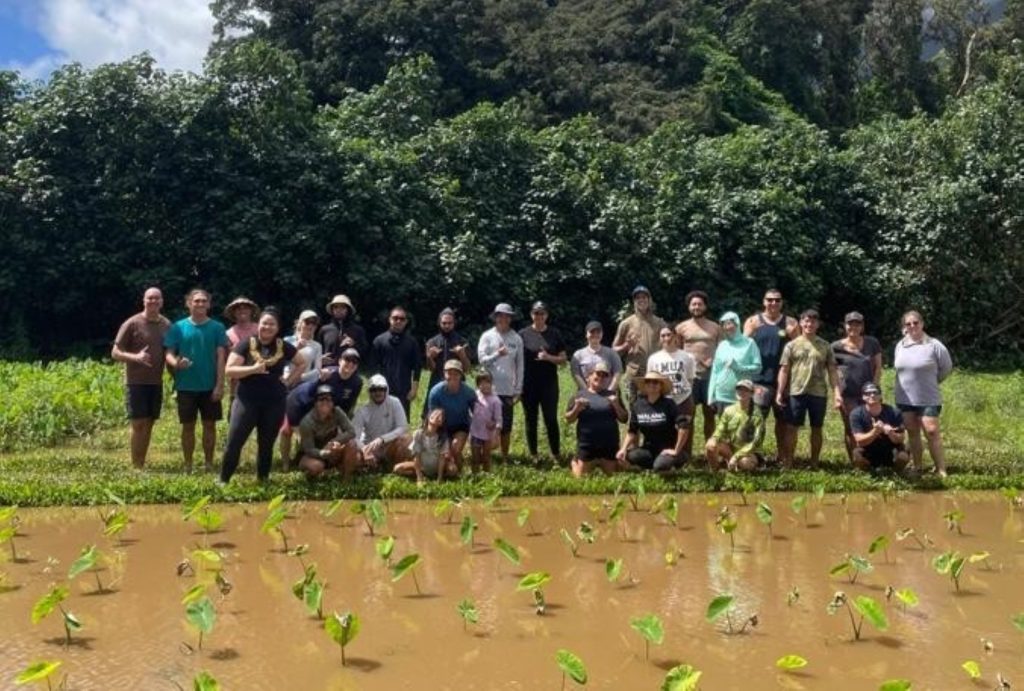
Seeds of Well-being Culturally-Based Community Connections
This program aims to prevent suicide risk through a holistic, community-integrated approach of care that includes a peer mentorship model, incorporating ‘āina-based modalities and Native Hawaiian contemplative practices plus free mental health vouchers.
Planning is in the works to provide a 3-day immersive leadership and mental mindset training/seminar experience for ag mentors and leaders, an investment for advanced mental health skills building.
Prevent Suicide Hawaiʻi Taskforce
This is the major statewide, community-driven suicide prevention/mental health collaborative. Valuing life and preventing suicide is everyone’s responsibilities.
A free 24/7 support service for help with crisis, mental health and substance use. Dial 988 or text “ALOHA;” no judgement, just help.