


University of Hawaiʻi at Mānoa College of Tropical Agriculture and Human Resilience researchers have identified 10 new species and seven new groups of Hawaiian leaf-roller moths, highlighting just how much native Hawaiian biodiversity remains a mystery.
And while new species are frequently discovered, the description of a new genus, or group, of insects is a much rarer event — it’s almost unheard of discovering seven new groups at once.
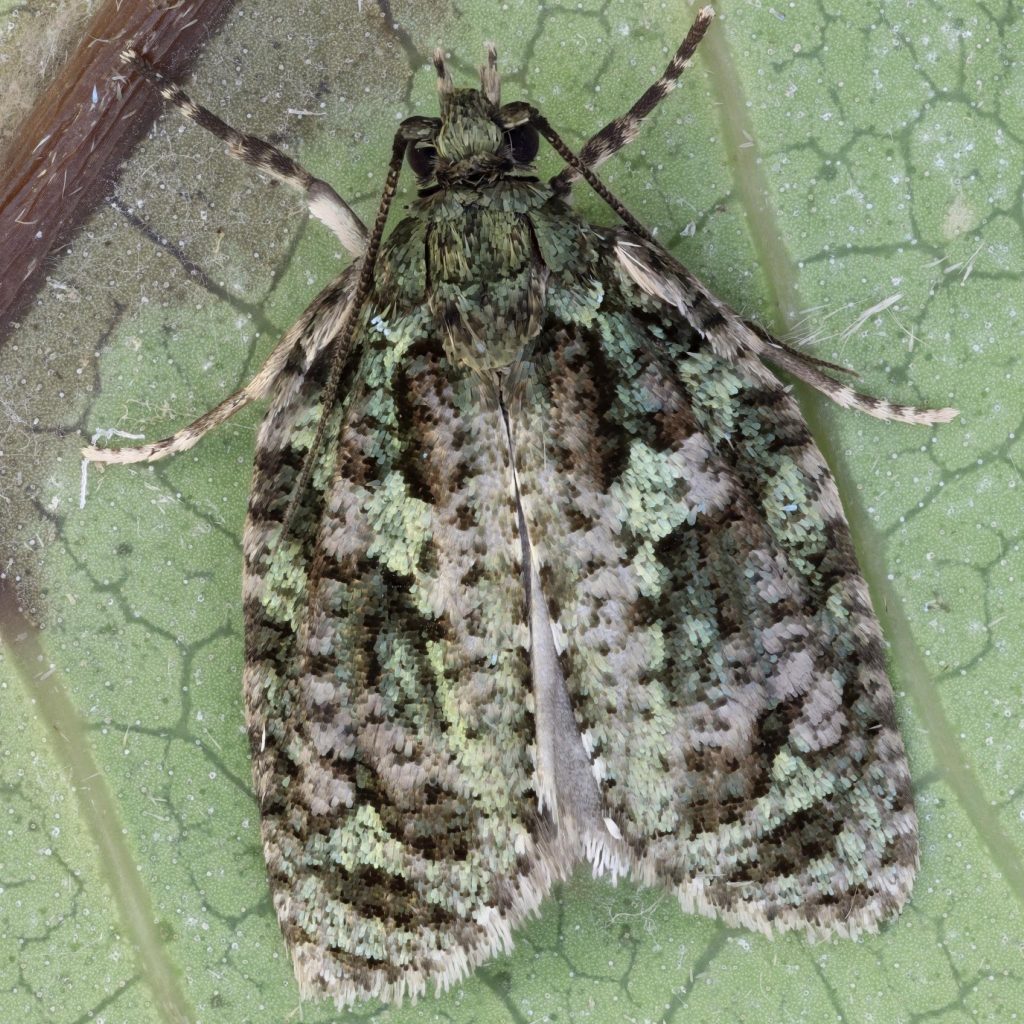
“Hawaiʻi is a world-renowned laboratory for evolution, but these moths have been hiding their true history in plain sight,” said research lead author Austin in a release about their research. “By identifying these seven new genera, we are showing that these insects crossed thousands of miles of open ocean to reach Hawaiʻi far more frequently than we ever imagined.”
Leaf-roller moths have proven to be one of the most effective long-distance travelers among any native Hawaiian animals, despite their small size.
Some of the species newly discovered by graduate student Kyhl Austin and professor Daniel Rubinoff are brilliantly colored — almost iridescent — while another from Hawaiʻi Island is potentially the largest member of its family in the world.
Evidence suggests they arrived in the islands through as many as 20 independent natural colonization events throughout several million years — an unprecedented number for any animal group in Hawaiʻi.
Austin and Rubinoff’s work also reorganizes species that were incorrectly grouped together, creating a roadmap for future conservation and research.
The researchers proposed several new names that honor Hawaiian ecology and culture:
- Genus Iliahia: Named for its host plant, the endangered ʻiliahi (sandalwood). One new species, Iliahia pahulu, is considered critically endangered and is known only from a small grove of about 30 sandalwood trees on Lānaʻi.
- The discovery includes Paalua leleole, which exhibits a rare “flightless” form in females, and Iliahia lilinoe, named after the goddess of the mists on Haleakalā.
Many of the newly described species, however, are already on the brink of extinction because of habitat loss and decline of their specific host plants.
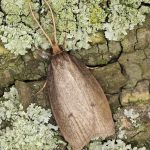
 This group of Hawaiian moths is named for its host plant, the endangered ʻiliahi (sandalwood). (Image Courtesy: University of Hawaiʻi)
- The Iliahia pahulu is considered critically endangered and known only from a small grove of about 30 sandalwood trees on Lānaʻi. (Image Courtesy: University of Hawaiʻi)
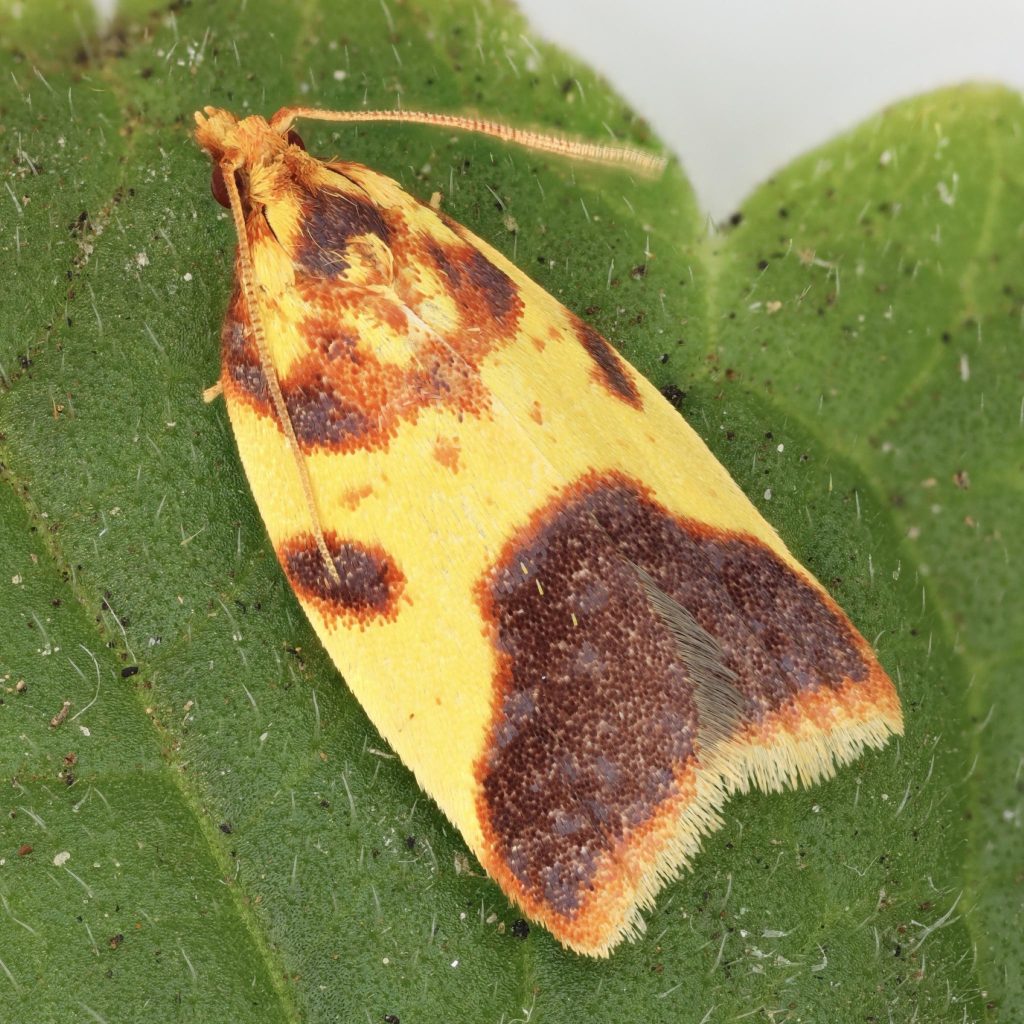
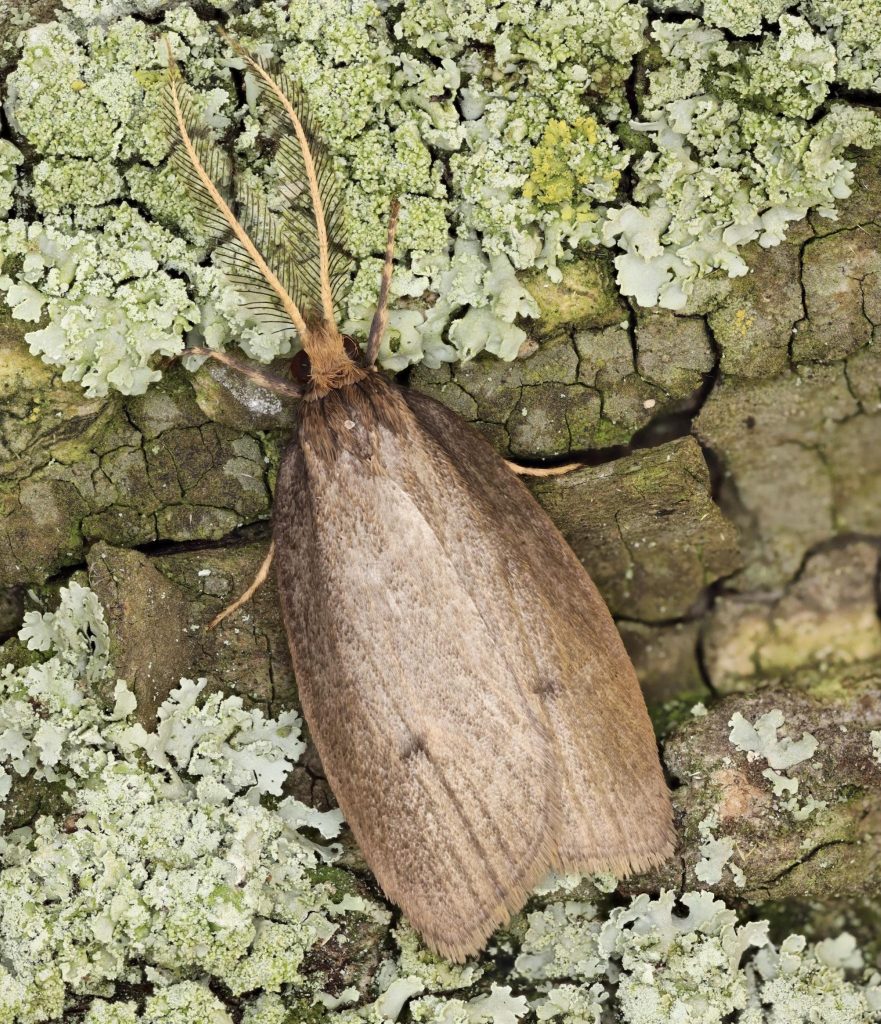
Some species described in the paper are even noted as “presumed extinct,” as they have not been seen in the wild for more than 100 years.
Protecting these uniquely Hawaiian animals requires a wide effort to restore native habitats and eliminate invasive species.
The discovery is a “testament to what was here and what we’ve lost,” said Rubinoff in the release. “We are naming species just as they are disappearing.”
Research was conducted through the College of Tropical Agriculture and Human Resilience Entomology Section. The team used advanced “automontage” photography to create highly detailed, 3-D-like images of the specimens, which will be used to help conservationists identify these rare insects in the field.
You can find more information about the study and view images of the new species online.