


A recently released mele Hawaiʻi, a Hawaiian song, offers a compelling example of how ʻōlelo Hawaiʻi, the Hawaiian language, is taking root far beyond the islands.
This time: A rare partnership between a Hawaiʻi PhD student and a young recording artist from Japan.
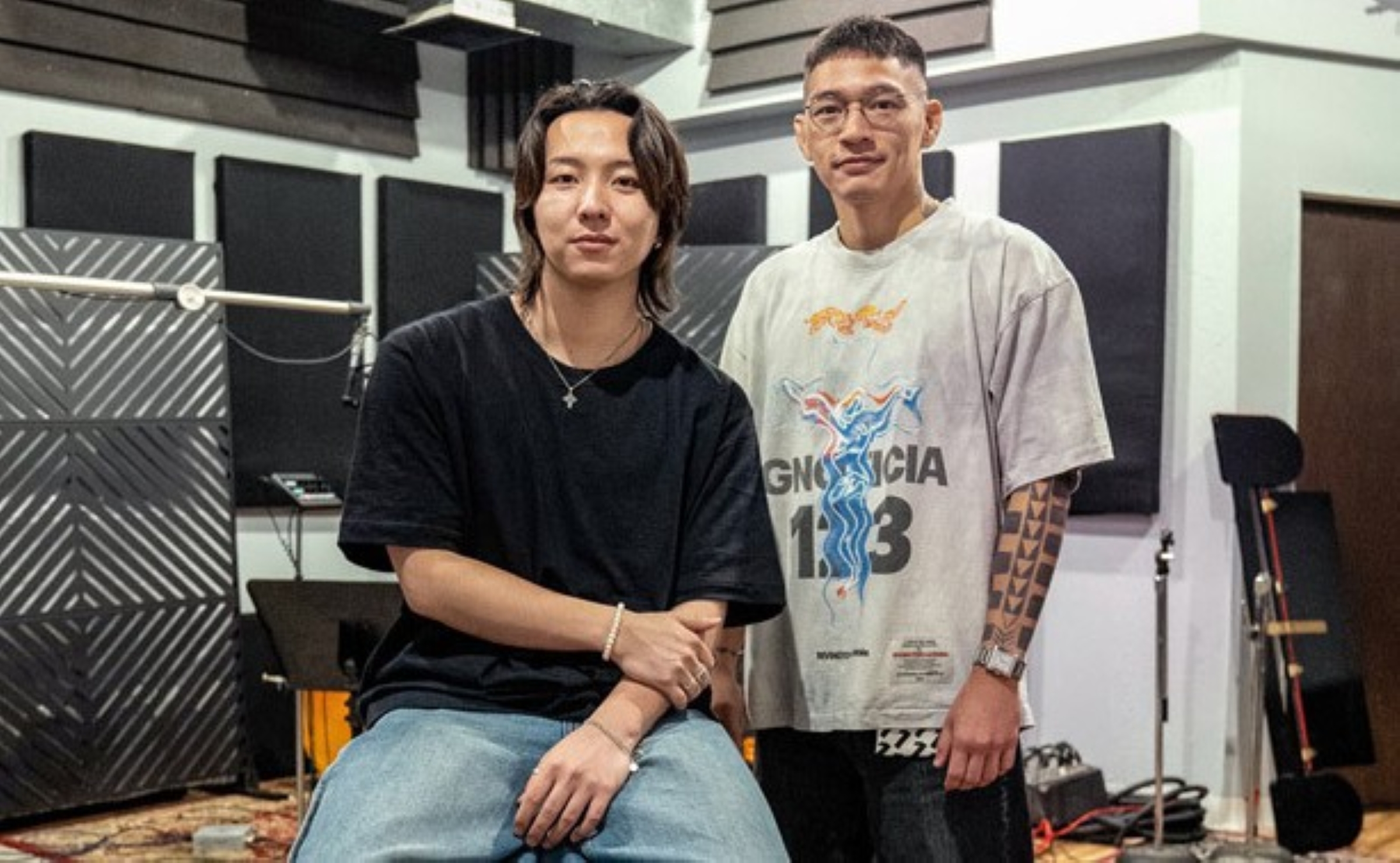
Award-winning Hawaiʻi musician and University of Hawaiʻi at Hilo Hawaiian language graduate student Nicholas Kealiʻi Lum composed “Waikīkī,” a mele recorded as a duet with Tom Noʻeau, a Japan-born musician and trained ʻōlapa hula, a hula dancer.
Collaborations of this kind remain uncommon in Hawaiian music, even after decades of hula flourishing in Japan, with an estimated 2 million hula dancers nationwide.
Modern mele Hawaiʻi
Lum developed “Waikīkī” through the Daniel and Lydia Makuakāne Endowed Scholarship and Fellowship, which supports his ongoing creative research following his 2023 debut album “Pewa.”
Listeners praise the album for its modern vibe and rhythm and blues-influenced sound — “Pewa” reimagines traditional mele Hawaiʻi in a contemporary context while centering cultural resilience and linguistic vitality, values that continue to shape Lum’s work.
Lum said the song the pair recorded in a Kalihi, Oʻahu, studio was shaped with intention toward visitors, particularly those from Japan — Hawaiʻi’s largest international tourism market.
“What would be so cool is when tourists come here that they don’t just go surfing and go to a lūʻau, but they actually have an educational piece, as well,” he said.
Learning deeply
The collaboration marks a meaningful step in Noʻeau’s journey, which has been shaped by years of hula training.
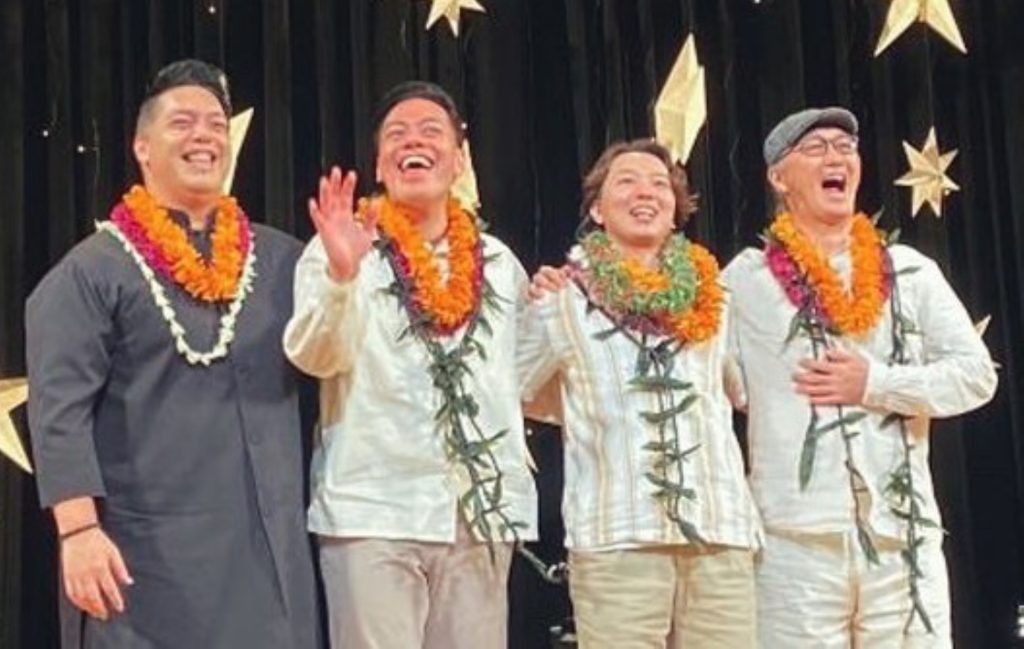
He grew up dancing in Japan under the guidance of Kahikina Ah Sing and his brother Kalani, who grew up in Kona on the west side of the Big Island and opened Ke Ala O Ke Ao Cultural Arts Studio, their hālau hula, or hula school, in Japan more than 20 years ago.
Noʻeau has learned ʻōlelo Hawaiʻi through the hālau, emphasizing a strong focus on accuracy and understanding.
“This song taught me a lot,” he said. “I’m still learning Hawaiian language, and pronunciation is really hard, but it made me want to learn more.”
Commitment to language for Lum was central to the collaboration.
 From left: Kumu hula Kina and Kalani Ah Sing with Tom Noʻeau. (Photo Courtesy: University of Hawaiʻi News website)
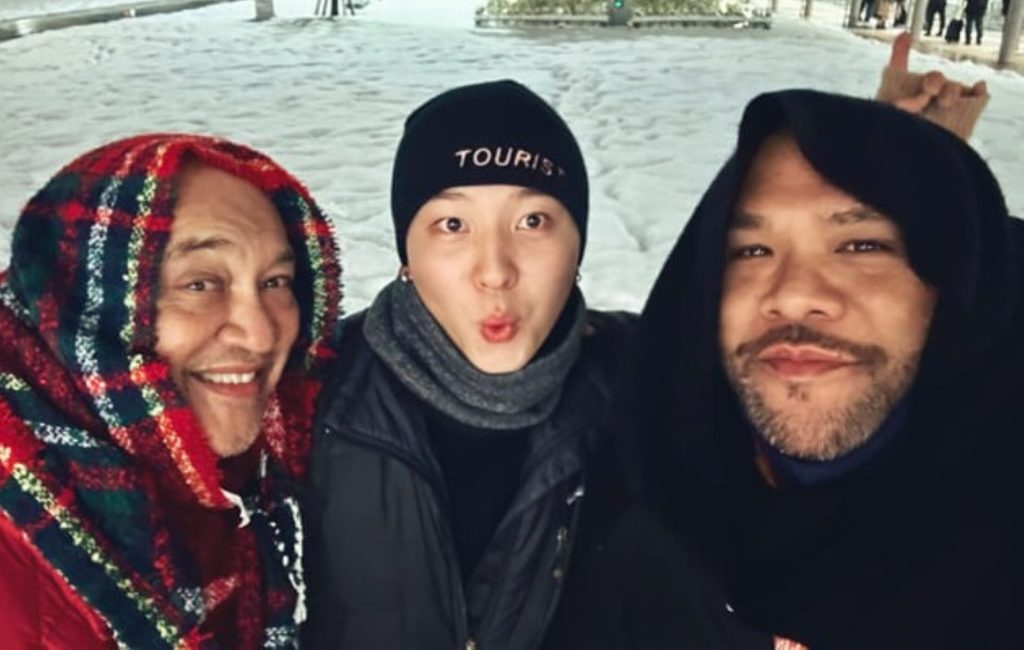
- From left: Robert Uluwehi Cazimero, Tom Noʻeau and Kuana Torres-Kahele. (Photo Courtesy: University of Hawaiʻi News website)

“If you pronounce everything wrong, there’s no meaning there anymore, especially in mele, where the poetry carries the story,” he said.
Ah Sing said watching his student step into Hawaiian music went far beyond what he could have imagined.
“I never thought that the younger generation in Japan would root themselves so deeply in our language and culture,” he said.
Noʻeau also recorded with award-winning Hawaiian musicians Robert Uluwehi Cazimero and Kuana Torres Kahele, further grounding his work in Hawaiian musical tradition.
February is Mahina ʻŌlelo Hawaiʻi, Hawaiian Language Month, which is aimed at drawing attention to the growing vitality of ʻōlelo Hawaiʻi. This story was produced by University of Hawai’i News and is being shared by Big Island Now. You can read the original story here.