


Earlier this month, the Green Fee Advisory Council created by Hawaiʻi Gov. Josh Green announced 75 projects it recommends for the first round of funding from the new tax, which is expected to generate about $130 million for Fiscal Years 2026 and 2027.
For Kaua’i conservationists, these recommendations offered a glimpse of what critical environmental work may be funded, and also shows the big need with more than 600 projects submitted for the first round statewide, totaling more than $2 billion.
“One of the beautiful things about the green fee is that it provides funds year after year,” said Helen Raine, the Hawai’i conservation coordinator for Pacific Birds. “Even if your organization isn’t selected this year, there always is the opportunity to regroup and apply next year.”
The green fee, which increases transient accommodation taxes from 10.25% to 11%, took effect Jan. 1. It is expected to raise $42 million in the current fiscal year 2026, which ends June 30, and $87 million in fiscal year 2027, which ends June 30, 2027. This combined funding is for the first round of projects.
Starting in Fiscal Year 2028, the green fee is expected to generate about $100 million annually for environmental initiatives across the state, according to the latest Green Fee Advisory Council report.
The final funding decisions will be made by the State Legislature each year. For this round of funding, the advisory council divided its recommendations for $126.41 million in projects fairly evenly across three categories: $42.54 million for environmental stewardship, $41.72 million for climate resilience and hazard mitigation, and $42.15 million for sustainable tourism.
Many of the recommended projects made by the 10-member volunteer advisory council are statewide, with a few mentioning specific funding for work to be done on Kauaʻi.
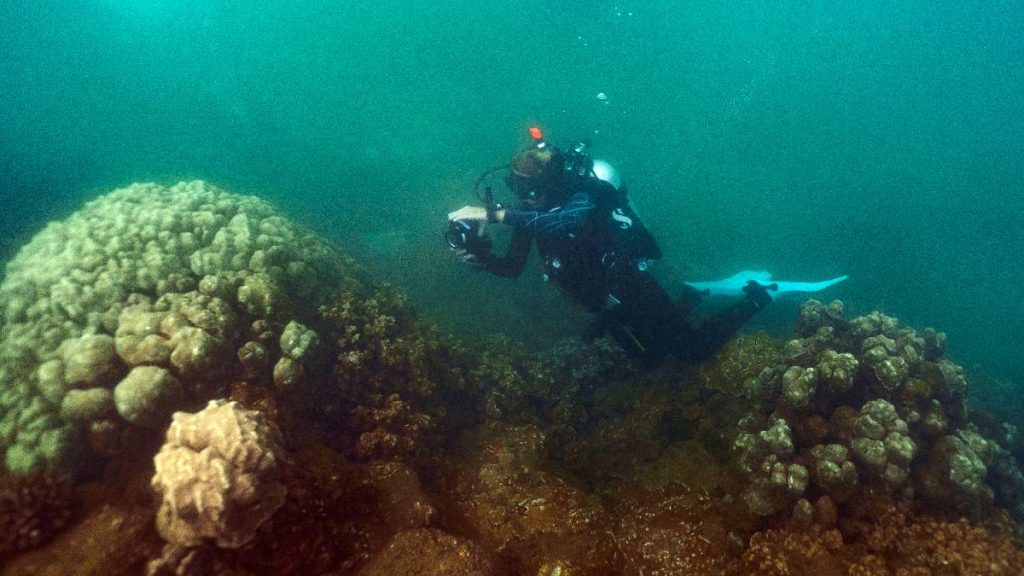
One recommendation is to allocate $500,000 for the Climate Research Kauaʻi Coral Restoration Program. This funding could potentially provide critical support for developing and scaling Kaua’i’s coral nursery program.
While still only a recommendation, it was encouraging for Tim Leichliter, the co-founder and project manager for the Kaua’i Coral Restoration Nursery, located on the South Side of Kaua’i, near the Nomilu Fishpond. The nursery carried out its first coral collection last November with the support of the Hawai’i State Division of Aquatic Resources.
Leichliter, who also leads the ocean conservation non-profit Ho’omalu Ke Kai, said the potential funding could not come at a better time for the nursery. In December, a fire tore through the Kauaʻi Sea Farms hatchery at Nomilu fishpond causing hundreds of thousands in damages to the nursery. Fortunately no corals died, Leichliter said.
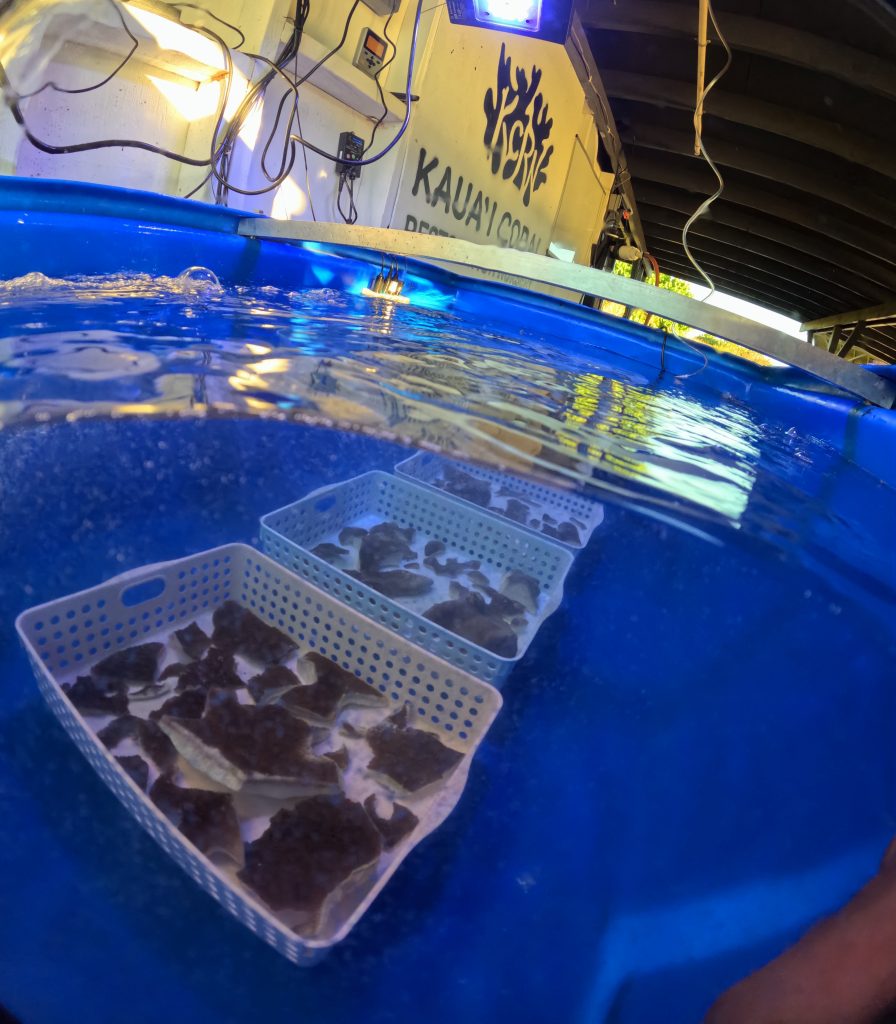
Despite this huge setback, Leichliter said he is optimistic about the potential of having more support for building and scaling Kaua’i’s first coral nursery. This funding could help repair the damaged powerbank system and support future coral collections.
Leichliter, who submitted several project suggestions to the Green Fee Advisory Council, said that even though the process was quite different than a typical grant application, in his opinion it was rather straightforward and uncomplicated. According to Leichliter, this preliminary idea submission process was a simple online form that asked for project pitches and cost ranges rather than a longform grant application.
Another boost for Kaua’i’s corals and ocean health is the earmarking of $1.26 million for a project to monitor water quality, fisheries and reef resource conditions. This aquatic monitoring would be at priority sites, including Hanalei on Kauaʻi, and would support existing coral reef and marine ecosystem health monitoring.
Under the Green Fee Community Stewardship Program for coastal, $2.25 million was recommended for supporting coastal ecosystem restoration to improve coastal resilience to storms, floods and climate disasters, including in Anahola and West Kauaʻi.
The work would protect, restore and manage coastal strand habitat, including dunes, coastal ecosystems, anchialine habitats and nearshore lands in priority geographies to bolster coastal resiliency through ʻāina-based stewardship.
Another Kauaʻi specific project involves the Hanalei Flood Forecast and Early Warning Notification System. The advisory council recommended $250,000 for strengthening infrastructure resilience, protecting natural resources and reducing risks to residents and visitors during flood events on the Hanalei River.
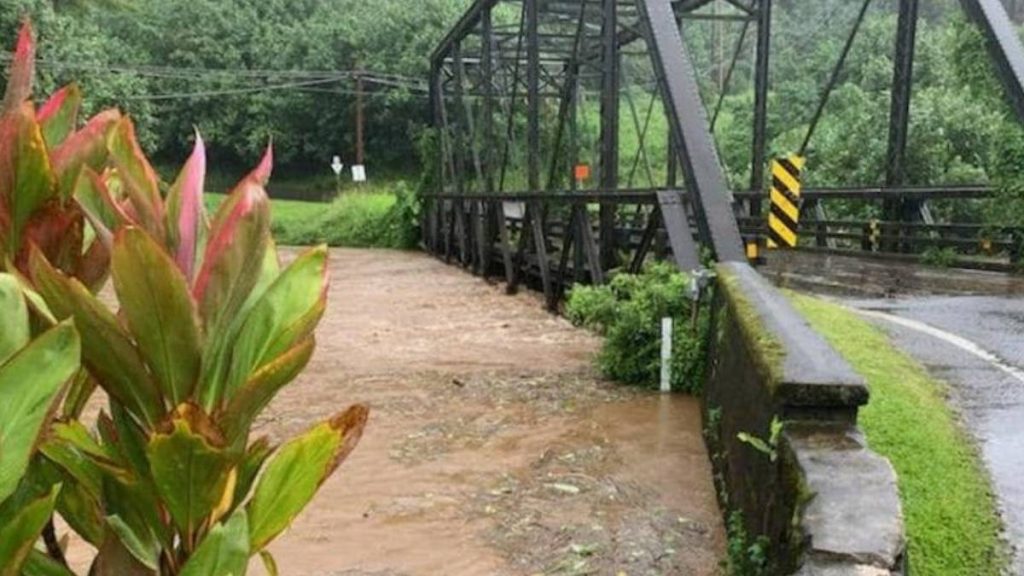
The system integrates three components: hydro-meteorologic sensors across the watershed, a real-time hydrologic-hydraulic model predicting river stage and discharge, and a community-based early warning network to issue timely flood alerts.
Model forecasts will identify rising water levels along Kūhiō Highway, the only evacuation route for the Hanalei-Hā‘ena region.
The Green Fee advisory council also has recommended $1.5 million in funding for wetland restoration programs, including projects for restoring culturally significant wetlands and rehabilitating native species habitat in Hule’ia, part of the Nawiliwili watershed in Līhu’e.
To Raine, of Pacific Birds, this is particularly exciting as it highlights the importance of wetlands in providing critical environmental services like flood prevention and coastal protection.
This money, as well as additional funding for native bird conservation, could provide crucial support for a wide variety of partner non-profits focused on protecting native wetland birds here on Kaua’i. While Raine’s team did not directly submit idea proposals for the funding, many of her Kaua’i-based partner organizations are hopeful for this financial support, she said.
Conservation requires consistent funding and conservationists in the field. Dealing with predators and invasive species is a constant struggle. Even stopping for a short period of time can mean losing months of progress.
That’s why Raine said consistent conservation can be a matter of survival for Kaua’i’s endangered waterbirds, and “not acting now means we risk losing these species forever.”

For example, population numbers for the ʻalae ‘ula, or native moorhen, are down to 700 individuals in the wild, she said.
While a number of different organizations could benefit from these earmarked funds, Raine said she hopes the funding can be used as a source of community-building, not as competition.
“We have a lot of excellent conservation leaders doing critical environmental work across Hawai’i,” she said. “What we need now is connectivity.”
Leichliter echoed a similar sentiment, saying the green fee application process promotes “both a bit of competition and collaboration” among Kaua’i non-profits.
He hopes Kaua’i non-profits can be “mutualistic” like the corals and support one another as they grow by sharing the benefits of Green Fee funding.
“We all win, no matter who is ultimately getting the funding,” Leichliter said. “Hopefully, if one organization will receive funding, they will look to local partners to collaborate and share the benefits of the green fee.”