



A federal judge dismissed on Tuesday the Kōloa Rum Company’s constitutional challenge to the Merchant Marine Act of 1920, commonly known as the Jones Act, which requires all shipping between U.S. ports be conducted on vessels that are U.S. built, owned and registered, and crewed primarily by U.S. citizens.
Kōloa Rum Company v. Noem challenged the law’s constitutionality, asserting the Jones Act violates the Port Preference Clause by discriminating against Hawaiian ports through higher shipping costs and limited shipping options, and it violates the Due Process Clause by infringing on the company’s substantive right to earn a living.
Pacific Legal Foundation helped Kōloa Rum Company, a leading distillery on Kaua’i, file the federal lawsuit on Feb. 25, 2025, in the U.S. District Court for the District of Columbia.
The purpose of the suit was to end the 105-year-old law to provide “equal footing among Hawaiian businesses and their competitors, and finally cast away one of the nation’s most egregious examples of economic protectionism,” Pacific Legal Foundation said in a press release.
While the law originally intended to bolster domestic shipbuilding, it has had the opposite effect — shrinking the American shipping fleet while severely harming citizens and businesses in Hawaiʻi and Alaska, the press release said.
Kōloa Rum Company has crafted premium rums on Kauaʻi since 2009. The distillery’s name honors the region’s rich sugarcane heritage that began in 1835 with the establishment of Hawaiʻi’s first commercial sugar mill in the nearby town of Kōloa.
Under the Jones Act, no international vessels may serve Hawaiʻi directly. Kōloa Rum Company must first ship products to Los Angeles, then on to destinations like Australia. And the trip from Hawaiʻi to Los Angeles costs nearly three times more than shipping from Los Angeles to Australia, the press release said.
“The Jones Act doesn’t just hurt our business — it hurts all Hawaiʻi residents,” said Bob Gunter, CEO of Kōloa Rum Company, in a statement when the suit was filed. “We pay more for everything we import, from bottles to packaging, just like all families across the state.
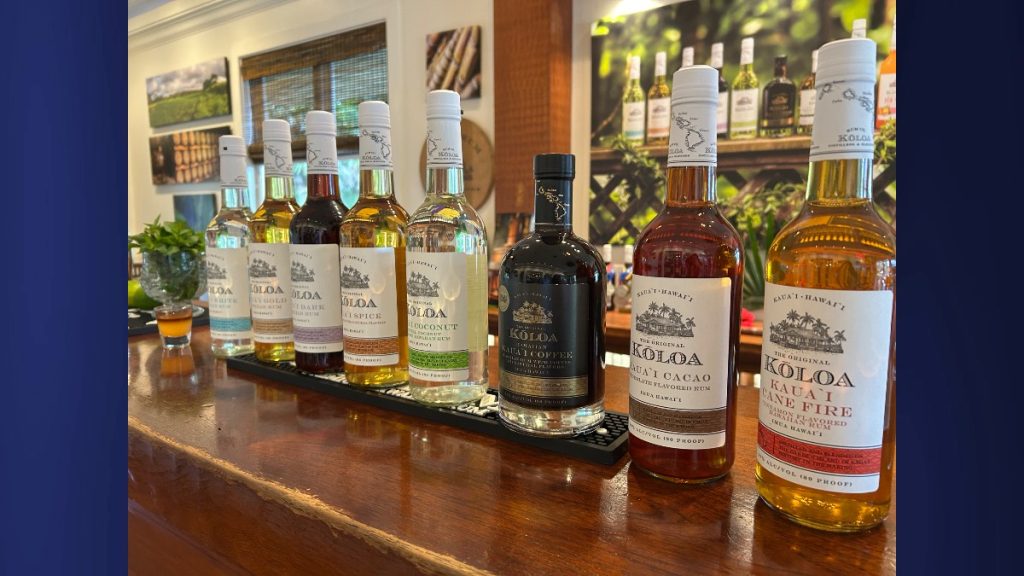
“And then we are hit a second time, paying exorbitant costs for exporting our rum to our fellow Americans. This lawsuit is about ending an unfair, outdated law that discriminates against the citizens of Hawaiʻi and Alaska.”
The defendants, Kristi Noem, Secretary of Homeland Security, et al. — along with Matson Navigation Company and the American Maritime Partnership and the Maritime Trades Department of the AFL-CIO that joined the case — moved to dismiss the suit.
They argued that Kōloa Rum Company lacked standing because the company is not the direct target of the Jones Act, which means it is speculative how third parties deal with them. They also argued the challenge to the century-old Act is time barred under the six-year statute of limitations.
Chief Judge James A. Boasberg also said in his opinion that all parties content that Kōloa Rum fails to state claims upon which relief could be granted.
“Although the standing inquiry is no pleasure cruise, the Court concludes that Plaintiff has cleared the threshold. The statute-of-limitations and merits waves, however, swamp Kōloa Rum’s craft. The Court will thus grant the Motion to Dismiss,” Boasberg wrote.
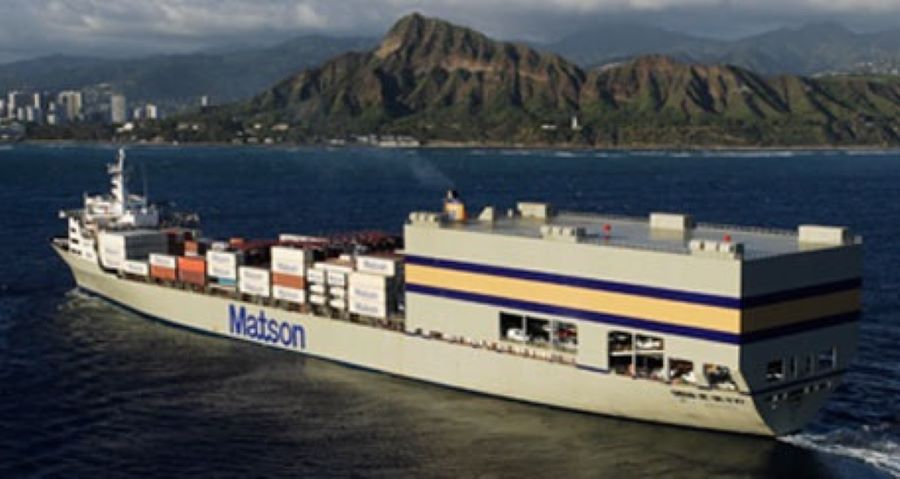
Had the judge ruled in favor of Kōloa Rum Company, it had the potential to change maritime commerce regulations and set a precedent for other businesses that are adversely affected by the law.
The Jones Act was adopted more than 100 years ago in the aftermath of World War I. The intent was national security by controlling who operates on U.S. waterways, including rivers and harbors — and to prevent dependence on foreign shipping with a fortified domestic shipping fleet.
The Act also includes protections for seamen injured on the job, allowing them to sue their employers under the Federal Employer’s Liability Act with a right to a jury trial, a significant right not typically afforded in maritime law.
There have been several attempts to repeal or reform the Jones Act, including the recent “Open America’s Water Act,” that would deregulate America’s coastal trade and alleviate the energy crisis by repealing the outdated Jones Act. The bills were introduced by U.S. Senator Mike Lee (R-UT) in the Senate and by Rep. Tom McClintock (R-CA) in the House of Representatives.
McClintock said in a press release that cattle ranchers in Hawaiʻi have opted for expensive planes rather than boats to transport cattle to the mainland.
But military and U.S. Department of Commerce officials have spoken in favor of the law on protectionist grounds.
The Pacific Legal Foundation, which represented Kōloa Rum Company at no charge, said “powerful entrenched interests maintain this protectionist scheme.”
The number of American cargo ships has shrunk dramatically since the law passed to less than 100 today, the foundation said.
“The remaining ships largely exist to maintain a monopoly on shipping between the contiguous U.S. and ports in Alaska, Hawaiʻi and Puerto Rico,” the foundation said.
The lawsuit said goods shipped to Hawaiʻi often cost twice as much as in other states, which is a daily obstacle for Kōloa Rum Company that must import essential materials like bottles and packaging that cannot be sourced locally.
“As a result, it is nearly impossible for Kōloa Rum Company to compete with both foreign and domestic rum producers who aren’t shackled by the Jones Act,” the foundation said.