


A new study revealed that marine areas managed by local villages are more stable and abundant compared to federally designated no-take reserves.
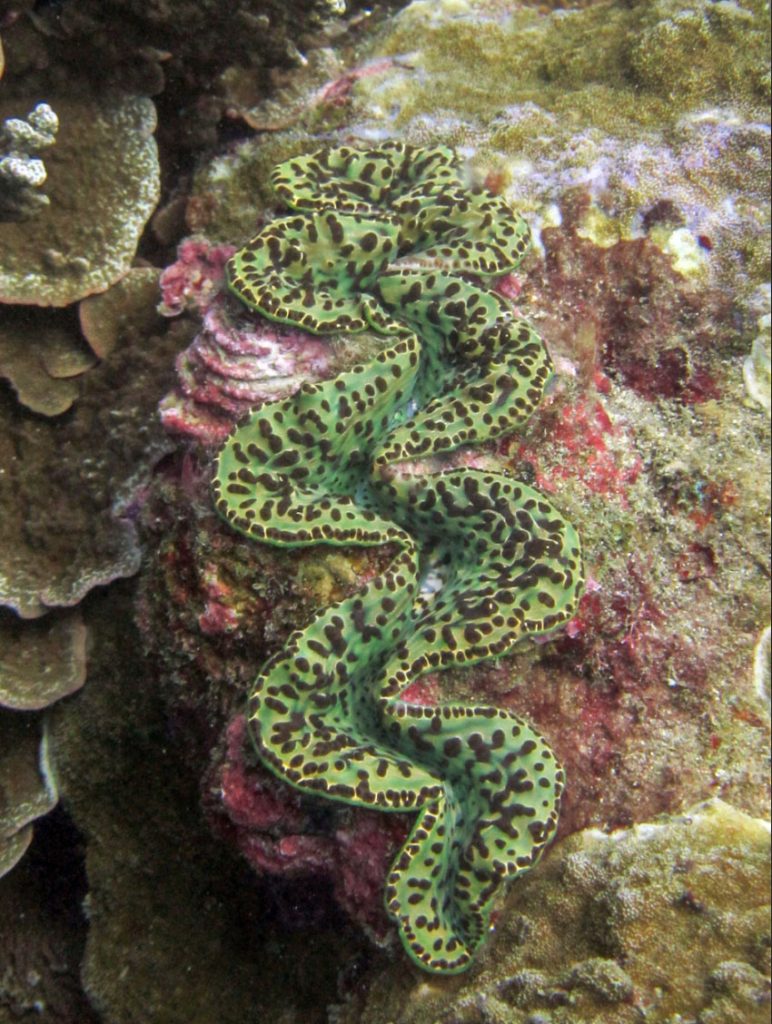
Researchers at the University of Hawaiʻi at Mānoa’s Hawaiʻi Institute of Marine Biology ToBo Lab studied giant clam populations in American Samoa and found that local villages consistently support higher giant clam population densities and larger clam sizes than previously known.
“Many expected that giant clam populations would be in sharp decline, especially near populated islands,” said Paolo Marra-Biggs, lead author of the study and a Hawaiʻi Institute of Marine Biology Ph.D. student. “Instead, we found that clam abundances have remained relatively stable over the past 30 years, and in some areas have maintained high abundances.”
“The biggest surprise was that village-managed closures outperformed federally protected no-take areas, highlighting the efficacy of cultural stewardship,” Marra-Biggs continued.
The findings carry implications for conservation policy, particularly concerning the current federal process to list giant clams under the Endangered Species Act. The study argues that blanket federal restrictions may not be the best fit for regions where effective Indigenous management systems are already in place.
“The push for Endangered Species Act listing is supposed to protect giant clams, but our data show that in areas where federal no-take protection already exists, clam populations were among the lowest,” said Robert Toonen, senior author of the study and principal investigator of the ToBo Lab. “Instead, areas under traditional Indigenous management had some of the highest densities of giant clams. If giant clams were listed as endangered species, these traditional practices that have maintained high clam densities in the region would become illegal.”
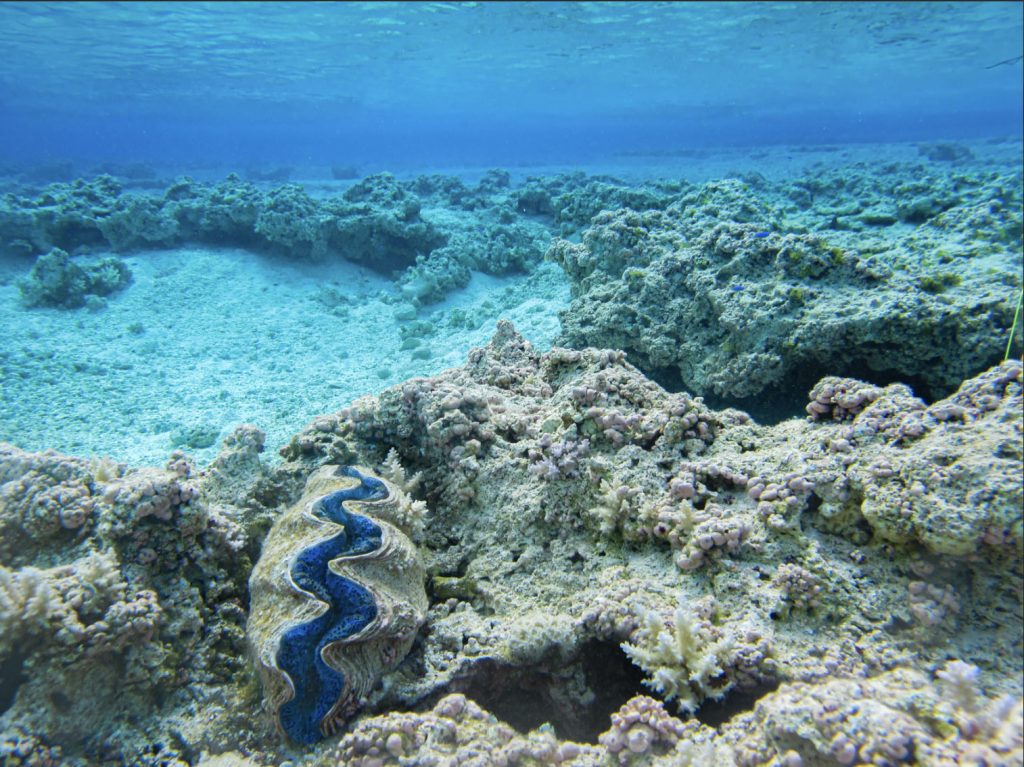
The research team conducted a territory-wide survey from 2022 to 2024, adding 264 new transects to historical surveys that were initiated in 1994. The resulting data set represents the most complete, multi-decadal compilation of giant clams for American Samoa, assessing population stability across six islands and various management zones.
Collaboration partners for this study include the American Samoa Department of Marine and Wildlife Resources, the National Park, and the National Marine Sanctuary of American Samoa.