


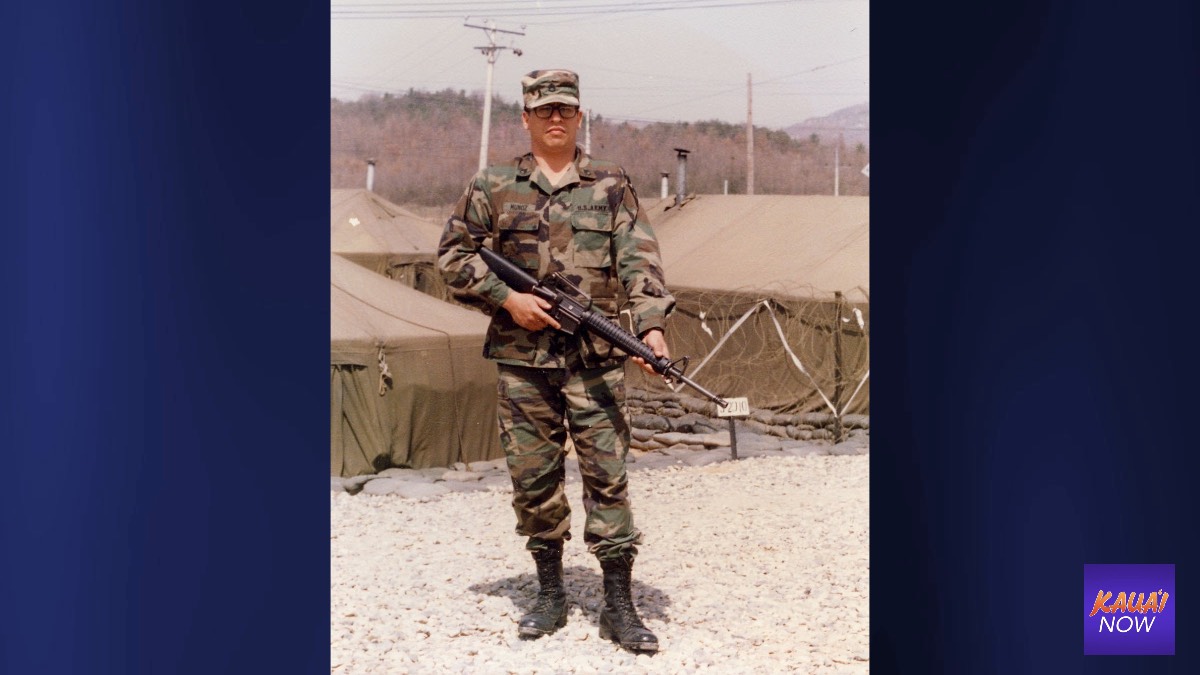
For 69-year-old Army veteran Tom Munoz, this Veterans Day marks 90 days after undergoing a kidney transplant.
It’s his second chance at life, a gift from a family he’s never met, and a reminder that even after decades of serving his country, “it’s finally time to take care of myself.”
Oʻahu resident Munoz is recovering, adjusting to a new way of life, and sharing his story in hopes that other veterans know about Donor Outreach for Veterans, a nationwide nonprofit organization that assists veterans in finding living kidney donors.
The retired and 100 percent disabled veteran said he was registered on transplant lists through both the military health care system and the Department of Veterans Affairs. For nearly a year and a half, he waited for a new kidney.
Then, on a warm Sunday afternoon this past August, the call came. A kidney was available.
“There was little time to process what was happening,” he told Kauaʻi Now. “Within hours, my wife and I were rushing through Honolulu airport, beginning an exhausting journey across the mainland to Walter Reed National Medical Center, just outside of Washington, D.C. It was a full day of travel.”
The couple arrived around midnight and by 3 a.m., Munoz was being wheeled into surgery.
The kidney came from a 20-year-old active-duty service member who had died. His family decided to donate his organs.
The surgery and transplant was a success.
Munoz joined the Army in 1983 and served for 15 years before leaving during the post-Desert Storm reduction in force. He served in Japan before retiring.
Munoz joked that the age difference has significantly slowed his biological clock.
“Sixty-nine plus 20 divided by two,” he said, laughing. “I jokingly tell everybody I am 45 years old.”
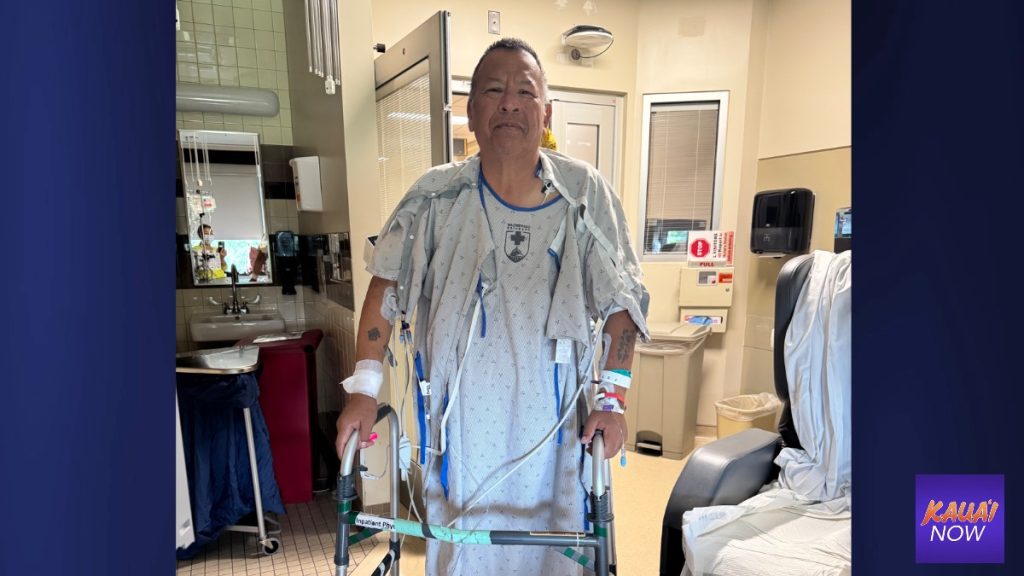
Munoz knows that somewhere, a family had to make an unimaginable decision while grieving the loss of a loved one.
“I don’t know the donor’s name or where the family lives, but I hope one day the transplant center will help facilitate a meeting or an exchange in letters,” he said.
Until then, “thank you for the gift, and I am taking care of your gift. This kidney is not something I take for granted.”
He has made healthy changes during his first 90 days of recovery. His doctor and nutritionist have warned him about the risks of infection, food safety and elevated potassium levels. Raw fish is off the menu, along with several fruits he once enjoyed, including bananas, pineapple, mangoes and even avocados.
“I was like, you’re taking away everything; poke, pineapple, I love rice, Loco Moco is my favorite,” he said.
“The state of Hawaiʻi is, really, right up there at the top 10 with people with diabetes; it’s a big problem throughout the state, and a lot of the military veterans who are diabetic, sometimes because of bad choices, are not living a healthy lifestyle, so you have a lot of military who are on the transplant list.”
The discipline is particularly meaningful because for years he struggled to consistently live a healthy lifestyle.
In 2010, his physician at the VA in Kansas City warned him that his blood sugar levels were trending in an unfavorable direction. Munoz said his blood sugar “dropped to approximately 17, dangerously below normal. An ambulance then rushed me to the hospital.”
The doctor told him and his wife of 37 years that if “my levels dropped much further, the doctor would be discussing funeral arrangements with my wife.”
“I changed,” Munoz said. “Taking care of yourself is all about diet, exercise and medicine. You need to do all three.”
Although Munoz received a kidney from a deceased donor, he connected with the Donor Outreach for Veterans while waiting for a transplant.
“It became a support network for me; they have helped facilitate more than 100 living matches for veterans,” he said. “Donor Outreach for Veterans was a very helpful program for me, and I’d like to see others learn about it and try to take advantage of it the way I did.”
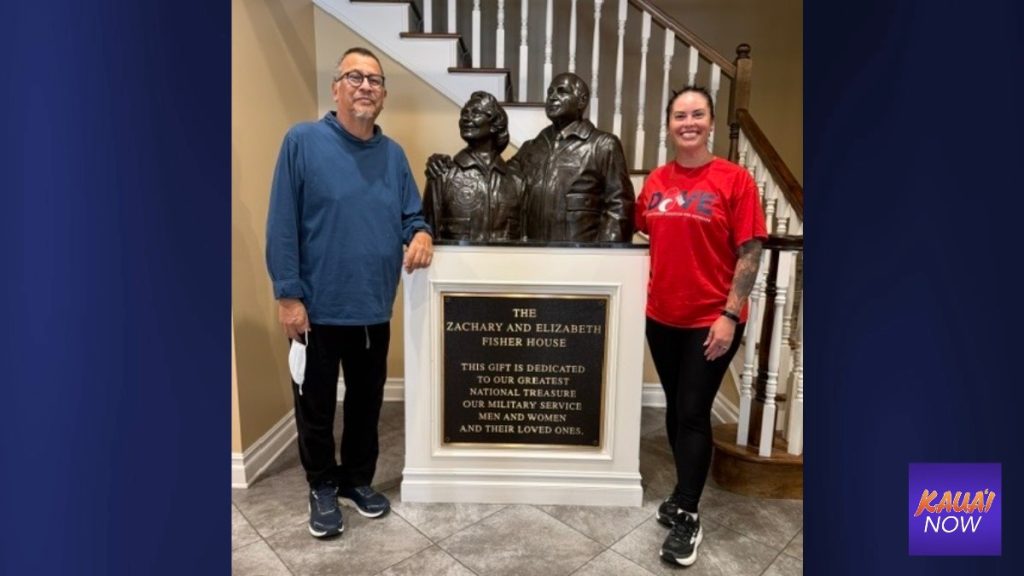
Through monthly calls and online gatherings, he listens to others navigating the uncertainty of kidney disease and transplantation. Some are waiting for a donor, others have already donated, and others are there trying to understand the process.
Having previously worked in IT at the Queen’s Medical Center on Oʻahu, including supporting its transplant center, Munoz understands how overwhelming transplant services can become when demand exceeds available resources.
As he marks 90 days since receiving his transplant this Veterans Day, his message for his fellow veterans is simple: “You’ve spent years putting your country first; it’s now time to put your health first.”