

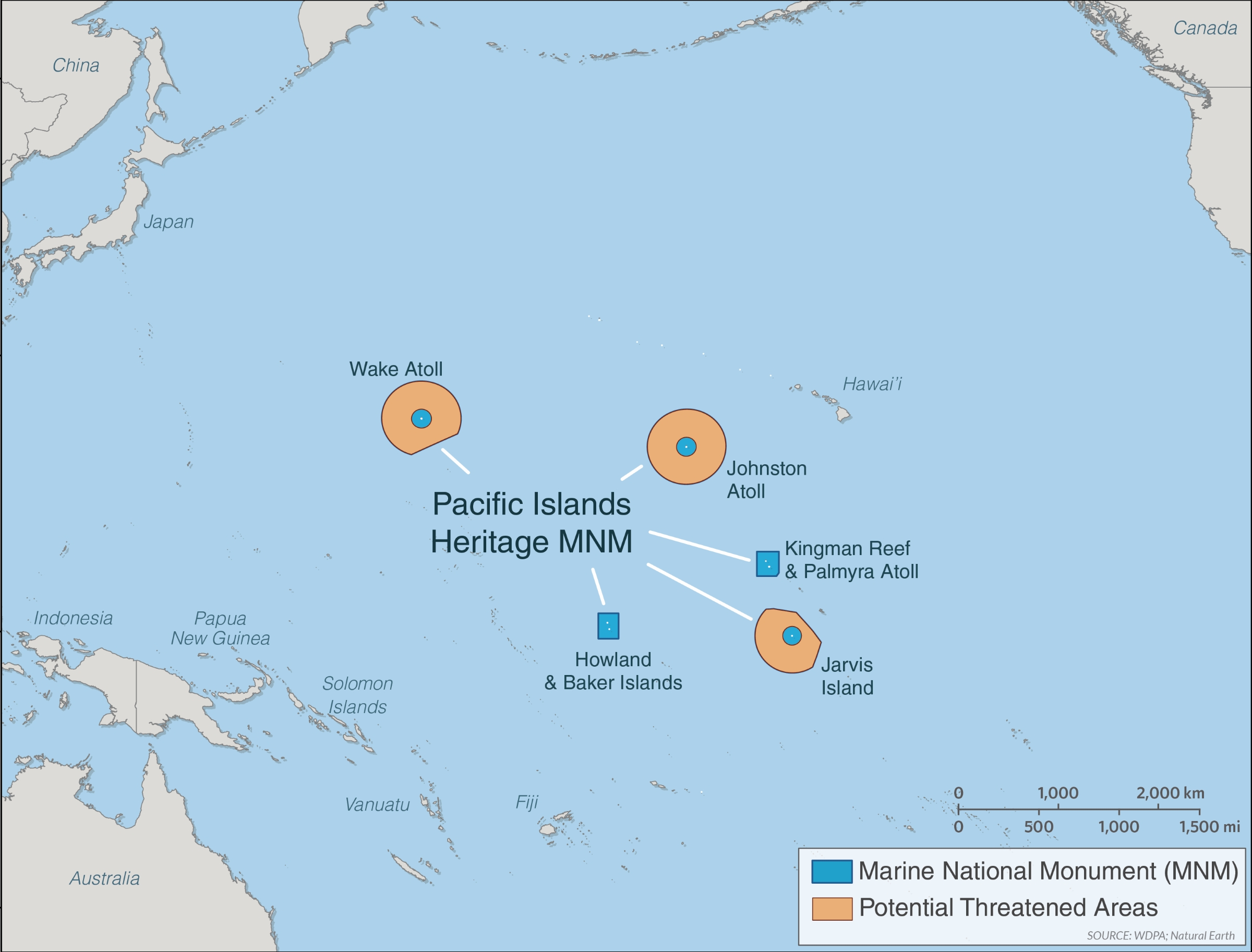
National Marine Fisheries Service on Nov. 9 is scheduled to publish proposed rules that would open about 408,000 square miles of protected ocean in the Pacific Islands Heritage Marine National Monument to industrial longline and purse seine fishing.
The proposal covers waters 50 to 200 nautical miles from Johnston Atoll, Wake Island and Jarvis Island.
A 30-day comment period opens the same day, and Pacific Islands Heritage Coalition urges the public to submit comments and call for maintaining existing protections.
How to submit a public comment
- Comments can be submitted from Nov. 9 to Dec. 9 online under Docket NOAA-NMFS-2026-2410. Use the coalition’s customizable sample comment to tell National Oceanic and Atmospheric Administration Fisheries why these waters matter and urge the agency to keep industrial fishing out of the monument.
“The ocean has always been a place of connection for Pacific peoples, and the Pacific Islands Heritage Marine National Monument has important historical and cultural ties,” said Native Hawaiian fisherman and former Hawaiʻi Department of Land and Natural Resources Chairperson William Aila. “These same waters provide threatened and endangered wildlife a rare refuge where they can feed, breed and recover. Many Pacific Islander descendants have answered the call to protect this special area, and we are hopeful their comments will allow us to protect this place for generations to come.”
The proposed rule downplays risks industrial fishing poses to the monument, characterizing the expected effects on protected species and cultural resources as “negligible.”
It threatens to reverse decades of progress in protecting one of the planet’s last wild, healthy ocean ecosystems and place of profound cultural significance for indigenous Pacific Islanders.
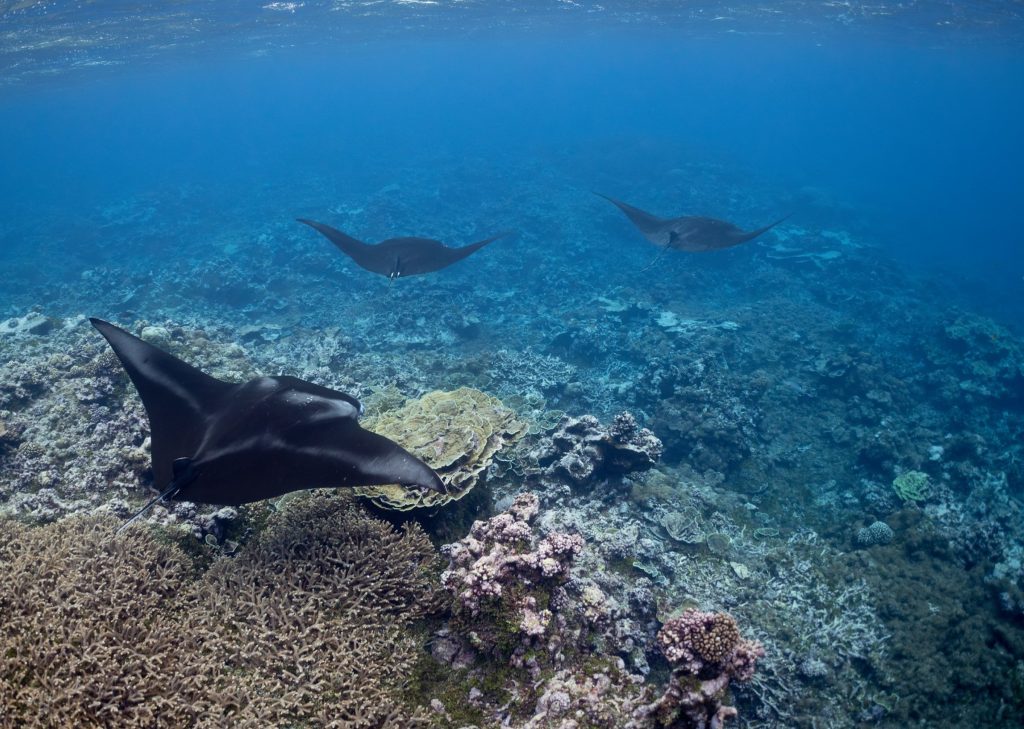
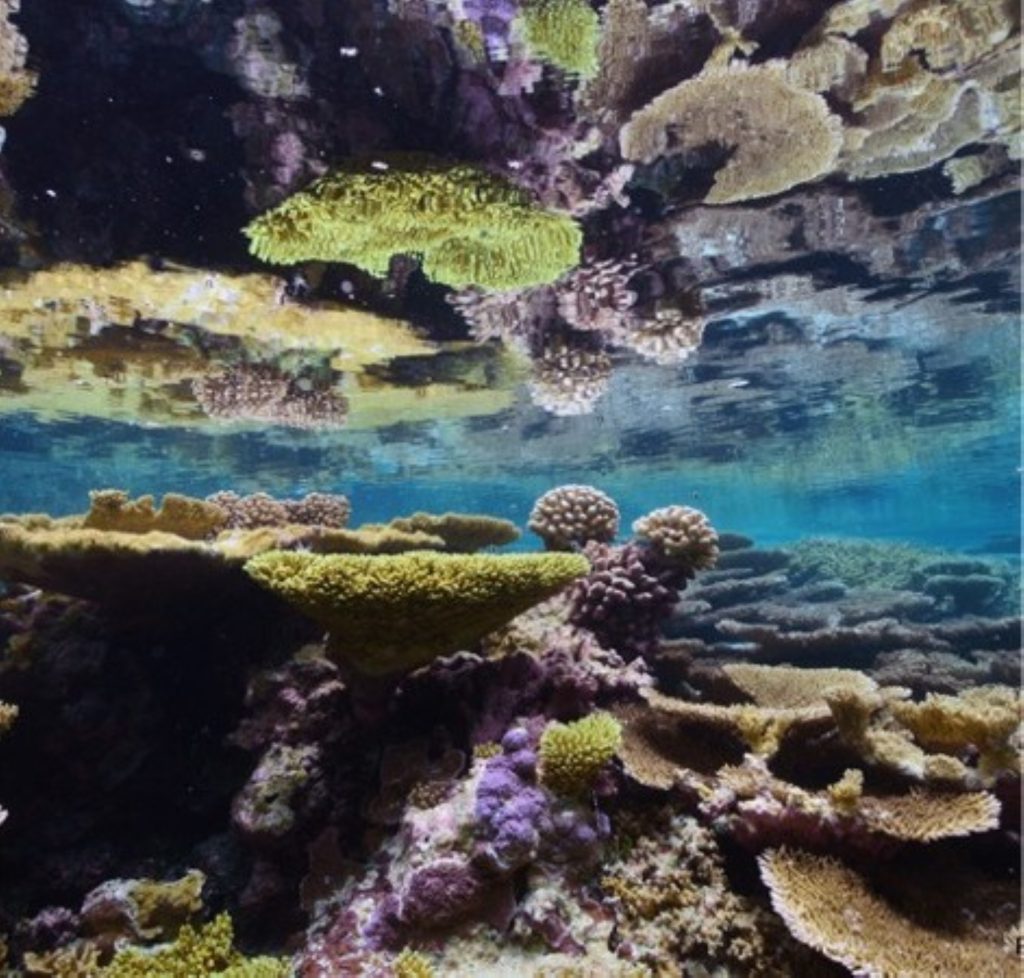
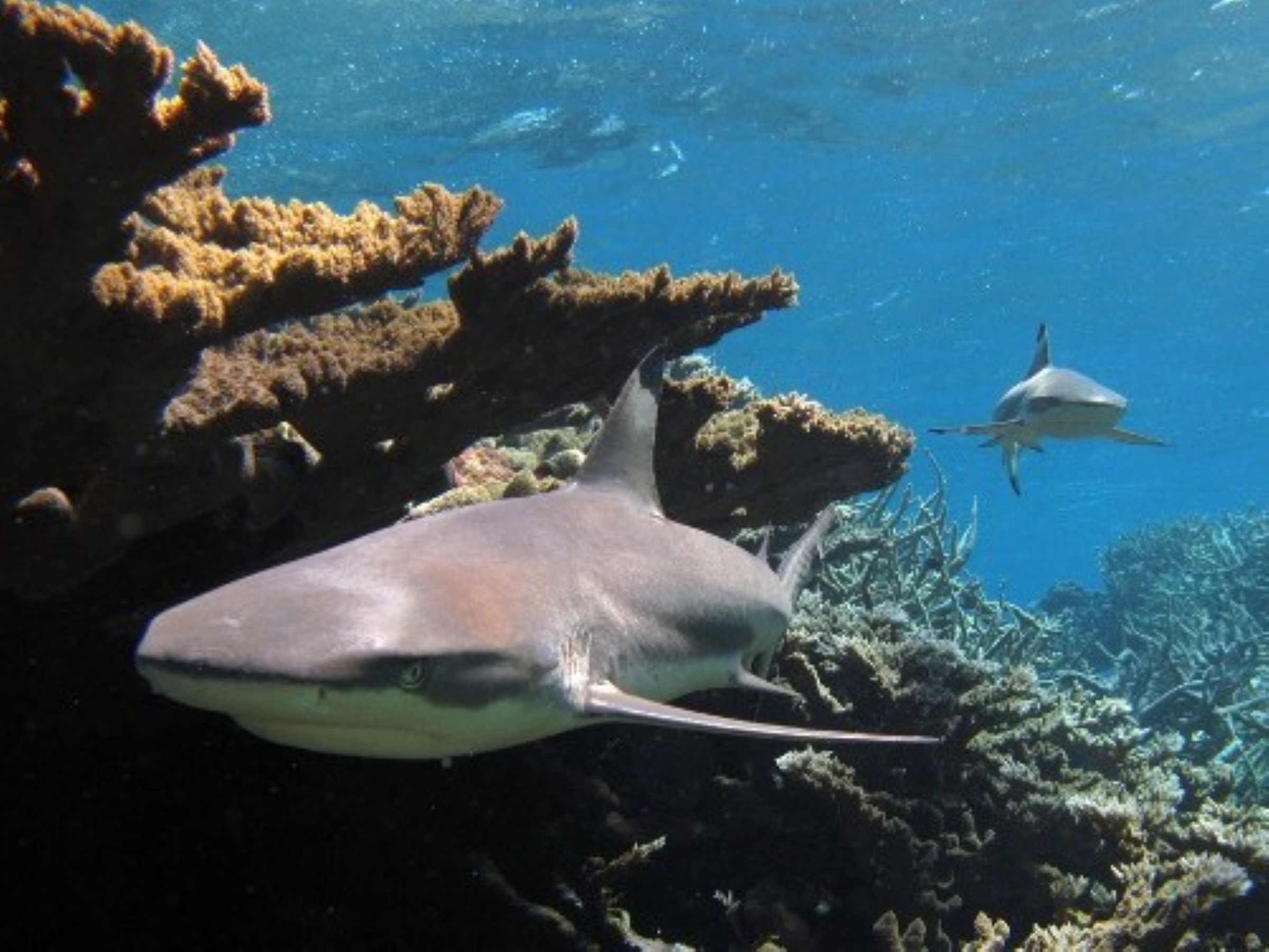
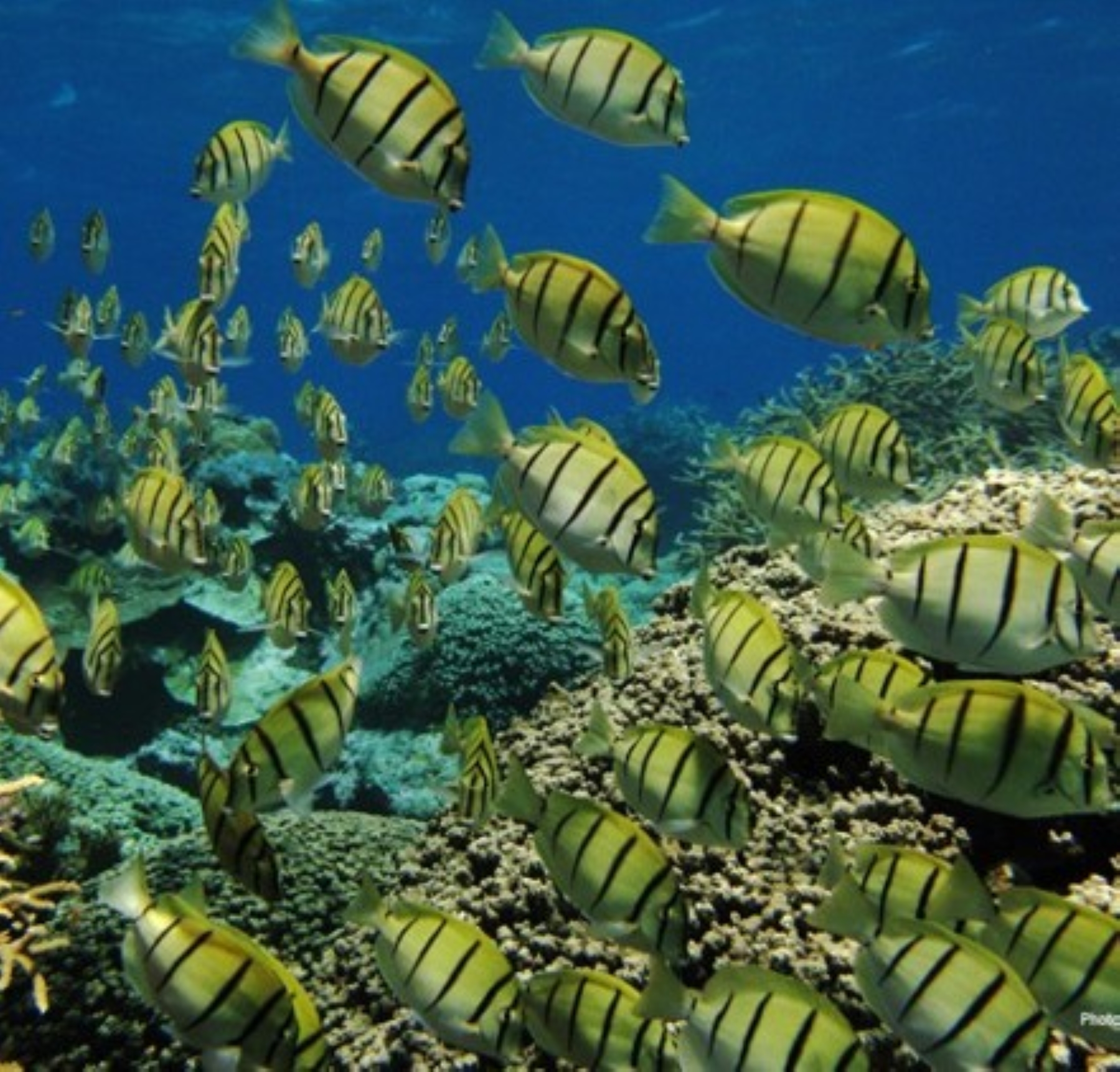
The monument has 5,000-year-old coral systems, 165 known seamounts that serve as biodiversity hot spots and provides refuge for threatened and endangered wildlife of global conservation importance, including seabirds, sharks, rays, sperm and blue whales and leatherback sea turtles.
Many of these species are at critically low levels globally and unable to sustain even modest population losses.
The Hawaiʻi longline fleet caught 2,328 sharks and kept 10 in 2013, the last year industrial fishing was allowed in the expanded area of the Pacific Islands Heritage Marine National Monument, throwing the remaining bycatch back in the ocean, injured or dead.
Those sharks included threatened silky and globally critically endangered oceanic whitetip sharks.
Industrial fishing puts this fragile and irreplaceable ecosystem at risk. Large-scale fishing operations can catch and remove large numbers of fish and top predators, disrupting ecological food webs and degrading ecosystem function.
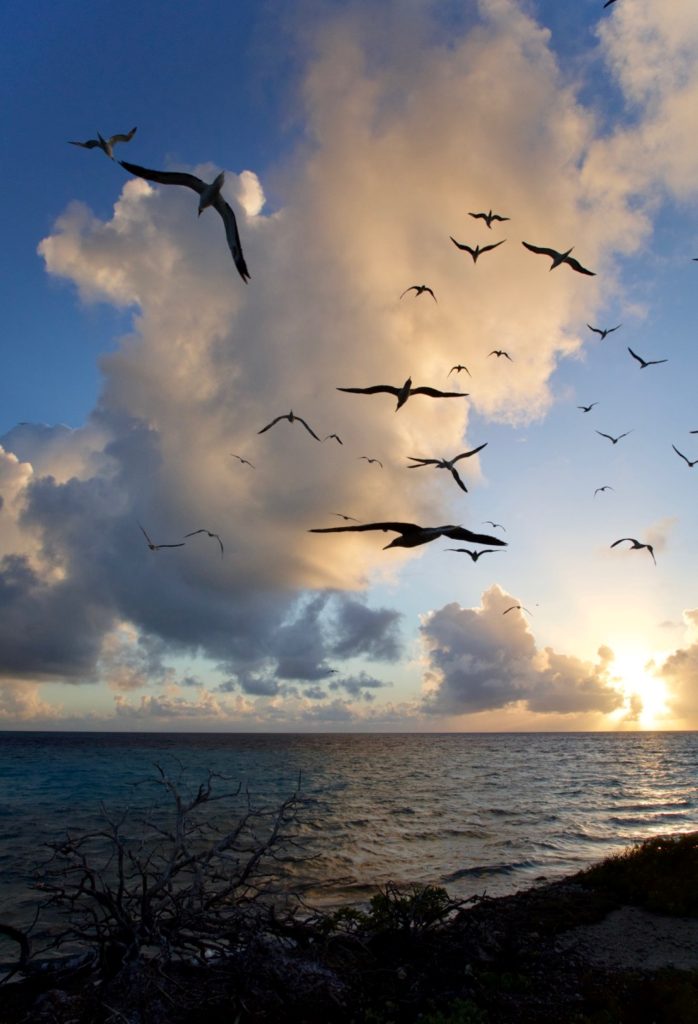
This activity also entangles and disrupts feeding grounds of seabird populations, which provide critical nutrients to coral reef ecosystems, boosting their growth and negatively impacting coral reef health and delicate balance between marine and terrestrial ecosystems.
Fishing gear poses threats to seamounts, deepwater reefs, the ecosystem and the deep-sea, pelagic and other marine life they support, as well as additional objects of historic, cultural and scientific interest contained within the monument.
The principal justification for reopening marine national monuments to commercial fishing is that existing protections impose economic hardship on fisheries.
However, available scientific evidence does not support that claim. National Marine Fisheries Service’s own analysis describes the expected benefit to fishing operations as “likely minor,” citing potential fuel savings and possibility that purse seine vessels could avoid fees for fishing in foreign waters.
When fishing fleets were briefly granted access in 2025, fishing activity remained limited and the fleet largely chose to fish elsewhere , indicating monument waters are not essential to the economic viability of the fishery.
“The Pacific Islands Heritage Marine National Monument protects some of the world’s most pristine coral reefs and open-ocean habitats,” said Dr. Robert Richmond of Kewalo Marine Laboratory at University of Hawaiʻi at Mānoa. “Marine protected areas give fish a safe place to grow, reach maturity and reproduce, helping sustain ecologically, culturally and economically valuable fish populations. Keeping these waters protected is an investment in a healthy Pacific that can support marine ecosystems and the communities who depend on them for generations to come.”
The Pacific Islands Heritage Marine National Monument has nearly two decades of bipartisan conservation history.
President George W. Bush established the monument in 2009, and President Barack Obama expanded protections in 2014 following extensive public and stakeholder engagement.
The final expanded area was smaller than the 782,000 square miles Obama initially considered, reflecting input from the commercial fishing industry and demonstrating the process included meaningful stakeholder engagement and compromise.
More than 1 million petitioners, hundreds of scientists and Pacific practitioners, national and Pacific organizations and 135,000 U.S. citizens supported expanded protections.
“The writing is on the wall: people want our most precious natural and cultural places protected, not opened up for commercial exploitation,” said Pacific Islands Heritage and Papahānaumokuākea Coalitions Founder and Executive Director Sheila Sarhangi.
The proposed rule follows efforts by the President Donald Trump Administration and Western Pacific Regional Fishery Management Council to roll back fishing protections. Trump issued a proclamation April 17, 2025, seeking to reopen the monument’s expansion waters to commercial fishing, and 3 days later, National Marine Fisheries Service notified permit holders they could fish there.
“The Trump Administration is once again prioritizing the demands of an already highly profitable commercial fishing industry over the irreplaceable ecological and cultural value of this extraordinary place,” Sarhangi said.
A federal district court on Aug. 8, 2025, in Honolulu halted commercial fishing in monument waters. Despite that ruling and other applicable laws, however, Western Pacific Regional Fishery Management Council voted in March to reopen Pacific Islands Heritage Marine National Monument and other Pacific marine monuments to commercial fishing.
Pacific Islands Heritage Coalition argues any federal action affecting these waters must follow applicable law, be grounded in the best available science, respect indigenous Pacific voices and cultural connections as well as provide robust and meaningful opportunities for public participation.
 Courtesy Photo: Ryan Hagerty/U.S. Fish and Wildlife Service
- Pacific Remote Islands coral. (Kydd Pollock/The Nature Conservatory)
- Boobies fly above Johnston Atoll and its surrounding waters. (Tor Johnson/U.S. Fish and Wildlife Service)
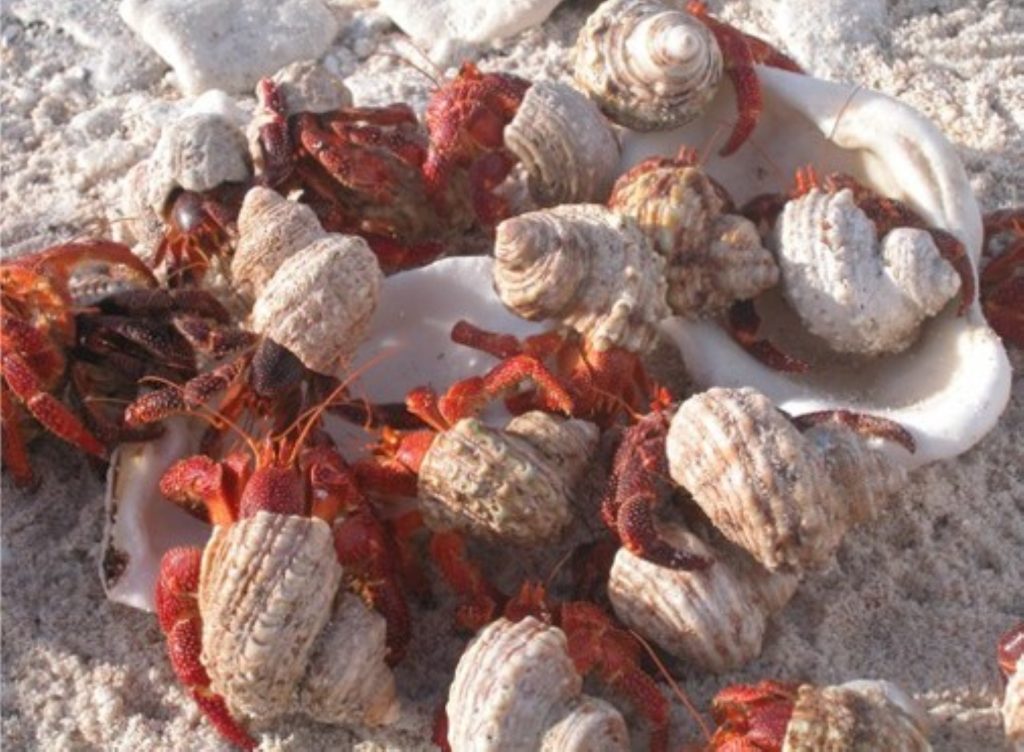
- Pacific Remote Islands crabs. (Christian Eggleston/U.S. Fish and Wildlife Service)
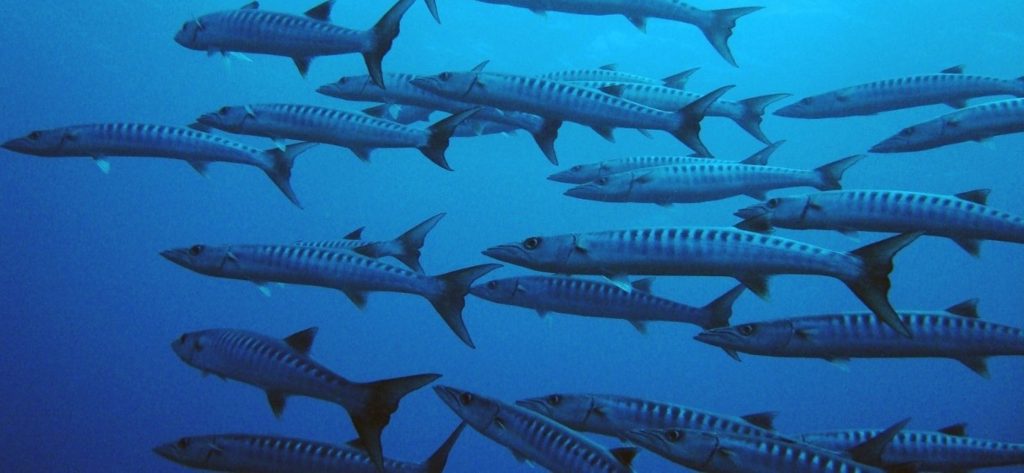
- Pacific Remote Islands fish. (Kydd Pollock/The Nature Conservatory)