


Kauaʻi Community College student Hiʻilani Cremer said she couldn’t work for two weeks after Hurricane Lowell struck the island.
But she and other students at the college who have dealt with damaged homes, lost income and prolonged power outages due to the storm are receiving unexpected help.
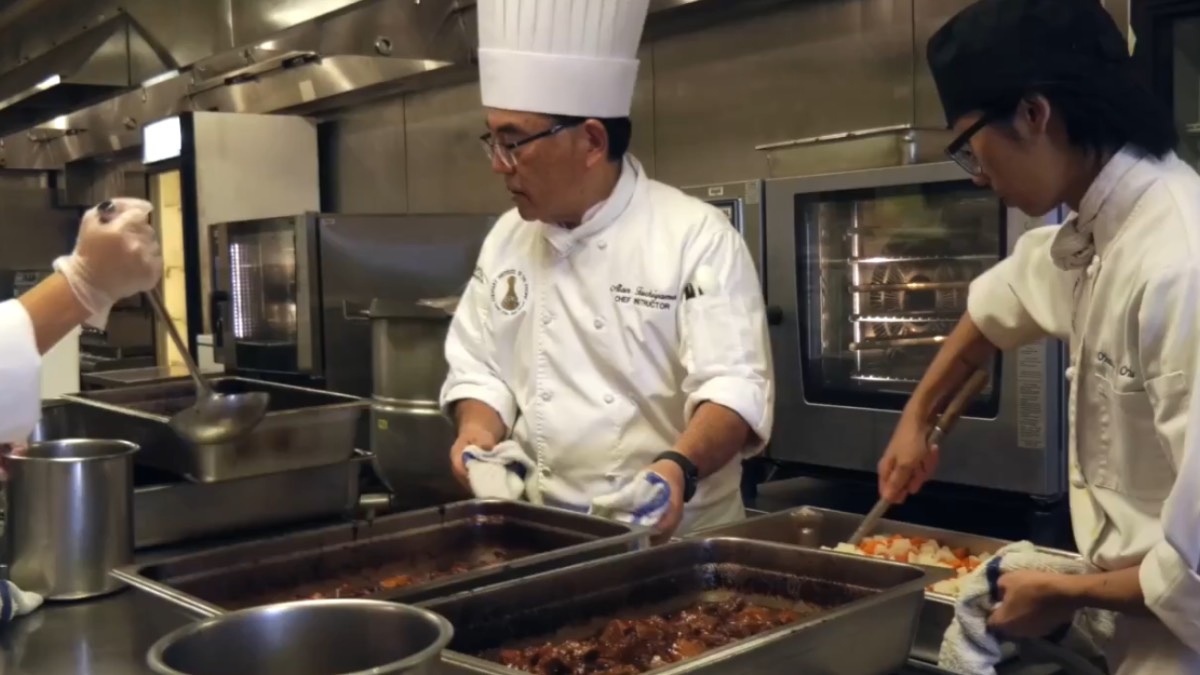
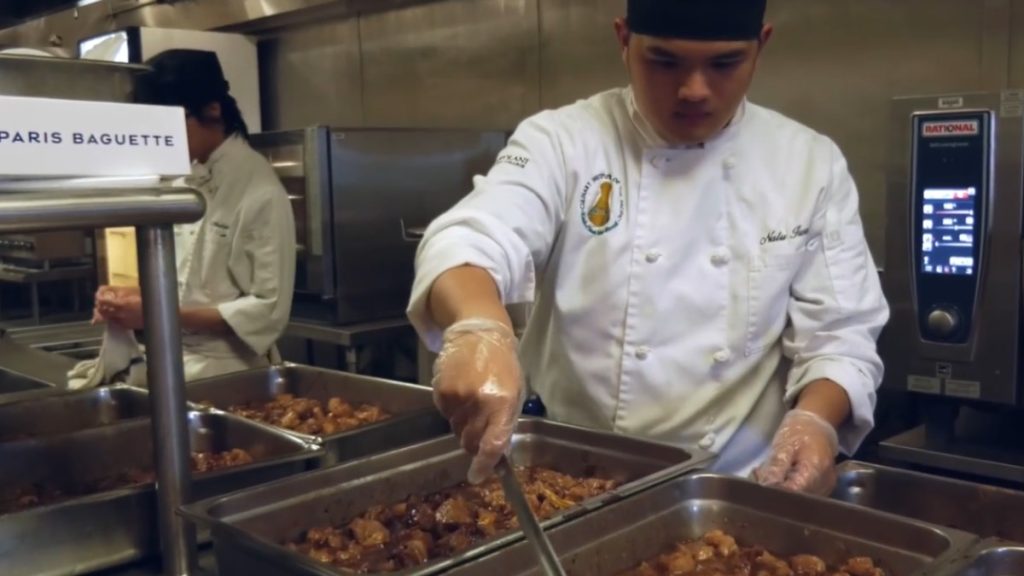
Culinary arts students and instructors at Kapiʻolani Community College on Oʻahu are making them free hot meals, including dishes such as sweet and sour pork, chicken curry, and chili with rice.
After the meals are prepared, they are frozen, packaged and flown to Kauaʻi to be distributed to students at the community college campus.
The initiative reflects a coordinated effort between the two University of Hawaiʻi community colleges to address immediate food needs while helping students regain a sense of stability and community.
Kauaʻi Community College student Brandon Routh said the meals have eased the financial pressure on students whose earnings suffered because “we don’t have to go buy food.”
“It helps a lot because … we did miss a lot of work, so our paychecks were impacted because we’re not salary workers,” he said.
The meal program grew out of a conversation between Kauaʻi Community College Chancellor Margaret Sanchez and Kapiʻolani Community College Chancellor Misaki Takabayashi, who looked for practical ways to support the Garden Isle campus after the hurricane disrupted the lives of an estimated 80% of its students.
Another Kauaʻi Community College student impact survey highlighted the extent of the need.
Among respondents, 39.2% reported losing food or groceries and continued to worry about reliable access to meals and essential supplies. Another 22.8% reported direct damage to their homes, 73.4% lost electricity and internet access, and 53.2% experienced lost income or reduced work hours.
Against that backdrop, the food deliveries have provided more than a meal, giving students a chance to gather and connect while navigating the storm’s lingering effects.
“The gift of hot meals from Kapiʻolani Community College not only provides meals for our campus ʻohana, but also allows us to come together and heal as a community,” Sanchez said.
Kapiʻolani Community College responded by mobilizing its culinary program, bringing students and instructors into the teaching kitchen for multiple cooking sessions.
The team prepares about 150 to 200 pounds of food each week, using a specialized cook-chill process to maintain food safety before packaging and transporting the meals to Kauaʻi.
For Kapiʻolani Community College Chef Alan Tsuchiyama, the effort carries a personal connection. He is a Līhuʻe native who grew up just minutes from the college.
“I think we should give Kauaʻi a hand in any way we can, whether it be financial or whether it be by food or volunteering,” Tsuchiyama said. “I think that is important — that we should always be helping those who need help.”
The project also gives culinary students an opportunity to apply their training to a real-world need, putting food preparation, safety and teamwork skills to work in service of another campus community.
Nalu Iwata, a third-year culinary student at Kapiʻolani Community College, volunteered to help prepare the meals, saying: “We want to help you guys out. We know how much you guys have been through.”
Takabayashi said the work also offers a tangible lesson to the students in how communities can respond when people support one another.