


Plastic pollution doesn’t take vacations — and luckily, neither does the Surfrider network.
Even as summer winds down, Surfrider activists have been hard at work reducing plastic pollution and protecting beloved places.
Here’s a look back at Surfrider Foundation’s top five highlights from summer 2026.
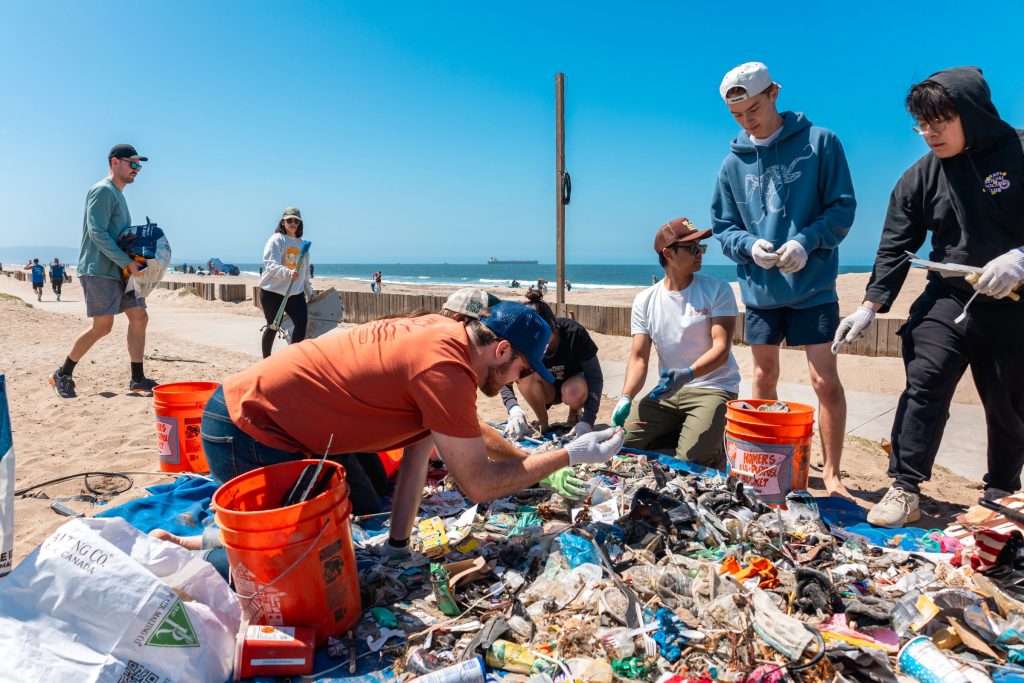
Dirtiest Beach Day 2026
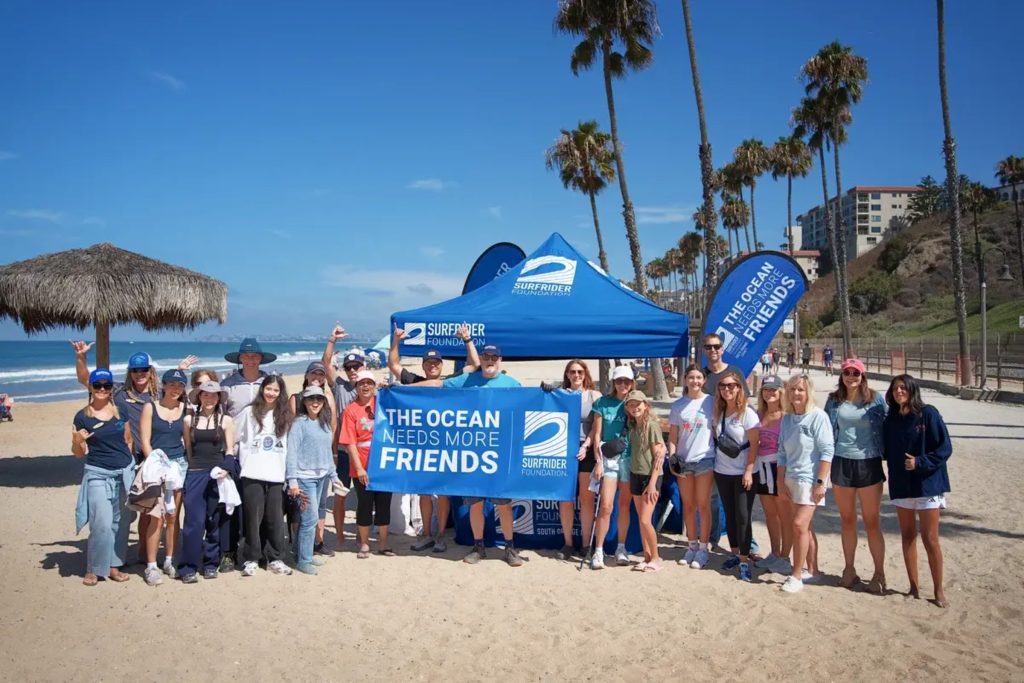
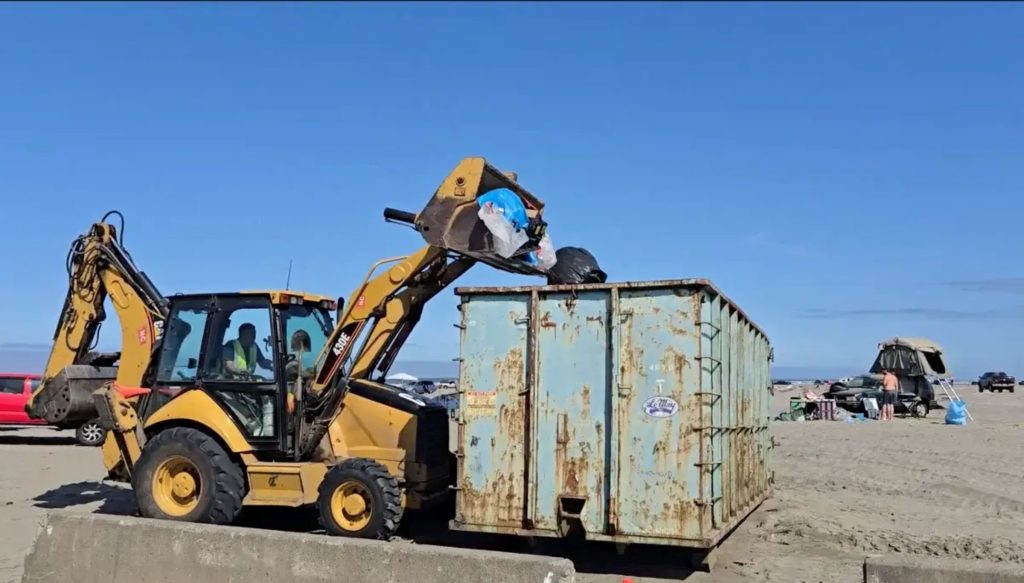
Every year, after fireworks fade and crowds head home, beaches throughout the United States are left covered in trash. Surfrider activists again were ready to take action in 2026, coming out in droves to clean up trash left behind after the holiday celebrations.
There were 37 Surfrider chapters in 13 states this year that hosted more than 50 cleanup events; 2,000 volunteers removed more than 44,000 pounds of trash and recyclables in just 1 day.
The top items found during these cleanups were:
- Fireworks.
- Cigarette butts.
- Plastic fragments.
- Lots of plastic foodware, including takeout containers, food wrappers, plastic bottles and caps as well as straws.
Ocean friendly businesses make case to oppose offshore drilling
The federal government is pursuing a new plan that will open vast stretches of U.S. coastlines to new offshore oil and gas drilling. Coastal businesses depend on clean beaches and waters, abundant wildlife and scenic viewsheds — all of which could be compromised by the expansion of offshore drilling and an increased risk of spills.
Ocean friendly businesses are standing up to this proposal and making their voices heard.
These businesses are sending a clear message: healthy oceans and thriving coastal economies go hand-in-hand and coasts are worth protecting.
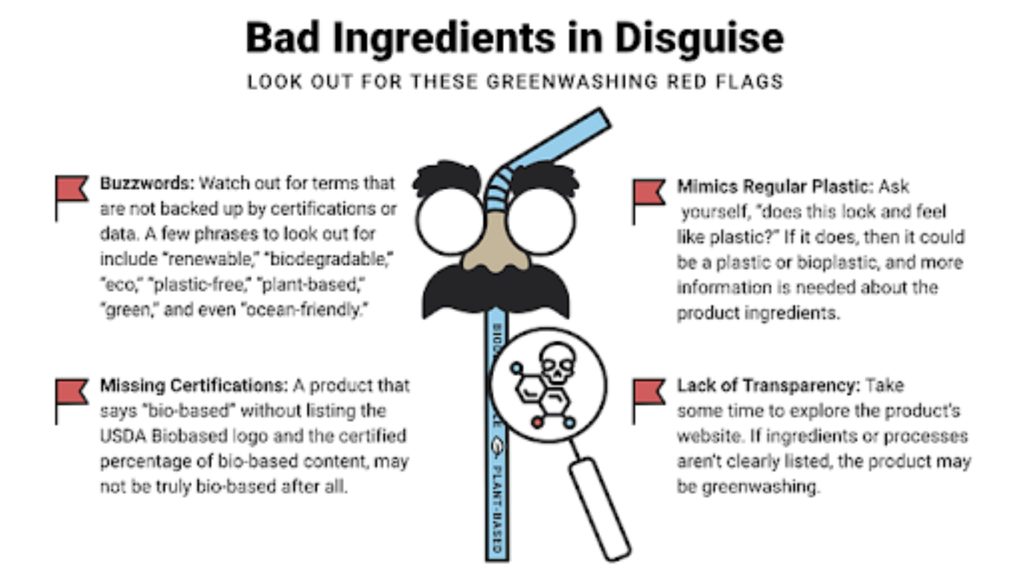
Mythbusting bioplastics
At first glance, bioplastics — or plastic products advertised as compostable or biodegradable — seem like a great alternative to regular plastics because they perform like plastic but are “eco-friendly.”
Spoiler alert: bioplastic materials are not a preferred alternative to conventional plastics.
Most bioplastic materials do not break down in the marine environment, shift the burden to other resources and perpetuate a single-use, “business as usual” mentality.
Check out the resources on Surfrider Foundation’s Bioplastic Facts & Resources webpage and explore the nonprofit’s bioplastics blog series to get the facts necessary to make informed choices.
Leading the way to creating an ocean-friendly community
The Select Board of the Town of Orleans, Mass., recently unanimously voted to adopt a resolution officially committing the town to becoming the first “Ocean Friendly Community.”
The resolution formally endorses the Orleans Coastal Stewardship Initiative and the town’s pursuit of ocean-friendly community designation. This action demonstrates the town’s commitment to protecting coastal and freshwater resources that define Orleans while creating a framework for continued environmental leadership.
The effort also recognizes that creating an “ocean-friendly” community goes beyond a single ordinance or cleanup effort.
It requires sustained collaboration, measurable progress and communitywide participation. Through public outreach, business engagement, waste reduction initiatives, environmental education, cleanup and data collection efforts as well as support for local policies, the initiative aims to create a replicable model that can expand to other coastal towns.
Want to help cultivate more ocean-friendly communities? Support an ocean-friendly restaurant or hotel.
New reports and resources
ICYMI: Two notable Surfrider Foundation products were recently launched, both full of useful and eye-opening information to help tackle plastic pollution.
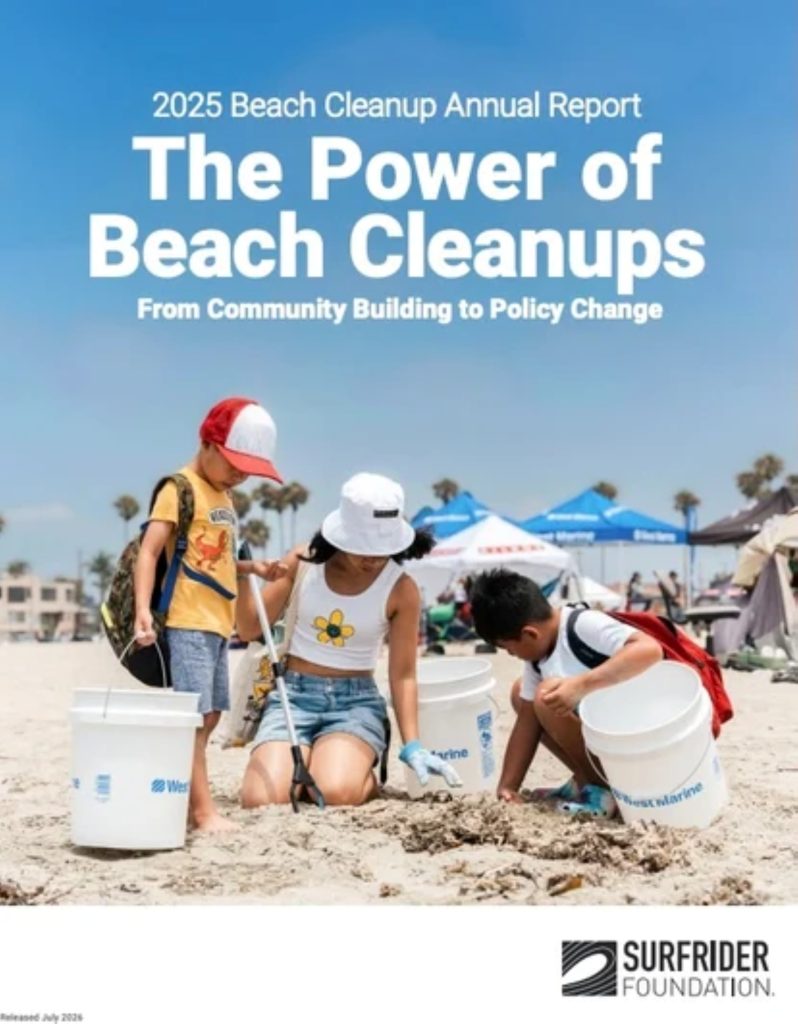
2026 Beach Cleanup Report
The seventh annual Beach Cleanup Report highlights beach cleanup data, regional case studies and science from 2025.
There were 34,000 volunteers who removed nearly 340,000 pounds of trash and recycling last year from coastal environments during 1,058 cleanups throughout the United States, ultimately intercepting and reducing the amount of plastic pollution flowing into the ocean.
A major focus of this year’s report is the incredible activists working tirelessly to clean up their beaches and sharing their stories about why cleanups are important to them and their communities.
The report also explores the harms of smoking waste — including the top littered item in the world, cigarette butts, and their alternatives, plus the ongoing need for widespread action to reduce the negative impacts of these toxic pieces of trash.
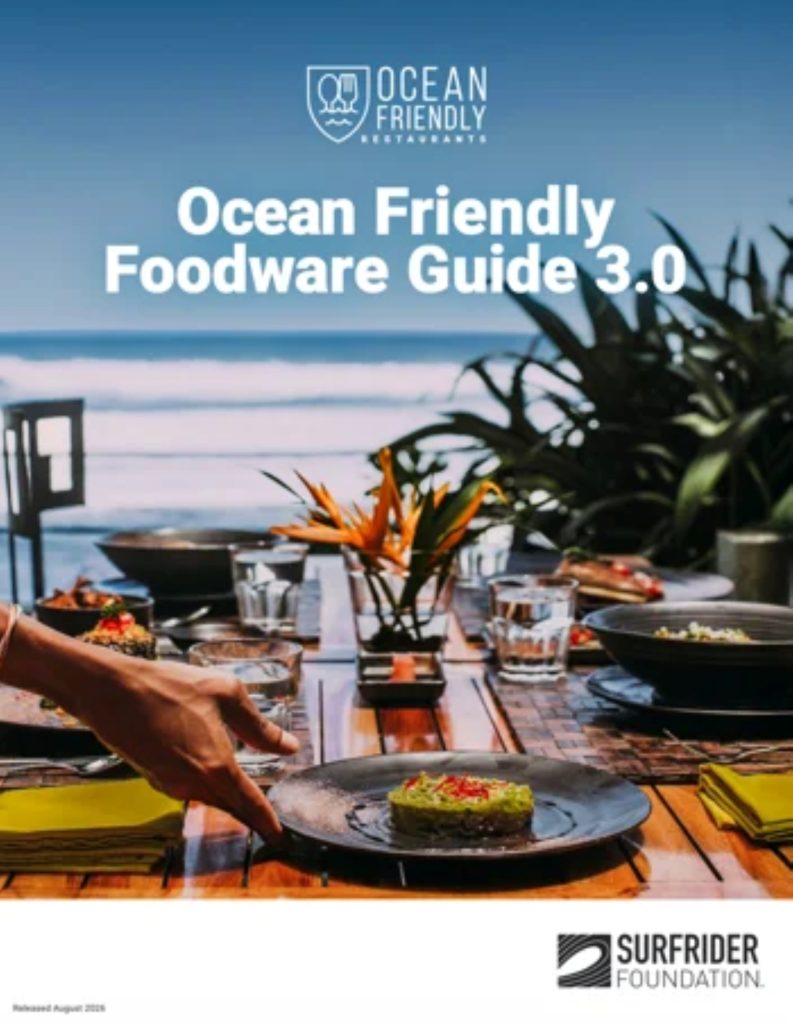
Ocean Friendly Foodware Guide 3.0
This report is an updated version of the Ocean Friendly Foodware Guide 2.0. Since that edition launched in early 2024, even more foodware products entered the market, all while ramping up production of plastics and bioplastics.
This resource is designed to equip restaurants and hotels with tools to choose the best “ocean-friendly” products for their businesses and avoid greenwashing.
Components of the Ocean Friendly Foodware Guide 3.0 include:
- Updated definitions of common labels and terms.
- New graphics to better understand the different types of bioplastics.
- A decision matrix to help review products and avoid greenwashing.
- An interactive foodware quiz to help determine “Is this product ocean friendly?”
- Buying guide with new products categorized as best choice, good alternative, what to avoid and what is assessed case-by-case.
- Case studies of real ocean-friendly resources.
- Exclusive vendor discounts for ocean-friendly businesses.
 Courtesy Photo: Surfrider Foundation
- Courtesy Photo: Surfrider Foundation

Summer is still going strong, so whether it’s attending a beach cleanup, signing an action alert, donating or supporting an ocean-friendly business, Surfrider hopes the public will join in with taking action to help reduce plastic pollution.
Want to join the fun? Join a Surfrider beach cleanup. Visit the Surfrider Foundation website and the Surfrider Kauaʻi website for additional information and upcoming events.