


The animated Disney Pixar ocean adventure “Finding Nemo” puts reef fish in the spotlight, and it’s hard to watch the moment when the movie’s clownfish namesake Nemo is taken from his reef home — the sadness, anger and simple feeling it was wrong.
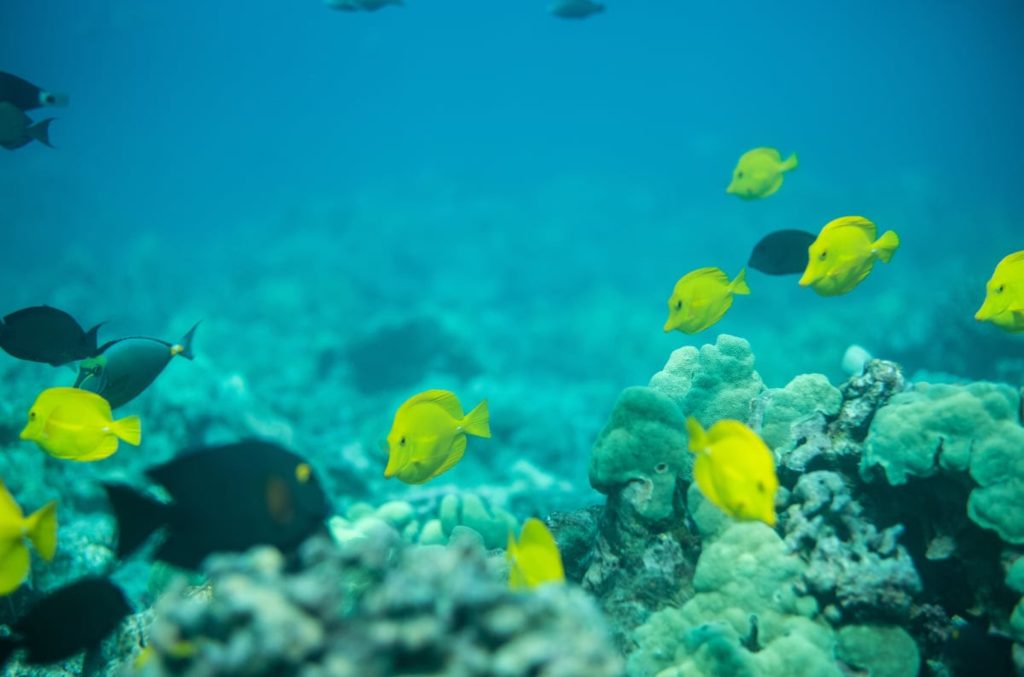
That moment, however, is not just a movie scene in the reefs of Hawaiʻi, and a nonprofit organization dedicated to the protection and enjoyment of the world’s oceans, waves and beaches for all people, urges people of the state to tell officials it shouldn’t be.
Surfrider Foundation Hawaiʻi Region explains the commercial aquarium fish collection trade historically removed hundreds of thousands of wild reef fish — just like Nemo — year-after-year from the Aloha State’s waters, shipping them thousands of miles away to be sold in pet and fish stores.
“Now, this harmful trade could reopen,” the foundation said in a recent email.
Hawaiʻi Board of Land and Natural Resources on Aug. 28 will make a critical choice about the future of the state’s reef fish: stand behind prohibiting commercial aquarium fish collection or assisting its future return.
“Our reef ecosystems are already under tremendous stress,” the foundation said, adding that stress is cumulative, caused by warming oceans and bleaching, land-based pollution, invasive algae and coastal development.
Protecting reef fish that support resilience becomes even more important as those pressures reduce the ability of reefs to recover.
“We should be reducing the pressures we can control, not introducing another extractive pressure,” said the foundation. “Now more than ever, we need healthy, abundant populations of reef fish to support our reefs and coastal communities.”
The state Land Board can continue prohibition of commercial aquarium fish collection — an approach it unanimously supported in 2023 — or advance new state Division of Aquatic Resources permitting framework to again open the state’s reefs to the trade.
Surfrider says reopening commercial aquarium fish collection makes little sense for Hawaiʻi.
Many targeted species, such as lauʻī pala (yellow tang), perform critical ecological functions that help reefs recover and remain resilient.
“Healthy, abundant reef fish support the ecosystems Hawaiʻi depends on for fisheries, traditional and customary practices, recreation, tourism, our economy and coastal protection,” said Surfrider Foundation Hawaiʻi Region.
The nonprofit is giving the public a way to take action today. Click here to tell Hawaiʻi Board of Land and Natural Resources to keep Hawaiʻi’s reef fish on the reef.
“Your message will be sent directly to the board as official testimony,” the foundation said.
Visit the Surfrider Foundation website to learn more about the history of the commercial aquarium fish collection trade in Hawaiʻi.