


Hawaiʻi Department of Health urges the public to be vigilant about health risks associated with heavy rains, high winds and power outages in the wake of Hurricane/Tropical Storm Lala.
Major storms create environmental conditions that can be detrimental to public health. Keep the following safety guidelines in mind as you clean up from the storm.
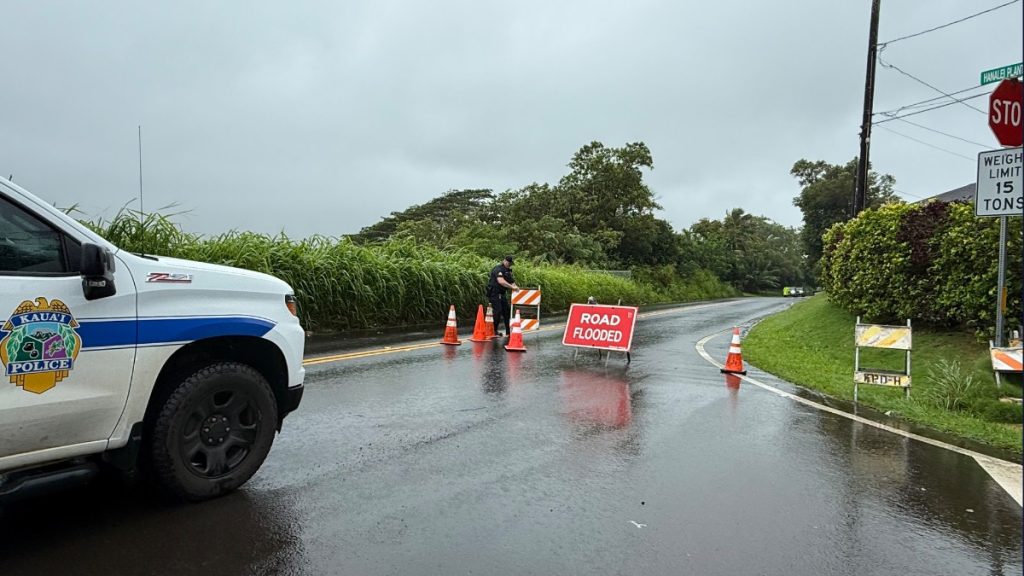
Statewide brown water advisory
A statewide brown water advisory remains in effect because of heavy rainfall and storm runoff. Residents should stay out of brown or discolored coastal waters and streams.
After storms or heavy rain, the water can contain higher than normal pollutant levels. The department recommends staying out of these affected waters for 48 to 72 hours after the rain stops and the beach received full sunshine.
Power outages and food safety
Food might not be safe after a power outage — even if it looks or smells normal. Discard food that came in contact with flood water and throw out any perishable food above 40 degrees. Never taste food to determine if it is safe. When in doubt, throw it out!
Food guidelines:
- Refrigerated food lasts less than 4 hours without power.
Frozen food lasts:
- Up to 24 hours in a half-full freezer.
- Up to 48 hours in a full freezer (if unopened).
- Frozen food that still contains ice crystals and never thawed doesn’t require disposal.
Floodwater safety
- Avoid wading or swimming in stormwater runoff or flood waters. Don’t drink from freshwater streams or ponds, which can contain the bacteria that causes leptospirosis.
- If you come into contact with floodwater:
- Wash exposed skin with soap and clean water as soon as possible.
- Use alcohol-based wipes or sanitizer if clean water is unavailable.
- Clean and cover any wounds and seek medical care if needed.
- Wash contaminated clothing in hot water with detergent before reuse.
Mosquito control
Standing water after flooding can increase mosquito populations.
- Drain standing water from containers, tarps, gutters and catchment systems.
- Cover water storage containers.
- Use U.S. Environmental Protection Agency-registered insect repellent and wear protective clothing.
- Repair window and door screens.
- While diseases such as dengue and others are not currently present in Hawaiʻi, controlling mosquitoes is the best way to prevent them.
Handling electric vehicle batteries after a flood
Electric or hybrid vehicle batteries that were submerged in floodwater could be damaged. A damaged battery might show signs such as smoke or unusual noises, but sometimes there are no obvious warning signs.
- If you think your battery was damaged by flooding:
- Do not try to charge or drive the vehicle until it is inspected by a dealer or certified EV/hybrid mechanic.
- Stay away from the vehicle.
- Do not store the vehicle indoors or near buildings because it could catch fire or release hazardous gases.
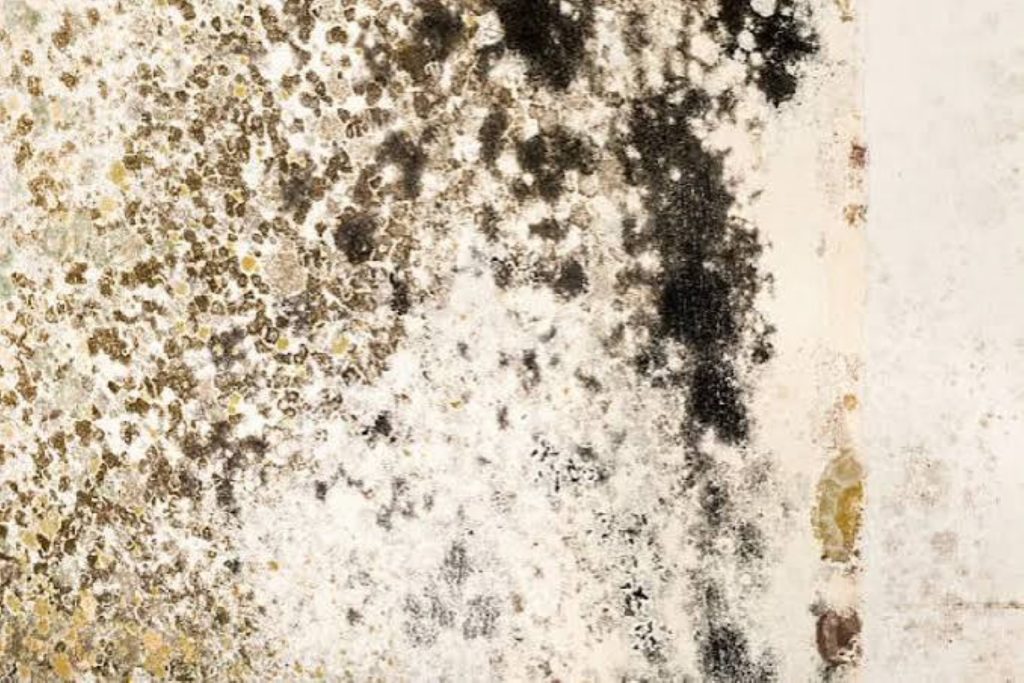
Mold
Mold growth can begin quickly after flooding and can pose health risks. Any indoor mold should be addressed promptly:
- Wear protective gear such as gloves, N-95 masks, boots and eye protection during cleanup.
- Before cleaning, lightly spray moldy surfaces with a soapy solution to reduce airborne particles.
- Clean with soap and water, then disinfect using a bleach solution (1 cup bleach to 1 gallon of water).
- Open windows and doors first and air out room after cleaning.
- Never mix bleach with other cleaning products containing ammonia. Use as directed on label.
- Allow at least 15 minutes of contact time, then rinse and dry thoroughly.
- Discard materials that cannot be safely cleaned, including carpets, mattresses, upholstery and other porous items wet for more than 24 to 48 hours, or items that cannot be laundered or disinfected.
When to seek medical care
Seek medical attention if you experience:
- Signs of wound infection (redness, swelling, drainage, fever).
- Persistent cough, wheezing or breathing difficulty.
- Vomiting, diarrhea or stomach pain after exposure.
- Fever, headache, rash or joint pain after mosquito bites or floodwater exposure.
- A tetanus booster could be recommended for contaminated wounds.
Monitor mental health
Recovery after flooding can be emotionally taxing. Seek support if experiencing anxiety, depression or trauma-related symptoms. Hawaiʻi CARES is available 24/7 by calling or texting 988.
Click here for more detailed information and resources about staying safe and cleaning up after the storm.