


University of Hawaiʻi regents approved during their Nov. 19 board meeting a 4-year schedule that freezes tuition throughout all 10 of the university system’s campuses for 2 years — with one exception.
How much it costs to attend one of the university’s campuses will then increase — each at varying levels — in fall 2029. A 5% annual tuition increase at University of Hawaiʻi at Hilo Daniel K. Inouye College of Pharmacy starts earlier, in fall 2027, to help meet accreditation requirements and cover operating costs.
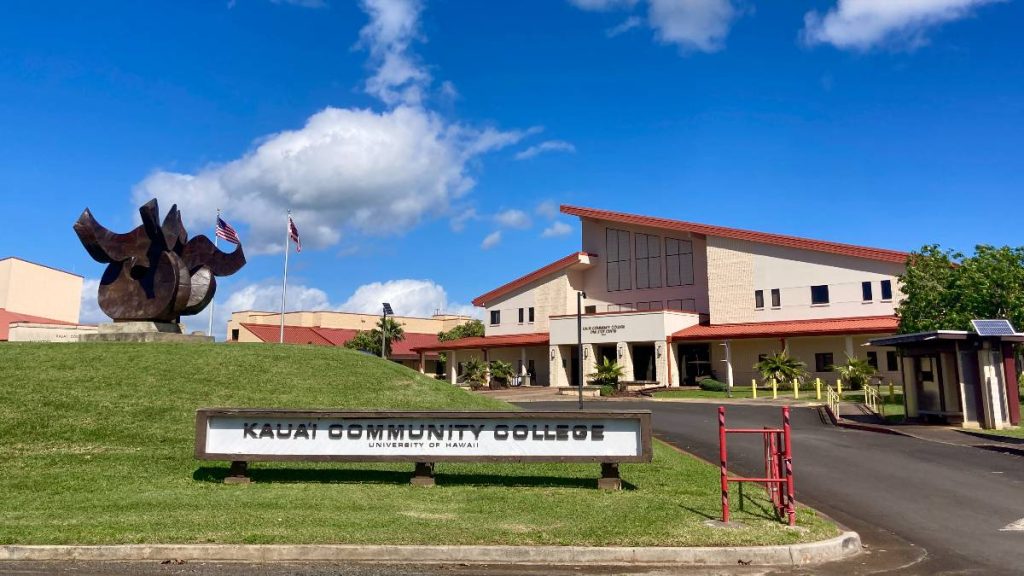
New tuition schedule terms will be in effect from fall 2027 through the 2030-31 academic year.
University of Hawaiʻi tuition barely changed during the past decade, while inflation pushed up operating costs. It is lower today when adjusted for inflation than it was 10 years ago.
The university’s campuses plan to use the additional tuition revenue to maintain course offerings and workforce programs, repair aging facilities and make additional investments in advising, tutoring and need-based scholarships.
New tuition schedule starting in fall 2027
Undergraduates at University of Hawaiʻi 4-year campuses pay a flat full-time tuition rate once they enroll in 12 credits per semester and can take additional credits at no additional tuition cost.
University of Hawaiʻi at Mānoa
- Academic years 2027-28 and 2028-29: No increase.
- Academic year 2029-30: 5% increase; resident undergraduate tuition increases from $11,760 to $12,360 annually.
- Academic year 2030-31: 5% increase; resident undergraduate tuition increases to $12,984 annually.
- Nonresident undergraduate tuition would increase by the same percentage.
- Increases apply to undergraduate, graduate and professional tuition rates.
University of Hawaiʻi at Hilo
- Academic years 2027-28 and 2028-29: No increase for undergraduate and graduate tuition.
- Academic year 2029-30: 3% increase; resident undergraduate tuition increases from $7,632 to $7,872 annually.
- Academic year 2030-31: 3% increase; resident undergraduate tuition increases to $8,112 annually.
- Nonresident undergraduate tuition would increase by the same percentage.
- Graduate and graduate nursing tuition would remain unchanged all 4 years.
University of Hawaiʻi at Hilo Daniel K. Inouye College of Pharmacy
- 5% annual tuition increase in each of the 4 years.
- Additional revenue would support accreditation requirements, faculty and staff, research resources, technology, facilities and other operational needs.
University of Hawaiʻi — West Oʻahu
- Academic years 2027-28 and 2028-29: No increase.
- Academic year 2029-30: 3% increase; resident undergraduate tuition increases from $7,632 to $7,872 annually.
- Academic year 2030-31: 3% increase; resident undergraduate tuition increases to $8,112 annually.
- Nonresident undergraduate tuition would increase by the same percentage.
University of Hawaiʻi community colleges
- Academic years 2027-28 and 2028-29: No increase in lower-division tuition.
- Academic year 2029-30: Resident lower-division tuition increases from $131 to $135 per credit.
- Academic year 2030-31: Resident lower-division tuition increases to $139 per credit.
- For a student taking 24 credits annually, tuition would increase from $3,144 today to $3,336 by academic year 2030-31 — an increase of $192.
- Nonresident undergraduate tuition would increase by the same percentage.
- Upper-division tuition would increase at the same levels as University of Hawaiʻi at Hilo and University of Hawaiʻi — West Oʻahu.
Summer school tuition for Hawaiʻi residents was reduced in 2025 to match the regular resident tuition rate, would continues at the same rate as resident lower-division tuition, including the proposed increases.
Public meetings and online feedback
About 35 people, most of them University of Hawaiʻi at Mānoa students, testified during the regents’ recent board meeting. All were opposed to the proposal.
University of Hawaiʻi began developing the tuition schedule in spring 2026 and announced the proposal Sept. 11. The university hosted four public meetings in October on Oʻahu, Hawaiʻi Island, Kauaʻi and Maui, which drew 40 people in-person, 220 people via Zoom and 9 people providing oral testimony.
Feedback was also invited from Sept. 21 to Oct. 22 through a Google Form. The form received 184 responses, including 117 written comments.
During the public review period, 126 people submitted written comments or testified at one of the four public meetings. Of those, 79% were University of Hawaiʻi students.
A report to the regents found that public comments generally opposed tuition increases. Affordability was the most common concern, raised by 75% of those who commented.
Some welcomed the 2-year freeze, lower summer tuition at community colleges and support such as peer tutoring and financial aid.