


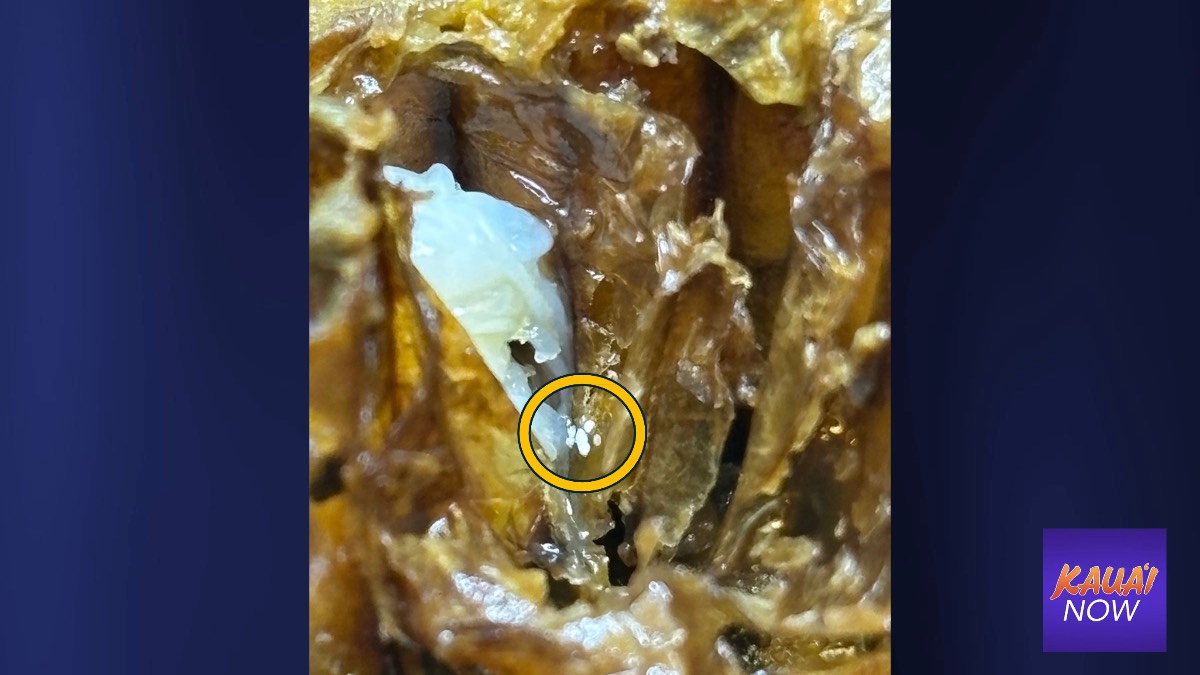
The discovery of invasive varroa mites in a feral honeybee colony on Kauaʻi has raised concerns among local beekeepers, as state officials launch monitoring efforts to determine whether the destructive paraiste has spread to other colonies on the Garden Island.
Varroa mites are tiny, reddish brown, flattened external parasites that attack honey bees. They can weaken colonies and spread viruses that can lead to colony collapse.
The Hawaiʻi Department of Agriculture and Biosecurity confirmed the presence of varroa mites in a feral bee colony discovered on Nov. 9.
Jai Cunningham, public information officer with the agriculture department, told Kauaʻi Now that all the mites were found “in a livestock container on the Garden Island,” but would not disclose the exact location.
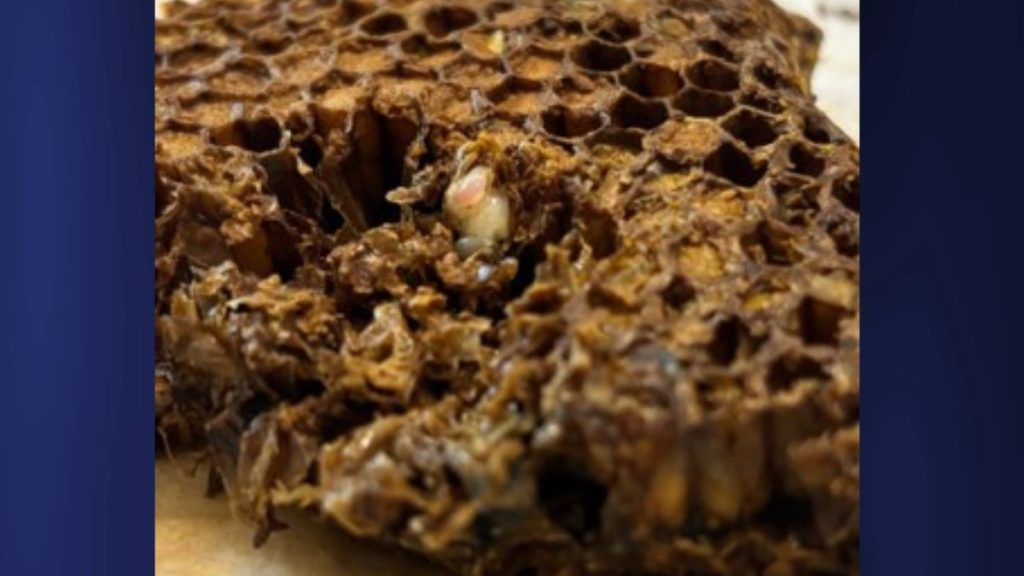
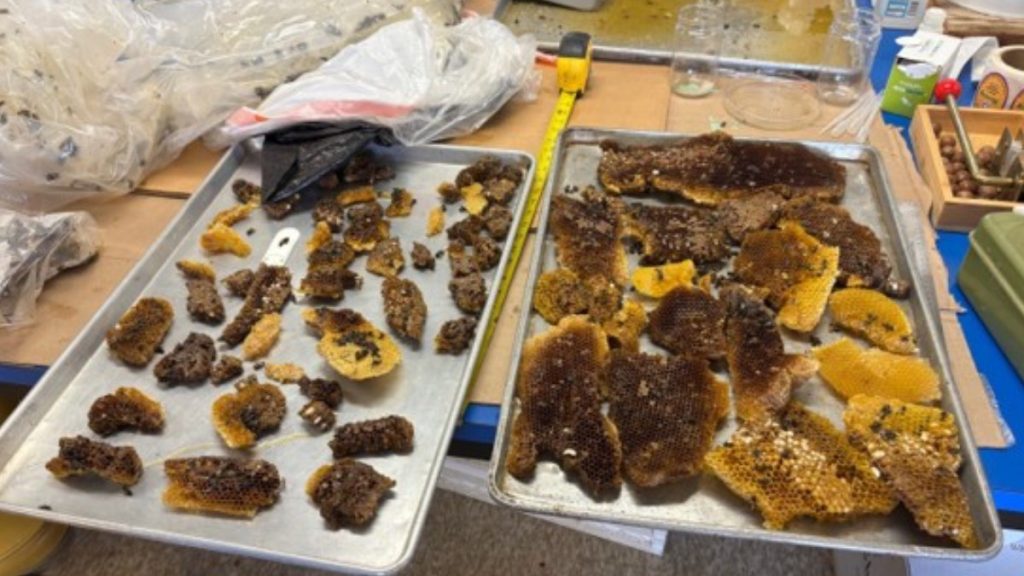
A local beekeeper immediately destroyed the colony, and samples were collected for examination by specialists from the University of Hawaiʻi at Mānoa and the agriculture department. Testing confirmed a low infestation level of the varroa mites, according to the agriculture department’s press release.
“It’s very troubling,” said Alan Spencer, a bee educator at the Kauaʻi Community College.
“We’ve known for a long time that this could happen, and it seems it has finally happened. This has been a big fear for Kauaʻi beekeepers for a long time because Kauaʻi is literally one of the last places on Earth where the varroa mite has not taken hold.”
Spencer said it is important to do additional testing to determine if the varroa mites have spread to other beehives on Kauaʻi.
Bee educators at the community college have warned their students and beekeepers against bringing bees to Kauaʻi from other islands or elsewhere due to the risk of introducing pests and diseases.
The varroa mite attacks adult honeybees as well as their larvae and pupae, posing a significant threat to honeybee colonies.
Adult mites are approximately 1 to 1.5 millimeters long, reddish-brown, flattened and crab-shaped.
Infestations also can contribute to malformed emerging bees and eventually cause declining honeybee populations.
Because honeybees play an important role in pollination, widespread infestations can also affect agricultural production and the broader ecosystem.
The invasive pest was first detected in Hawaiʻi in April 2007 by a beekeeper in Mānoa on Oʻahu. Before the Kauaʻi discovery, varroa mites were known to be established on Oʻahu and Hawaiʻi Island.
The University of Hawaiʻi at Mānoa College of Tropical Agriculture and Human Resilience plans to offer in-person workshops as a precaution.
Dates and times have not yet been announced.
Spencer cautioned against assuming the mites have already spread, saying the results of upcoming monitoring will be critical.
If additional colonies test positive, the situation could become considerably more difficult to manage, he said.
The arrival of the varroa mites comes three days before the Kauaʻi County Council passed the first reading of Bill 2997 and Bill 3015, on Nov. 12., which would allow local beekeepers to operate apiaries in residential and other nonagricultural areas
The state urges beekeepers and apiary operators to stay vigilant and report suspected infestations. Anyone who suspects varroa mites in a honeybee colony can contact the Hawaiʻi Department of Agriculture and Biosecurity’s Pest Hotline by calling 808-643-PEST (7378).