


The ʻakikiki, a native Hawaiian forest bird found only on Kauaʻi, is now thought to be extinct in the wild. The last-known individual, nicknamed “Pakele,” was observed Aug. 29, 2025, and not seen since.
New research strongly implicates avian malaria, transmitted by non-native mosquitoes, in the collapse of the species.
Scientists warn that preventing further forest bird extinctions on Kauaʻi and throughout Hawaiʻi will require emergency conservation breeding and translocations alongside expanded mosquito control.
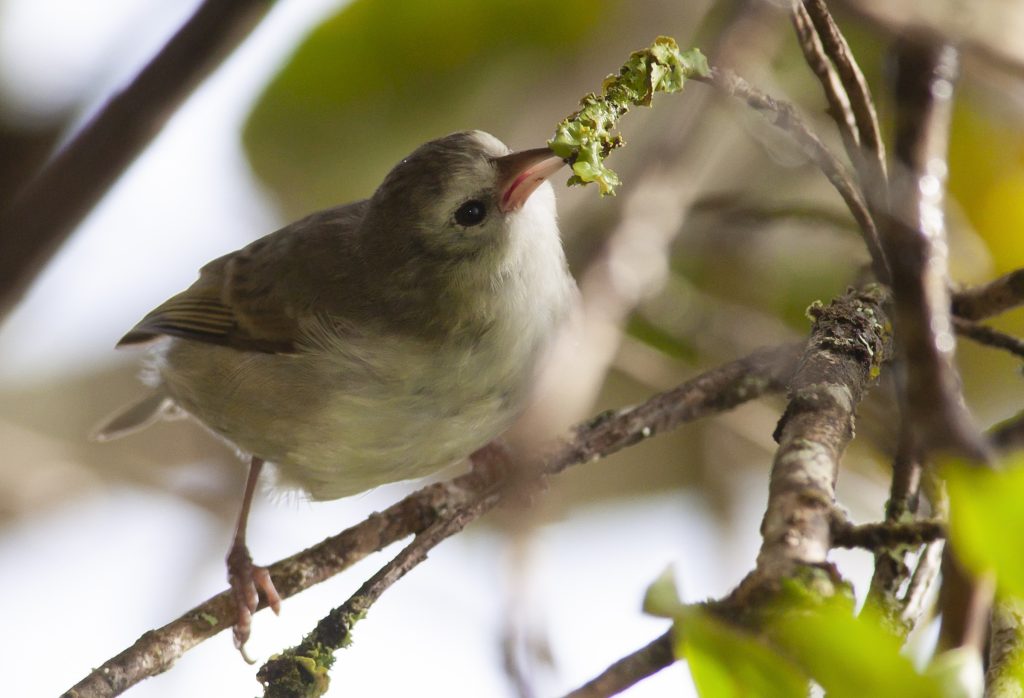
The study — published in Ornithological Applications — was conducted by Justin Hite, Lisa Crampton and Eben Paxton with funding from Hawai’i Department of Land and Natural Resources Division of Forestry and Wildlife and U.S. Fish and Wildlife Service.
It draws on monitoring from 2015 to 2022 by Kauaʻi Forest Bird Recovery Project.
Researchers documented the decline of ʻakikiki breeding pairs and a sharp decline in adult survival at Halepaʻakai in Alakaʻi Wilderness Preserve, foreshadowing the eventual extinction in the wild and includes mounting evidence linking these losses to mosquito-borne avian malaria.
“Despite relatively stable nesting success, the population continued to collapse as avian malaria infections increased,” said Division of Forestry and Wildlife Mosquito Control Project Coordinator Justin Hite, who was formerly with Kauaʻi Forest Bird Recovery Project. “The findings indicate that increased mortality, rather than reproductive failure, drove the decline and provide compelling evidence of the devastating impact of mosquito-borne disease.”
Hawaiʻi’s high-elevation forests for decades provided a refuge from mosquitoes and avian malaria they transmit.
Rising temperatures allowed mosquitoes to expand into these formerly protected habitats, threatening other native forest birds including the critically endangered ʻakekeʻe, as well as ʻanianiau, Kauaʻi ʻamakihi and Kauaʻi ʻelepaio.
Only a few ‘akekeʻe remained in the wild as of October. Populations of ‘anianiau and Kaua‘i ‘amakihi now number fewer than 500 birds.
“This research reinforces the importance of addressing avian malaria as a major threat to Hawaiʻi’s native forest birds,” said Division of Forestry and Wildlife Administrator Marigold Zoll. “Mosquito control, conservation breeding and translocations each play an important role in our conservation strategy. Together, these approaches offer the best opportunity to prevent further losses and support the long-term recovery of these species.”
Conservation breeding, started in 2015, already prevented the ʻakikiki’s complete extinction, with 31 birds in human care as of September.
Hawai‘i Department of Land and Natural Resources and partners at San Diego Zoo Wildlife Alliance and Honolulu Zoo are pursuing similar emergency measures for other declining species, including conservation breeding and translocations to safer areas.
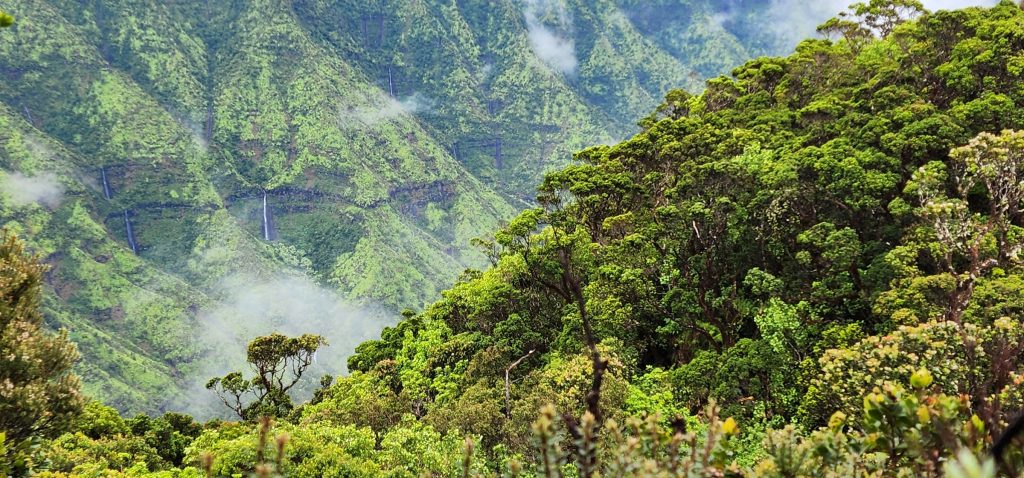
“These emergency measures are essential to keeping species from disappearing while we work toward long-term solutions,” said Honolulu Zoo Director John Berry. “Our goal is to restore healthy populations in their native forests, but we must first ensure they survive long enough to make recovery possible.”
Additional information is available at the Kauaʻi Forest Bird Recovery Project website.