


Hawaiʻi Department of Land and Natural Resources received notice Thursday that U.S. Department of the Navy and NASA withdrew their final environmental impact statement covering Pacific Missile Range Facility and Kōkeʻe Park Geophysical Observatory on Kauaʻi.
The agencies plan to amend the environmental impact statement for the leased sites before resubmitting in 2027.
“[Hawaiʻi Department of Land and Natural Resources] commends the Navy and NASA for their decision to withdraw the [final environmental impact statement], which we believe to be in the best interest of the people of Hawaiʻi,” said Hawaiʻi Department of Land and Natural Resources First Deputy Director Dave Day. “The purpose of an environmental impact statement is to provide decision-makers and the public with as much information about a project as possible so well-reasoned decisions about the use of state land can be made in accordance with Hawaiʻi law.”
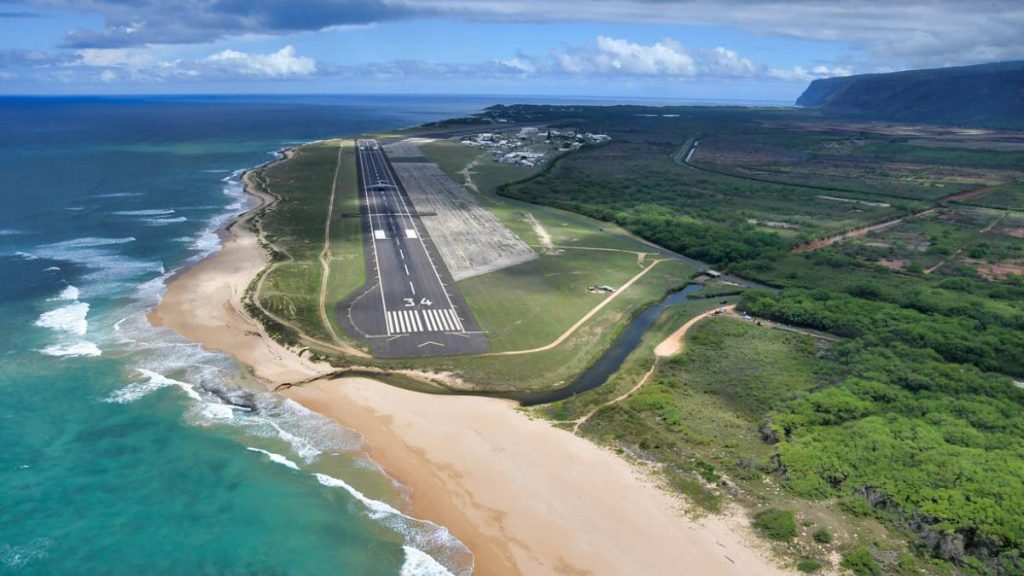
The final environmental impact statement for the missile range facility and observatory — as a result of this decision — will therefore not be presented to Hawaiʻi Board of Land and Natural Resources for determination about its acceptability.
If Navy and NASA officials elect to submit another draft environmental impact statement, it must again meet all requirements for filing, distribution, publication, review and notification, including offering a new public comment period.
“We recognize we have an important opportunity to further enhance the [environmental impact statement],” said U.S. Navy Region Hawaiʻi Commander Rear Adm. Rich Jarrett. “The feedback we received has been valuable, and we are ready to put in extra effort to identify ways to further develop and refine the document, building on the significant work we have completed to date.”
The Navy and NASA will continue important collaborative efforts and work closely with the community and state Land Department throughout the environmental impact statement process connected with the 2 sites on Kauaʻi lands leased by the state to the federal agencies.
Both agencies have been and will continue to be responsive to Hawaiʻi Department of Land and Natural Resources requests for clarification and information. They assured the community Thursday upon announcing their decision that there will be additional opportunity for public comment.
“Whether a person agrees or disagrees with this particular project, the Navy and NASA’s decision to withdraw the [final environmental impact statement] and potentially work to address concerns demonstrates respect for Hawaiʻi law and a responsiveness by federal agencies to the views of the people of Hawaiʻi who made their voices heard,” Day said.
The Navy and the NASA on Aug. 14 filed the final Pacific Missile Range Facility and Kōkeʻe Park Geophysical Observatory real estate environmental impact statement with the state Land Department and Hawaiʻi Office of Planning and Sustainable Development Environmental Review Program.
That set the original 30-day acceptance deadline for Sept. 13.
Hawaiʻi Department of Land and Natural Resources then granted a Sept. 4 request by both agencies for a 15-day extension, pushing back the deadline to Sept. 29.
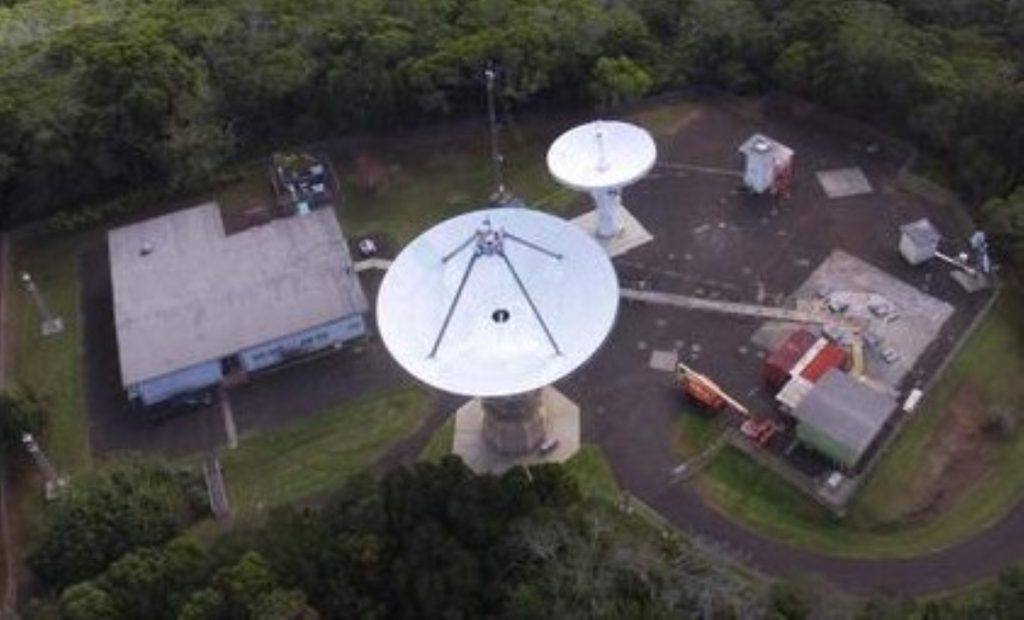
State Land Department officials on Sept. 14, however, suspended the acceptance deadline to protect the public’s ability to participate in the review following impacts of Hurricane Lowell on Kauaʻi.
That decision, pursuant to Hawaiʻi Gov. Josh Green’s second proclamation relating to September 2026 tropical cyclones, was intended to provide the people of Kauaʻi a meaningful opportunity to participate in any Hawaiʻi Board of Land and Natural Resources consideration of the final environmental impact statement.
The emergency period under the current version of Green’s proclamation is set to expire Dec. 20, but withdrawal of the final environmental impact statement renders such deadline moot.