


The Federal Emergency Management Agency denied individual aid for Hawai‘i and Kaua‘i residents who were impacted by Hurricane Lala in August and Hurricane Lowell in September.
These denials come after the federal agency granted individual aid following the South Kona earthquake in May and the Kona low storms in March. Hawaiʻi County officials received word about FEMA’s decision regarding Lala on Oct. 22 and plans to appeal.
According to a statement from Kaua‘i County officials, the county is in ongoing discussions with the Hawaiʻi Emergency Management Agency about next steps, including whether to appeal.
They will share updates once a decision has been made.
The county and its partners continue to support residents affected by Hurricane Lowell. Residents who need help can call 211 or visit the county’s Kauaʻi Recovers website for current information on available resources and recovery services.
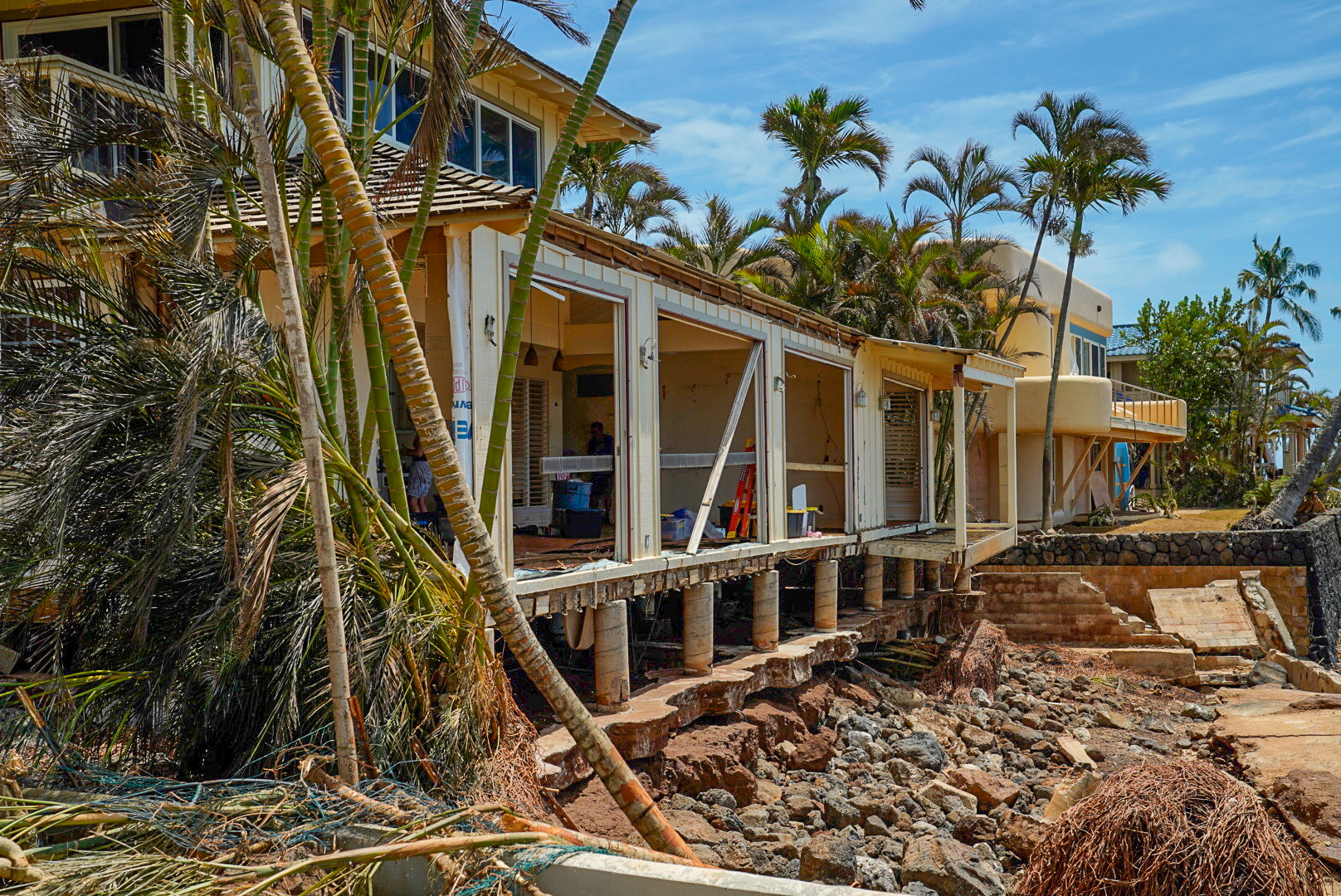
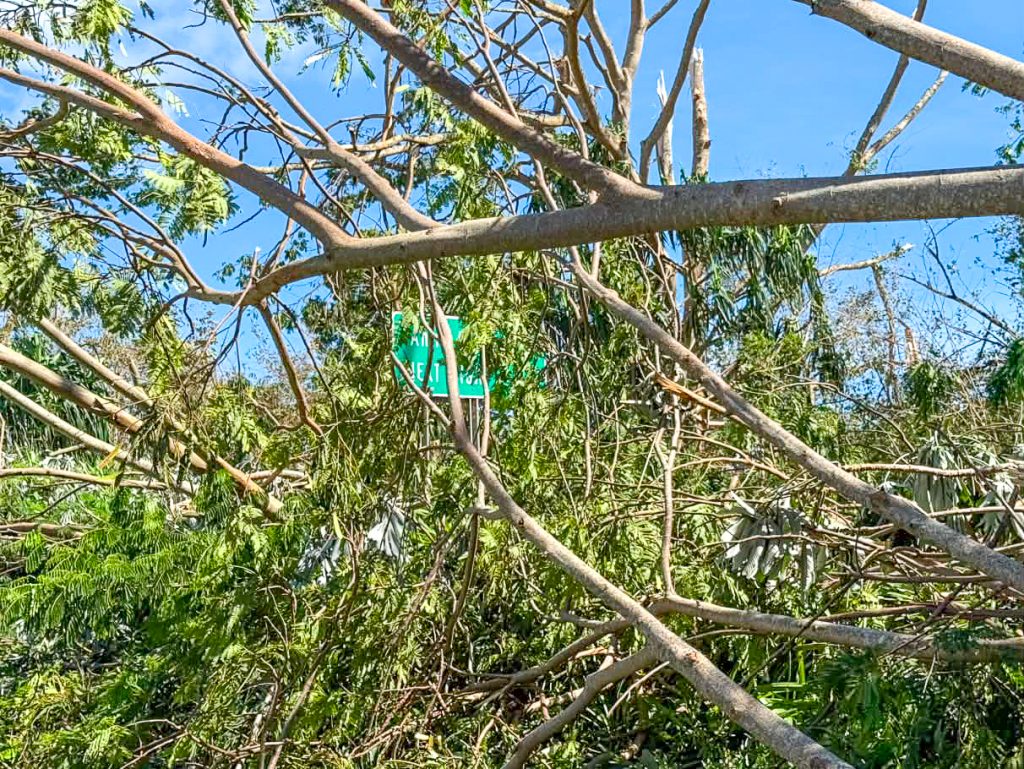
Lowell hit Kaua‘i and Ni‘ihau on Sept. 7, bringing storm surge that severely damaged coastal areas along the south and west shores. Winds reaching 70 mph or more brought down trees island-wide, blocking roads and damaging power lines, causing more than 90% of the entire island to be without power.
Homes were swept off their foundations in Po‘ipū.
In a state press conference with Hawai‘i Gov. Josh Green on Sept. 23, officials shared that preliminary public infrastructure damage caused by Lowell was estimated at $93,721,250. An estimated 247 homes were impacted with 10 destroyed, 67 with major damage, 96 with minor damage and 74 affected.
FEMA didn’t provide specifics as to why they denied individual aid for Lala. In an email to Big Island Now, a FEMA spokesperson stated:
“FEMA follows the Stafford Act and its regulations to support the determination process on whether federal assistance is warranted to supplement state, local or territorial efforts and capabilities provided by Hawai‘i. The law and regulations require FEMA to review each request closely and consider the unique circumstances of disaster-caused damages as well as state and local capacity.”
The email goes on to state that FEMA assesses a number of factors to determine the severity, magnitude and impact of a disaster event.
“The factors considered when a Major disaster declaration request is being reviewed include estimated cost of the assistance, localized impacts, insurance coverage in force, hazard mitigation, recent multiple disasters, programs of other federal assistance, state fiscal capacity and resource availability, uninsured home and personal property losses, disaster-impacted population profile, impact to community infrastructure, casualties, and disaster-related unemployment,” according to the FEMA statement.
The decision comes as the Trump Administration has cut staff to FEMA and FEMA’s grant funding, and is working on shifting major responsibilities of disasters to state governments.