


Hawaiʻi Department of Health reports a wastewater sample from Kauaʻi County tested positive for H5N1 avian influenza.
The sample was collected Oct. 14 at a site in East Kauaʻi; state health officials were notified Oct. 26 about the result.
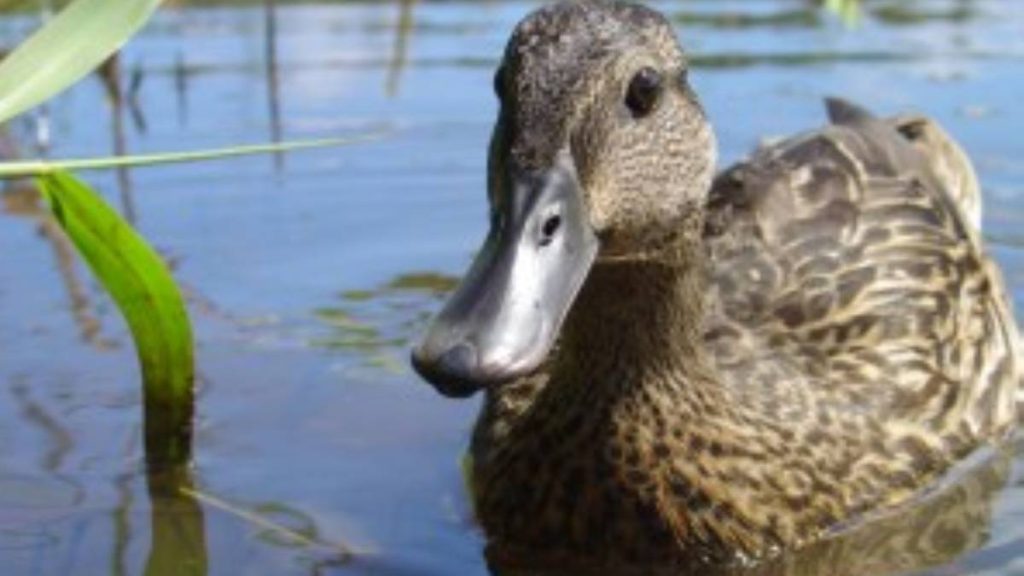
This is the first detection of the H5N1 virus associated with this year’s seasonal bird migration and also the first detection of the D1.1 genotype in Hawaiʻi. That genotype is now the predominant genotype in infected wildlife and domestic poultry in the United States.
There have also been isolated detections of D1.1 infecting dairy cattle. Hawai‘i Department of Health continues to test milk from the local dairy and there have been no detections of H5N1.
Genotype A3 was the strain previously detected in Hawaiʻi.
A small number of human cases of genotype D1.1 were reported nationally; however, human cases of avian flu are rare.
No human-to-human transmission of the virus is reported.
“While the risk to the public remains low, avian influenza can cause severe illness and high mortality among certain bird populations, including poultry,” said Deputy State Epidemiologist Dr. Nathan Tan. “Commercial poultry producers and residents with backyard flocks are strongly advised to increase biosecurity measures to reduce the risk of infection.”
Avian influenza can also infect dairy cows, Tan added, and while pasteurized milk is safe to consume, raw milk should be avoided.
For the municipal wastewater sample collected on Oct. 14 by Kauaʻi County,
Digital polymerase chain reaction testing did not detect H5 avian influenza in the Oct. 14 Kauaʻi County wastewater sample; however, genomic sequencing identified genetic material from H5N1 avian influenza genotype D1.1.
The difference in results is not unusual. Digital polymerase chain reaction tests for specific genetic targets, while sequencing can identify genetic material present in very small amounts.
A subsequent sample collected Oct. 21 tested negative for H5 avian influenza; genomic sequencing results for that sample are still being processed.
Detection of H5 genetic material in wastewater does not mean live, infectious virus is present. Wastewater testing also cannot determine whether the source of the genetic material is animal, human or environmental contamination.
An H5 signal does not confirm a clinical case or indicate community transmission. It serves as an early indicator that can prompt increased awareness and monitoring.
The East Kauaʻi wastewater treatment plant is an open system, meaning the detection could be associated with a variety of sources, including contaminated products or waste from infected animals or people.
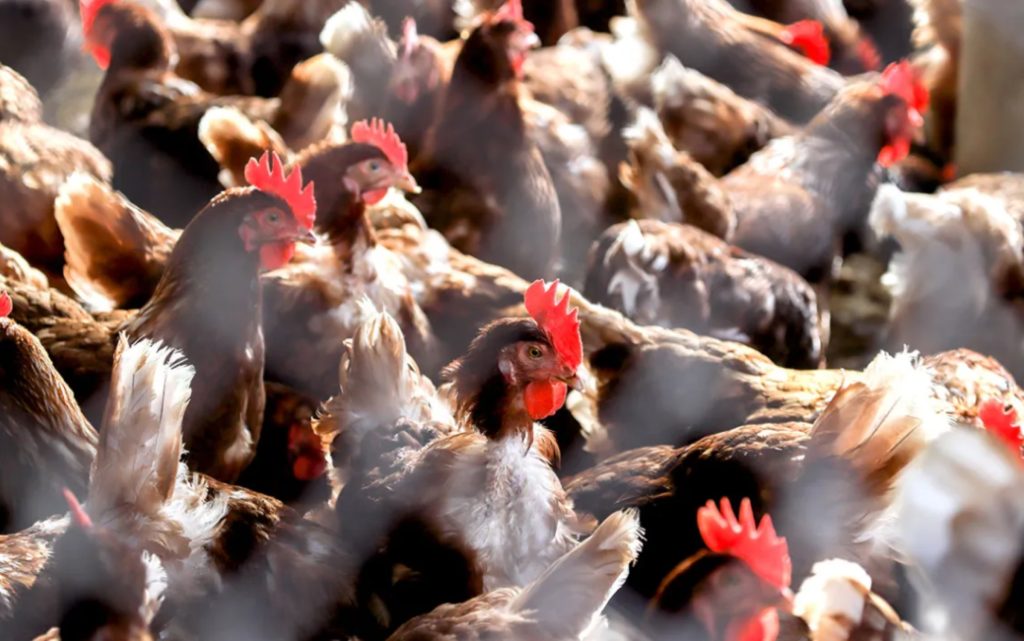
Wastewater sampling is routinely conducted throughout Hawaiʻi to support infectious disease surveillance.
Hawaiʻi Department of Agriculture and Biosecurity offers residents who need to remove a dead wild bird from their property the following recommendations:
- Wear disposable gloves or turn a plastic bag inside out and use it to pick up the carcass.
- Double-bag the carcass and dispose of it with regular trash.
- Wash your hands and disinfect your clothing and shoes after handling a dead wild bird.
- Monitor for any health symptoms that might develop afterward.
Contact the Hawaiʻi Department of Agriculture and Biosecurity Animal Industry Division at 808-483-7100 or via email at hdoa.ldc@hawaii.gov from 7:45 a.m. to 4:30 p.m. Monday through Friday to report multiple or unusual illnesses in poultry, livestock or other wild birds or animals.
Call 808-837-8092 for reports outside business hours or on holidays.
Residents who think they were exposed to sick birds or other wildlife should contact the Hawaiʻi Department of Health Disease Outbreak Control Division Disease Reporting Line at 808-586-4586 for additional guidance.
Resources for avian influenza
- Hawaiʻi Department of Agriculture and Biosecurity Animal Disease Control: https://dab.hawaii.gov/ai/ldc/avian-influenza-information/.
- Hawaiʻi Department of Agriculture and Biosecurity Avian Influenza – Biosecurity in The Context of Animal Agriculture: https://dab.hawaii.gov/ai/ldc/adconcerns/aiinfo/biosec/.
- Hawaiʻi Department of Health avian influenza information: https://health.hawaii.gov/docd/disease_listing/avian-influenza/.
- U.S. Centers for Disease Control and Prevention: https://www.cdc.gov/bird-flu/index.html.
- U.S. Department of Agriculture: https://www.aphis.usda.gov/livestock-poultry-disease/avian/avian-influenza.