


Rhode Island-based pharmacy chain CVS Pharmacy Inc. and its related corporate entities, including Longs Drugs, will pay $315 million to resolve allegations that, from Oct. 17, 2013, through Dec. 2, 2025, CVS illegally filled prescriptions for opioids and other controlled substances.
According to United States Attorney Ken Sorenson, CVS violated the Controlled Substances Act and sought payment for many of those invalid prescriptions from Medicare and other federal healthcare programs in violation of the False Claims Act.
“Not only does this settlement hold bad actors accountable for their fraudulent activities, but Americans are safer because of it,” said Associate Attorney General Stanley E. Woodward Jr. “Today’s settlement is a significant milestone in the Justice Department’s efforts to combat the opioid epidemic by cracking down on pharmacies who unlawfully fulfill prescriptions for controlled substances.”
The settlement resolves allegations in the government’s complaint, which the United States filed on Dec. 13, 2024, in the U.S. District Court for the District of Rhode Island, that CVS knowingly filled prescriptions for controlled substances that lacked a legitimate medical purpose, were not valid, and/or were not issued in the usual course of professional practice.
“Today’s settlement requires CVS to implement additional safeguards to ensure that prescriptions for opioids and other controlled substances are dispensed only when medically appropriate,” said Assistant Attorney General Brett A. Shumate of the Justice Department’s Civil Division. “The remedial measures in this agreement — including proactive monitoring of opioid prescribing patterns — will provide critical protections for patients and federal healthcare programs.”
The United States alleged that CVS dispensed prescriptions for dangerous and excessive quantities of opioids, opioid prescriptions filled too early, and “trinity” prescriptions, a dangerous and abused combination of an opioid, a benzodiazepine, and a muscle relaxant. CVS also allegedly filled prescriptions for controlled substances from “pill mill” prescribers who issued large numbers of controlled substance prescriptions without any medical purpose.
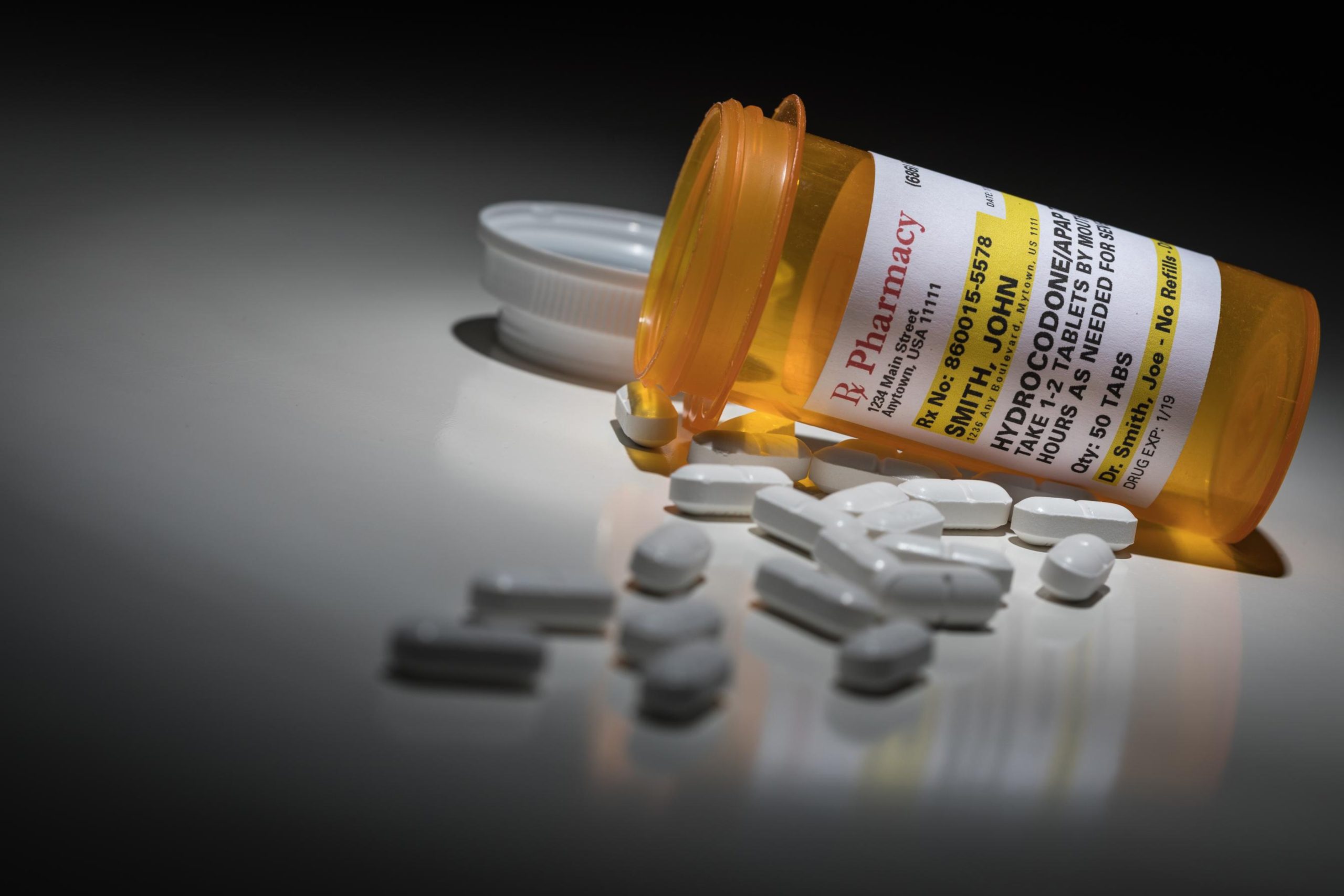
Further, the United States alleged that CVS pharmacists filled these prescriptions despite clear red flags indicating that there was a high likelihood that the prescriptions lacked a legitimate medical purpose, were not valid, or were not issued in the course of professional practice. Many of these prescriptions were ultimately billed to and reimbursed by federal healthcare programs.
The complaint further alleged that CVS’s violations stemmed from corporate-imposed performance metrics, incentive compensation, and staffing policies that prioritized corporate profits over patient safety. CVS failed to employ enough pharmacists to serve patients, comply with CVS’s legal obligations, and meet corporate performance metrics.
In addition to the monetary payment announced today, CVS has entered into a memorandum of agreement with the Drug Enforcement Administration (DEA) to address its future obligations in dispensing controlled substances. This agreement requires CVS to establish a hotline for both employees and the public to report suspected illegal dispensing of controlled substances, proactively monitor the dispensing patterns of its pharmacies to identify and address potentially illegal dispensing, and establish a process to evaluate prescribers suspected of illegal prescribing.
The civil settlement resolves a civil lawsuit filed by Hillary Estright, a former CVS employee, under the whistleblower provision of the False Claims Act, which authorizes private parties to sue on behalf of the United States and receive a share of any recovery. It also permits the United States to intervene and take over such lawsuits, as it did here.
The amount to be recovered by the private whistleblower has not yet been determined. The qui tam case is titled United States ex rel. Hillary Estright v. CVS Health Corporation, et al., No. 22-cv-00222 (D.R.I.).
This year, the administration launched the Task Force to Eliminate Fraud and the National Fraud Enforcement Division to enhance the administration’s efforts against fraud, waste, and abuse in federal programs, which are designed to aid and protect, and undermine American businesses that adhere to the rules.
The Civil Division’s False Claims Act enforcement plays a critical role in combating such fraudulent schemes, recovering billions of dollars for the American taxpayers, and holding wrongdoers accountable.
According to Sorenson, one of the most powerful tools to combat healthcare fraud is the False Claims Act. Matters related to it will continue to be at the forefront of the battle against fraud, and the Civil Division’s False Claims Act work will support and advance the mission of the Task Force to Eliminate Fraud and the National Fraud Enforcement Division.
Tips and complaints from all sources about potential fraud, waste, abuse, and mismanagement can be reported to the Department of Health and Human Services at 800-447-8477.
The claims resolved by the settlement are allegations only, and there has been no determination of liability.