


A new framework for guiding one of the hardest decisions in conservation — whether to save a species from extinction by moving it outside its historical range — was published in Conservation Science and Practice.
Publication of the new paper caps a multi-year Pacific-wide effort in which University of Hawaiʻi at Mānoa played a central supporting role.
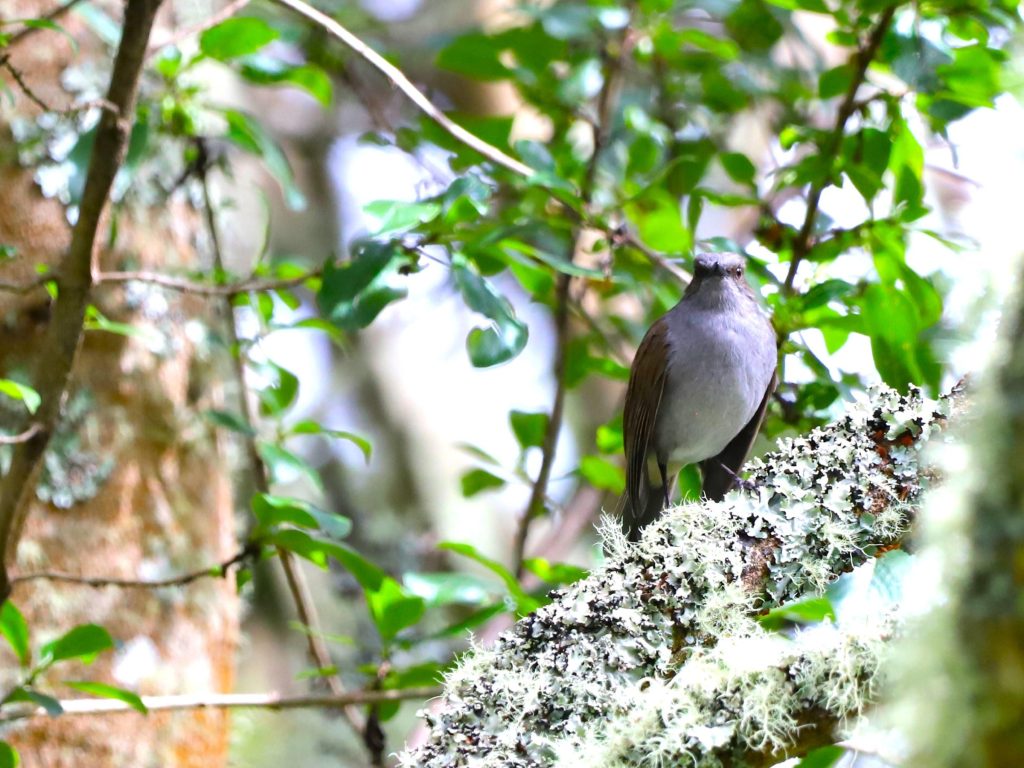
This new framework helps managers decide whether a “conservation introduction” that moves a plant or animal outside its normal range is the right call, and how to do it responsibly.
University of Hawaiʻi at Mānoa College of Tropical Agriculture and Human Resources Department of Natural Resources and Environmental Management professor Melissa Price is co-author of the new paper and served as co-principal investigator alongside lead investigator Mark Schwartz of University of California, Davis and U.S. Fish and Wildlife Service Pacific Region.
Price, University of Hawaiʻi at Mānoa graduate students and others helped facilitate community engagement, gathering input from more than 250 people throughout the Pacific region.
“This framework is the product of years of conversations with the people who actually do this work: biologists, cultural practitioners, tribal and indigenous community members, land managers and agency staff across an enormous and diverse region,” said Price. “[University of Hawaiʻi at Mānoa’s] role was to help make sure that engagement was real, not a formality, and that the framework reflected the full range of perspectives and places it’s meant to serve.”
That place-based, relationship-first approach sets the framework apart from earlier tools. It is built around considering cultural and community values alongside ecological risk.
“For Hawaiian forest birds, we don’t have the luxury of waiting until we have perfect information to make difficult decisions,” said Maui Nui Forest Bird Recovery Project Coordinator Hanna Mounce. “We are often making high-stakes decisions under a lot of uncertainty, and this framework gives us a way to work through those decisions thoughtfully and transparently while making sure the right people are part of the conversation.”
Community members interested in learning more are invited to a panel discussion from 3 to 4 p.m. Oct. 28 about conservation introductions and forest bird translocations in the Hawaiian Islands during the Natural Resources and Environmental Management Departmental Research Seminar.
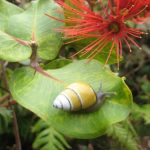
 Melissa Price/University of Hawaiʻi
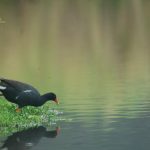
- Melissa Price/University of Hawaiʻi
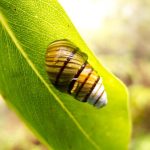
- David Sischo/University of Hawaiʻi
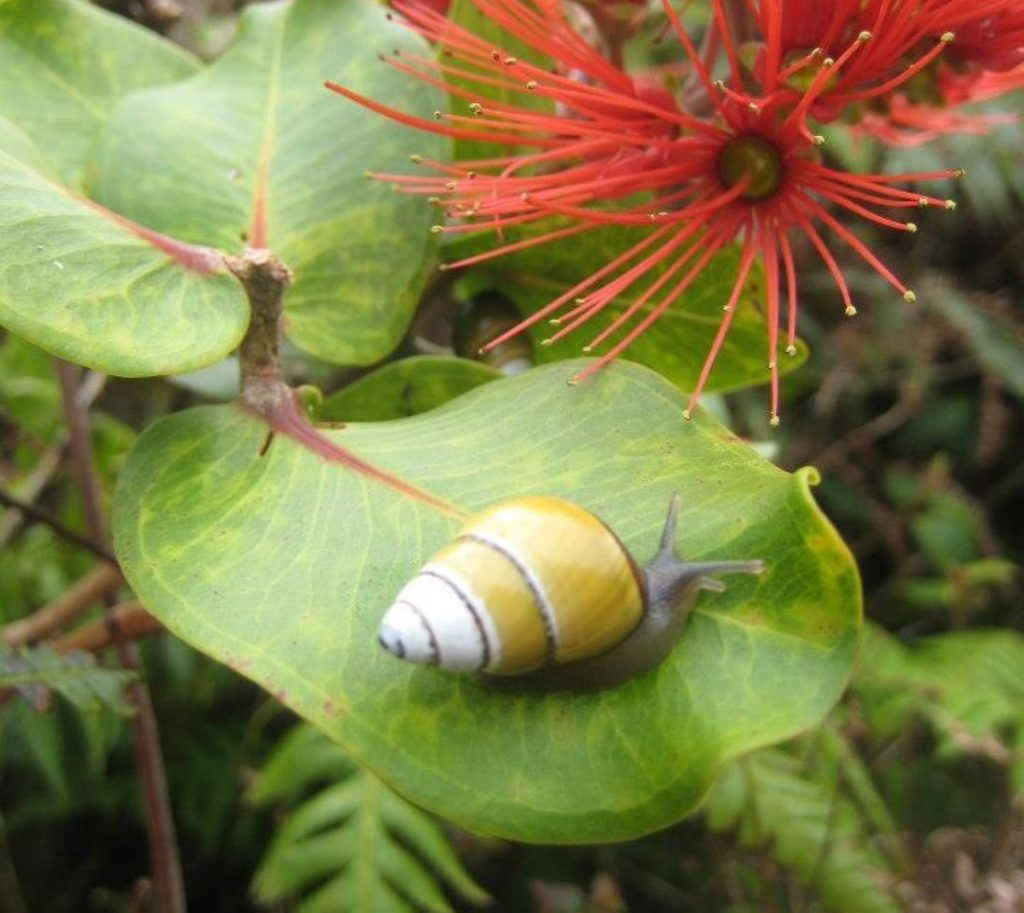
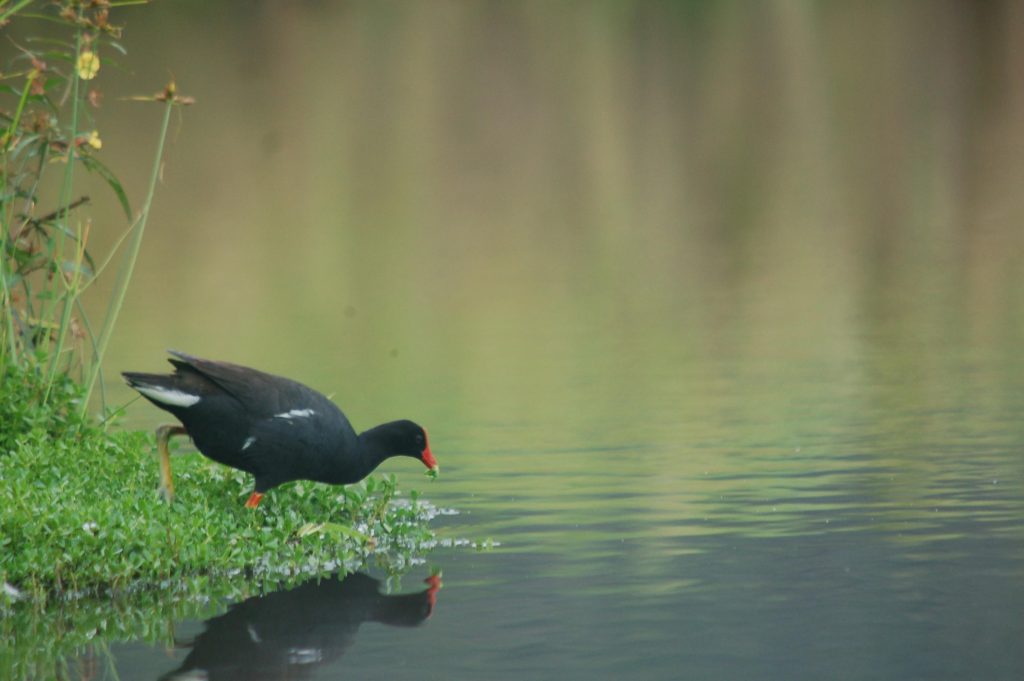
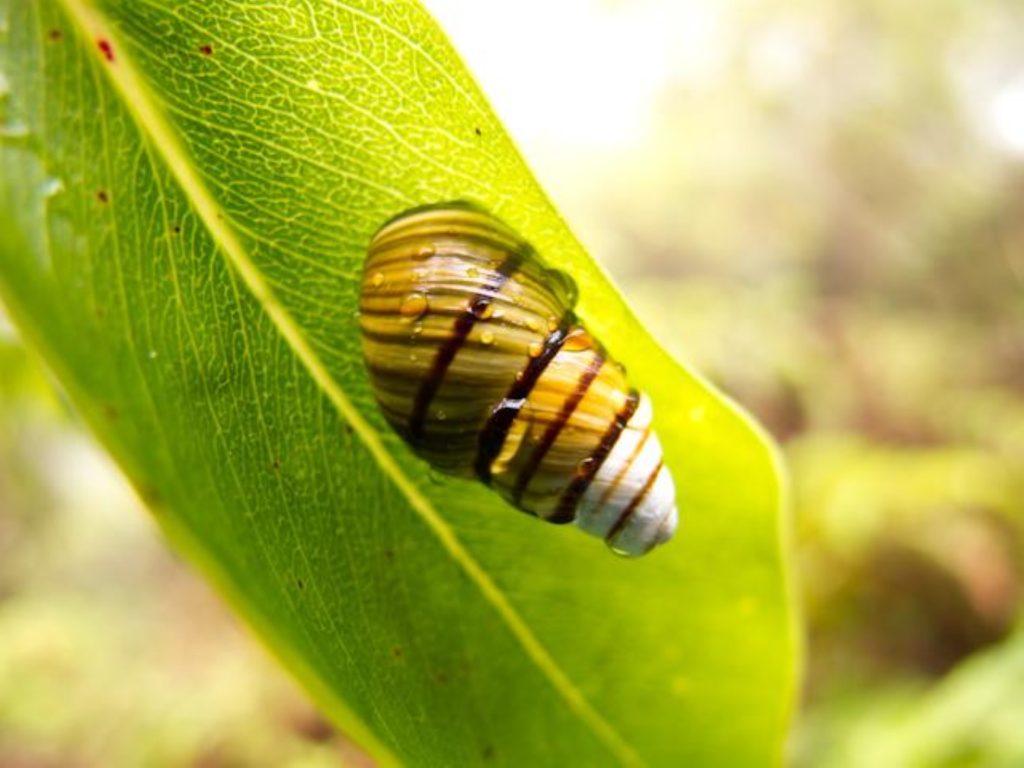
The seminar will be hosted by College of Tropical Agriculture and Human Resources in the St. John Plant Science Laboratory, Room 011, located at 3190 Maile Way, in Honolulu.
The panel will feature Mounce, Megan Laut with U.S. Fish and Wildlife Service and Lucas Fortini with U.S. Geological Survey.