


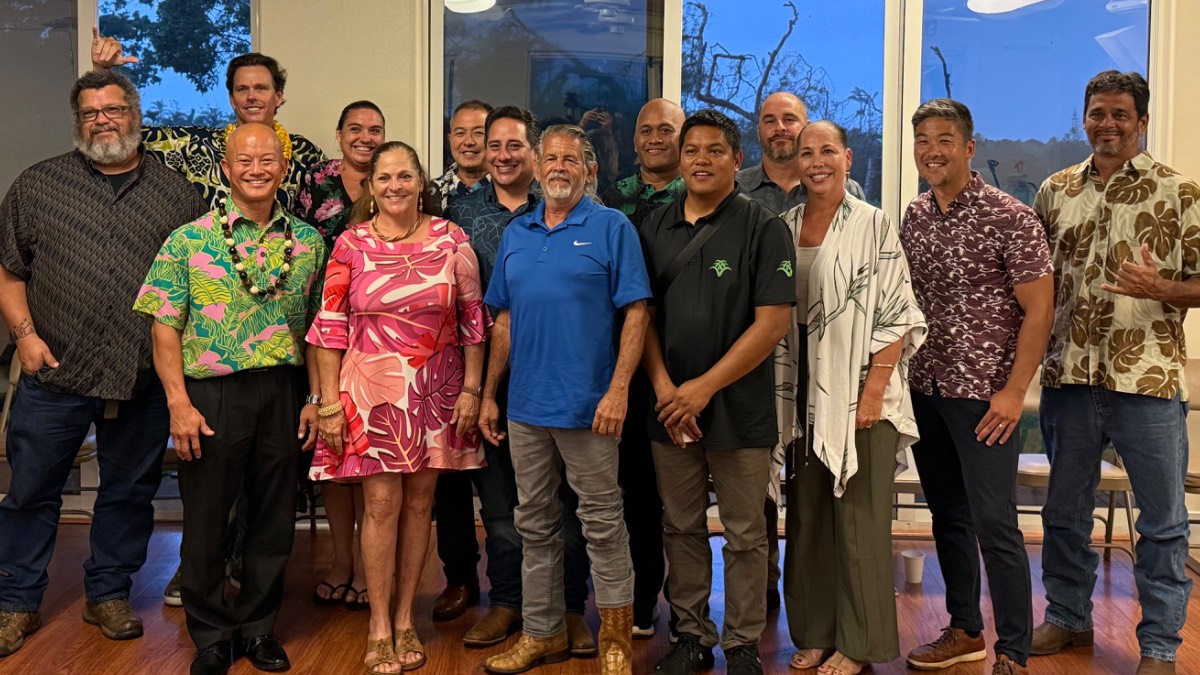
All 14 candidates seeking the seven at-large seats on the Kaua‘i County Council attended the North Shore candidate forum Tuesday evening that focused on the island’s preparedness, emergency response and long-term resilience following Hurricane Lowell.
The candidates said the storm that pummeled the island on Labor Day has shifted the focus of their campaigns to responding to their communities and assisting residents.
They all expressed gratitude to Kauaʻi Island Utility Cooperative and first responders for their dedicated efforts and quick response to Lowell, which passed west of Ni‘ihau, bringing damaging winds, heavy rain, flooding and high surf, and leaving 91 percent of the island without power.
The County Council field started with 26 candidates, with the top 14 vote getters in the Aug. 8 primary advancing to the Nov. 3 general election. For full primary results, click here.
Kaua‘i is the only county in Hawaiʻi to elect council members at-large rather than by districts. The top seven finishers in the general election win the seats, which are selected every two years.
The forum was held at the Princeville Community Center and hosted by North Shore Give and the Princeville at Hanalei Community Association.
North Shore Give executive director Maylette Garces told Kauaʻi Now that the forum gives residents a chance to hear directly from the candidates about lessons from Lowell and how the county can improve its ability to prepare for, respond to, and recover from future disasters.
The forum began with opening remarks and a one-minute opening statement from each candidate. Candidates were then randomly selected to answer randomly selected questions, with two minutes allotted for each response.
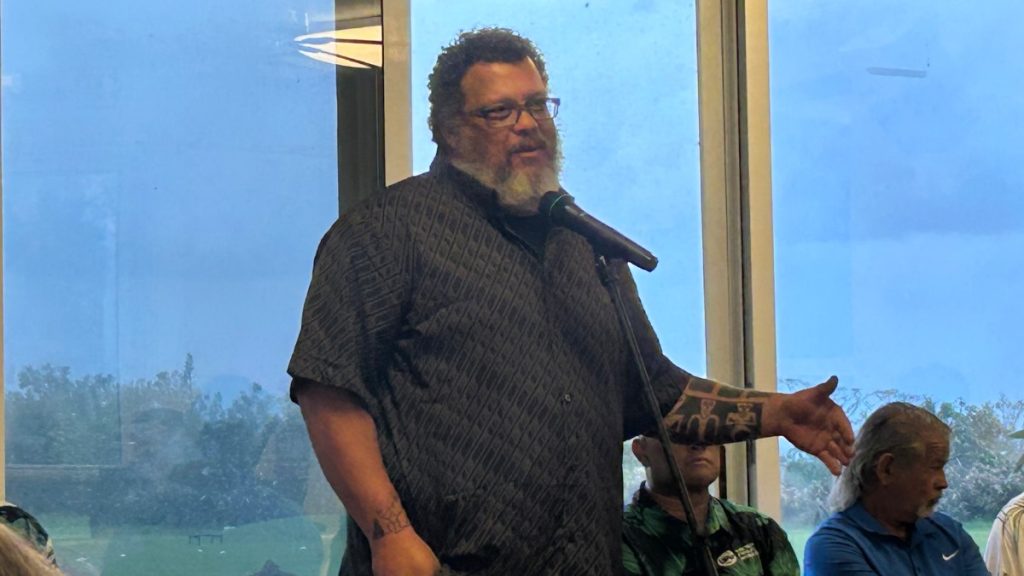
He described himself as a lifelong resident of Kauaʻi, as well as a 20- year farmer and a 13- year business owner, husband with two kids, and feels that his “work shows up.” He said those combined experiences have prepared him to run for council.
Martin said Kauai’s existing emergency plans appeared to work well during Hurricane Lowell, particularly through coordination among the utilities, the county and first responders. He praised the strategic placement of equipment and said officials should continue learning from past storms to improve future preparedness.
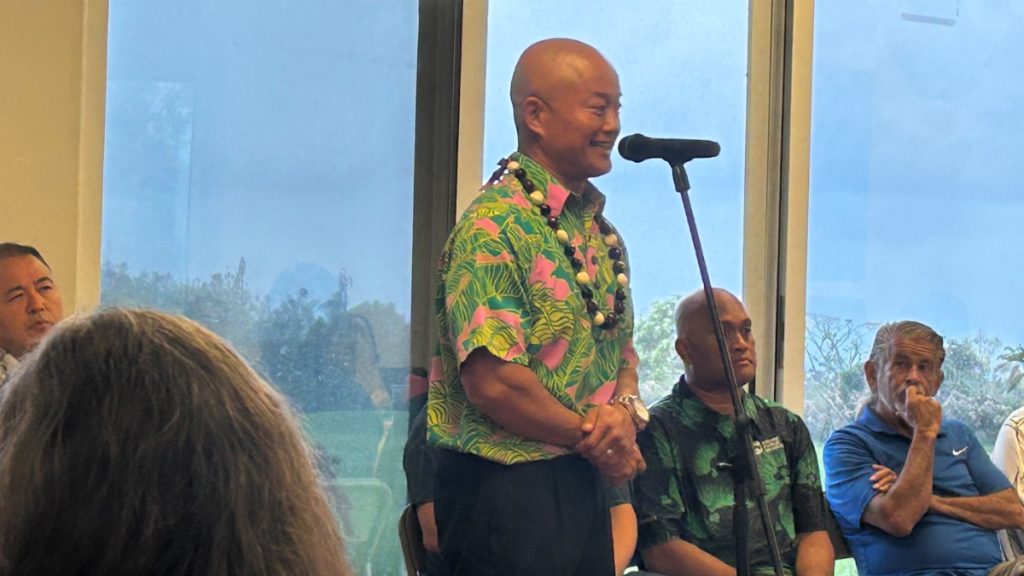
The 51 year old described himself as a lifelong resident of Kauaʻi. He earned a bachelor’s degree in Economics from the University of Hawaiʻi at Mānoa and said he spent “25 plus years working in the banking industry.”
Shigemoto said Kauaʻi improved emergency communication by expanding alerts beyond sirens to include texts, emails and phone calls. He also highlighted the North Shore’s preparedness backups, such as Starlink (satellite Internet), the PulsePoint app, and emergency helicopter funding, as ways to strengthen disaster response.
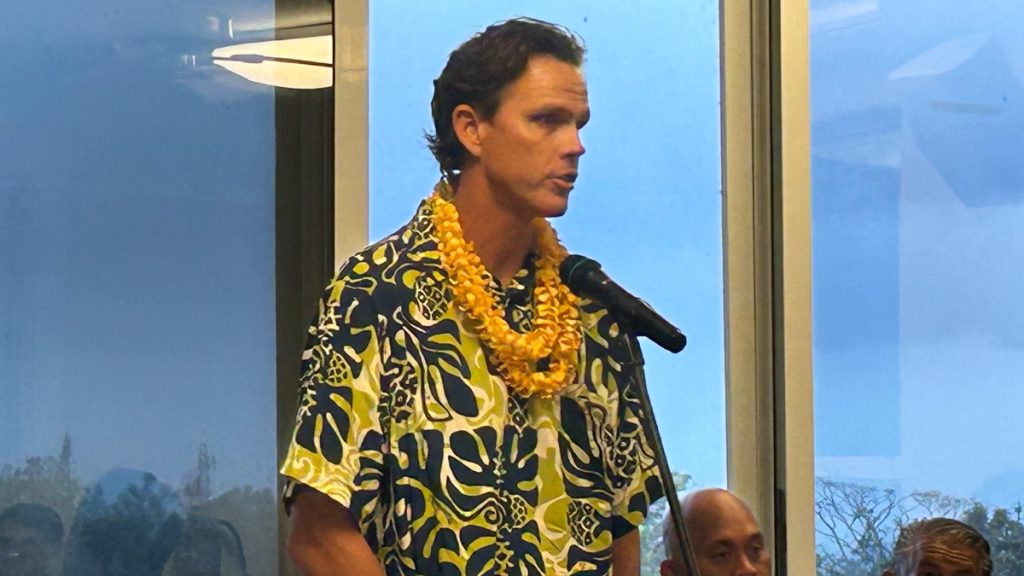
He identified himself as a photographer, small business owner and amputee living in Kīlauea. He explained how he believes that creative solutions, hard work and collaboration can help the county council address the island’s challenges.
Coots said invasive trees near power lines exposed a major infrastructure vulnerability during Hurricane Lowell. He proposes legislation requiring greater setbacks and placing more responsibility on landowners to manage trees near critical utility infrastructure.
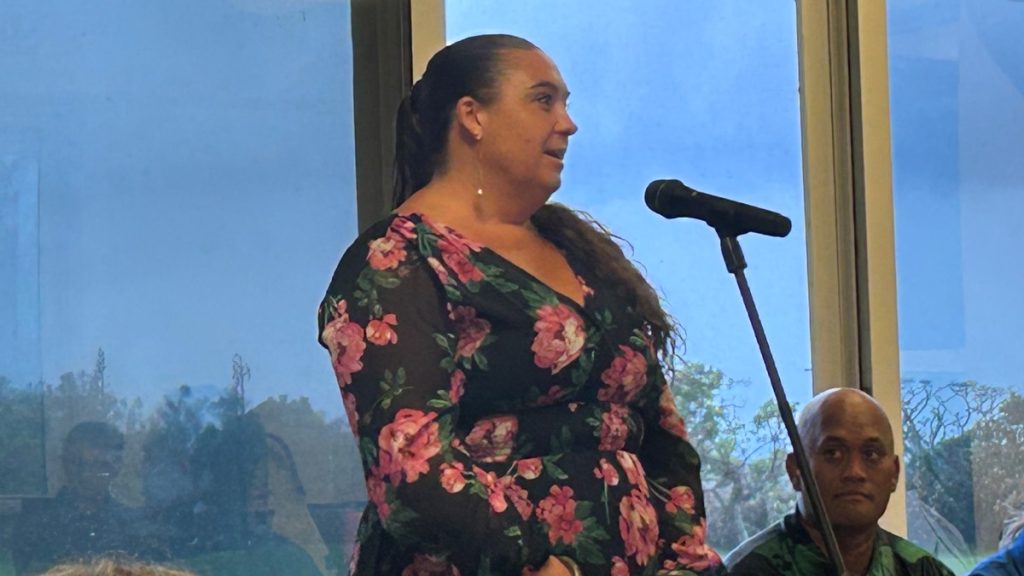
The current council member, said she graduated from Kapaʻa High School and Griffith University’s School of Environment in Australia, earning a bachelor’s degree in environmental science. She said she wants to keep working on projects focused on resilience and the island’s future.
Holland said the storm showed the need for better vegetation management, especially around invasives such as coconut rhinoceros beetle and albizia trees near roads, rivers and power lines. She said she is considering county and state legislation to prioritize vegetation removal in critical corridors and improve access to emergency supplies such as fuel and ice.
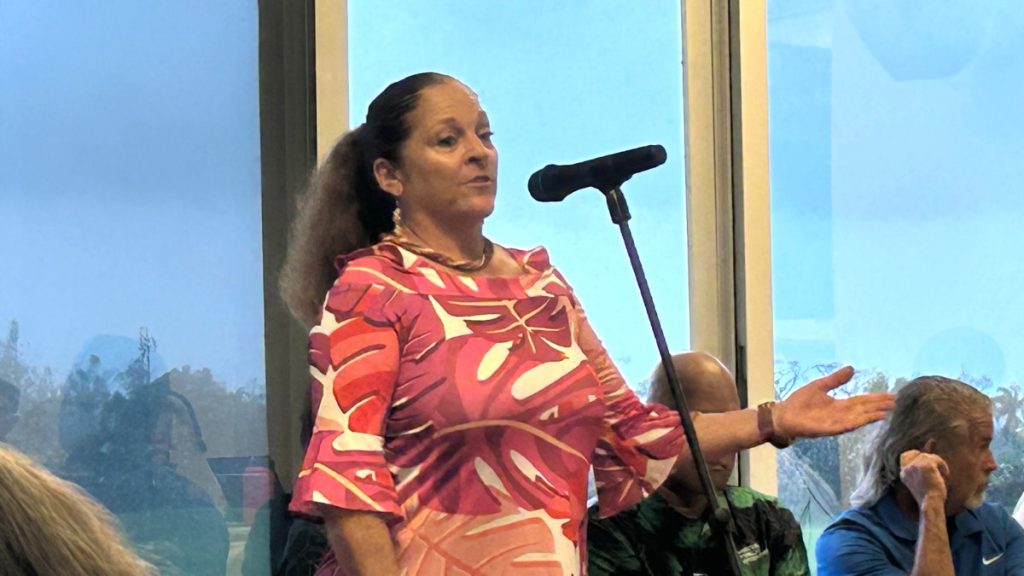
The fifth-generation West Side Kauaʻi resident said she has a deep connection to the island and its natural resources. She also has two daughters and two grandsons. She added that improving infrastructure, particularly wastewater and solid waste management, is among the issues motivating her campaign.
Rapozo praised Kauaʻi Island Utility Cooperative for restoring power despite extensive storm damage and said fallen albizia trees contributed significantly to outages. She called for greater preparation through additional generators across the island, better fuel supplies and adequate backup power systems, including for radio stations and other critical facilities.
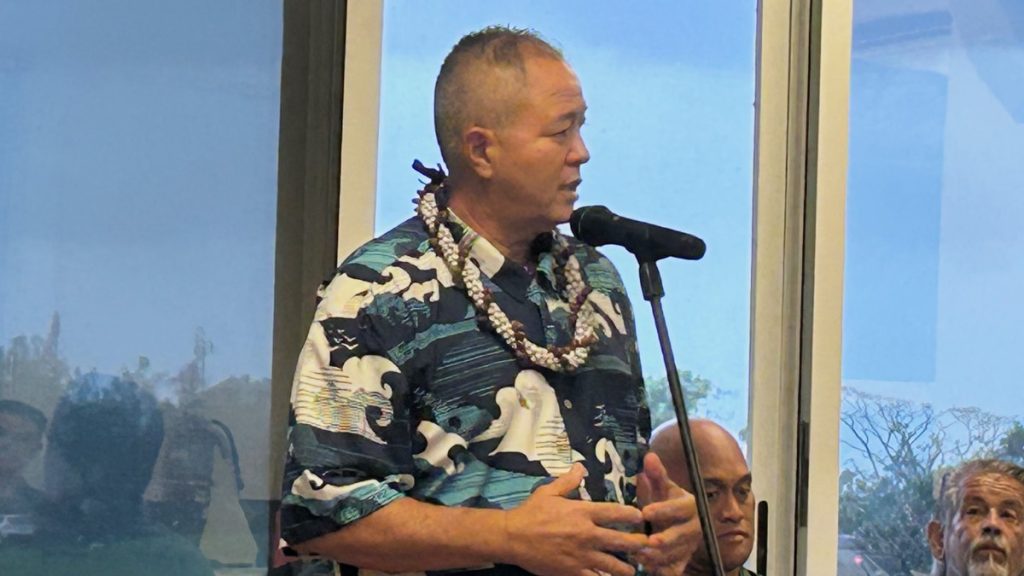
The former police captain with the Kauaʻi Police Department and a retired Army Reserve veteran said he served 25 years in law enforcement. He said heʻs a husband father, grandfather and small business owner. He explained that he has the “best interest in the future of this island.”
Applegate said Kauaʻi should examine policies used in other coastal areas, including Florida and Louisiana, and adapt successful approaches to local conditions. He also called for partnerships among government, nonprofits, experts and private partners to share responsibility and funding for climate resilience.
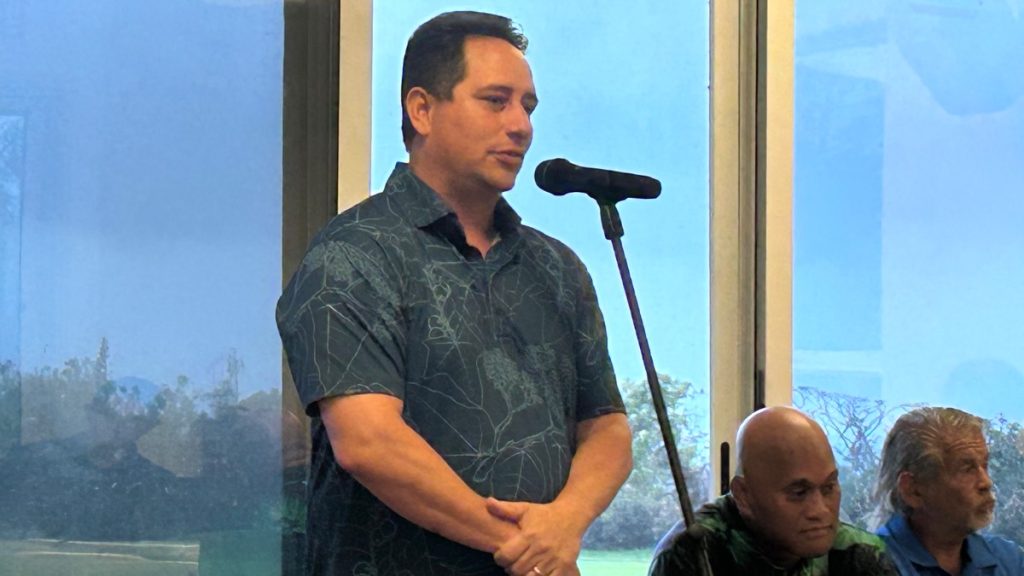
The current councilmember, said he is born and raised on Kauaʻi and attended Pacific University in Oregon and worked as a certified public accountant before returning to the Garden Island. He added that heʻs a father of three daughters. He also helps with his family’s sheep farm and is involved in several community organizations.
Kaneshiro said Kauaʻi has already adopted measures intended to improve long-term resilience, including stronger shoreline setbacks, flood-zone building requirements, and fire-mitigation standards. He said additional resilience measures will require balancing public safety with the costs imposed on homeowners and communities.
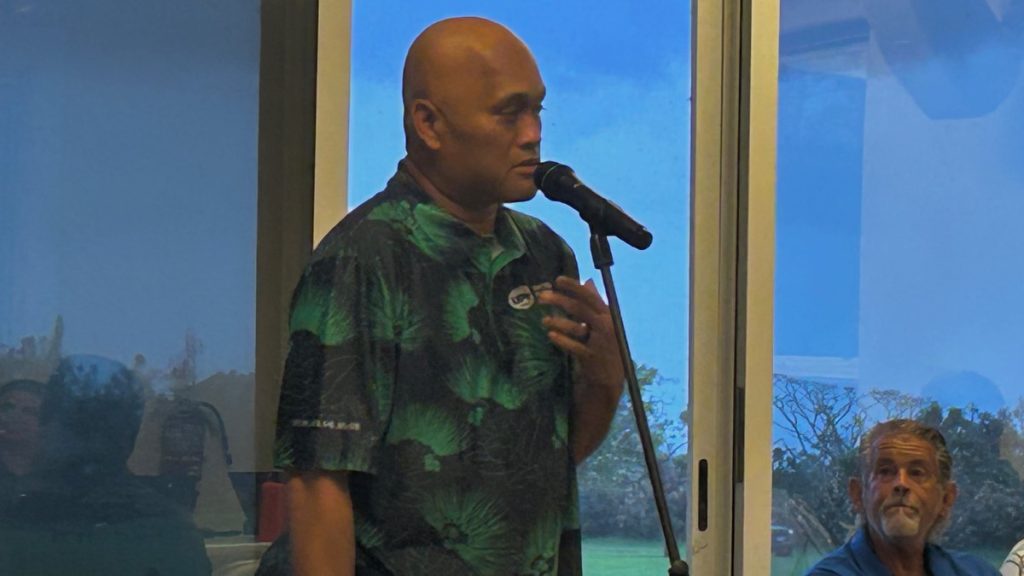
The former Federal Express driver for the North Shore and Anahola resident, said he is a Kauaʻi High School graduate who is now a Kauaʻi Bus driver. He added that he has three daughters and three grandchildren. He said heʻs running for his family and wants to help shape the island’s future.
Kaiminaauao said rural areas such as the North Shore and West Side need equipment and resources staged ahead of severe weather. He proposed placing generators, machinery and diesel supplies in vulnerable communities so residents and private equipment operators can clear roads and support faster recovery.
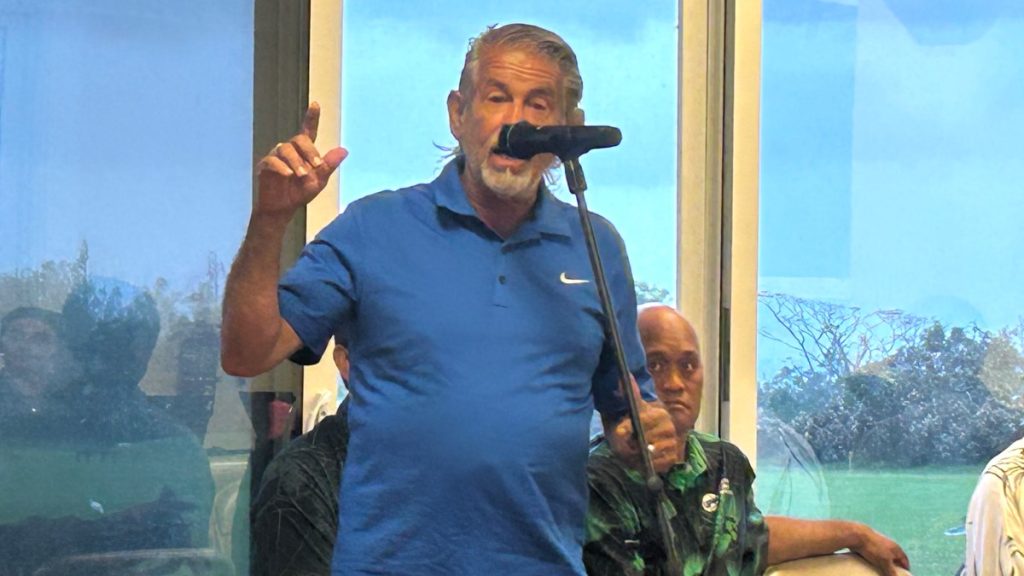
The former county council member described himself as a “west side local boy who has been married for 29 years and a graduate of Humboldt State University.” He explained that he has two terms of experience and highlighted his past work on legislation and community efforts, including opposing glamping in North Shore parks and supporting Kīlauea’s new school.
DeCosta emphasized that community cooperation among residents, businesses and government agencies was central to Kauai’s storm response. He also proposed gradually burying power lines to reduce outages and said social media helped residents and him identify neighbors who needed food, ice and other assistance.
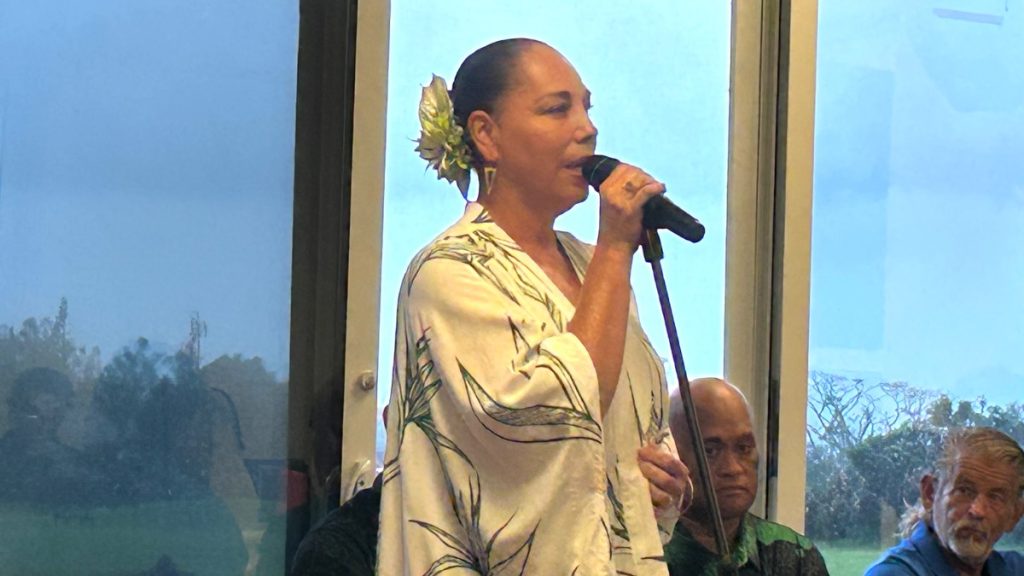
The former Aloha Airlines flight attendant shared that her fatherʻs family has lived on Kauaʻi for generations. She has three adult children and currently works with the county as a site manager. She explained that the job has given her the opportunity to see how the departments function.
Correa said small businesses should maintain their own emergency plans while the government focuses on restoring essential services such as electricity and water. She also highlighted the power of social media and how it helped businesses communicate their operating status and connect residents with available services during storms.
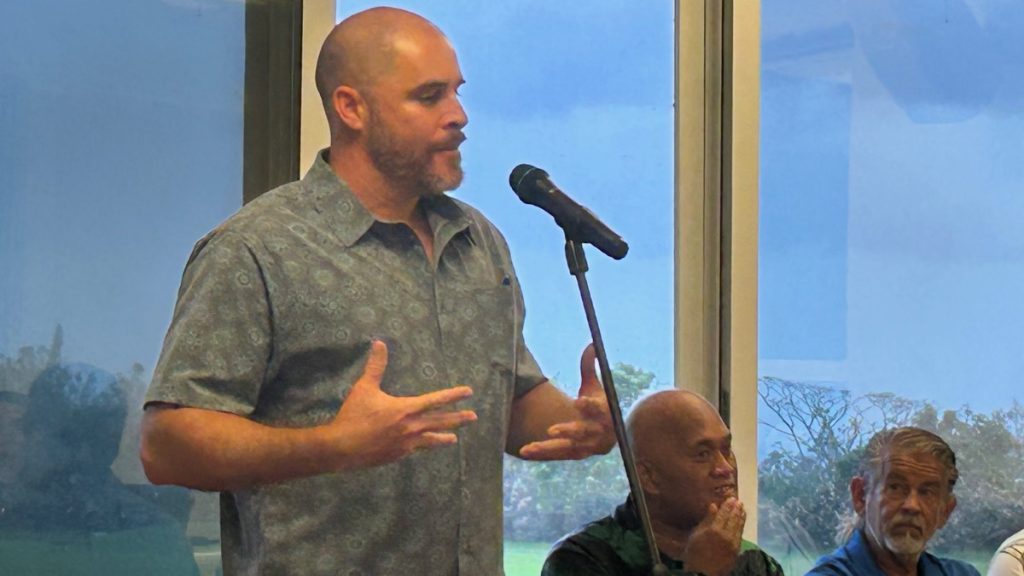
The former fire captain said he served the fire department for 25 years, specifically at the Hanalei Fire Station, “where I was able to retire.” He currently works with the Hanalei Initiative as an affordable housing developer and wants to expand efforts to provide housing for essential workers on the North Shore.
Smith said economic resilience should be incorporated into disaster planning, noting that rural communities like the North Shore can experience longer disruptions because of the configuration of the power grid. He highlighted resilience hubs, community organizations and online information networks as tools for helping businesses communicate and recover after storms.
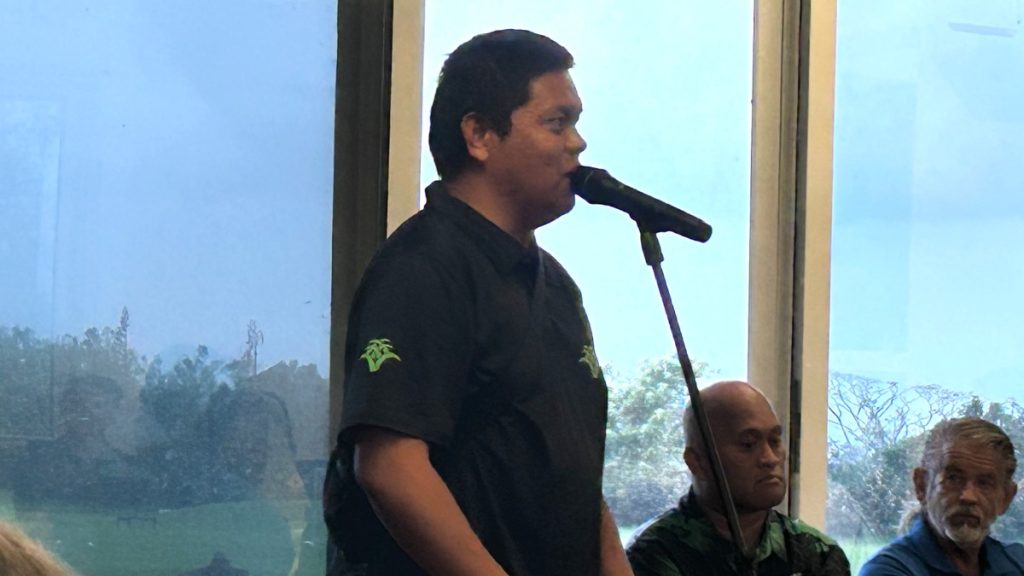
The current councilmember said he was seeking a third term due to a “midlife crisis.” He explained that he earned his first degree in audio engineering in Seattle, then went back to school to become a chiropractor. He added that he wants to keep serving the community, particularly during recovery from Hurricane Lowell.
Addison said disaster response must better account for families, particularly single parents and households with young children that may lack extended-family support. He proposed incorporating a community-based delivery of necessities such as diapers and other supplies into formal county, state and federal emergency protocols.
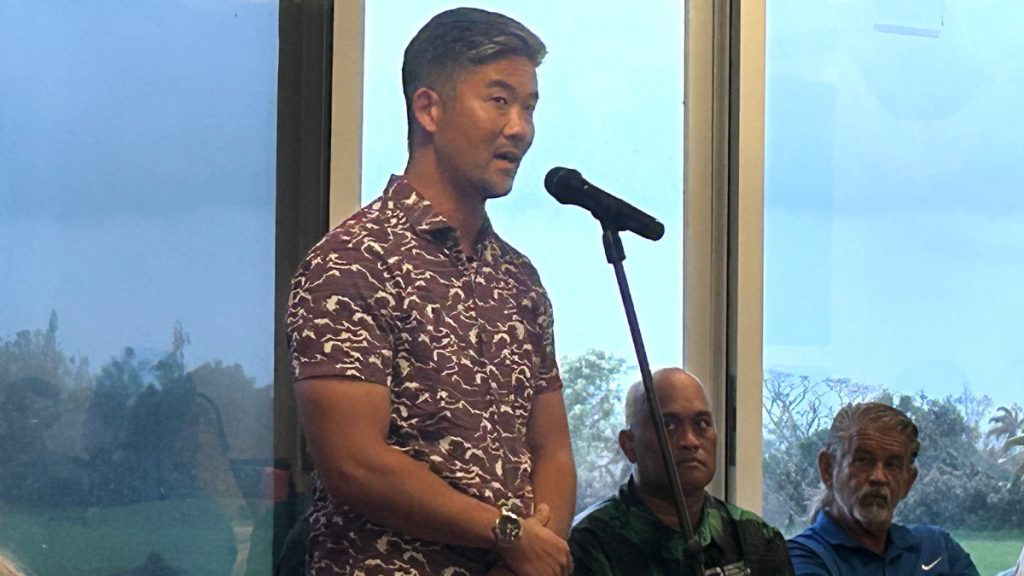
The Kauaʻi High graduate said he earned his degree in management information systems from Washington State. He explained that for the past six years, heʻs served in the mayor’s office and public works. He said his “experience can be helpful” and is looking forward to an opportunity to serve the community.
Ozaki said infrastructure vulnerabilities varied by location, with roads, drainage, water, and electricity all presenting different challenges in Lowell. He called for an after-action review with residents and agencies before deciding on specific infrastructure improvements.
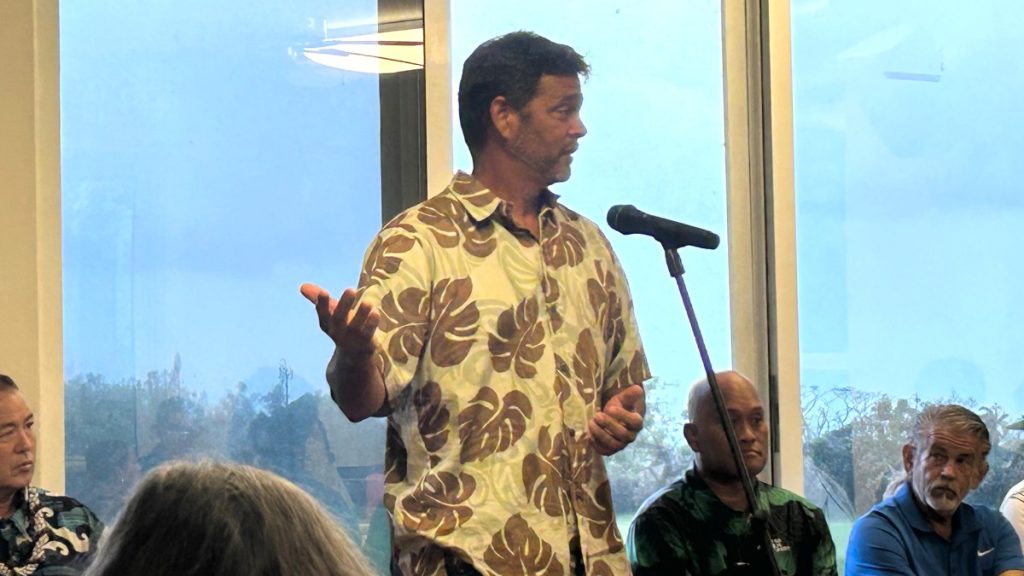
The veteran said he was born and raised in Kekaha. After graduating from Waimea High School, he joined the military; after four years, he returned to Kauaʻi. He spent 12 years working with the fire department before joining Kauaʻi Island Utility Cooperative. He said he is running to bring “new faces, some new blood” to the County Council because he “believes we need more representation from the westside.”
Mattos emphasized community resilience, noting that residents quickly used their own equipment and resources to clear roads and help neighbors after the storm.
He suggested the county set up emergency support stations at community centers with equipment and resources such as diesel fuel and chainsaws, and use social media to identify and respond to residents’ needs.
Each candidate concluded with a one-minute closing statement.
County Council Chair Mel Rapozo, who is currently running for mayor, was also present along with a handful of residents.