


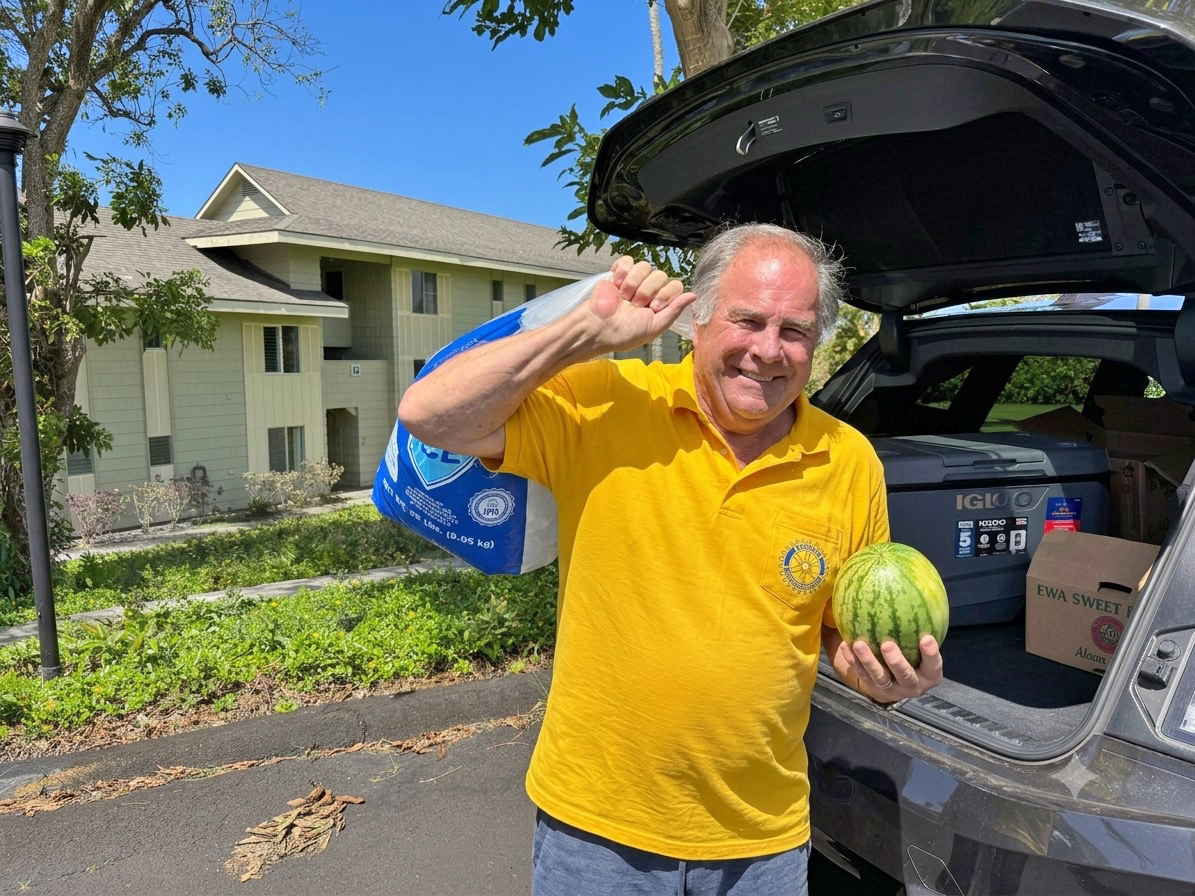
Nearly three weeks after Hurricane Lowell devastated Kauaʻi, national aid from volunteer organizations has been limited.
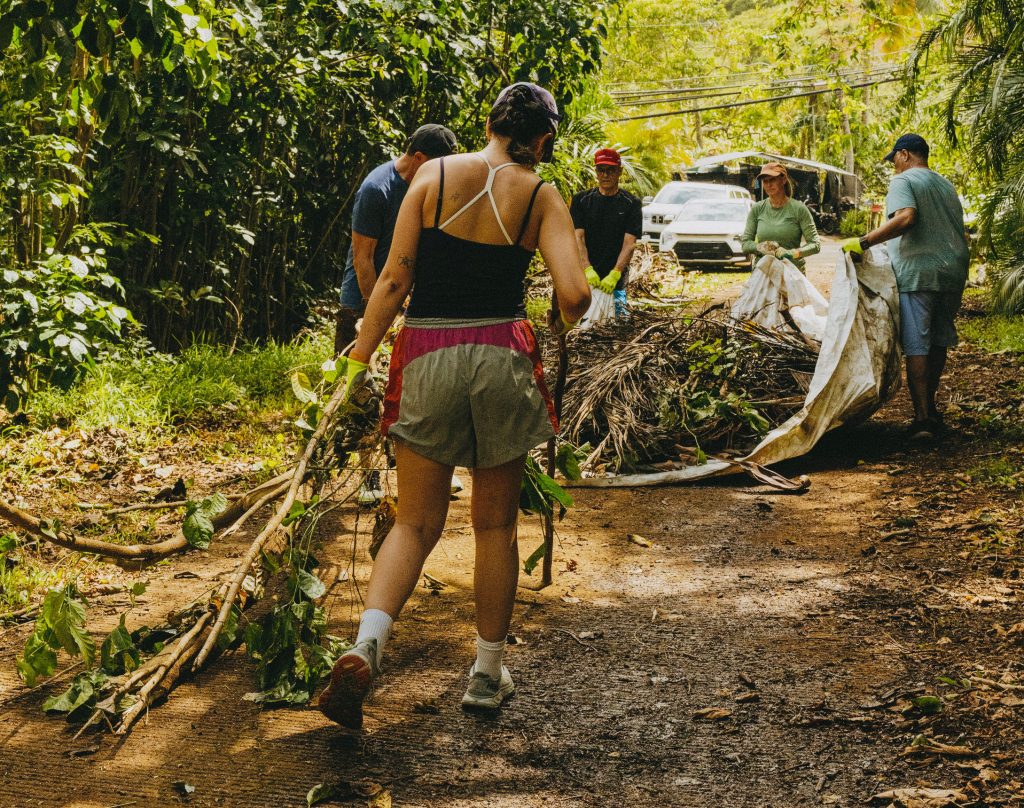
Volunteers with Team Rubicon, a veteran-led humanitarian organization, concluded their deployment to Kauaʻi after assisting residents with debris removal, tree clearing, and roof tarping.
At this time, no additional national disaster cleanup teams are scheduled to replace them, according to Mālama Kauaʻi.
After typical major disasters, volunteer organizations arrive in affected communities to help with recovery, such as clearing flooded homes and helping families make their properties safe and habitable again.
The task of cleaning up the island has been largely left to local nonprofits, churches, community groups, and neighbors helping neighbors, so Kauaʻi is seeking self-sufficient disaster response teams that can deploy immediately.
More than 500 requests for cleanup and recovery assistance have been logged through Voluntary Organizations Active in Disaster, which is a coalition of major national voluntary organizations in the U.S., with new requests continuing to come in daily. These include households needing help with fallen trees, damaged roofs, debris removal, muck-outs, accessibility, home repairs, and other storm-related needs.
The County of Kauaʻi has documented more than 1,000 resident-submitted damage assessments following Hurricane Lowell, with 16 homes completely destroyed and 40 homes severely damaged.
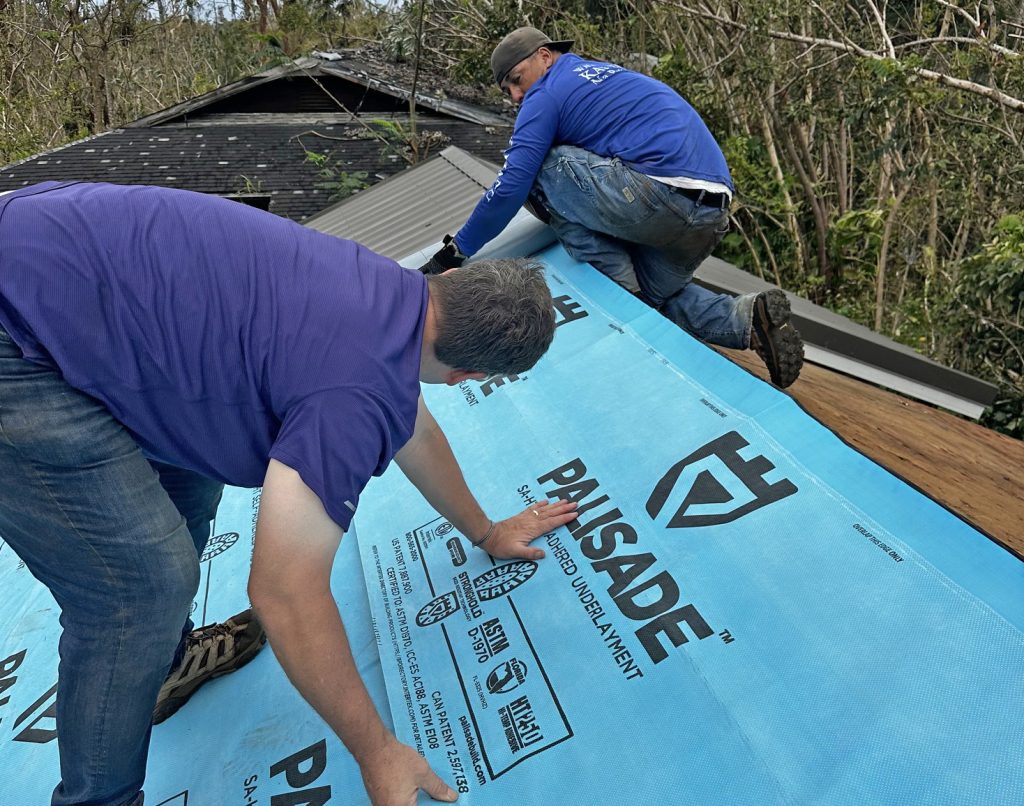
Yet those numbers tell only part of the story. Across the island, families are still living beneath tarps, surrounded by debris, attempting to clear properties and repair homes while also returning to work, caring for children and elderly family members, and navigating insurance and disaster assistance.
“Every one of these cases represents people we care about in our community who may not have a clean and safe home,” said Megan Fox, executive director of Mālama Kauaʻi. “This is the kāhea that the initial chaos has subsided and we’re organized and ready for you if you want to help.”
Local organizations say Kauaʻi’s geographic isolation makes the absence of outside volunteer deployment particularly difficult. Unlike disasters on the mainland, every outside responder and nearly every piece of equipment needed on Kauaʻi must arrive by air or sea.
For a small island community, that makes national disaster response capacity especially important.
Since Hurricane Lowell struck, Kauaʻi residents have organized work crews, delivered meals, distributed supplies, cleared roads and properties, tarped roofs, raised and deployed relief mini-grants, and checked on vulnerable neighbors. Local contractors and skilled tradespeople have volunteered equipment and labor while community organizations have redirected staff and resources toward disaster response.
However, community organizers say local goodwill cannot indefinitely substitute for the workforce normally provided by large-scale disaster relief organizations. The need is no longer simply emergency response. Kauaʻi now faces weeks and potentially months of physical recovery.
Many properties require skilled or physically demanding work:
- Fallen trees must be cut and removed
- Roofs need to be tarped before the next heavy rain to prevent mold and rot
- Flooded and damaged structures must be cleared
- Debris must be hauled.
Elderly residents and people with disabilities may be physically unable to clean their own properties, and anyone without a truck is unable to deliver debris to green waste sites. Families already facing significant financial losses cannot necessarily afford to hire contractors to perform all of this work.
“Local residents have been making a lot of personal sacrifices day after day to serve their communities. Their collective efforts have been incredible and have helped many families, but they can’t sustain this level of response and are expressing a lot of guilt about stepping away,” said Laurie Roberts, a volunteer with Mālama Kauaʻi Kapaʻa Resilience Hub. “Volunteers are physically and emotionally tired and some have exhausted their personal resources at this point. They have to take time to navigate the reality of their own crisis: layoffs, abrupt business closures, and the economic disaster that has already begun to take shape on Kauaʻi.”
The shortage is particularly concerning as Team Rubicon concluded its current deployment last Tuesday. Without another organization arriving behind them, local volunteer coordinators are absorbing those cases with significantly fewer people and resources.
Community organizations are urgently calling on national disaster response organizations, faith-based disaster networks, skilled volunteer groups, unions, contractors, and other organizations capable of deploying volunteer teams to Kauaʻi to consider immediate deployment. Deploying organizations should be prepared to operate as self-sufficiently as possible.
“If your organization can send a team to Kauaʻi, we would sincerely welcome your help. Many families still need assistance with tree and debris removal, emergency roof tarping, muck-outs, and other cleanup work,” said Scott Bacon, chair of Kauaʻi Voluntary Organizations Active in Disaster. “Voluntary Organizations Active in Disaster can help connect responding organizations with residents who need assistance. We are grateful to everyone who has already stepped forward and welcome others who can help our community recover.”
Kauaʻi’s community response since Hurricane Lowell has demonstrated extraordinary resilience and aloha. Neighbors have shown up for one another day after day, but resilience should not mean having to recover from a major hurricane alone.
Organizations capable of providing volunteer disaster cleanup, skilled trades, equipment, or other recovery assistance should submit their information online.
Residents that have not submitted a Kauaʻi Emergency Management Agency damage report should do so now online to help measure the impacts of the disaster to request state and federal support.
Residents are also encouraged to submit their information on the Voluntary Organizations Active in Disaster website to access various community-based resources for those impacted.