


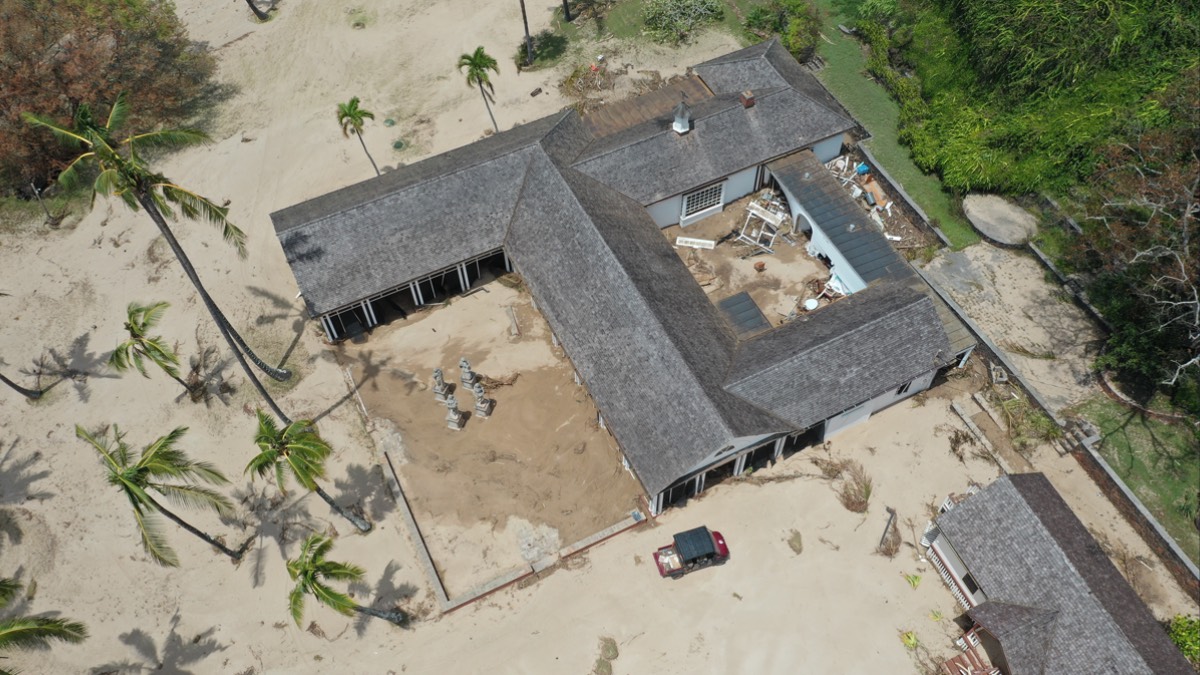
Hurricane Lowell has left a trail of damaged trees, battered infrastructure and threatened plant collections across three botanical gardens on Kauaʻi, forcing the National Tropical Botanical Garden to suspend public tours as crews work on short-term and long-term recovery.
On the south shore, The Lāwaʻi Gardens — the collective name for Allerton and McBryde gardens — recorded winds approaching 50 mph. While on the north shore, the Limahuli Garden and Preserve received more than 17 inches of rain from the storm that struck on Labor Day.
The gardens have been closed since the storm. An update on their reopening is expected on Friday. Staff at the National Tropical Botanical Garden say they remain hopeful they will be able to reopen within the next few weeks, but it will depend on a variety of factors, including the recovery of the surrounding communities and the roadways.
“We’re pretty resilient,” said Tobias Koehler, director of Lāwai Gardens. “When it’s the right time for everybody, we’ll open.”
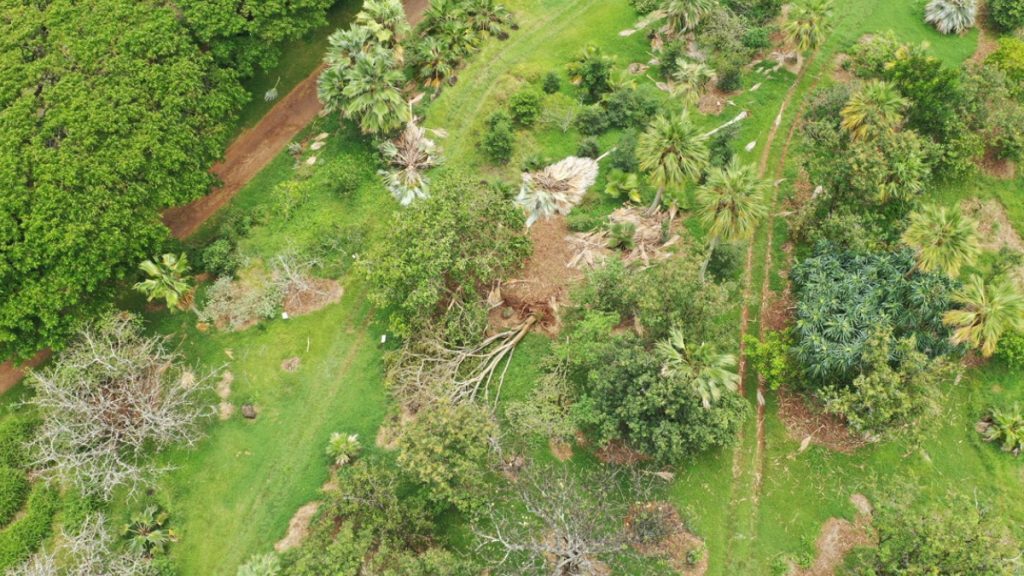
The Lāwaʻi Gardens suffered extensive damage from fallen trees and storm debris that blocked roads and pathways.
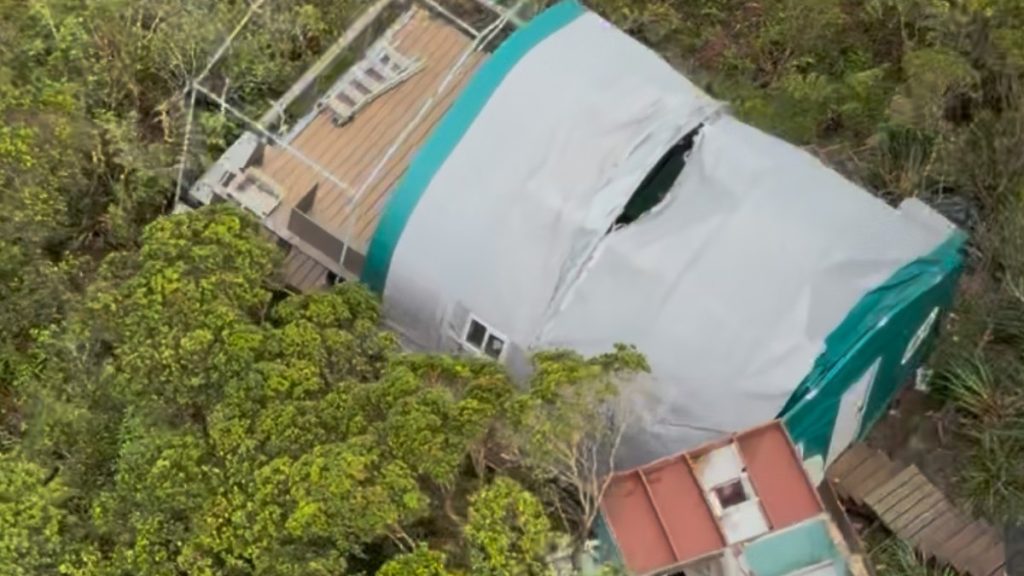
Coastal flooding inundated and damaged the historic Allerton House, leaving about two feet of sand inside and knocking out several walls. The storm also damaged the National Tropical Botanical Garden administrative buildings above the valley.
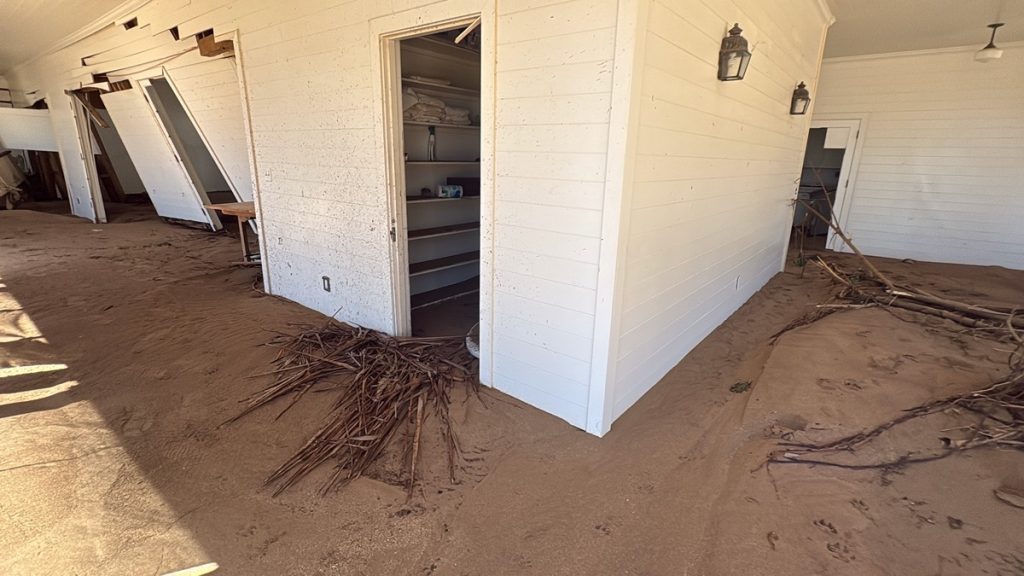
“This is the new reality, “Koehler told Kauaʻi Now.
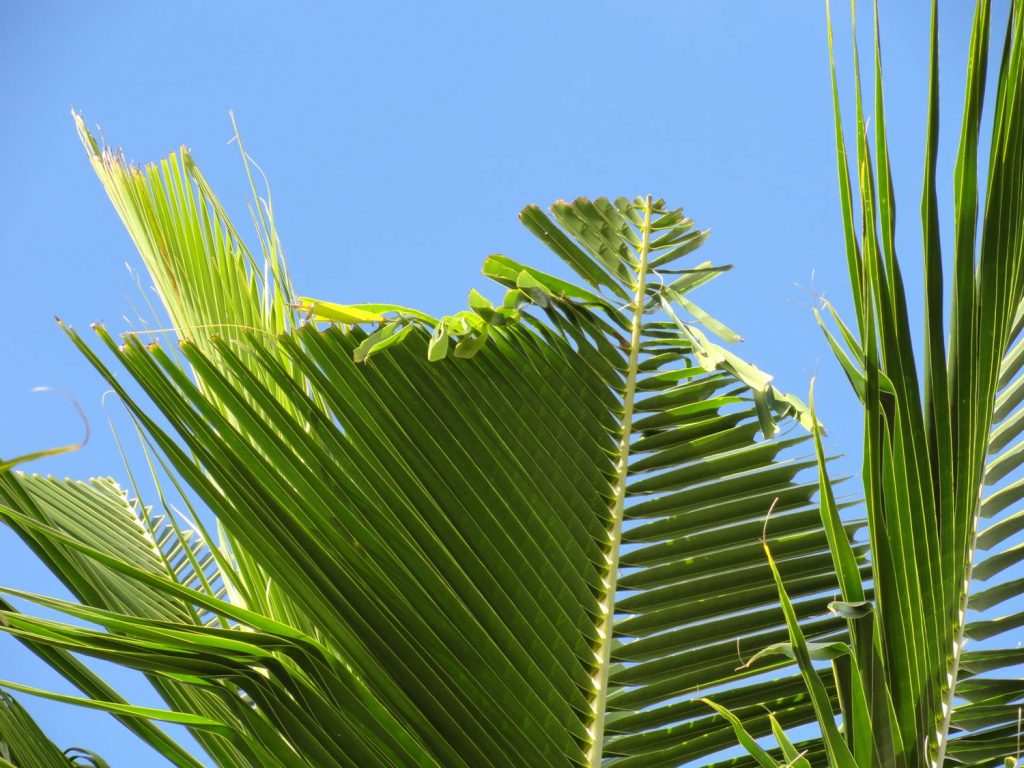
He said the most alarming part is the loss of the Loulu Palms, Hawaiʻi’s only native palm trees. They belong to the genus Pritchardia, and most of the living collection is housed at the National Tropical Botanical Garden.
“We lost 25 out of 700 Loulu palms,” he said. “And while 700 might seem like a lot, some of those plants are really rare, and so every single one of them is important. These are endemic palms and are found nowhere else on planet Earth. And just losing one is unacceptable.”
The storm has also heightened concerns about how invasive species might be spreading as crews clear and transport damaged plants across the island.
Thirty-four years ago, Hurricane ʻIniki scattered domestic and wild chickens across the Garden Island, creating a free-roaming chicken population that changed the island’s landscape.
“Our landscape is going to be affected, undoubtedly, by this storm,” Koehler said. “And it’s not going to be just the coconut rhinoceros beetle with all the green waste moving around and being consolidated, so it’s a double whammy.”
Koehler said the beetles already were harming the palms.
“Now the storm did as much, if not more, damage than the beetles have done over the past two years since we’ve been dealing with that,” Koehler said. “We’ve lost five palms to the beetle, which is record-breaking by some measures; however, this hurricane took away 25 of them in an instant.
“Nature finds a way, and we’re going to have to fight the good fight.”
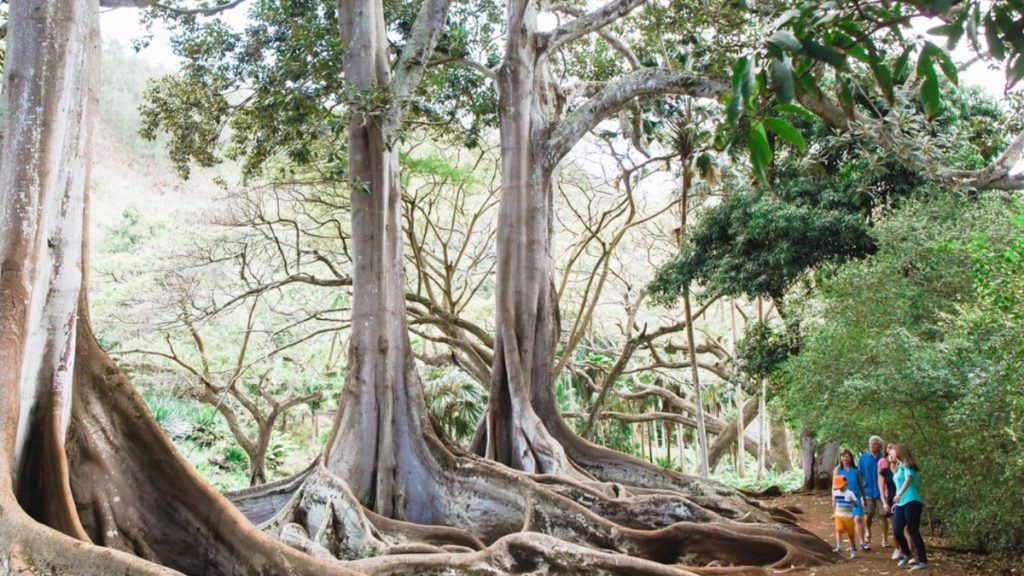
Before the hurricane, nearly 4,000 people per month visited the gardens.
A popular attraction is the Moreton Bay fig trees, featured in the 1993 movie Jurassic Park, when Dr. Alan Grant and the children discover dinosaur eggs.
On September 16, the House of Representatives approved H.R. 9191, known as the National Fossil Act of 2026.
If passed into law, the American mastodon and Tyrannosaurus rex would become official national symbols alongside the bald eagle, bison, rose and oak tree, potentially boosting tourism from dinosaur enthusiasts already drawn to Kauaʻi.
ʻIniki also appeared in the movie; however, the movie did not show the gardens’ devastation, which caused it to lose 25% of its endangered plant species, according to the Los Angeles Times.
“The storm’s effects extend beyond the gardens,” Limahuli Garden and Preserve Director Lei Wann said. “Homes and businesses in the surrounding community were destroyed. Our community is going to need some time to heal and clean up.”
At the nearly 1,000-acre preserve, floodwaters and high winds brought down trees, saturated the recently completed Limaola Cultural Arts Center and damaged irrigation, roads and other infrastructure.
Crews continue assessing damage in preserve, where conservation facilities and fencing in the upper preserve sustained significant damage.
The upper preserve, where the National Tropical Botanical Garden conducts ecological restoration and invasive-species work, suffered landslides and other damage. Koehler explained that the area is difficult to assess because a relatively small crew manages conservation work across a large and rugged landscape.
While the visible damage to the south shore gardens includes fallen trees and damaged structures, the storm’s effects on conservation collections could be longer-lasting.
At the Lāwaʻi Gardens, staff members have begun assessing plants, supporting damaged specimens and taking cuttings where necessary.
Teams are recovering, cleaning and storing historical objects carried away by the storm surge. Crews also are working to stabilize irrigation systems and clear pathways.
The storm has also prompted garden officials to consider the lessons of past hurricanes.
National Tropical Botanical Garden President and CEO Janet Mayfield sauid that earlier storm preparation and flood mitigation efforts to harden garden infrastructure, going back as far as the record-breaking 2018 “rain bomb” flooding, paid off during Lowell.
“Things could have been much worse,” she said.
For now, staff members are focused on cleanup, plant recovery and helping one another and their communities.
“This was a preview,” Koehler said. “The reality is that hurricane season is not over. I keep telling the staff: we have some lessons learned so we can be better prepared next time.”
The reopening will also depend on the surrounding communities and road conditions. Access roads in areas serving the gardens remain restricted and will not reopen for visitors until neighboring communities are ready to accommodate traffic.
Limahuli also remains affected by local traffic restrictions beyond Wainiha on the north shore.
The next chapter is to preserve plants and ecosystems for future generations, even as increasingly severe weather and other environmental pressures pose new challenges.
“We’re on this little lifeboat called Kauaʻi, but we’re also on this little lifeboat called Planet Earth,” Koehler said.
For people who want to support the recovery in the meantime, officials say donations are the most direct way to help. Contributions will help retain employees working during the recovery while supporting cleanup, repairs and restoration of plant collections.
For now, staff members are taking the work “one day at a time.”
They also noted that all National Tropical Botanical Garden employees were reported safe and accounted for.
“Kauaʻi, we’re here; we are your friends, we are your neighbors, we are part of the community, and we’ll be there in any way you need us to be, as a place to retreat to, a place to learn, a place to just have space,” Koehler said. “We’re all in this together.”
Visitors who want to take a virtual tour or download the Tropical Plant coloring book can click here. Donors looking to make a tax-deductible donation can click here.