


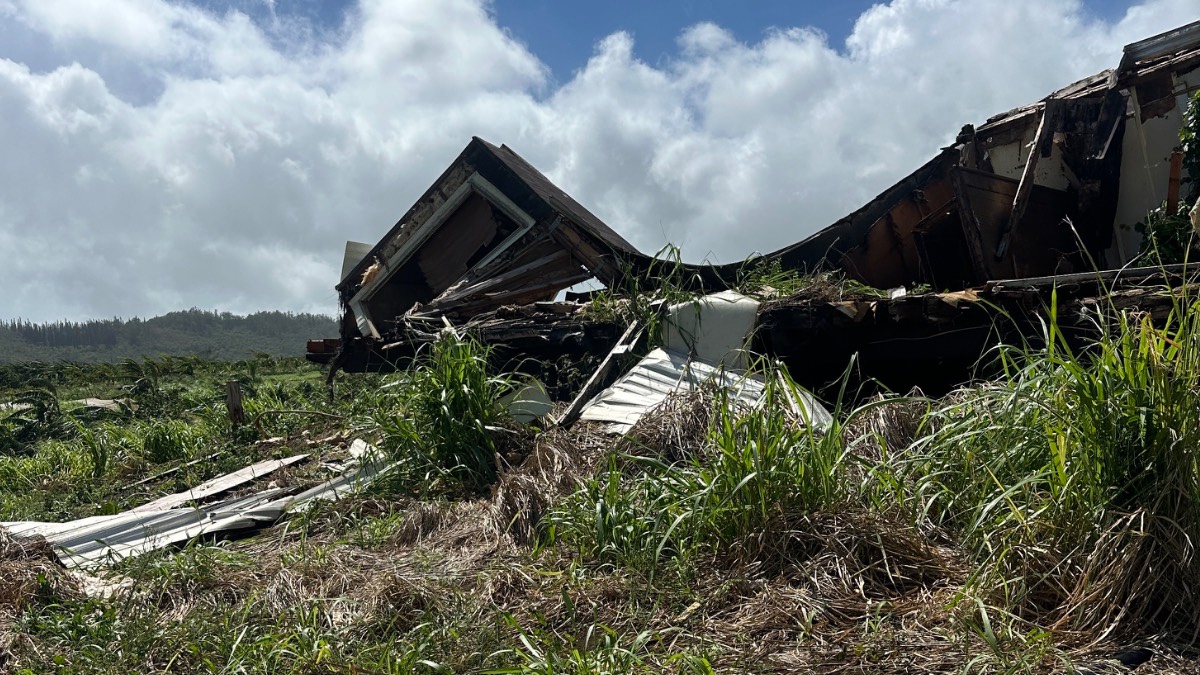
Usa Meephol and her family spent years growing three farms on Kauaʻi, only to see Hurricane Lowell destroy most of it in one night.
Meephol said she woke up to “pure devastation.”
“We’ve never felt more lost, hopeless and scared, not only because of the hurricane, in which we feared for our lives, loved ones and home, but also because of our business, which we’ve built,” Meephol said.
“We’ve lost years and years of sacrifice, blood, sweat and tears during 14-hour workdays in the fields, no matter what the weather was pounding rain or scorching sunlight — all gone in one night.”
On their farms in Kōloa, Moloaʻa and Kalepa, 198 different varieties of trees were planted.
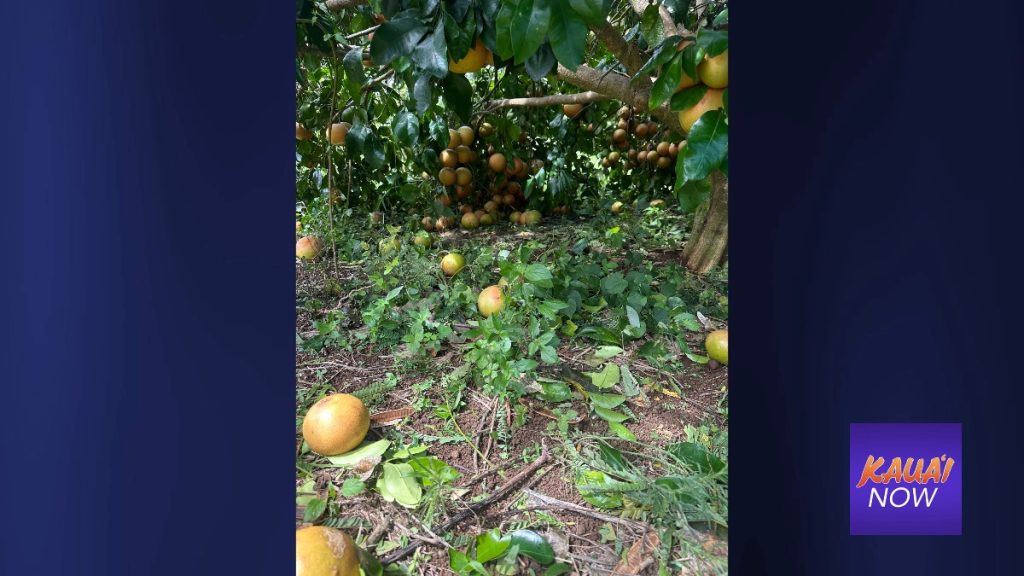
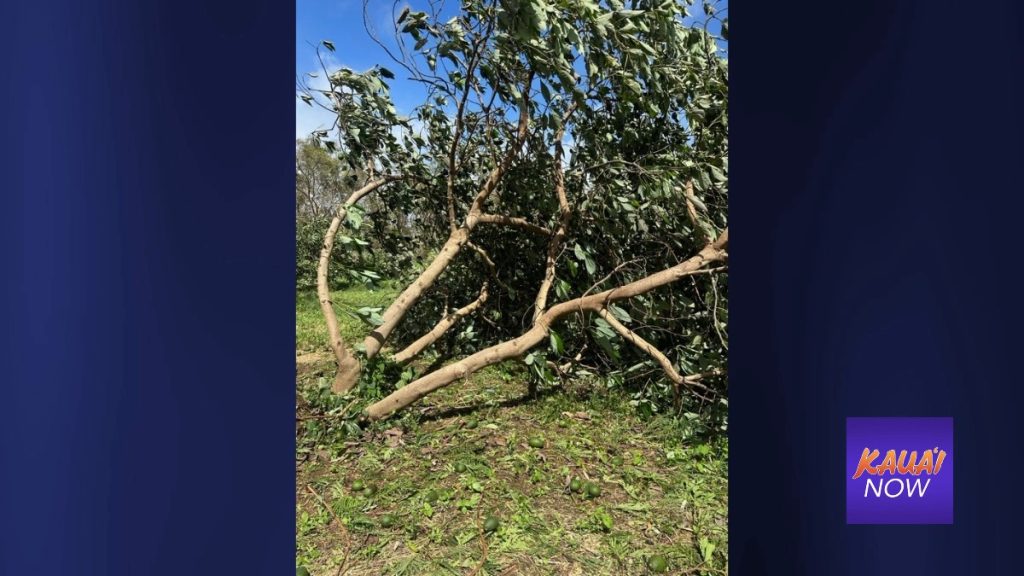
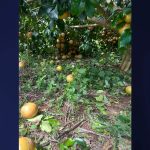
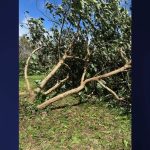
“Over 300 of our trees were knocked down and could not be saved,” Meephol said. “The wind blew all the fruit off the trees, and 90% of our fields were damaged. Now we’re lost and have no idea where to start to make even a percentage of our lost income.”
Before Lowell, mangoes and avocados were in season on their farms.
“Our trees were about to bear the most fruit we’ve ever had this year and therefore the most income we’ll have for the year,” she said.
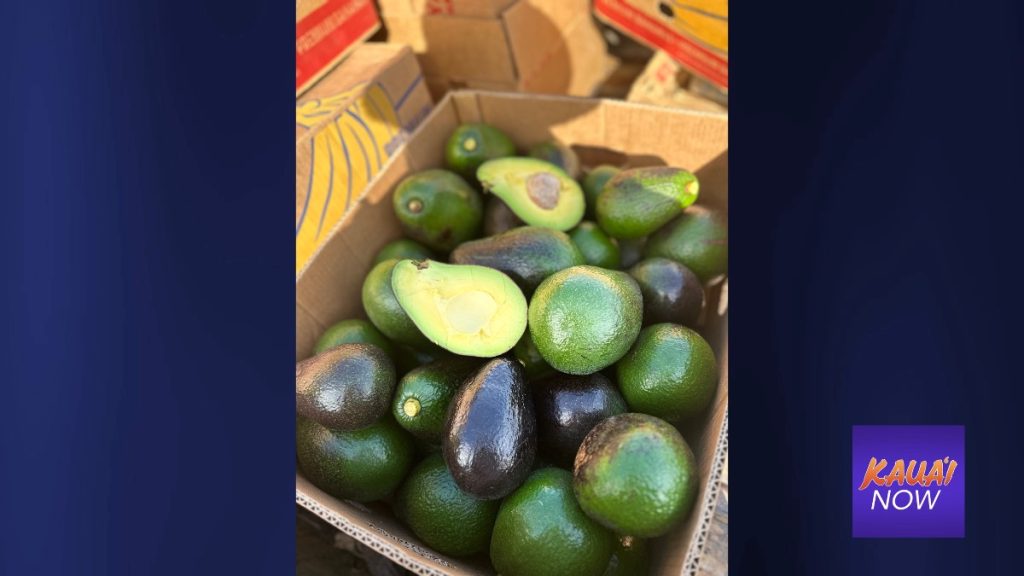
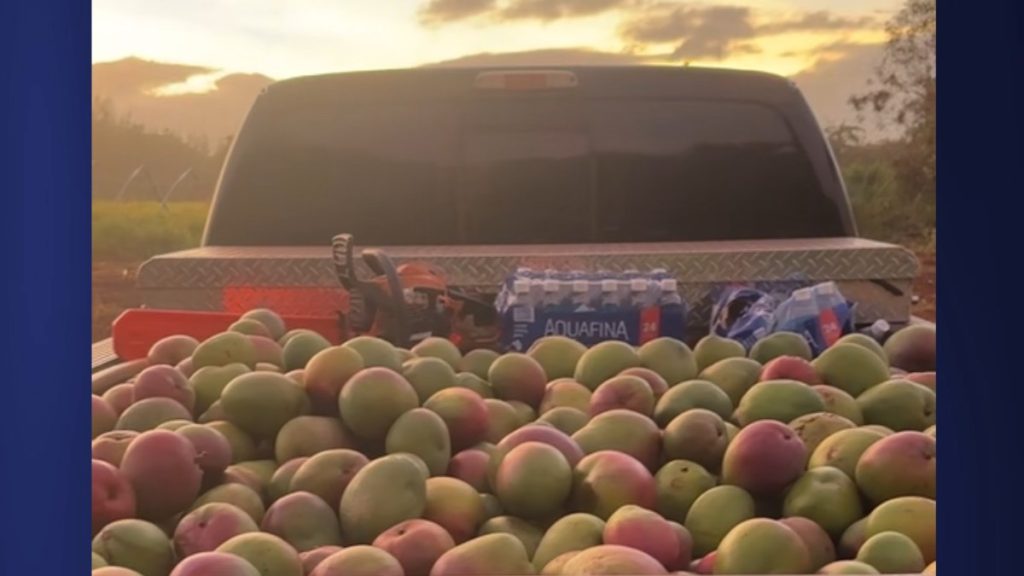
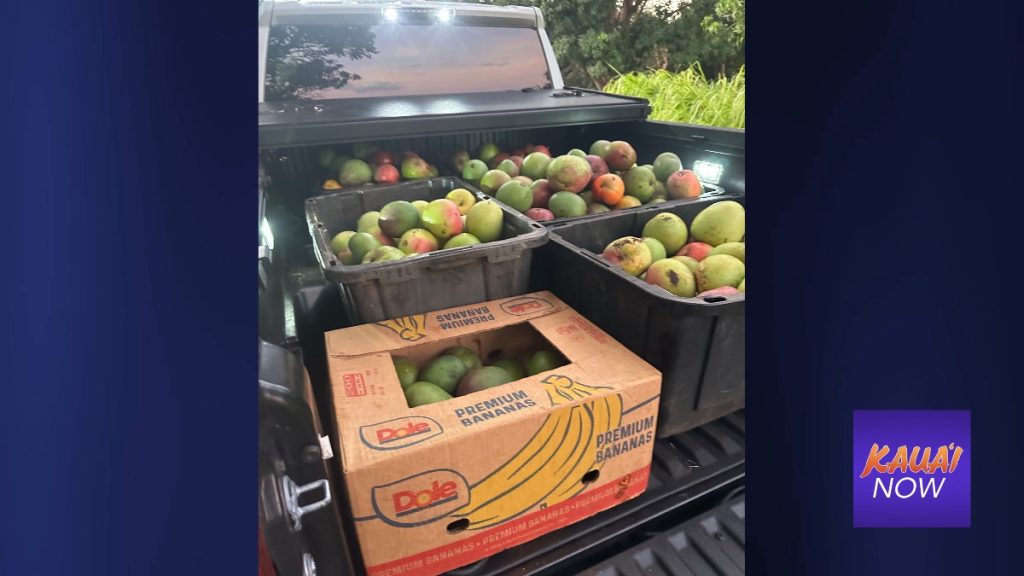
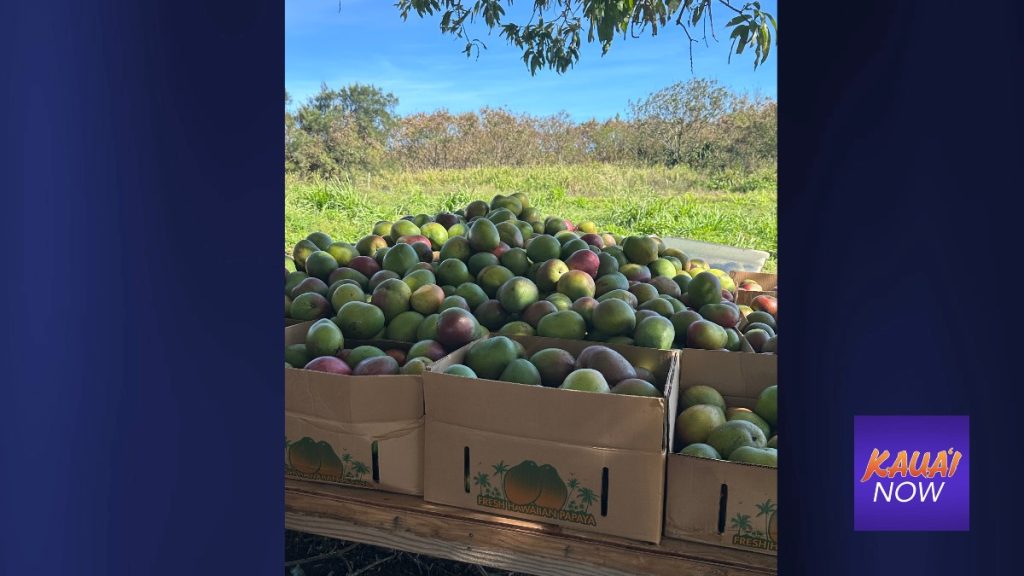
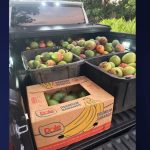
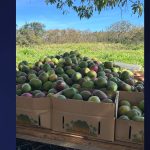
But after Lowell, they collected more than 10,000 pounds of mangoes and 4,000 avocados that were on the ground and needed to be sold quickly.
The family also owns the Kōloa Fruit Stand. The vegetable and fruit stand makes fresh 100% fruit smoothies from ingredients grown on the island, as well as sugarcane juice; it is popular among visitors to Kauaʻi, especially those staying on the south side of the island.
Each month, Kōloa Fruit Stand sells about 50 pounds of fruits, including mangoes, bananas, longan, lychee, rambutan, dragon fruit, papayas, star fruit, pineapple and avocados.
The stand features various varieties, but the Malama avocado, which grows much larger and is the best seller, and is what visitors always look forward to seeing and tasting.
“They are never disappointed,” Meephol said.
The family migrated from Thailand to Hawaiʻi seeking better opportunities and eventually settled on Kauaʻi, where they built a career in farming and construction.
After becoming a victim of human trafficking in 2008, Meephol said they returned to Thailand with the help of an FBI agent before coming back to Kauaʻi, where friends helped them secure their first farm lease with Grove Farm in Kōloa in 2011.
Things had been going well until Lowell.
Meephol said she relies on the trees as her family’s main source of income, which also helps fund her children’s college tuition.
“I know no one wants to be in this situation, and we are not asking for anything beyond the help that is available to us,” Meephol said. “Our savings, our equipment, and everything we have are not enough to cover the cost of cleaning up, replacing trees, repairing the farm, and starting over.”
Another struggle for the business now is the decline in tourism due to Lowell.
 On one journey, the pickup truck’s entire bed was filled to the brim with mangos. (Photo Credit: Usa Meephol)
- The loss of fruit across the island from downed trees has been tremendous after Lowell’s strong winds late Labor Day 2026. (Usa Meephol)
- Kalepa Farm has been hauling thousands of mangoes while rebuilding after Lowell. (Usa Meephol)
- One out of 300 fruit trees that was knocked down by Hurricane Lowell late on Labor Day 2026. (Photo Credit: Usa Meephol)
- Thousands of mangoes have been collected after Hurricane Lowell knocked hundreds of trees across farms on Kauaʻi. (Usa Meephol)
“Our business also heavily relies on tourism which is pretty much is non-existent right now, and has forced us to close the fruit stand more days out of the week,” she said.
While the family will rebuild and resume work, they need assistance to get started again,” Meephol said.
“We are praying that organizations, agencies, and our community can help us because right now,” she said. “We feel like we have very little left. … These farms are not just our business; they are our livelihood and the result of years of work and sacrifice. Losing them has been heartbreaking.”
Donors interested in supporting the Meephol ‘Ohana in recovery can click here. Residents interested in volunteering or purchasing their abundant fruit can reach out directly via email at usameephol@gmail.com.
Businesses interested in purchasing fresh fruit or vegetables in bulk from Meephol can also contact them directly via email.