


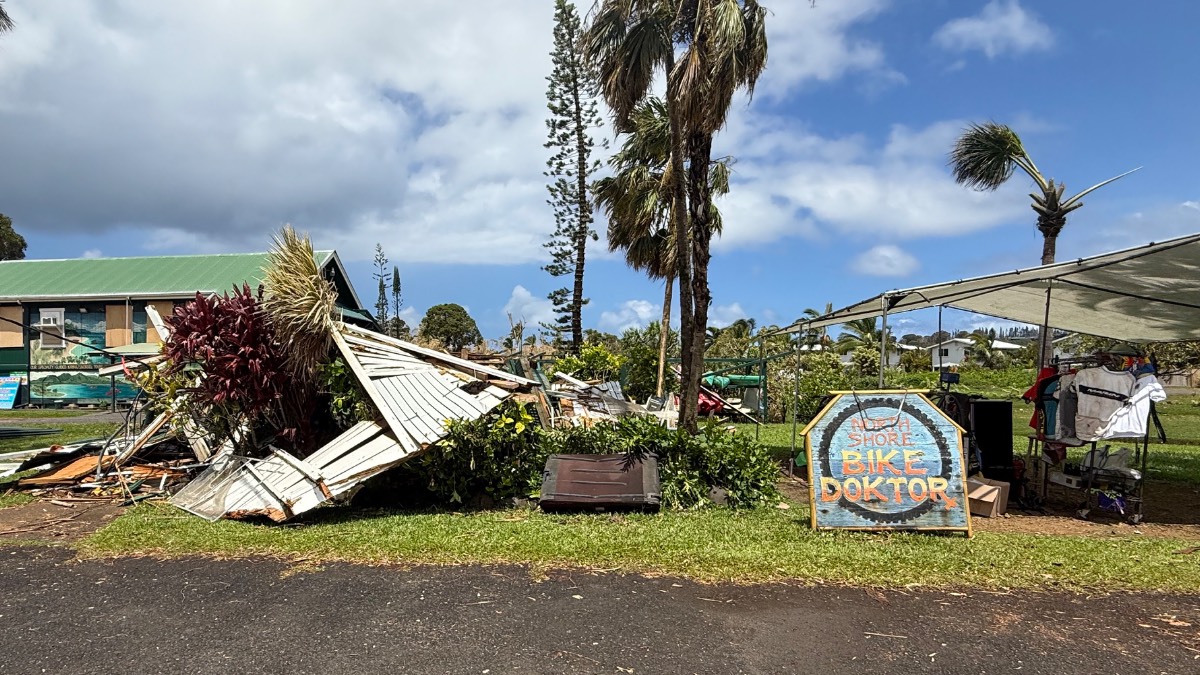
“I always said: Iʻll retire when my bike shop falls down.” But Johnny Sargent “didn’t believe it was going to happen as quickly.”
Late Labor Day, Hurricane Lowell’s winds obliterated his business, North Shore Bike Doktor, in Hanalei.
On Tuesday, a week after the storm, the 70-year-old said: “I’m done.”
After assessing the damage to his inventory and shop, he added: “I don’t think there’s any coming back from this. I’m still trying to process it. Every day is different.”
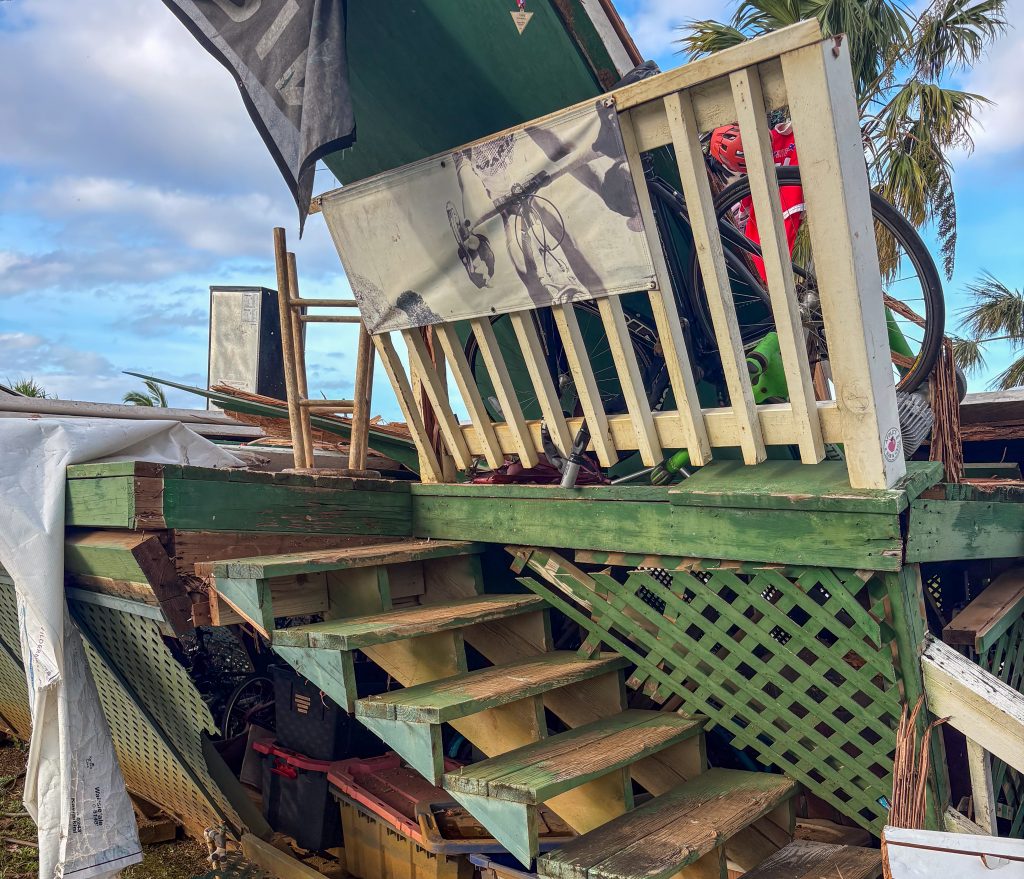
As cleanup continues across Kauaʻi, local businesses face a difficult next step: rebuilding while preparing for an uncertain future and the return of visitors, who for now are being encouraged by local and state officials to delay their trip to the battered island or go to other Hawaiian islands.
For some businesses, reopening could take weeks as owners repair damaged infrastructure and clear debris. For others, the greater concern is what happens after the cleanup — and whether enough visitors will return to support an economy heavily dependent on tourism.
On Kauaʻiʻs east side, business owner Meghann Kealoha Matsuda, who operates Pineapple Kayaks Kauai, said the business is almost entirely dependent on tourism.
“A lot of local businesses like myself are dying right now,” she said.
She recently turned to the community for help via Instagram, something she said she has rarely done.
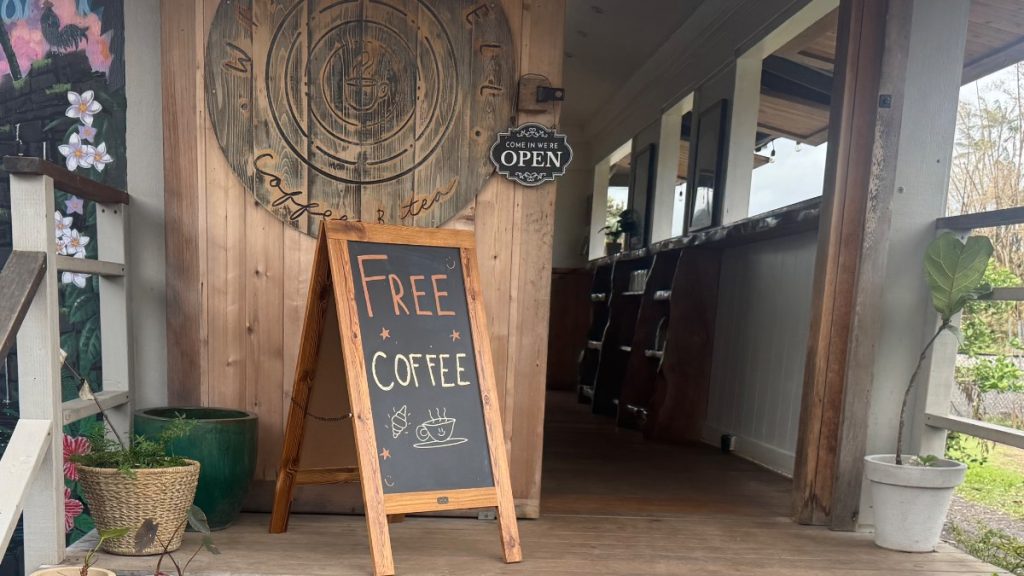
The owners of Wishing Well Coffee & Team in Hanalei, with the motto “Slow Yourself Down,” estimate the storm caused at least $50,000 in damage, with repairs and rebuilding expected to take several weeks.
“First and foremost, each business is going to do their own thing slowly, what makes sense for them,” said Aamion Goodwin, an owner of Wishing Well. “We know we need to open. We’ve got employees and people that need to pay their bills, and then we’ve got the other side of people that are really suffering and hurting.”
Rather than fully reopening immediately, the business plans to offer free coffee and croissants to members of the community while repairs continue, creating a place for residents to gather, exchange information and help one another.
His approach reflects the competing needs businesses are seeing across the island.
For Matsuda, the conversation about tourism goes beyond simply bringing more visitors to the island, saying: “I do agree that tourism is a problem.”
She wants to see a form of tourism that places greater emphasis on Hawaiian culture, environmental stewardship and participation in the local community.
Her kayak business, for example, incorporates information about Kauaʻi’s history, native species and invasive plants. She said she is also developing an audio experience to teach visitors about the river’s history and how it has changed over time.
“I’m all about redefining tourism,” she said. “Iʻm also a big believer in giving our island rest. It will heal kinda like during the pandemic, and that was a great example. … But a lot of us are worried about tourism because we don’t have enough local support to support us 100 percent.”
That discussion comes as the Hawaiʻi Tourism Authority works with Kauaʻi County on how and when to encourage visitors to return.
The authority’s chief administrative officer, David Uchiyama, said the agency is working with county officials on a recovery plan.
“We want to make sure that our messaging aligns with what the county wants, and bringing people back to Kauaʻi” Uchiyama said.
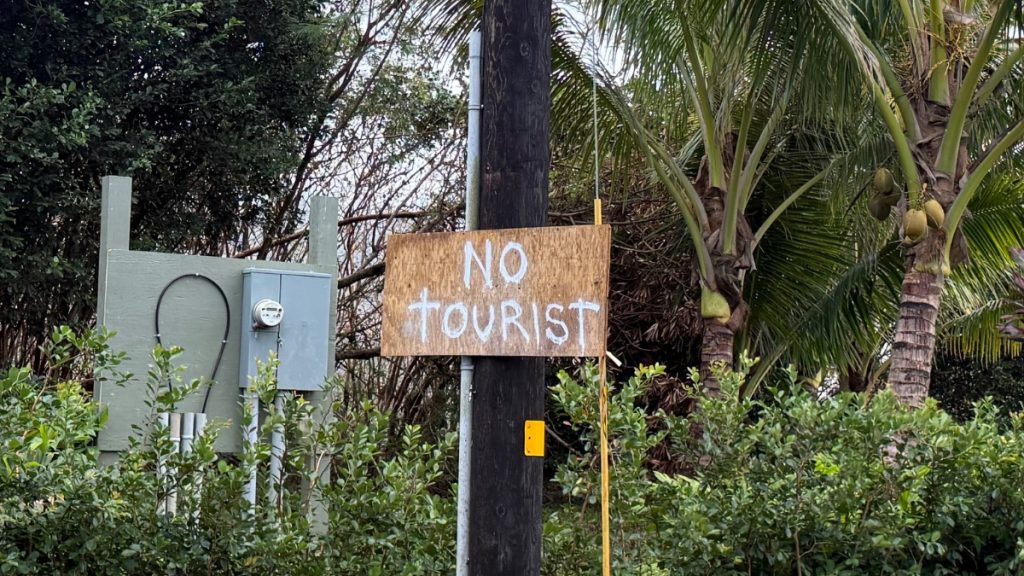
“It’s a fine line between addressing the recovery and restoring Kauaʻi to restoring the business and the economic factor of the island, which a lot is constructed to tourism, and we are sensitive to that fine line between community and tourism.”
The tourism authority also is balancing that some areas are recovering faster than others.
“In some areas, other than where the power was out, they didn’t receive any damage,” Uchiyama explained. “But then there are areas that received extensive damage.
“I understand those people that feel they werenʻt affected, we need to take a look at the total and take at look at both sides, and respect for those that are really affected and those that are affected in the financial and economic standpoint.”
And, Uchiyama added: “We want to keep everyone empoloyed.”
He noted that hotels have been working to keep employees on their payrolls by redeploying some workers to do cleanup and other recovery efforts.
At the same time, airlines have seen a significant drop in passengers coming to Kauaʻi since the storm, Uchiyama said.
The tourism authority is communicating with airlines because maintaining routes to Kauaʻi will be part of the island’s economic recovery. The agency also is monitoring damage to roads, water and sewer systems, and other infrastructure before promoting a broader return of visitors.
The situation has created differing perspectives among businesses and residents. That has made the question of when tourism should resume particularly complicated.
“We are not going to make the same mistakes we did post-Maui fire; we are gearing up to energize Kauaʻi, but out of respect for the recovery and the community, we want to be sensitive to the community’s needs first,” Uchiyama said.
Sargent has had his bike shop for 33 years.
“My shop was moved here in March of 1993 after (Category 4 Hurricane) ‘Iniki, but I’ve been in business since 1986.”
At 70, he said it will be difficult “to get started again” and is unsure how to move forward or whether to retire.
“I sometimes think Iʻm going to rebuild, I’m going to do this and that, but what’s the reality?” he said through tears. “Iʻm just going to hang in there and just move on. I’m just trying to process it. I lost the inventory, and I lost the shop.”
Sargent said he had been catering to the locals in the community and in recent years, built a successful rental business “that’s kind of kept me afloat with that extra income.”
“Right now there is no power, and the infrastructure is destroyed, so them coming down here is just to sightsee,” Sargent said. “There is nothing here available for them, but thatʻs going to be a while.”
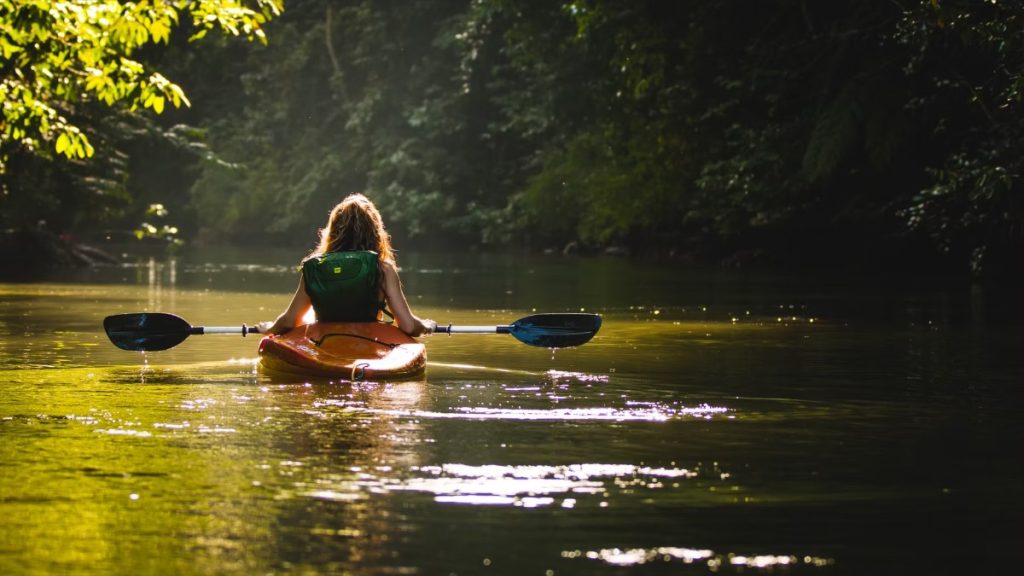
Matsuda said her 3-year-old kayak company recently invested heavily after buying out partners. Matsuda said the investment was intended to create a more sustainable business model, including flexible employment opportunities for single mothers.
But Hurricane Lowell arrived at a time when the owner was already navigating major changes.
“This is the first time I’ve been in this predicament,” she said. “But everything is happening all at once.”
Goodwin, at the Wishing Well, said: “We keep showing up to work, not really much out there. We donʻt give up.
The North Shore, with many areas still without power, remains particularly sensitive as residents and businesses continue dealing with damaged infrastructure, debris and other hazards.
“People need to heal, and there’s damage, and we’ve got to be respectful of that,” Goodwin added. “And on the other side, we also have locals ourselves and depend on tourism.”
He mentions that each business will gradually pursue its own approach, based on what makes sense for them. His business expects to begin reopening in phases over the next several weeks, depending on repairs and conditions.
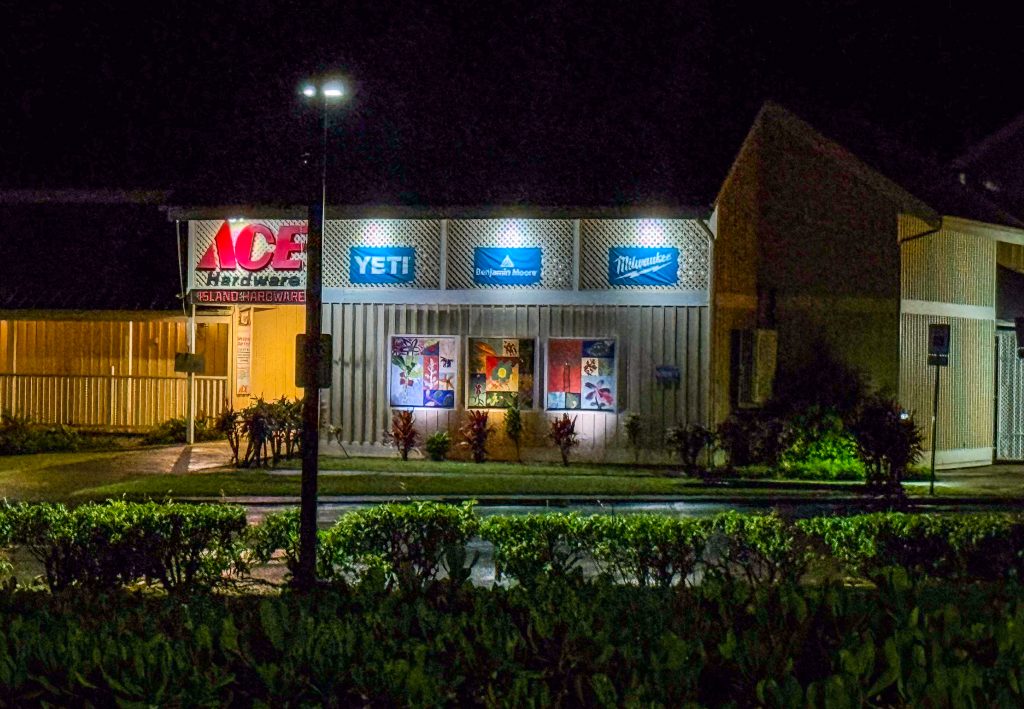
Tuesday night, the lights came back on in areas of Princeville and Hanalei.
“Before we know it, all the town will be booming again,” Goodwin said. “It’s just the cycle, Wishing Well was damaged, and it will take some, some money, but we’re gonna be back at it, and stronger than ever.”