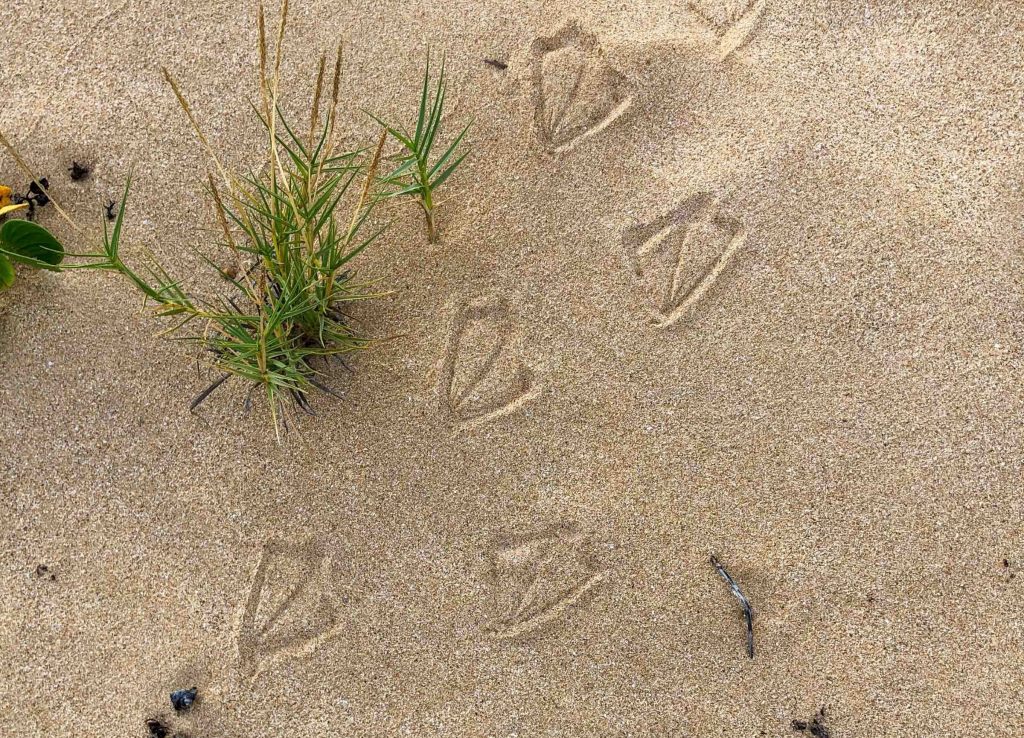


“Dark Skies” are now the new nighttime norm at Pacific Missile Range Facility in West Kaua‘i after the U.S Navy installation implemented its annual program during shearwater fledging season, which started Tuesday and runs through Dec. 15.
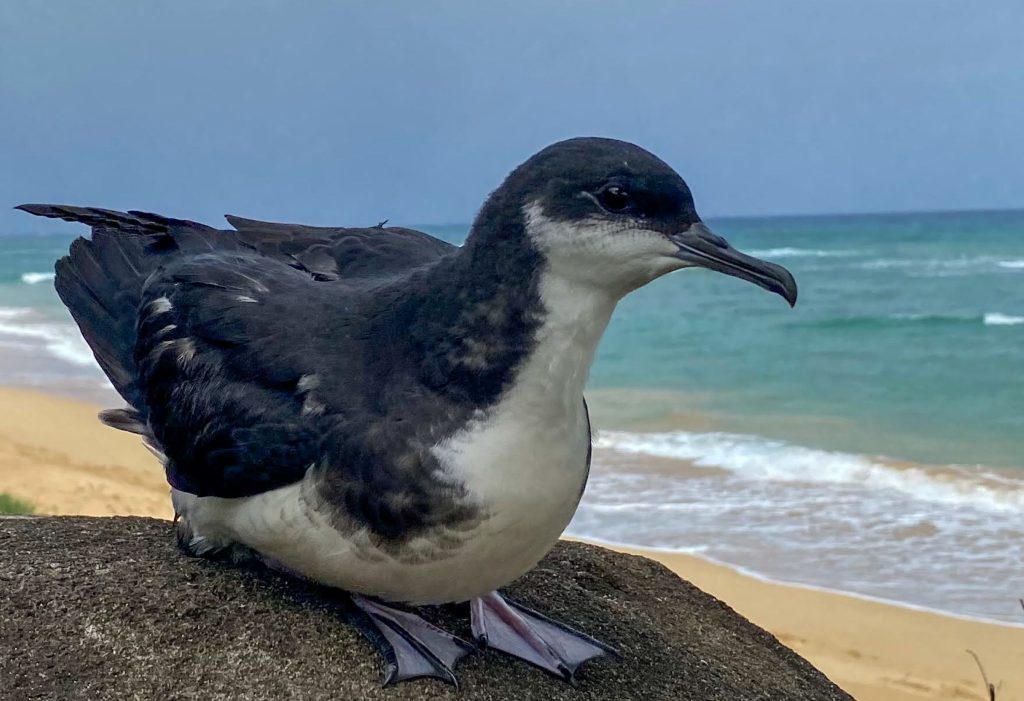
Fledgling season is a critical period for two of Hawaiʻi’s most threatened seabirds ʻaʻo, or (Newell’s shearwater) and ʻuaʻu (Hawaiian petrel).
Fledgling seabirds leave their mountain burrows for the first time each year to make their way to the ocean, relying on natural light from the moon and stars to navigate. Bright artificial lighting can disorient the birds, causing them to become grounded, injured or killed.
The Dark Skies program — developed in partnership with federal, state and community organizations — helps reduce light pollution and improve safe passage for fledglings during this vulnerable migration period. Numbers of fallen seabirds decreased significantly since the program began.
Nēnē numbers also increased at the installation as they enter their breeding and nesting season from September to April. Pacific Missile Range Facility issued separate guidance for nēnē protection programs to support the anticipated increase in nēnē families throughout the seasons.
Base leadership and personnel coordination behind Dark Skies remain central to its success, helping ensure Kauaʻi remains a place where native seabirds can survive alongside vital defense operations.
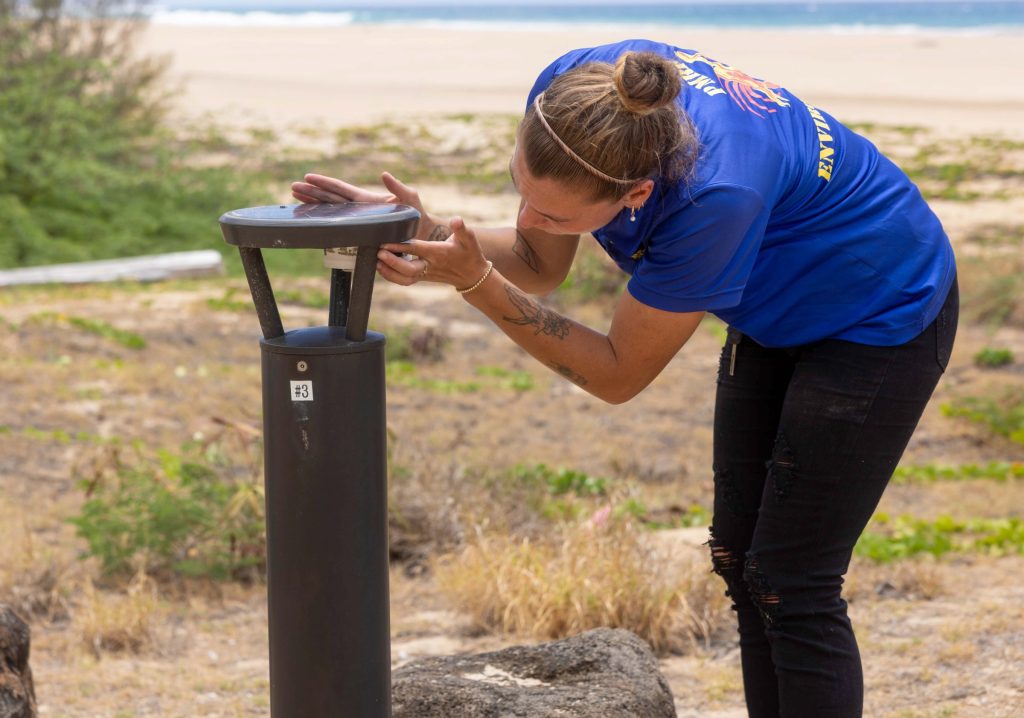
“The Dark Skies program plays a critical role this season as shearwater fledging and nēnē breeding occur simultaneously on the installation,” said Pacific Missile Range Facility Natural Resources Manager Brooke McFarland. “As [Pacific Missile Range Facility] recovers from the hurricane, responsible lighting practices and wildlife awareness can help minimize disruptions to protected species while sustaining installation operations and stewardship efforts.”
Impacts of Hurricane Lowell created additional environmental stressors around the island.
Debris, damaged vegetation and altered lighting conditions can increase hazards for seabirds during fledging season. Pacific Missile Range Facility Natural Resources personnel are factoring those conditions into seasonal response planning and wildlife protection efforts.
An annual wedge-tailed shearwater banding workshop supports ongoing research by specialists to track movement patterns, assess environmental and climate-related impacts and collect data that informs long-term conservation strategies.
This year’s workshop was rescheduled because of the recent storm event.
The Dark Skies program contributed to the recovery and survival of fledgling shearwaters and other native seabirds by reducing the risks associated with artificial light pollution.
Protective measures include shielding exterior lighting, reducing nonessential lights during peak fledging periods and increasing community awareness about responsible nighttime lighting practices.
Pacific Missile Range Facility encourages residents and businesses to support islandwide seabird protection efforts by dimming or shielding outdoor lights at night and reporting any downed seabirds to the Save Our Shearwaters hotline at 808-635-5117 or taking the bird to the nearest aid station.
Pacific Missile Range Facility hosts an aid station at its Pass and ID Office located on Tarter Drive, just outside the main gate.
Contact the Pacific Missile Range Facility Natural Resources Hotline at 808-208-4416 to report an injured or downed nēnē or seabird on base.