


Updated at 5 a.m., Sept. 8
While Hurricane Lowell has passed Kauaʻi County and is moving north away from the islands, Kauaʻi County still is feeling the dangerous impacts from the storm early Tuesday.
As Hurricane Lowell continues past Kauaʻi and Niʻihau and weather conditions slowly improve, Kauaʻi emergency officials are urging all residents and visitors to stay off roadways and avoid unnecessary travel to allow first responders and emergency crews to continue operations and assess the widespread damage.
Trees and utility lines are down in areas across the island, making travel perilous. Roadways need to remain free of vehicles so first responders can continue to care for those who need immediate assistance. Crews are being dispatched to clear the highest priority roads and to ensure critical infrastructure is restored as soon as possible.
Document your damage
Residents are urged to closely document damage to their homes and property. A damage assessment form is available through the Kauaʻi Emergency Management Agency website at https://survey123.arcgis.com/
The information provided will help the County of Kauaʻi understand the scope of residential damage and impacts to our community. Damage reports may be used to determine whether our jurisdiction qualifies for state or federal assistance.
Affected parties still need to file claims with their insurance companies for residential damage and personal property losses. Residents can also notify authorities about public hazards at: https://survey123.arcgis.com/share/060659e0fd7344d59ccb2056dcbe53f9. This form is for reporting non-life-threatening roadway and public space flood damage and hazards.
Here is what else you need to know about closures, resources and more.
Generators
If you use a generator, be sure it is placed at least 20 feet away from doors,
windows and garages to avoid deadly carbon monoxide poisoning.
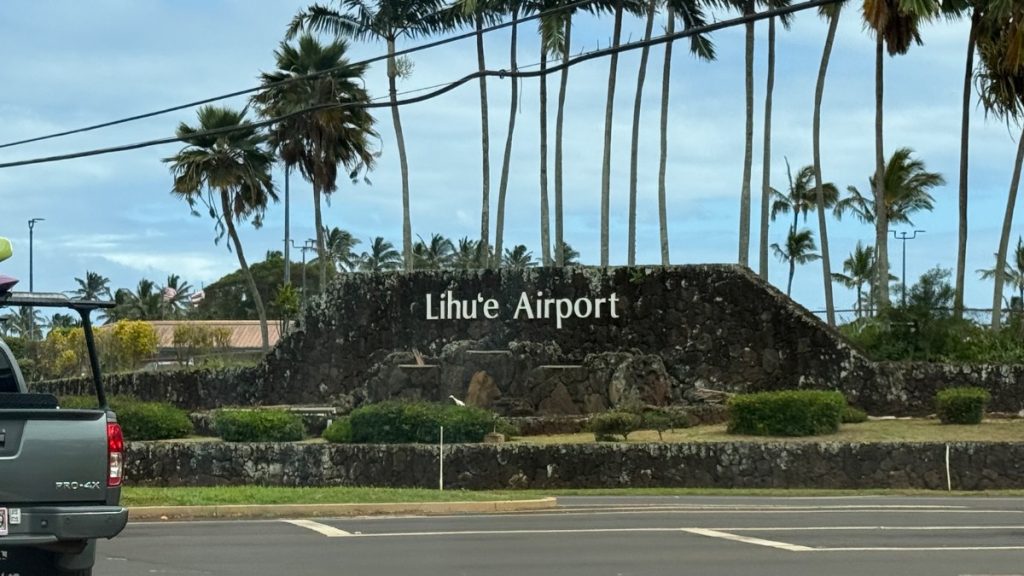
Līhuʻe Airport
The Līhuʻe Airport closed at 2:30 p.m. Monday. Travelers are advised to contact their airlines directly for information regarding the cancellations.
Kauaʻi County closures
Gov. Josh Green announced state closures for Kauaʻi County on Tuesday, Sept. 8, because of the continuing impacts of Category 3 Hurricane Lowell. Essential government services and emergency operations will continue.
There also are many other closures in Kauaʻi County. They include:
- State and Kauaʻi County offices
- All 15 Hawaiʻi State Department of Education public schools on Kauaʻi
- Ni‘ihau High & Elementary School
- All school-related activities in Kauaʻi County that were scheduled for Tuesday are also canceled, including athletic events and practices, extracurricular activities, meetings and other school events.
- Kaua‘i Community College will be closed Tuesday. All classes, including online courses, are canceled and employees should not report to campus. Essential employees will be contacted directly if they are needed.
- Puʻuhonua Kaulike
- Kauaʻi County refuse collection service was suspended at 12 p.m. on Monday.
- The Hawaiʻi State Judiciary has closed all judiciary operations on Kauaʻi. All hearings and trials scheduled for Tuesday will be rescheduled. In addition, by court order, the deadline for court filings due Tuesday will be extended to Sept. 9. For updates, go to: Hawaiʻi State Judiciary website.
- All County parks and campgrounds and the Wailua Golf Course are closed until further notice.
- All Department of Land and Natural Resources state parks and state forest reserves are closed until further notice.
Employees affected by the closing of those offices should not report to work and shall be granted administrative leave, except for:
- Departmental Disaster/Emergency Coordinators;
- Disaster Response Workers;
- Employees whose work involves continuing crucial operations/services, such as hospital workers, correctional workers, building and grounds maintenance and infrastructure support workers, food service, etc; and
- Employees who are assigned to remote work.
Employees who fall into one of the above categories are required to report to work, or perform remote work, unless you determine that they can be excused. If employees are unsure whether they are in one of the four categories above, they should seek clarification from their immediate supervisor or manager.
Families, students and employees should check the Hawaiʻi State Department of Education website and social media channels for the latest school closure and reopening information.
Kaua‘i Bus
The Kaua’i Bus will not operate on its regular schedule on Monday, Sept. 7, as it will be supporting transportation needs to shelters.
Road closures/floodingconditions
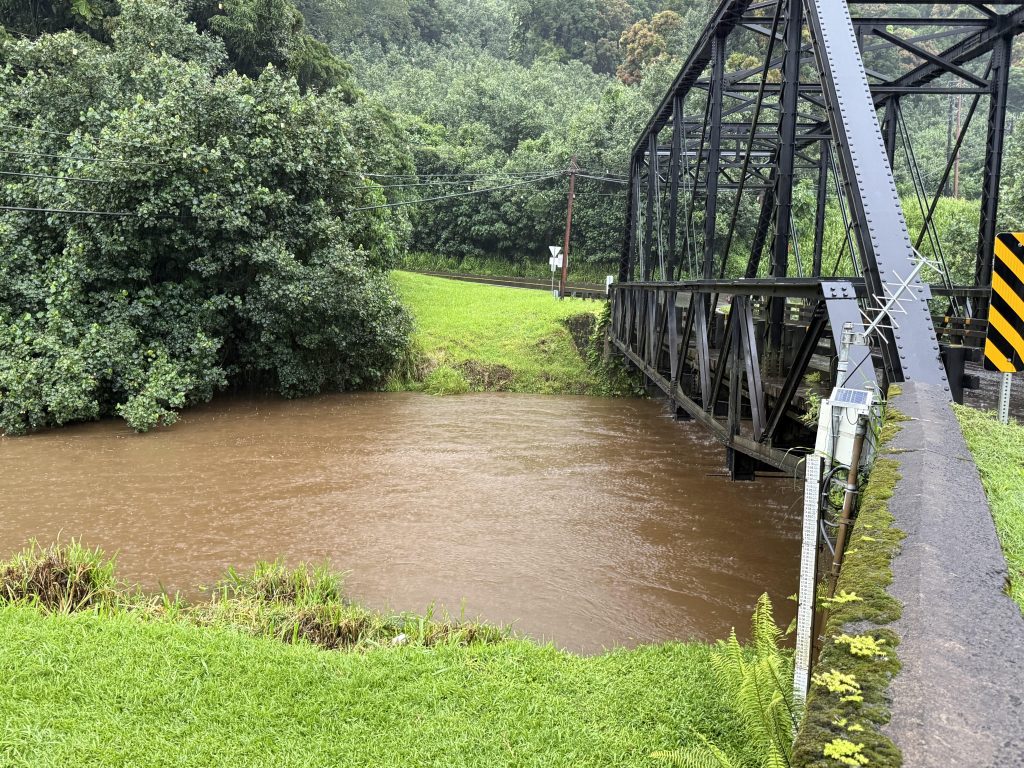
- The Kūhiō Highway near the Hanalei Bridge is closed until further notice due to flooding of the Hanalei River.
- Kūhiō Highway is closed in both directions near the vicinity of the Hanalei Refuse Transfer Station due to a downed tree.
- Maluhia Road is closed in both directions due to a downed tree.
- Kaumualii Highway, between Akialoa Road and Kala Road, in Kekaha is closed due to severe weather.
Other closures
- Catholic Charities Hawai‘i’s Kauai office will be closed on Sept. 8 and an announcement will be made when the Līhuʻe office reopens.
- Bank of Hawai‘i’s Kaua‘i branches are closing on Sept. 8.
Refuge areas/shelters
The county, in partnership with American Red Cross, opened at 5 p.m. on Sunday the following refuge areas/shelters ahead of Hurricane Lowell:
- Kīlauea Neighborhood Center, 2460 Keneke St., Kīlauea.
- Kapaʻa Middle School, 4867 Olohena Road, Kapaʻa.
- Kauaʻi High School gym, 3577 Lālā Road, Līhuʻe.
- Kalāheo Neighborhood Center, 4480 Pāpālina Road, Kalāheo.
- Waimea Canyon Middle School, 9555 Huakaʻi Road, Waimea.
Refuge areas do not provide bedding, cots or any supplies.
People need to bring their go kits with personal bedding, medication, food, water, toiletries and other necessities. All the facilities accept pets. But for the safety of the pets and the people staying at the shelters, and for sanitation, pets need to be crated.
Kauaʻi County Department of Water
Effective immediately, the Department of Water has issued a water conservation notice for the island of Kauaʻi due to Hurricane Lowell’s eastward shift.
Customers are advised to limit water use to essential needs only, including cooking, drinking, personal hygiene, laundry, and sanitation, to help avoid a full water service outage. Water conservation measures include turning off fixtures and equipment that automatically draw water, such as ice machines and irrigation systems.
In the event of a water service outage, do not operate appliances that require water, and do not allow water heaters to empty.
This notice will remain active until the conservation notice is lifted.
Updates will be posted at the Department of Water website, or call public relations for update recordings at 808-245-5455.
Customers should store the recommended minimum of 1 gallon per person per day in their emergency kits to meet their needs until service can be restored.
Store water: Use clean containers, preferably those designed for water storage. Do not use containers that might have previously stored hazardous or questionable materials, food with strong odors or are made of easily breakable materials such as glass. Fill the container with tap water, leaving minimal air space between the water and the cap. Store it in a cool, dark place.
What to do in a storm:
- Immediately begin water conservation measures, using water sparingly. Water should be used for essentials such as cooking, drinking and sanitation. Keep toilet flushing to a minimum.
- Collect rainwater to for non-potable water needs. Do not drink rainwater.
- Turn off or disconnect any devices or fixtures that regularly draw water.
What to do after a storm:
- Any water service interruption updates will be posted online, through social media platforms and relayed to local radio stations, as needed.
- After the storm has passed, Department of Water will assess its infrastructure. If water lines are damaged, or conservation notices are issued, continue to conserve water until the department officially announces the conservation notice is lifted.
Receive Department of Water alerts by signing up for Everbridge. You also can visit the department website.
Brown water advisory
After storms or heavy rain, the water may contain higher than normal pollutant levels and the Department of Health recommends staying out of these affected waters for 48 to 72 hours after the rain has stopped and after the beach has received full sunshine.
The Department of Health advises the public to avoid swimming, wading in, or drinking water from any freshwater streams or pond to prevent leptospirosis, a bacterial infection caused by the Leptospira bacteria.
Emergency disaster kits
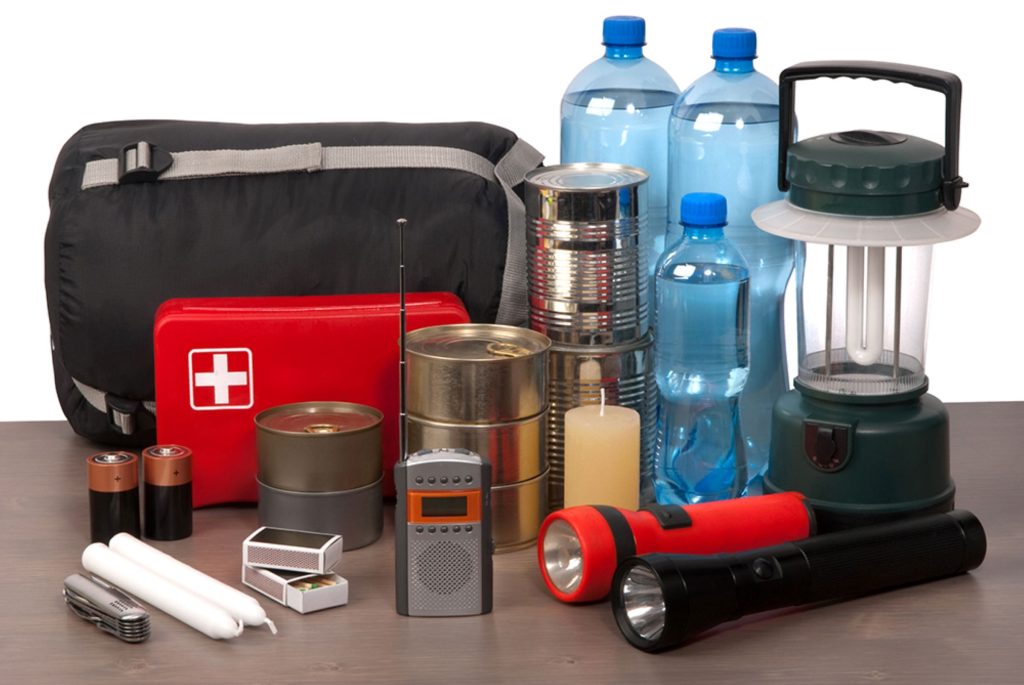
Kaua‘i County officials encourage the public to check and replenish their emergency disaster kits, which should include:
- At least a 14-day supply of non-perishable food.
- 1 gallon of water per person per day.
- Battery-powered radio.
- Flashlight.
- Extra supply of prescription medications.
- Other items tailored to individual and family needs.
- A smaller, portable go kit is also recommended in the event of evacuation.
Kauaʻi Island Utility Cooperative tips to prepare for power outages
- Use surge protectors to protect your appliances and equipment
- Turn off and unplug all unnecessary appliances or equipment
- Keep a portable battery-powered radio and flashlights with extra batteries
- Stay away from downed power lines and report to 9-1-1
- Contact Kauaʻi Island Utility Cooperative at 808-246-4300 to update your contact information and receive alerts
Hawaiʻi Life Flight & REACH
Hawaiʻi Life Flight and REACH air medical assets continue to transport critical, sick and injured patients. This mission will continue until the absolute last minute, when winds and weather conditions become unsafe for flight operations.
Only when conditions become unsafe will the aircraft be relocated to Oahu or another island until condition are safe to return. The Kauaʻi-based air medical team of two critical care paramedics and two critical care RNs will remain on Kauaʻi to support ground operations.
Hawaiʻi Life Flight said it added an additional AMR ground ambulance to assist Kauaʻi Hospice with evacuating residents in low-lying areas who are at risk for flooding and/or extended power outages. Evacuations are continuing until everyone is safely relocated.
Beginning Monday morning through Wednesday, Hawaiʻi Life Flight also will add two additional Advanced Life Support ground ambulances to assist with any potential 911 surge or emergency interfacility transfers. A strike team of five personnel arrived Sunday to help.
Outdoor recreation
Ocean Safety Bureau officials are advising no swimming or outdoor recreational activities until further notice.
Do not go hiking, camping, swimming, surfing, or participate in other outdoor and ocean recreation if hazards are forecast or present. Outdoor recreation areas may quickly become hazardous. During severe weather, emergency rescues may not be possible. Do not cross swollen rivers or streams, and always check with a lifeguard at any lifeguard station before entering the ocean.
Stay connected
Verizon in anticipation of Hurricane Lowell reinforced its local network and is waiving domestic calls, texts and data charges for consumer value, postpaid and small business customers through Sept. 14 for those on Kauaʻi.
While Verizon’s network is built to handle the unexpected, satellite messaging provides backup if terrestrial services become unavailable.
Verizon customers with compatible satellite-enabled devices — such as iPhone 14 or newer running iOS 18+ or Google Pixel 9 or newer — are encouraged to test and familiarize themselves with emergency satellite messaging before the hurricane makes its closest approach.
Kauaʻi Community College
The talk story event with the “E Mau Ke Ea” exhibit curator, originally scheduled for Sept. 8, was rescheduled because of potential inclement weather from Hurricane Lowell. It is now planned for 4 to 5 p.m. Sept. 10 in the Kauaʻi Community College library. The exhibit remains open for viewing during normal business hours.
The campus also will be closed Sept. 7 in observance of Labor Day; however, there are no other cancellations or closures at this time.
Pacific Missile Range Facility
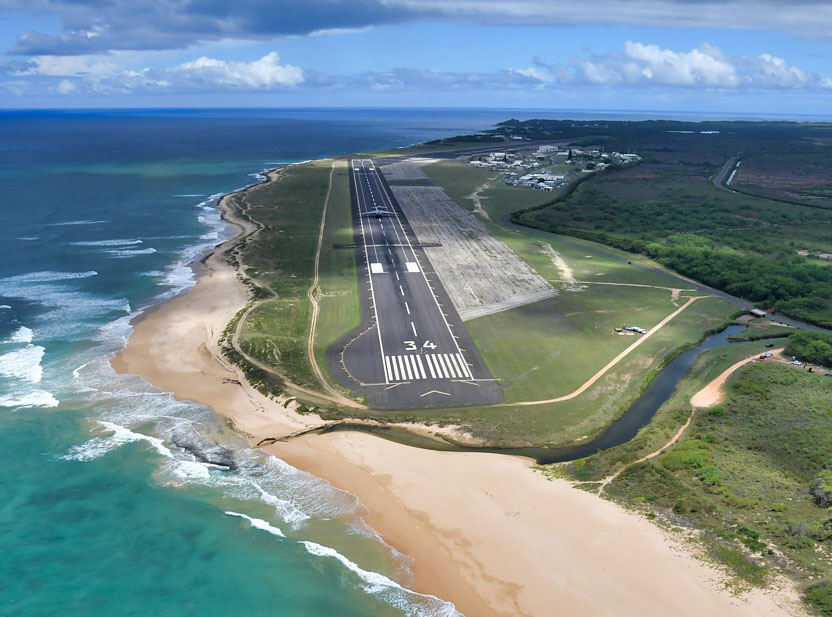
Commander, U.S. Navy Region Hawaiʻi ordered the setting of Tropical Cyclone Condition of Readiness 3 for Pacific Missile Range Facility in West Kauaʻi. All base personnel were advised to complete essential storm preparations.
The installation remains fully mission capable with potential follow-on actions contingent upon weather updates.
The Pacific Missile Range Facility has temporarily closed its recreational guest pass program and recreational sites until further notice.
Visit the Pacific Missile Range Facility Morale, Welfare and Recreation Facebook page for the latest updates about facility events and services.
Young Brothers shipping
Shipping firm Young Brothers is closely monitoring Hurricane Lowell in coordination with U.S. Coast Guard and relevant state agencies. There are no additional changes to sailing schedules or cargo operations at this time.
Updates about sailing schedules, cargo acceptance and cargo availability will be provided by email and on the Young Brothers website should conditions affect operations.
Important numbers and resources
- Overall emergency management: Kauaʻi Emergency Management website.
- Weather forecasts, advisories, watches and warnings: National Weather Service website or automated weather line at 808-245-6001
- Water service: Kauaʻi County Department of Water website or via phone at 808-245-5400.
- Road closures and conditions: 808-241-1725.
- Up-to-date ocean conditions and safety: Speak to a county lifeguard, visit the Safe Beach Day website or call Kauaʻi Ocean Safety Bureau at 808-241-4984.
- Sign up for Everbridge emergency notifications: Visit the Kauaʻi Emergency Management website and click “Notification Services,” text “KAUAIEMA” to 888777 or call Kauaʻi Emergency Management at 808-241-1800.
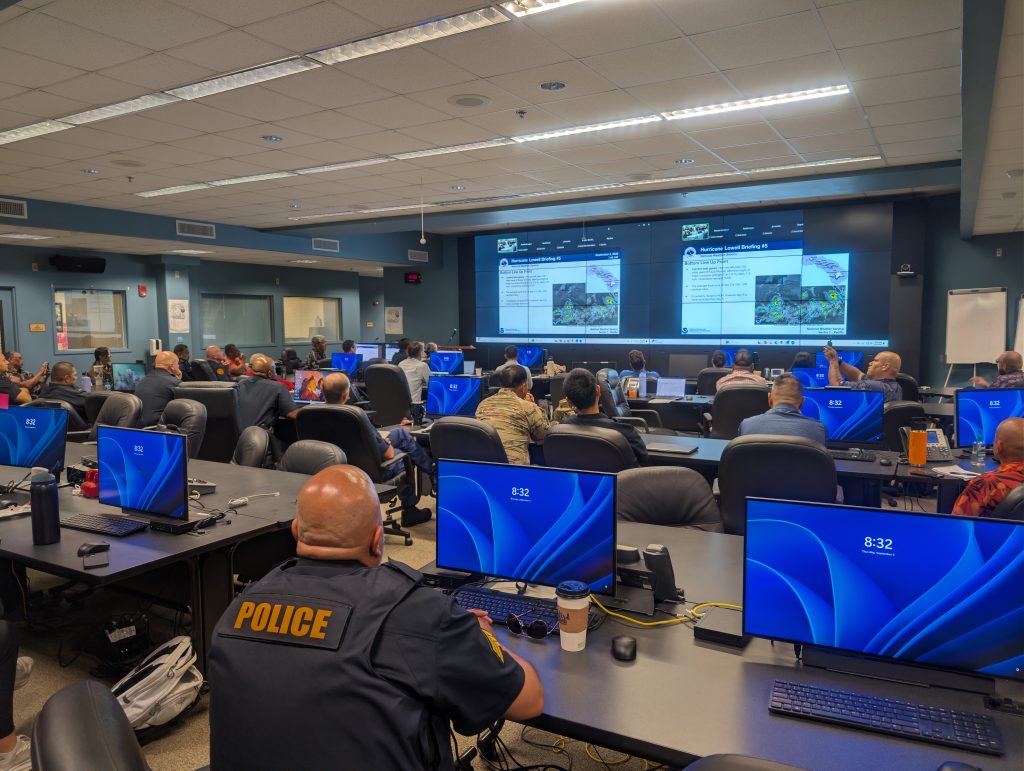
Officials remind the public to use 9-1-1 only for life-threatening or time-critical emergencies. Emergency response can be significantly delayed with callers seeking non-emergency information such as weather updates and road conditions.
Non-emergency hazards should be reported to Kauaʻi Police Department Dispatch at 808-241-1711.
Visitor information
Hawai‘i TV news, radio and weather stations: Conditions can change quickly, especially during severe weather. The updated “Hawai‘i Visitor Guide to Local Weather and Emergency Information” lists local news and official information sources so visitors can stay informed and adjust their plans as needed
The Kauaʻi Visitors Bureau informs visitors about when a lodging property is in a safe location and not under evacuation orders, it is best to shelter-in-place, where they are comfortable and have better access to food and other essential supplies.
This also will protect visitors while helping prevent travelers from becoming stranded at the airport or in areas affected by road closures, such as Hanalei when the bridge is closed.
Lodging properties should be prepared to meet basic food, water, sanitation and communication needs.
Visitors are reminded:
- Avoid unnecessary travel and areas that could be affected by flooding, hazardous conditions or road closures.
- Stay off roads in severe conditions and never drive through flowing or rising water, including streams and drainage ditches that might appear dry.
- Be aware of ocean conditions and wait 48 to 72 hours before entering the ocean, especially where water appears brown or murky.
- Visit the Division of State Parks web page for updates about storm-related park closures.
Remember to check local radio: Public safety officials use the Integrated Public Alert & Warning System to alert and warn the public about pending emergencies. Tune into 91.9 FM (KKCR) and/or 93.5 FM (KQNG) to hear updates while you are on the move
Click here or use the GoHawaii app to get the most updated visitor information. Visitors can also call 1-800-GOHAWAII with questions. You can also get additional information from the Hawai‘i Tourism Authority website.
Agriculture, business preparation
Farmers, ranchers, nurseries, landscapers and other agricultural operations are encouraged to:
- Secure or move equipment, tools, irrigation components, tanks, supplies and other loose materials.
- Move tractors, vehicles, equipment, feed, fertilizer, pesticides, fuel and other important supplies away from flood-prone or low-lying areas where possible.
- Check drainage areas, culverts, ditches and waterways and safely remove debris that could obstruct water flow.
- Secure green waste, compost, mulch, nursery stock, shade structures, temporary structures and other materials vulnerable to wind or flooding.
- Assess livestock needs and ensure animals have access to secure areas and adequate feed, water, and necessary supplies.
- Consider harvesting market-ready crops when practical and protect harvested crops, seed, feed and other materials from rain and floodwater.
- Secure fencing, gates, greenhouses, hoop houses, farm stands and other agricultural structures.
- Photograph crops, livestock, equipment, structures, irrigation systems and other farm assets to document pre-impact conditions. Keep records of storm-related damage and expenses that may later be needed for insurance or disaster assistance.
Food and agricultural businesses
Food manufacturers, processors, distributors, retailers, restaurants and other food and agricultural businesses should prepare for possible interruptions to electricity, refrigeration, transportation, deliveries and normal operations.
Businesses are encouraged to:
- Review plans for maintaining safe food temperatures during power outages.
- Check backup power systems where available.
- Protect food and supplies from potential water damage.
- Consider how disruptions could affect perishable inventory.
Businesses that supply food, agricultural inputs, fuel, equipment or other essential goods should also consider communicating with suppliers and customers about contingency plans and potential disruptions.
Retail, hospitality and other businesses
Retailers, restaurants, hotels, visitor-industry businesses, offices, contractors and other commercial operations are encouraged to:
- Secure outdoor furniture, signage, displays, equipment, construction materials, waste containers, and other loose objects.
- Review emergency and business continuity plans with employees.
- Establish how employees will receive information about closures, schedule changes, or other operational decisions.
- Back up important business records and make sure insurance, payroll, vendor, and employee information is accessible.
- Protect computers, point-of-sale systems, inventory, records, and other valuable assets from potential water damage.
- Check generators and backup power systems and ensure they can be operated safely.
- Photograph facilities, inventory, equipment, and other business assets to document pre-impact conditions.
- Communicate changes in hours or operations with customers and guests as appropriate.