


As Kauaʻi begins to recover from Tropical Storm Lala, wildlife officials are warning residents that they may encounter displaced, injured, or grounded native birds from the severe weather.
On the Big Island, the Hawaiʻi Wildlife Center is caring for dozens of native wildlife patients affected by the storm and is asking the public to take precautions when encountering birds that may need assistance.
Native seabirds, including manu o Kū, or white terns, and ʻuaʻu kani, or wedge-tailed shearwaters, can be particularly vulnerable after periods of strong winds and heavy rain.
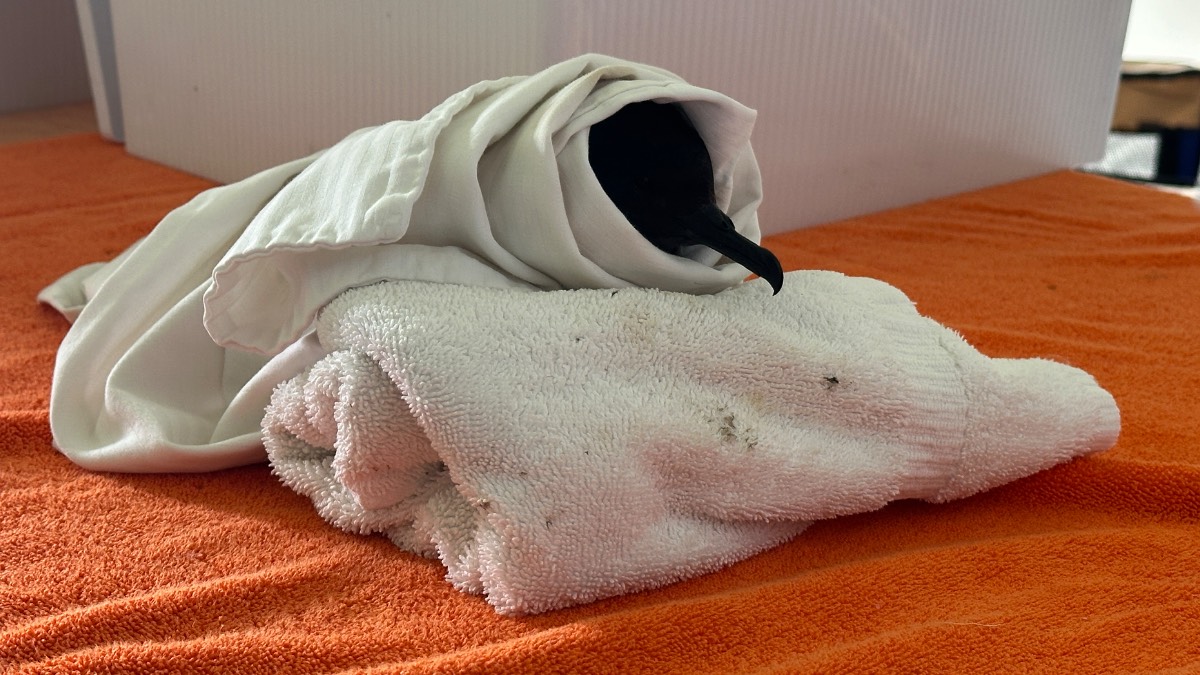
On Garden Island, Save Our Shearwaters advises that if a bird is unresponsive, injured, or in an unsafe location — such as near a roadway or building — residents should use gloves or a lightweight towel to gently place it in a secure, ventilated box or carrier.
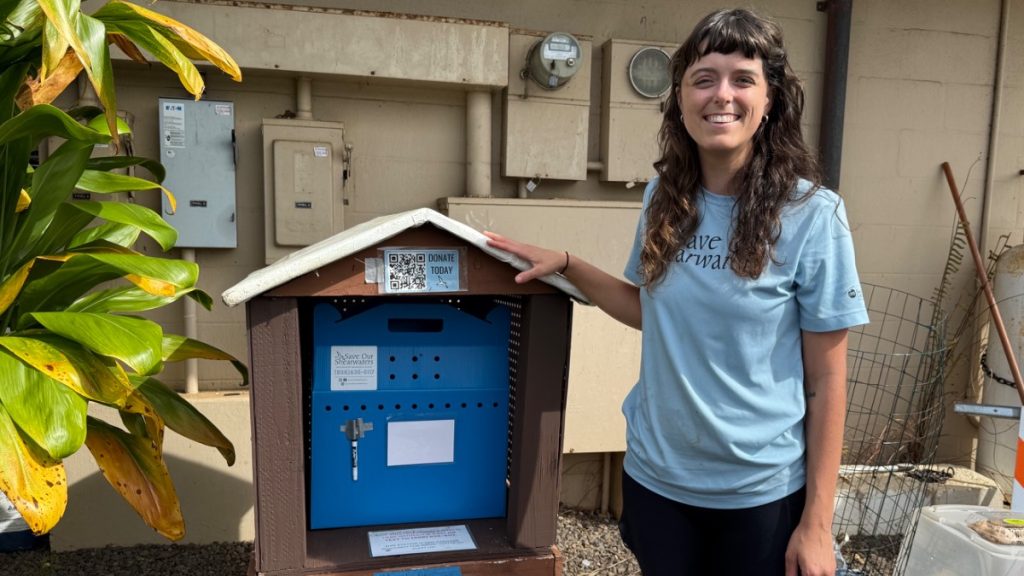
The bird should then be kept in a dark, cool, and quiet location, away from people, pets, and loud noises. Residents should note where and when the bird was found and contact Save Our Sherwaters at 808-635-5117. The hotline can be called or texted 24/7.
Not every bird found on the ground needs to be rescued. If a bird appears healthy and is near a nest, burrow, or other nesting area, residents should not automatically remove it. Some native birds remain near nesting areas without requiring human intervention.
“When in doubt,” wildlife officials advise, contact a wildlife professional before intervening.
Wildlife officials similarly advise the public to consider whether a bird actually needs rescue before attempting to handle it. Birds found unresponsive or in an unsafe location generally require assistance, while young birds near nesting areas may not.
Anyone handling a wild bird should use caution and wash and sanitize their hands, clothing, towels, and other materials afterward.
To learn more about the Save Our Shearwaters organization, click here.