


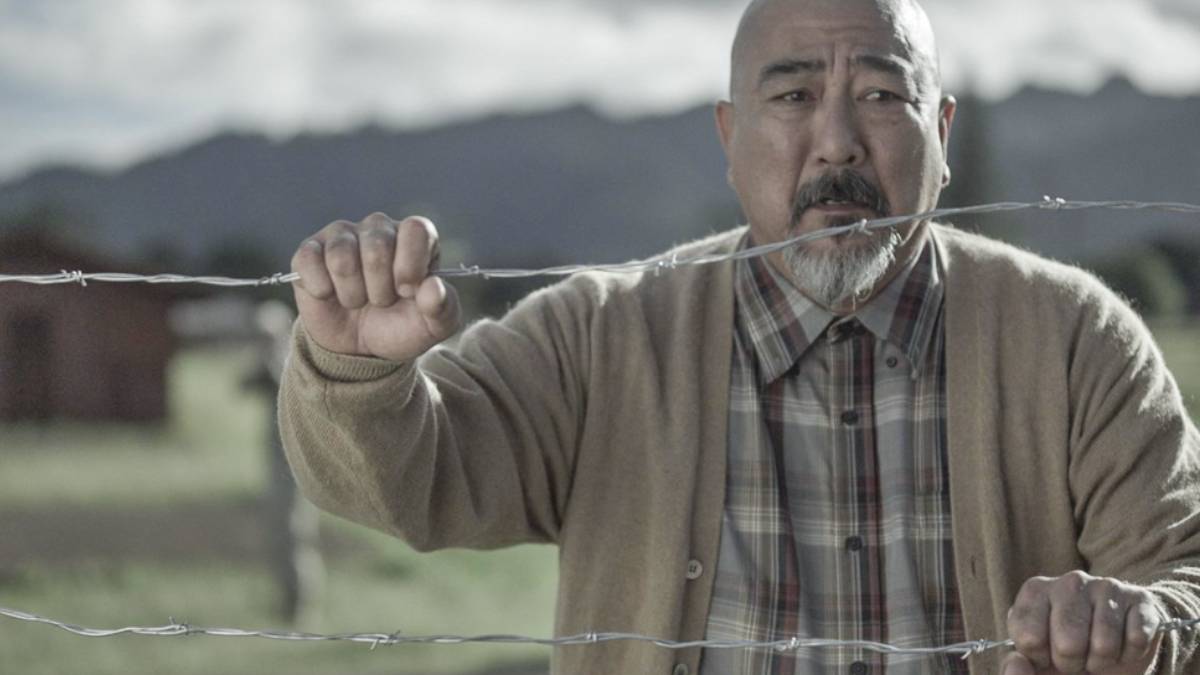
A free public screening of the documentary “Voices Behind Barbed Wire” will be shown in Līhuʻe on Saturday as part of an initiative to mark the 80th anniversary of Honouliuli Internment Camp’s closure and to raise awareness of this lesser-known chapter of Hawaiʻi’s history.
The screening of the documentary begins at 4 p.m. at the Kauaʻi Community College Performing Arts Center. It will be followed by a panel discussion with with Ryan Kawamoto, director of the film; Carole Hayashino, President Emeritus of the Japanese Cultural Center of Hawai’i; Christine Ogura, Superintendent of Honouliuli National Historic Site; and Carol Kouchi Yotsuda, a survivor of both Jerome and Rohwer mainland confinement sites.
The event is part of this year’s commemoration marking eight decades since the closure in 1946 of Honouliuli, Hawaiʻiʻs largest and longest-operating World War II incarceration site.
The event is intended to raise awareness of a period of history that remains unfamiliar to many.
While the attack on Pearl Harbor and the wartime incarceration of Japanese Americans on the U.S. mainland are well-known, fewer people know that Hawaiʻi also operated a network of incarceration sites during the war.
The film is directed by Kawamoto, a local filmmaker, and produced by the Japanese Cultural Center of Hawaiʻi with partial funding from the Japanese American Confinement Sites Grant Program, a federal grant program approved by Congress for educational projects.
This second documentary tells different stories from neighbor islands, including Kauaʻi, where four incarceration sites once operated.
“People often know about the incarceration that happened on the mainland, but many donʻt realize it happened here in Hawaiʻi too,” Ogura told Kauaʻi Now. “For me, personally, I was born and raised on Oʻahu, and I had no idea this happened in Hawaiʻi.”
Following Japan’s attack on Pearl Harbor on Dec. 7, 1941, Hawaiʻi was placed under martial law. Military authorities began arresting residents they considered security risks, including Japanese Americans, Japanese nationals, German Americans and Italian Americans.
“Anyone who looked like the enemy … was arrested,” Ogura said. “So it is knowing that we are part of this American history, this happened here.
“And the circumstances were different, and Hawaiʻi had a different history and environment, which led to what happened here, and unfortunately, we do have the unfortunate designation that incarceration of U.S. citizens happened here first.”
Unlike the mass incarceration that occurred on the mainland, about 1,300 Japanese American citizens and Japanese nationals were incarcerated in Hawaiʻi, with approximately 106 people held on Kauaʻi between 1942 and 1946.
The Garden Island operated four known incarceration sites: Wailua County Jail, Waimea Jail, Kalaheo Stockade and the Līhuʻe Plantation Gymnasium, where one detainee, Paul Muraoka, was held in solitary confinement for a month before being transferred.
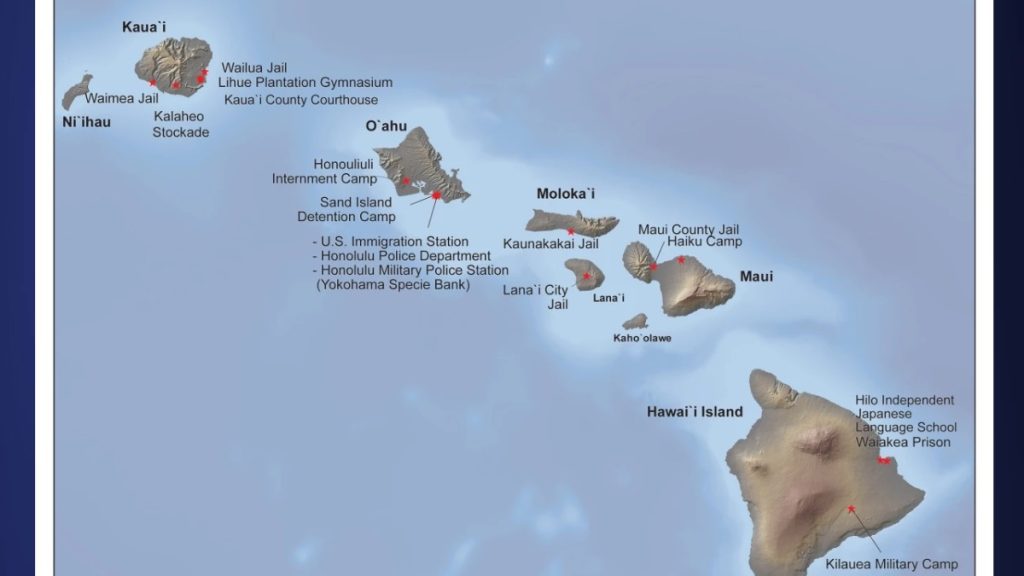
Today, little evidence of those sites remains.
Some locations have been demolished or redeveloped, while others have been reclaimed by nature or remain undiscovered. Organizers added that the documentary seeks to preserve these stories before they are forgotten.
“We hope communities will help ensure this history isn’t forgotten on Kauaʻi,” Ogura said. “We hope this will help inspire people to get involved and want to be part of ensuring that this history is conserved and be part of educating others.”
Audience members will be able to ask questions to the panel following the film.
The film event is presented in partnership with the Hawaiʻi State Public Library System, and throughout July, the Līhuʻe Public Library will host a pop-up exhibit featuring photos and a reading list about Honouliuli and Japanese American incarceration in Hawaiʻi.
Ogura hopes the exhibit and film will encourage residents to explore a history that remains unfamiliar to many, even among those born and raised in the islands.
“This is a local story,” she said. “These were local communities that were impacted, and we hope people will join us in preserving this history and sharing it with future generations.”
Admission to the “Voices Behind Barbed Wire” screening and panel discussion is free and open to the public. For an in-depth exploration of all the different sites across Hawaiʻi, click here.