


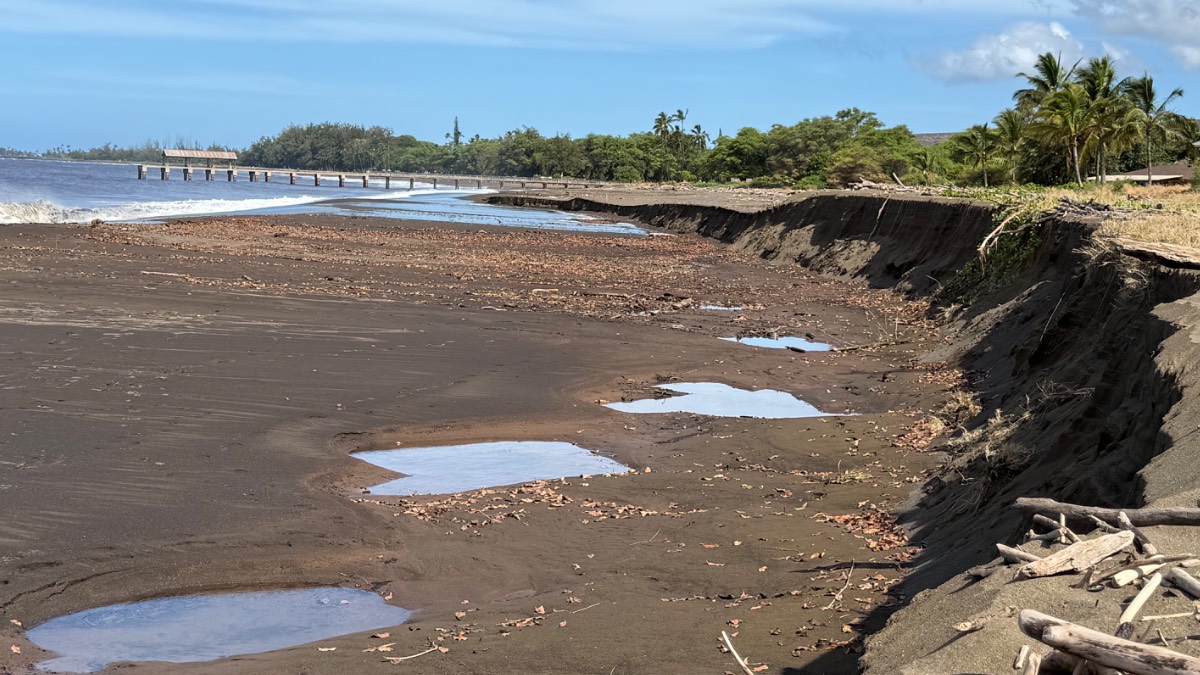
Conditions at the Waimea River mouth have stabilized after community efforts helped reduce the immediate flood threat on Kauaiʻs westside.
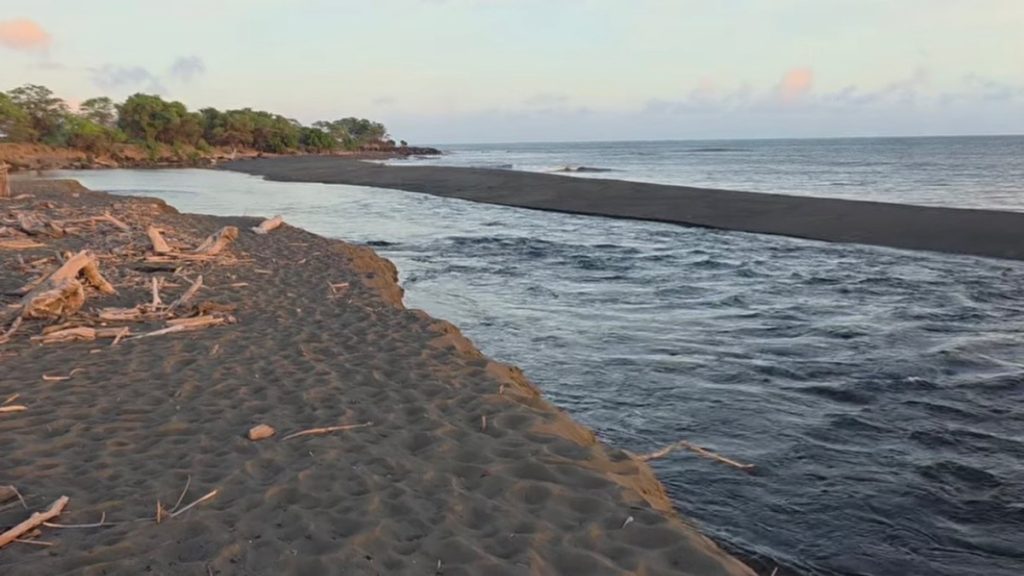
On Sunday, the river shifted westward, sending the river’s outlet along the beach close to nearby homes and private property. The situation was so dire that the county requested state-assisted engineering, regulatory, and operational support, including coordination with federal agencies as necessary, to evaluate the river mouth and determine a safe path forward.
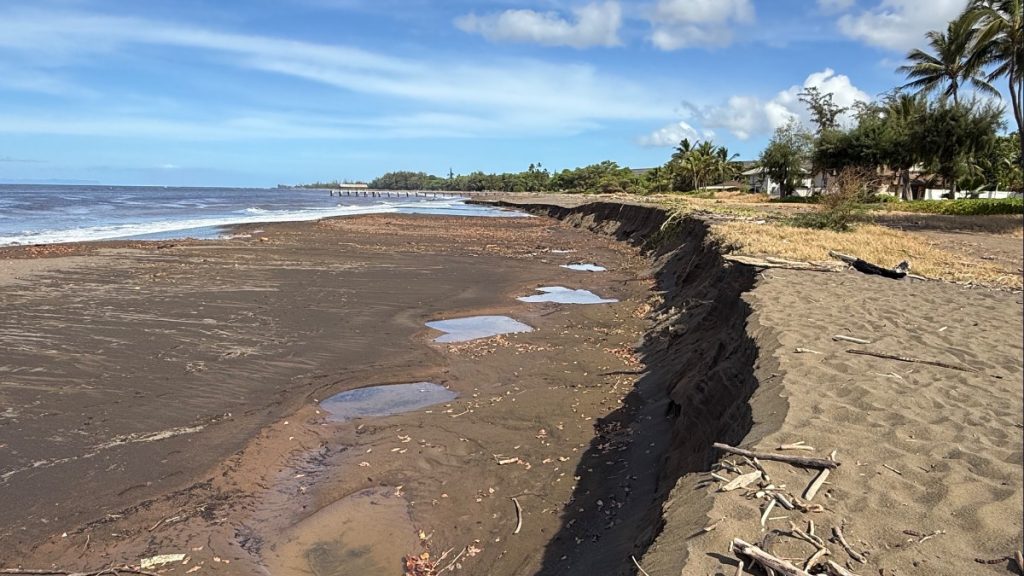
Residents said they measured sand disappearing by as much as a foot every two hours at the height of the event, raising fears the river could undermine nearby homes and further erode Kauaʻi’s only black sand beach.
“The progression of how quickly all the numbers were changing was alarming,” neighbor Michelle ʻMikalaʻ Costello told Kauaʻi Now. “We went from shallow depth to deep depth, from a trickle to maximum velocity. We knew this wasn’t something that could wait.”
But the situation has become more stable following community efforts near Pāʻulaʻula that resulted in the river shifting back to its normal course. This, combined with improving weather and ocean conditions, has reduced concerns that nearby infrastructure could face additional short-term impacts, according to the Kauaʻi Emergency Management Agency.
 On Sunday, July 12, 2026, a resident shared a video of the Waimea River with Kauaʻi Now, raising concerns about the water’s flow direction. (Photo Credit: Snapshothawaii)
- Waimea residents were seen documenting current conditions on Sunday, July 12, 2026, as KEMA coordinates requests for specialized technical assistance. (Photo Credit: Michelle ʻMikalaʻ Costello)
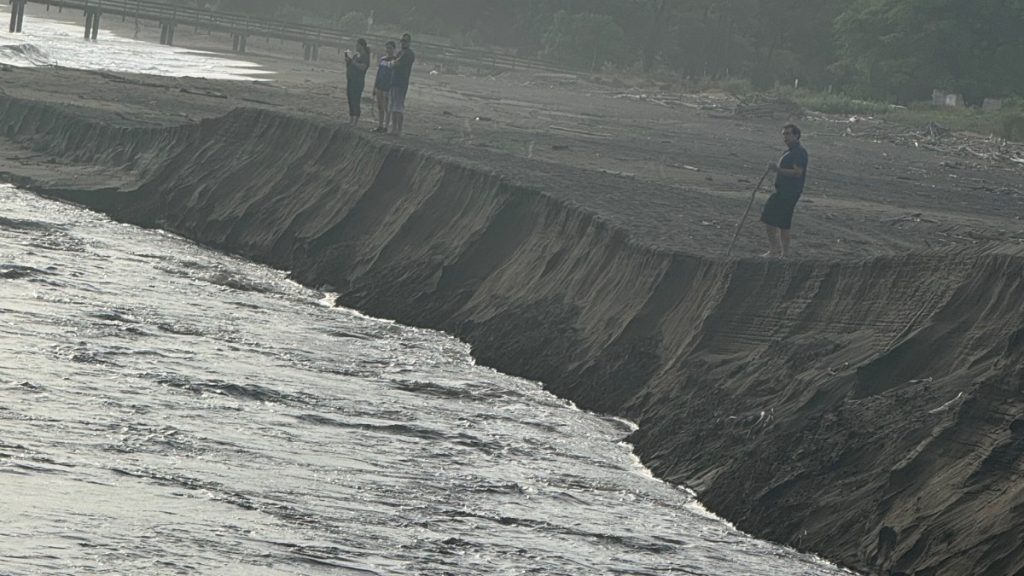
But it was scary for awhile. Residents contacted county agencies, authorities, scientists and emergency responders throughout the weekend while documenting the rapidly changing conditions
Neighbor Jeffrey Lubeck said residents were struggling to stay ahead of the erosion as they tracked the river’s movement.
“We tried to stay calm,” Lubeck said. “We were measuring it, putting stakes out, and watching them fall into the channel.”
By Monday morning, residents noticed the river had shifted back toward its traditional outlet after a new channel was opened near the beach. Several neighbors said they were told members of the local community, including canoe club volunteers, had helped clear part of the channel with shovels.
In a statement to Kauaʻi Now, Kauaʻi Emergency Management Agency Administrator Elton Ushio said the immediate threat has subsided.
“Following community efforts to redirect a portion of the channel near Pāʻulaʻula, the river’s flow has shifted back toward the eastern portion of the beach,” Ushio said. “Reduced river levels and flow following the weekend rainfall, normalizing swells, lower coastal tides after this afternoon, and no significant or flood-producing rainfall in the forecast have further reduced the risk.
The county will continue to monitor the area.
“Given the complex physical, legal, and jurisdictional issues at the river mouth, the county is continuing to coordinate with state and other partners to evaluate appropriate near- and long-term options,” Ushio said.
Residents welcomed the update but stressed that reopening the channel addresses only the immediate danger.
Costello said years of routine dredging and maintenance of the Waimea River, the largest and longest river on Kauaʻi at 22.2 miles, appear to have slowed.
“This is a short-term fix,” Lubeck added. “There needs to be a short-term, middle-term and long-term solution.”
Costello also emphasized that preserving the beach carries environmental and cultural significance because Waimea is home to one of the island’s largest Native Hawaiian communities and the shoreline is tied to the area’s history.
“My concern is that this is the only black sand beach on Kauaʻi,” Costello said. “It has such a massive historical and cultural component. We wanted to make sure it got the attention it needed before it was too late.”