


A new study finds coral reef decline driven by climate change could cost Hawaiʻi residents between $1.8 billion and $3 billion in lost reef-related activities by 2100.
The study led by University of Hawaiʻi at Mānoa’s College of Tropical Agriculture and Human Resilience researchers was recently published in Ecological Economics.
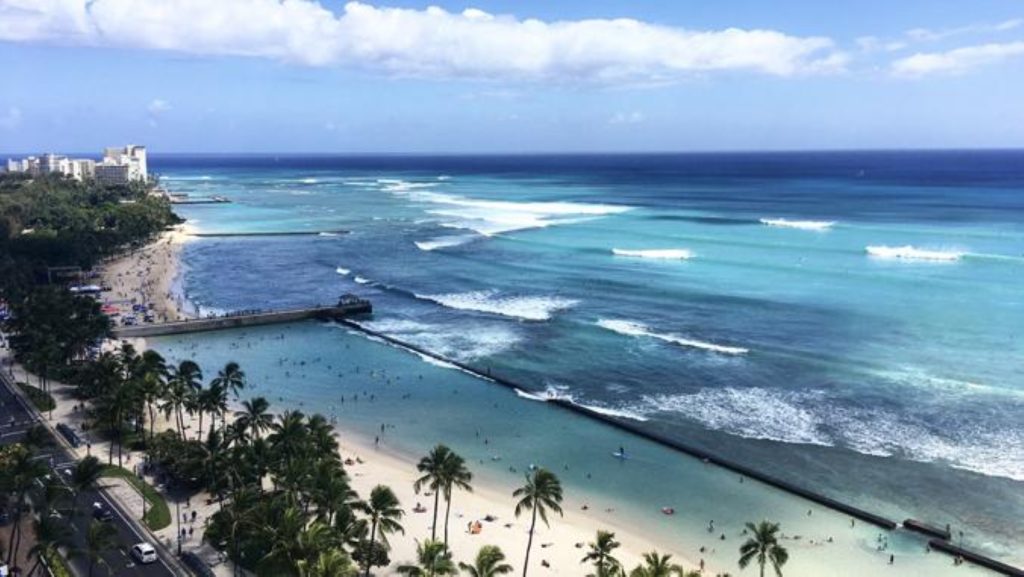
Research projects these burdens will not fall equally, with the state’s lower-income and disadvantaged communities facing disproportionate impacts.
The study — which included scientists from Norwegian University of Life Sciences and University of Trento — is one of the first to combine detailed ecological models with community-level economic data throughout the state.
“Coral reefs are foundational to life in Hawaiʻi — culturally, ecologically and economically,” said the study’s lead author and College of Tropical Agriculture and Human Resilience Department of Natural Resources and Environmental Management affiliated faculty member Ashley Lowe Mackenzie in a university release about the new research. “Our work makes visible something that is often invisible in policy conversations by valuing real welfare losses that residents will experience as these ecosystems degrade.”
Key findings include:
- The earliest and most severe losses are projected along the leeward (west and south) coasts of Hawaiʻi Island and Maui.
- Recreational losses are expected to spread northward to Oʻahu by mid-century.
- Under a high-emissions climate scenario, nearshore reefs face a near-total collapse by 2100.
- Under a low-emissions scenario, some windward (east and north) coastlines show signs of partial recovery late in the century.
The research team used a sophisticated biophysical simulation called the Atlantis ecosystem model to project how coral cover will change through 2100 among nearshore reef systems. They tested three different climate pathways representing low, mid-range and high global emissions scenarios.
Researchers mapped potential economic losses for residents at a precise 1-kilometer resolution, connecting ecological shifts with a recreation demand model. Because the figures only capture local recreational use — such as swimming, snorkeling and diving — the authors emphasize that the $1.8 billion to $3 billion loss estimate represents a lower end of possible total economic damage.
The study discovered disadvantaged communities often face higher per-person welfare losses, a particularly striking finding as traditional economic methods usually project lower monetary losses for lower-income groups.
Data indicate vulnerable communities are disproportionately exposed to the specific areas experiencing the steepest reef declines.
“This study puts numbers to what our communities have long understood — that losing our reefs means losing the recreational opportunities, cultural practices and quality of life that define what it means to live in Hawaiʻi,” said Hawaiʻi Department of Land and Natural Resources Division of Aquatic Resources Administrator Brian Neilson in the university release. “Reef-based recreation is deeply tied to traditions of fishing, gathering and caring for our nearshore waters.”
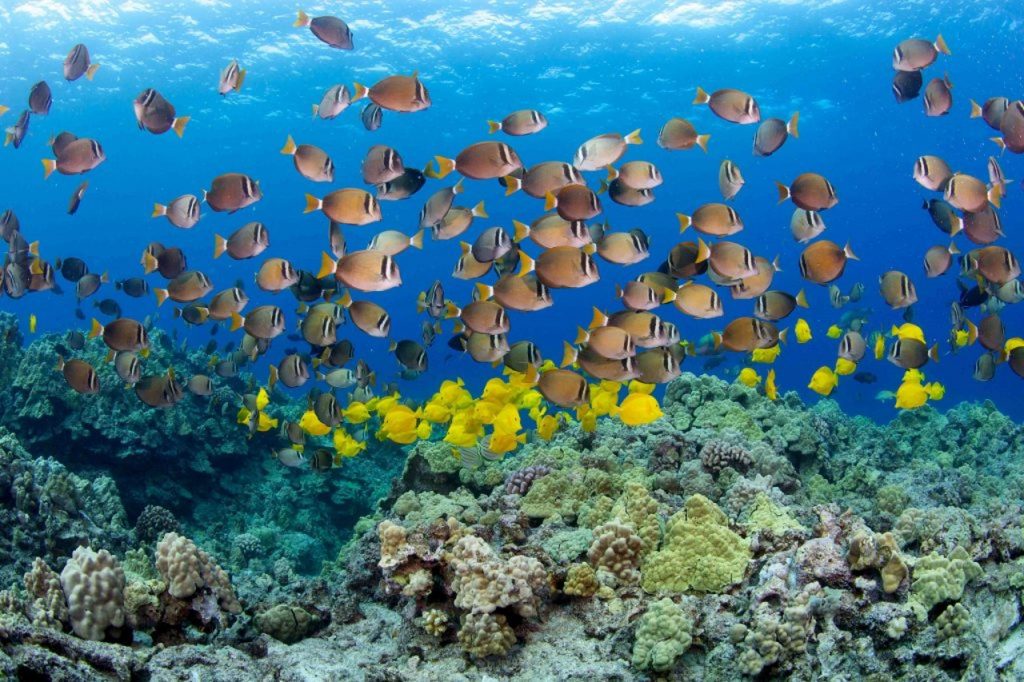
The findings directly connect to state-led efforts such as Hawaiʻi’s Holomua Marine Initiative, which works with communities and people with indigenous knowledge to design site-specific reef management.
“The magnitude of those potential losses should be a wake-up call to take action now to protect our nearshore environment,” said the study’s senior author and Department of Natural Resources and Environmental Management professor Kirsten Oleson in the university release. “Our lab’s research suggests that a lot can be accomplished through local action, particularly by reducing land-based pollution and over-harvesting.”