


Street lights along Palani Road and Ali‘i Drive in downtown Kailua-Kona are adorned with banners displaying the familiar red, white and blue of the U.S. flag for the upcoming Fourth of July holiday.
This year is an extra special national celebration, commemorating the 250th anniversary of colonists declaring independence in 1776 from Great Britain and its king.
Celebrations are slated throughout the islands for the upcoming U.S. Semiquincentennial, including these events on Kaua‘i:
- Fourth of July Potluck and Beach Party hosted by Kaua‘i Indivisible at Lydgate Beach Park in Kapa‘a.
- 33rd annual Kaua‘i Hospice Fourth of July Concert in the Sky at Vidinha Stadium Soccer Field in Līhu‘e.
- 4th of July Weekend Spectacular on July 3-4 featuring Kaua’i’s biggest drag racing event.
- 4th of July at Kukui Grove Center in Līhu‘e.
- 5K on the 4th run/walk at Ocean Course at Hōkūala in Līhu‘e.
A simultaneous reading of the Declaration of Independence is also planned July 8 throughout all 50 states and five U.S. territories — including at 6 p.m. in Hawaiʻi — along with various countries around the world.
The fledgling United States document declaring the original 13 colonies free from London’s rule was read for the first time publicly on that date in 1776, after its signing just 4 days prior.
Fourth of July for some Native Hawaiians, however, is not a day to be celebrated.
It instead is a painful reminder of the illegal overthrow and ultimate unlawful annexation of the Hawaiian Kingdom by the United States.
It is the irony of the holiday.
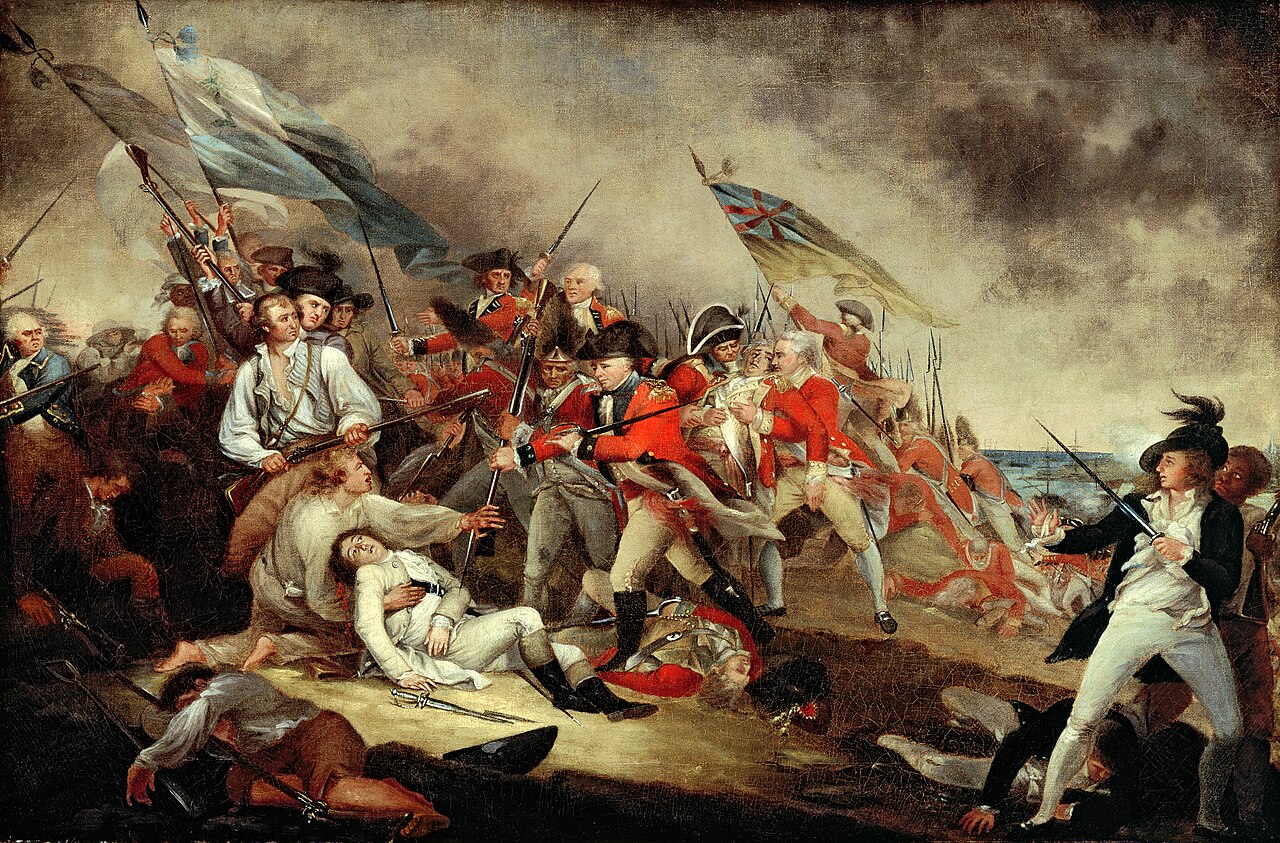
The United States was the result of the American Revolution, in which hundreds of thousands of people fought, and about 25,000 died, for independence from tyranny. But it was the United States that took away the independence of a native people on their own land, including arresting their queen.
Earl DeLeon and his wife Noe Noe Kekaualua, both Hawaiian, explained their evolving feelings about Fourth of July during a recent stop at a Kona Starbucks, just blocks away from banners commemorating the upcoming holiday that fly above the street.
The 71-year-old DeLeon said he now cannot celebrate a holiday that commemorates independence for a country whose leaders oppressed the Hawaiian Kingdom for 133 years.
Those feelings are strong now, but that was not the case when he was young.
DeLeon said he used to think the Fourth of July was all about popping firecrackers, then going down to Ala Moana Beach on O‘ahu to watch the grand fireworks show.
He thought he was American. When growing up in the 1950s and 1960s, his mom used to instruct him not to tell his teachers he was Hawaiian because it was illegal. He remembers one time using the word “‘ukulele” in the classroom. His teacher made him eat soap.
Hawaiian language was banned 3 years after the 1893 overthrow of the Hawaiian monarchy by U.S. businessmen and U.S. military. The U.S.-backed provisional government and subsequent territorial administration banned not just the language, but also much of the Hawaiian culture, including hula.
DeLeon watched as he grew older the birth in the 1970s of the Hawaiian Renaissance, including reclaiming hula kahiko, or ancient hula, performance. Hawaiian language, culture, music and political activism also was returning at the same time.
Hawaiians didn’t know their culture or their history before the renaissance.
“We were totally indoctrinated,” DeLeon said. “We didn’t know that there was an illegal annexation of Hawai‘i. We were brainwashed so badly in the schools and taught to be good Americans.”
The 59-year-old Kekaualua said Fourth of July holidays for her were spent with family at Hilo One, also known at Bayfront.
“My father would pitch up a tent right on the beach so that we would be able to watch the fireworks,” she said. “Celebrating the actual holiday was not what we were focusing on. It was always a time to gather as a family.”
Kekaualua grew up a decade later than her husband, so the Hawaiian Renaissance was already in full swing. She started dancing hula when she was just 3 years old. Hawaiian culture was being taught at home, but it was not at the forefront of churches, schools or government buildings.
“It was more prevalent that the narrative was controlled by American concepts,” Kekaualua said.
They both grew up when Hawaiʻi was a new official member of the United States.
The islands became the 50th and last state in the union on Aug. 21, 1959, after a long and often challenged path to statehood. Hawaiʻi will have been a state for just 67 years as of Fourth of July 2026, with many old enough to remember before the islands had the rights that come with statehood.
Hawai‘i County Mayor Kimo Alameda, who is Portuguese and Hawaiian, said like most everyone growing up in Hilo, he also went down to Bayfront with family at about 8 p.m. on the Fourth of July to watch the fireworks. Afterward, they’d go get ice cream.
Alameda grew up in Keaukaha and said his parents had mixed feelings about the holiday, but nothing was ever vocalized.
“My grandma (father’s side) was pure Hawaiian, and I heard stories of her not being able to speak Hawaiian, forced to speak English,” the mayor said. “So we grew up knowing this undercurrent of tension. But we never really talked about it.”
Alameda thinks his father, who served in the U.S. military, didn’t want to be unpatriotic or badmouth America.
He is proud of his Hawaiian roots and educated himself as he got older about the Hawaiian Kingdom, the illegal overthrow and illegal occupation.
Alameda said things are tricky now that he’s mayor because he’s part of that governmental structure — and he’s proud to be an American.
“I also acknowledge the historical injustices of Native Hawaiians,” he said, adding he hopes the U.S. government can reconcile what it has done. “I don’t know what that looks like, but hopefully Hawaiians can get an equal piece of the pie.”
There has been some acknowledgment of the injustice by the United States.
U.S. Congress in 1993 on the 100th anniversary of the overthrow of the Hawaiian Kingdom formally passed an Apology Resolution signed by then-President Bill Clinton.
Hawai‘i Gov. Josh Green in preparation for this year’s semiquincentennial celebration signed an executive order in 2023 creating the Hawai‘i America250 Commission, which became active at the beginning of 2024 and selected 74-year-old Peter Young of the Big Island as its chair.
Young is not Hawaiian, but was born and raised in the islands.
He has had many different roles throughout his life, from working in real estate to teaching math in public schools to being managing director for Hawai‘i County to leading Hawai‘i Department of Land and Natural Resources.
Young said he understands there are some who look back at the overthrow, still upset and blame the U.S. government.
“I would encourage them to look at the documents,” he said, referring to U.S. Declaration of Independence and Hawaiian Kingdom Declaration of Rights, which were approved in 1839 by King Kamehameha III.
Young said the Hawaiian Kingdom Declaration of Rights and the ultimate constitution of 1840 changed a strict kingdom to a constitutional monarchy, noting that the document shares similar language to the 1776 U.S. Declaration of Independence.
“Like the Declaration of Independence makes reference to life, liberty and the pursuit of happiness, the Declaration of Rights within the Hawaiian Kingdom speaks of life, limb, liberty, freedom from oppression,” he said. “I think it’s important that people see the connection that Hawai‘i has to that document because of the Declaration of Rights.”
Overthrow of the Hawaiian Kingdom
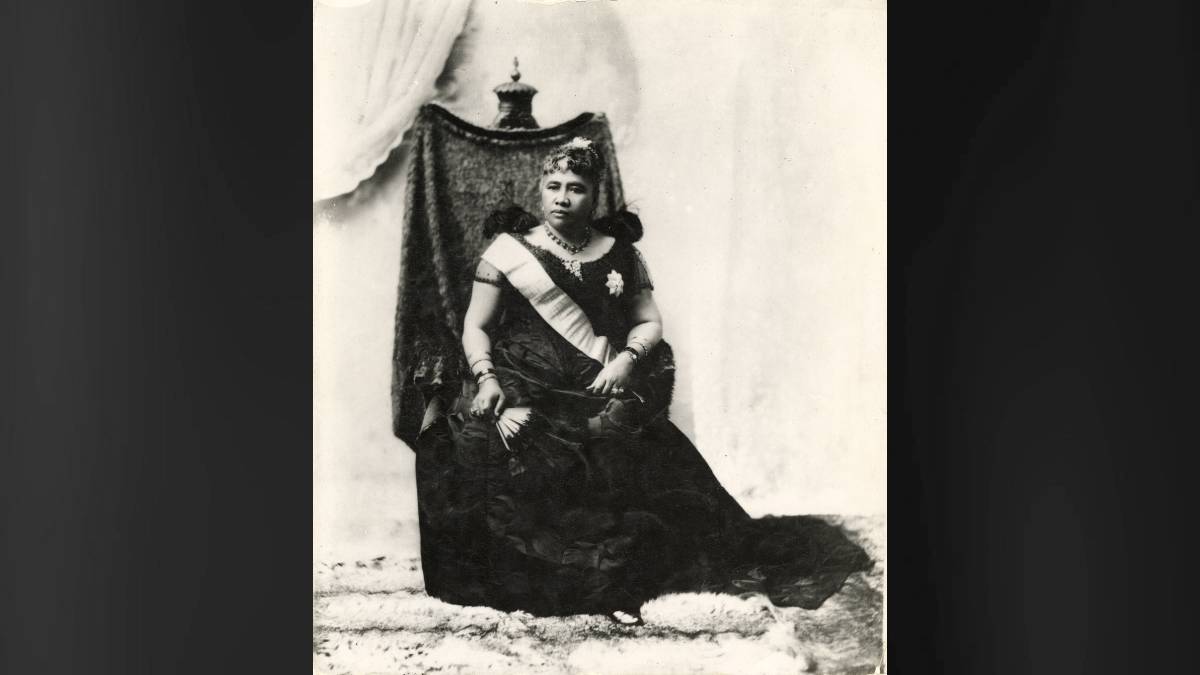
A group of U.S. businessmen, calling themselves a provisional government, on Jan. 17, 1893, overthrew the Hawaiian Kingdom.
Then-U.S. President Grover Cleveland in December the same year denounced the overthrow as an act of war but declined to assist in restoring the Hawaiian Kingdom government and its final monarch Queen Lili‘uokalani.
The provisional government on July 4, 1894, proclaimed itself a permanent government, calling the islands the Republic of Hawai‘i.
Hawaiian royalist activists known as Hui Aloha ‘Āina in January 1895 mounted an armed 3-day rebellion, called the Kaua Kūloko (Civil War) or Wilcox Uprising. But they were no match for the better armed military forces of the republic.
Lili‘uokalani and 350 others were arrested. She was imprisoned at ‘Iolani Palace and then later in her Washington Place home in Honolulu, eventually being pressured into officially abdicating the throne to prevent more bloodshed.
The Kingdom was illegally annexed July 7, 1898, by the United States via the Newlands Resolution. Queen Lili’uokalani sent a letter of protest to U.S. House of Representatives as a final — alas unsuccessful — attempt to return control of her homeland to Native Hawaiians.
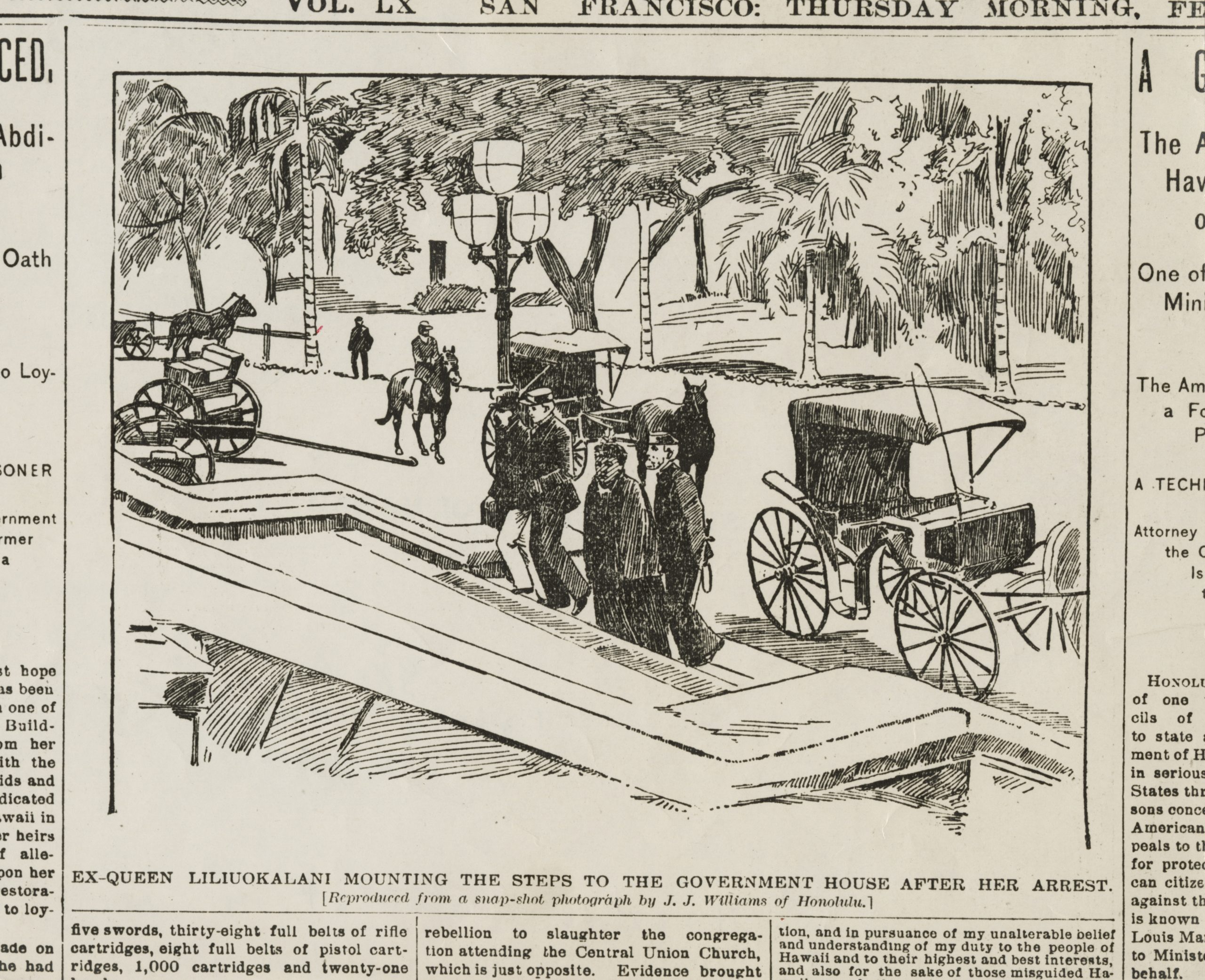
A ceremony transferring sovereignty took place Aug. 12, 1898, at ‘Iolani Palace in Honolulu, where the Hawaiian flag was lowered and U.S. flag raised.
Hawaiʻi as a territory had little power in the U.S. government, with only one non-voting representative in the House of Representatives. Rich white plantation owners took advantage of the territory status, however, as historians report them importing cheap labor and exporting their products to the mainland with low tariffs.
Native Hawaiians and non-white Hawaiian residents eventually would push for statehood so they could have the same rights as Americans.
The new “Aloha State” saw a boom in growth following statehood in 1959, including in tourism and development.
“New resorts, new highways and new subdivisions sprouted on virgin shores and sprawled into valleys and cane fields,” according to the Office of Hawaiian Affairs website.
Rural Hawaiians, who still lived in close contact with the land and sea, were served with eviction notices and “No Trespassing” signs as a result as exclusive condominiums and hideaway resorts reached the most remote and untouched corners of the islands.
“Lands that had languished for years were suddenly targets for speculation and development,” Office of Hawaiian Affairs recounts. “Title to kuleana lands was challenged and lost.”
This lit a fire that sparked the Hawaiian Renaissance, during which Native Hawaiians fought fiercely for their lands and started practicing their culture and language publicly.
DeLeon said his Hawaiian awakening came in the 1970s when he protested the bombing of Kaho‘olawe, an undeveloped island now a part of Maui County. He was arrested in 1977 for trespassing on federal government installation lands.
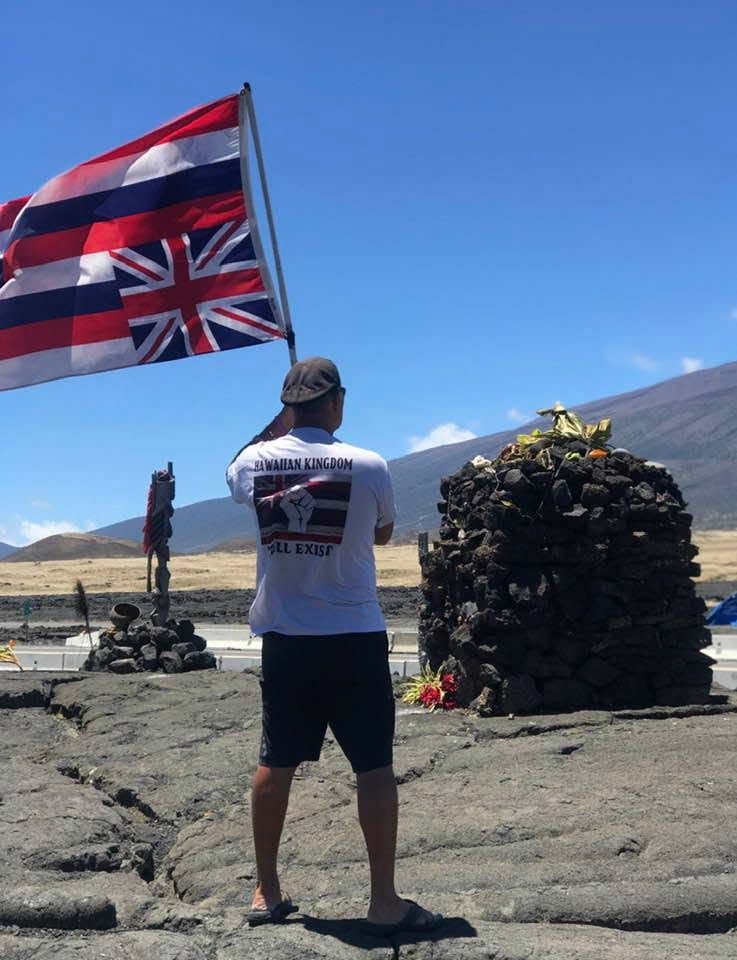
“Everybody in Hawai‘i, including our families, told us we will never stop the federal government. We will never get the island back,” DeLeon recalled. “Lo and behold, we stopped the federal government. We got the island back.”
DeLeon and Kekaualua stood for several causes supporting Hawaiian culture. They were among thousands in 2019 who went to Mauna Kea to protest construction of the Thirty Meter Telescope.
Noenoe Silva, a political science professor at University of Hawai‘i, teaches courses in Hawaiian and indigenous politics as well as Hawaiian language. She was studying in 1995 the efforts of Hui Aloha ‘Āina in opposition to Hawai‘i’s annexation.
She traveled in 1996 to the National Archives and Records Administration in Washington, D.C., where she viewed the 1897 Kū‘ē Petitions signed by thousands of Hawaiians and residents of the islands at that time.
Silva requested copies of the pages and shared them during a January 1997 Sovereign Sunday event at ‘Iolani Palace.
“I’m really proud that people part of the lāhui are continuing to put ourselves back into our history and recognizing what happened to us,” she said. “I’m proud of us for reclaiming our history.”
Navigating the benefits and consequences of U.S. actions in Hawaiʻi
Mina Viritua Jr., born and raised in Hilo, attended Hawaiian immersion schools, which started in the 1980s because of the path paved by the Hawaiian Renaissance. Fourth of July was typically no more than a family beach day while he was growing up, which was common during any given weekend.
The 39-year-old joined the Economic Recovery Corps Program, a fellowship under International Economic Development Council, a federal agency that helps COVID-19 pandemic recovery efforts in distressed communities and regions throughout the United States.
He works as an independent contractor on a project to revitalize Puna, which was impacted not just by the pandemic but also the 2018 Kīlauea eruption. The work includes diversifying and strengthening the local economy.
Viritua during the past 2 years while working with the program took a deep dive into Hawai‘i’s economic development history. He said after the 1893 overthrow, extractive economies took off.
“The first being the sugar plantation and then, obviously, the military presence …” Viritua said.
There are 11 to 13 military installations throughout Hawai‘i, along with unlivable lands because of past live military training.
This includes the Waikōloa Maneuver Area in South Kohala, which was used from 1943-45 by U.S. Department of Defense to conduct live-fire training of 50,000 troops, ensuring military readiness.
Viritua said tourism followed, ultimately crippling Hawai‘i by making a once self-reliant nation — which at one time could feed and care for its people from land and sea — dependent on visitors and their dollars to keep the economy moving.
He said he recognizes that the people who created this problem are long gone and cannot be held accountable. He also recognizes he is a taxpayer and navigating the American system to benefit his family and community.
“I get to do amazing work in my community, along with these nonprofits, along with my family, supporting food security, youth development, agriculture,” Viritua said. “We’re building cooperatives, we’re building markets.”
He added Hawai‘i can become more sovereign, however, in the sense that the islands are not dependent on imports. More food is grown here, as well as more sustainable and renewable energies can be developed.
Remembering Hawai‘i’s history
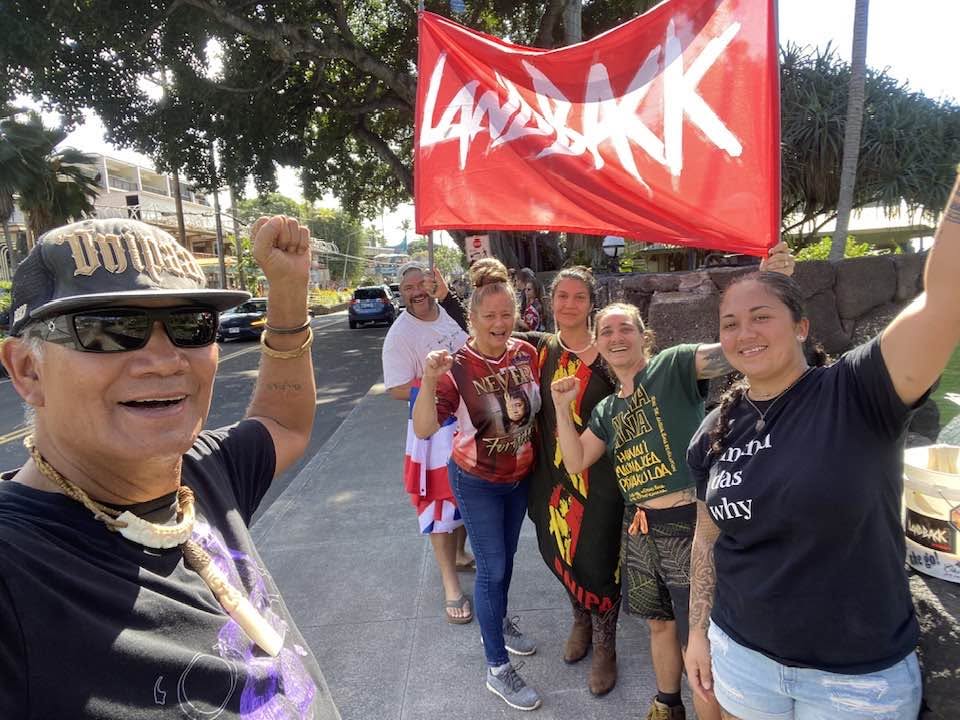
Kekaualua is a cultural practitioner and conducts workshops teaching Hawaiian protocol to adults and keiki. She and her husband educate people, especially Hawaiian children, about the history of Hawai‘i’s path to statehood.
“If we just sit back and do nothing, then we’re part of the problem and not part of the solution,” Kekaualua said. “If we don’t educate them, they’ll eventually be brainwashed, as well as be suppressed into not knowing (their history).”
She and DeLeon encourage people to recognize Nov. 28 as Lā Kūʻokoʻa, Hawai‘i’s Independence Day. The Hawaiian Kingdom was the first non-European nation to be recognized by England and France on that date in 1843.
The couple 2 years ago started Lā Kūʻokoʻa celebrations in Kona. Kekaualua said they will celebrate this year on July 31 for Sovereignty Restoration Day, or Lā Hoʻihoʻi Ea, which was created in 1843 after rogue agents of the British Crown took control of the Hawaiian government.
Queen Victoria several months later sent Adm. Richard Thomas to Hawai‘i in an effort aimed at removing aggressors and correcting unwarranted transgression against the Hawaiian people.
That day gave birth to Hawai‘i’s motto that is on its state seal, proclaimed by King Kamehameha III: “Ua Mau ke Ea o ka ‘Āina i ka Pono,” which means “Sovereignty of the Hawaiian Nation is Restored by Righteousness.”
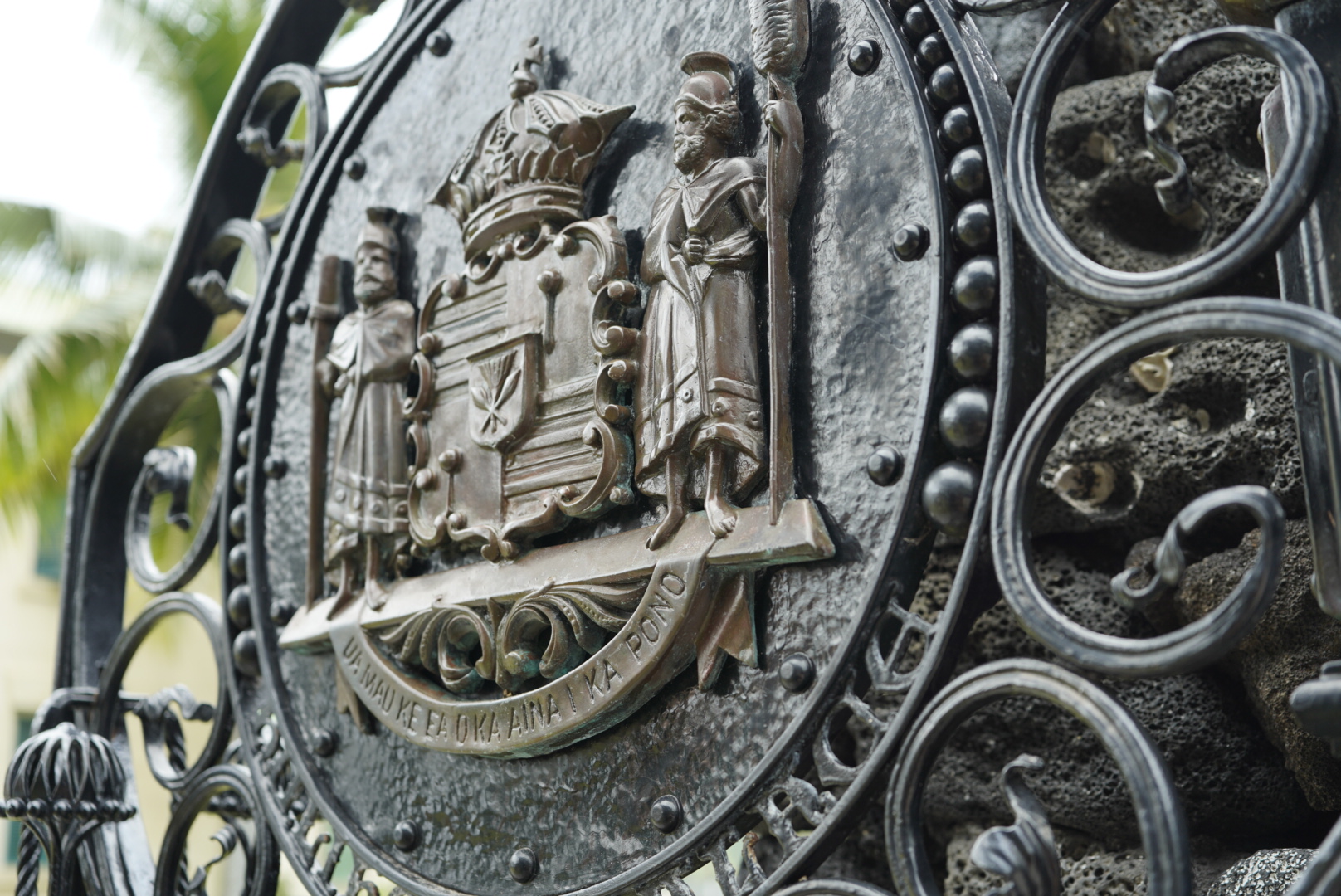
Kekahalua and DeLeon are also establishing a new chapter, Ku‘i Aloha ‘Āina, to educate people about Hawai‘i’s history.
Hawai‘i County Department of Research and Development is working with Hawaiian practitioners under Alameda’s leadership to promote Hawai‘i’s Independence Day in November.
The mayor said there are some county employees who celebrate it.
Alameda admitted, however, the United States has its benefits for Hawaiʻi and its residents.
“I like the freedoms: the freedom of speech, the freedom of religion, the freedom to gather, to express ourselves in different ways,” he said.
He also likes the unity on display, particularly while watching the Olympic Games.
Alameda lauded available federal resources, especially during emergencies and disaster recovery. Hawai‘i County recently received federal aid following the devastating back-to-back kona low storms in March that caused destructive flooding and other damages to homes, businesses and infrastructure.
His pride as an American doesn’t diminish his love for being Hawaiian, descended from navigators, farmers and fishermen. Alameda thinks Hawaiians represent the pure love of Christ because, in the native culture, they took care of their people.
He speaks highly of cultural practitioners, such as DeLeon and Kekaualua, as they embrace and advocate for the native culture.
“Sometimes it’s against me, like with the Thirty Meter Telescope,” said Alameda, who supports the project. “But somebody has to fight on that side, so I respect that. We need them to continually remind the government of the historical oppressions. We need that reminder because if not, they could very easily repeat it.”