


“Voice of the Sea,” a television series produced by University of Hawai‘i Sea Grant College, took home this year a record 10 Telly Awards, the world’s highest honor for video and television across all screens.
The awards included a gold Telly for its episode featuring Papahānaumokuākea Marine Debris Project.
“Papahānaumokuākea is more than a protected area, it is a living ancestral and ecological system, connecting people, species, and place across the paeʻāina,” said Papahānaumokuākea Marine Debris Project Executive Director James Morioka in a release. “Partnering with the ‘Voice of the Sea’ team on this special episode, sharing our work with the viewers, and being recognized with a Gold Telly helps us continue supporting vulnerable wildlife, restoring sensitive habitats and perpetuating Hawaiian culture.”
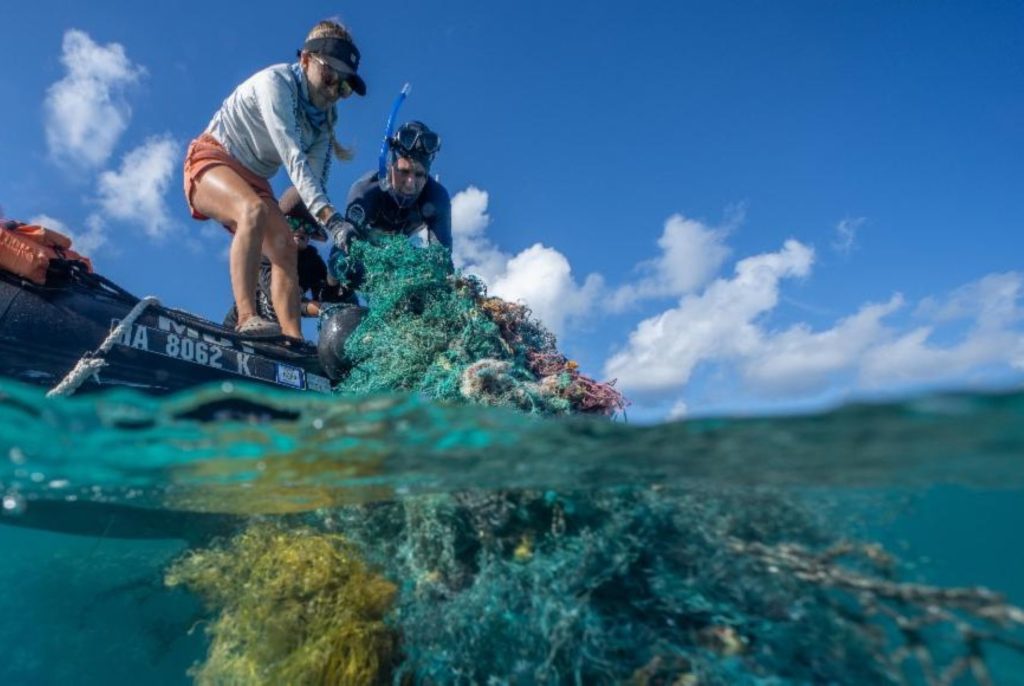
Gold and silver winner
Papahānaumokuākea Marine Debris Project shares what it is like to remove massive amounts of plastic pollution from Papahānaumokuākea, a 582,570-square-mile marine sanctuary with coral reefs, atolls and aquatic habitat in the Northwestern Hawaiian Islands.
“The level of competition is so high, I’m incredibly excited to win a Gold Telly Award with our partners and show off the amazing footage [Papahānaumokuākea Marine Debris Project] collected,” said “Voice of the Sea” host and co-producer Kanesa Duncan Seraphin in the release. “Winning nine more awards is just spectacular!”
The episode was awarded a gold Telly in the not-for-profit category and a silver Telly in nature and wildlife.
“Working as a storyteller in Papahānaumokuākea means being trusted to share places and stories that most people will never experience firsthand,” said Emmy-award winning conservation expedition photographer Andrew Sullivan-Haskins, who works with Papahānaumokuākea Marine Debris Project, in the release. “It’s not just about doing the work, it’s about helping people understand why these environments matter.”
Silver and bronze winner
“Symphony of the Hawaiʻi Seas” musically celebrates Hawaiʻi’s seas combining science, art, culture and Hawaiʻi Symphony Orchestra. The episode was awarded a silver Telly in culture and lifestyle and bronze Telly in music, dance and performance.
Multiple bronze winner
“Oral Histories of Waialeʻe” visits the North Shore of Oʻahu, where oral histories inform the revitalization of this rich community resource. The episode also visits the Center for Oral History at University of Hawaiʻi at Mānoa to learn about cataloging Hawaiʻi’s past. The episode took home bronze Tellys in the educational institution and history categories.
Silver winners
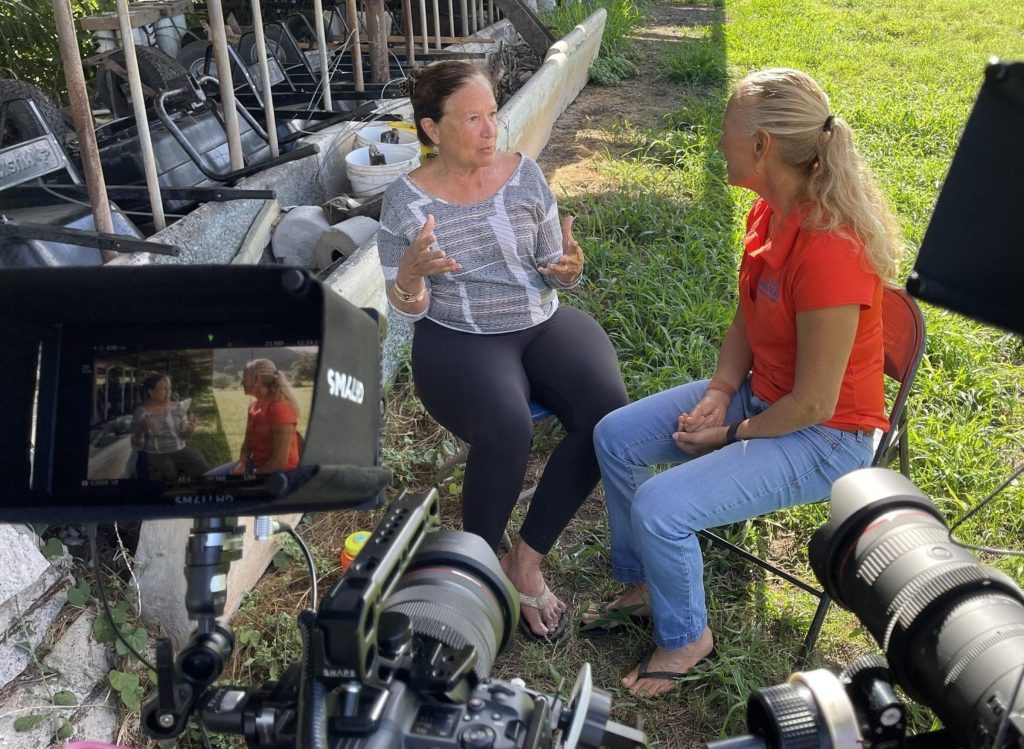
“Ciguatera Poisoning” shares information about ciguatera poisoning, the seafood illness caused by toxins produced by microscopic algae in warm, nearshore waters and the research that aims to help people eat safe seafood. It was awarded a silver Telly in public interest and awareness.
“Innovative Aquaculture” looks at the future of aquaculture at the Hawaiʻi Ocean Science and Technology Park at Keāhole Point on Hawaiʻi Island, where unique seawater facilities support more than 50 cutting-edge tenants including Blue Ocean Mariculture, Symbrosia and Cyanotech. The episode was awarded a silver Telly in sustainability.
Bronze winners
“Aquaculture Internships” reviews aquaculture jobs and internships including innovative fish mariculture and traditional fishponds in Hawaiʻi to village-level aquaponics in American Samoa. The episode was awarded a bronze Telly in education and training.
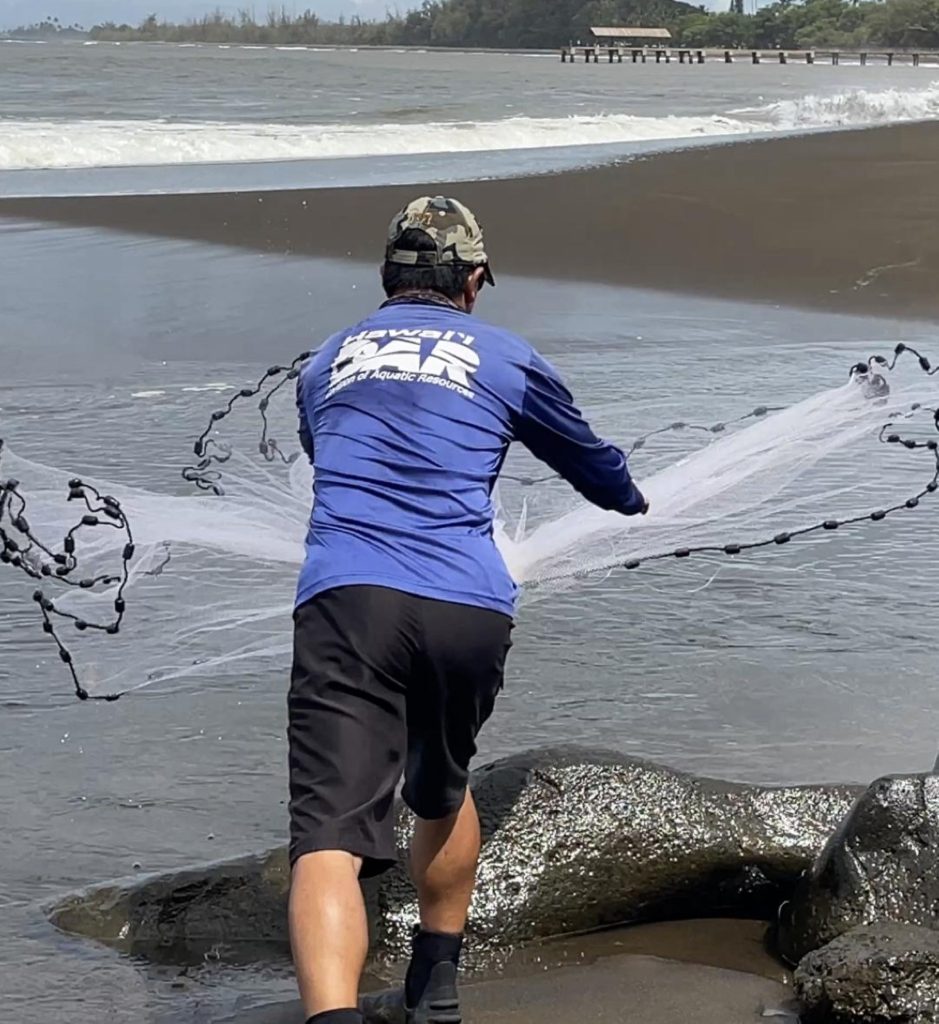
“Estuary Team” shares information about the different types of estuary systems in Hawaiʻi, how the Hawaiʻi Department of Land and Natural Resources Division of Aquatic Resources Estuary Team monitors estuaries, the importance of estuaries for protecting critical fisheries habitat and why Waimea River on the west side of Kauaʻi is such a special place. The episode was awarded a bronze Telly in sustainability.
The 47th annual Telly Awards judging council, which selects the winning entries, featured more than 250 expert judges from Google, HBO, BBC, Netflix and more. More than 13,000 entries from around the globe were submitted this year.