


Precursor activity for a historic Episode 48 of lava fountaining began shortly after 5:30 p.m. Saturday, May 30, within Halema‘uma‘u Crater within the summit caldera of Kīlauea volcano on the Big Island.
Hawaiian Volcano Observatory reports that the window for the next lava fountaining episode of the ongoing episodic eruption that began Dec. 23, 2024, is now between Saturday and Monday, June 1.
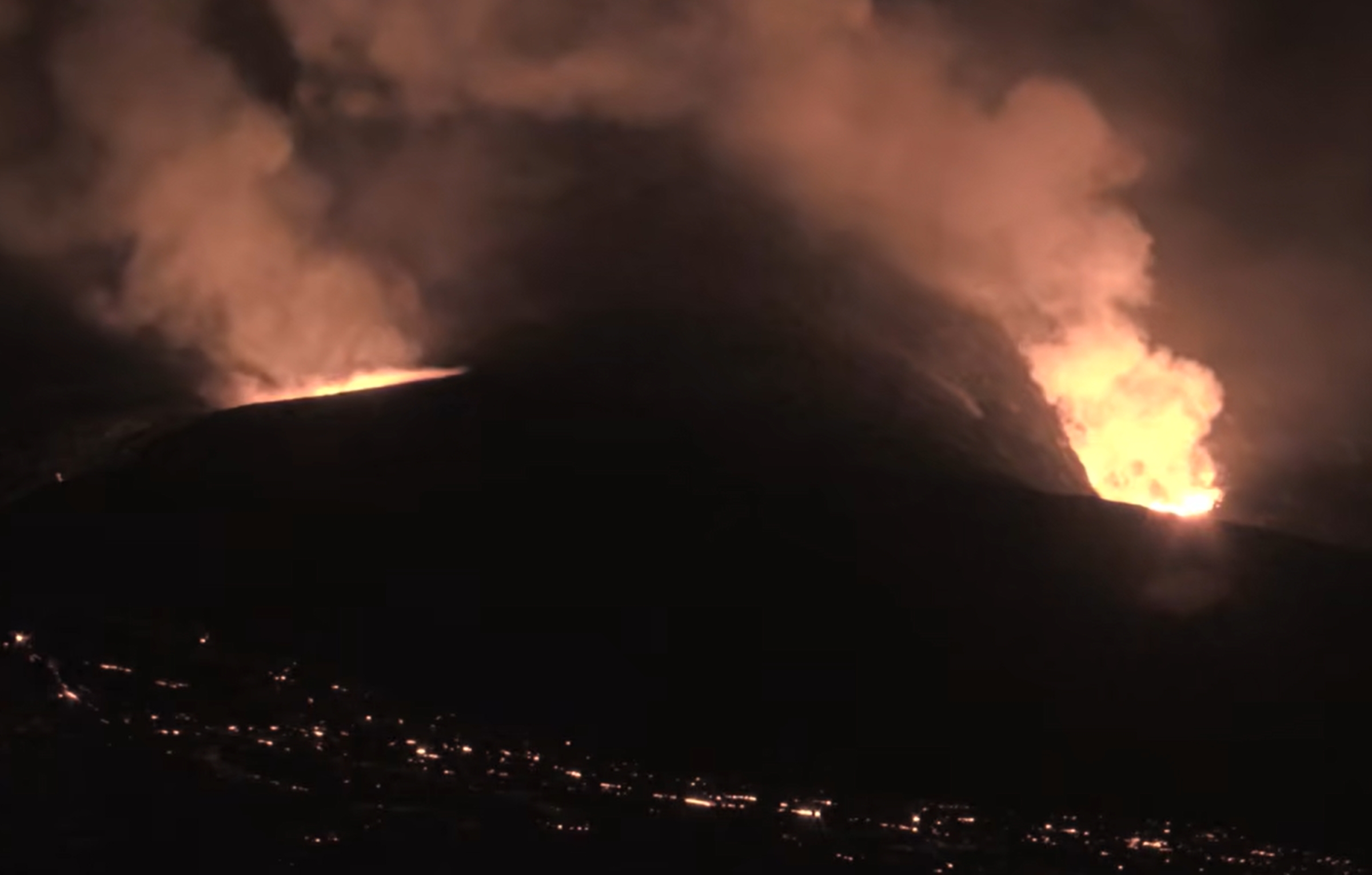
Precursor activity started in the the south vent and was preceded by about 24 hours of continuous spattering within the north vent, both on the southwest side of Halema‘uma‘u.
Summit inflation temporarily flattened, and the first overflow of lava was sluggish, only making it about 328 feet from the vent and lasting about 5 minutes as of just after 6:30 p.m.
A second overflow began just before 6:30 p.m. Spattering continued at the north vent. Tremor also showed clear gas pistoning.
Lava overflows continued and National Weather Service forecasters in Honolulu issued a special weather statement at about 7 p.m. concerning the potential for tephra fallout if and when Episode 48 fountaining is underway.
Spatter was visible within the north vent overnight Friday, May 29, and into Saturday until flattening temporarily earlier Saturday night. Summit inflation continues.
Inflation continued shortly after 8 a.m. Saturday, albeit at a lower rate than in previous days.
Hawaiian Volcano Observatory reported in its regular daily volcano activity update for Kīlauea that measurements at the summit showed it had inflated slightly more than the total deflation recorded during Episode 47 lava fountaining before the eruption paused again.
There also was some deflation at the summit during the past week that pushed back the onset of the next lava fountaining episode.
The forecast for Episode 48 — which would be a new record for the number of lava fountaining episodes during an episodic eruption of the volcano — could change again if irregular deflation events resume.
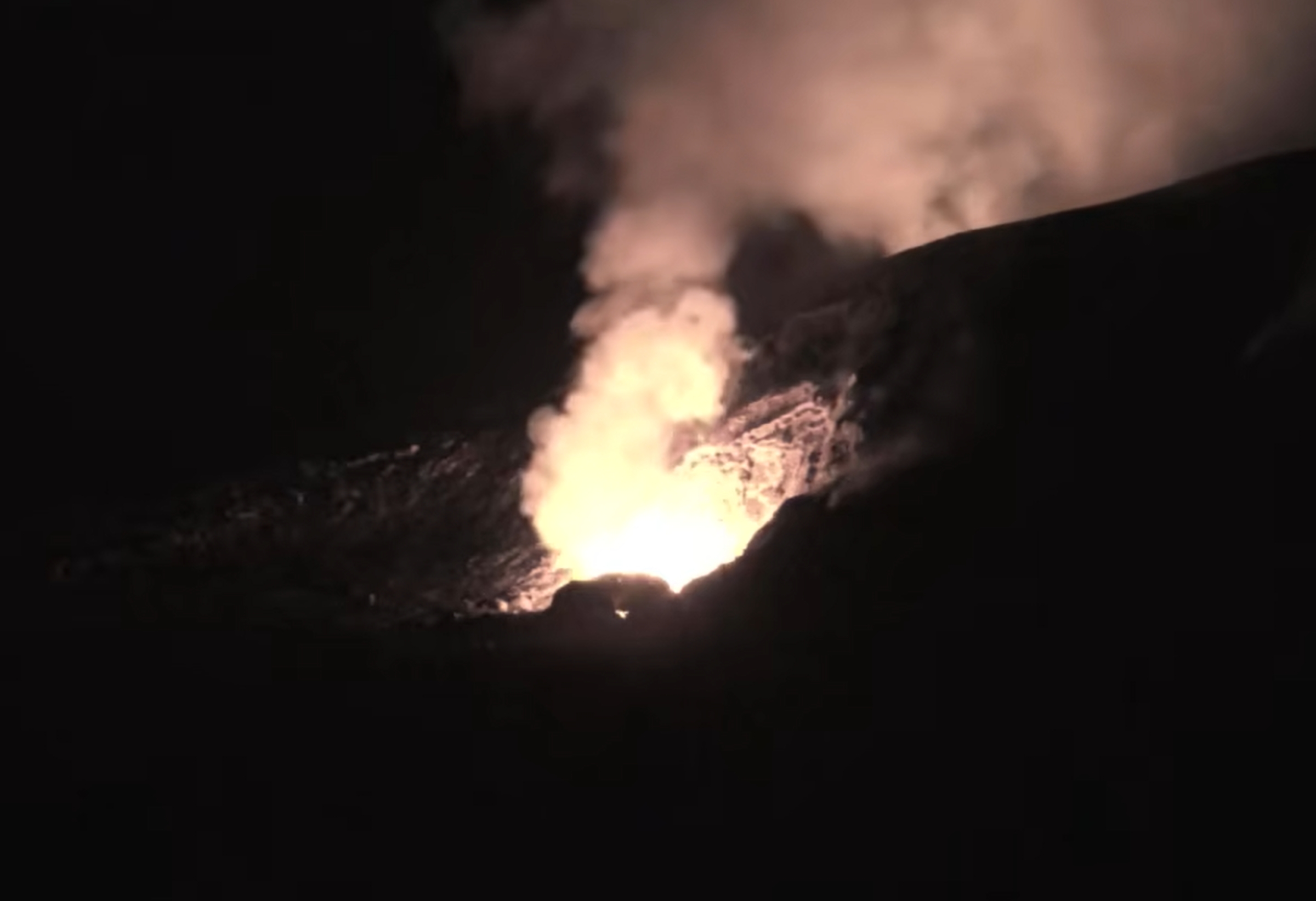
Fountaining episodes typically last less than 12 hours but ash can remain in the air longer depending on wind and weather.
National Weather Service forecasters report if an eruption does happen, varying levels of ash, Pele’s hair and other lightweight tephra could fall downwind. Smaller particles can travel farther from the summit and could affect communities at greater distances.
Should a higher plume develop during Episode 48, south-southwesterly winds aloft could result in an easterly or northeasterly dispersion of ashfall instead.
Surfaces winds are currently out of the northeast.
Those who live downwind of Kīlauea summit — or plan to visit the summit area inside Hawai‘i Volcanoes National Park — should stay informed about current volcanic activity and weather conditions.
Be prepared to take precautions such as disconnecting water catchment systems, if necessary.
Follow all guidance from National Park Service and Hawai‘i County Civil Defense, and be aware that road or park closures could happen.
Officials with Hawai‘i County Civil Defense, forecasters at National Weather Service and Hawaiian Volcano Observatory will update the public as needed when volcanic activity changes.
Visit the Hawaiian Volcano Observatory website for the latest information about the status of Kīlauea.
Visit the Hawai‘i Interagency Vog Information Dashboard online for health and safety recommendations.
You also can submit reports and photos of ashfall from eruptions to Hawaiian Volcano Observatory online.
Watch livestreams of the caldera on the U.S. Geological Survey YouTube channel.