


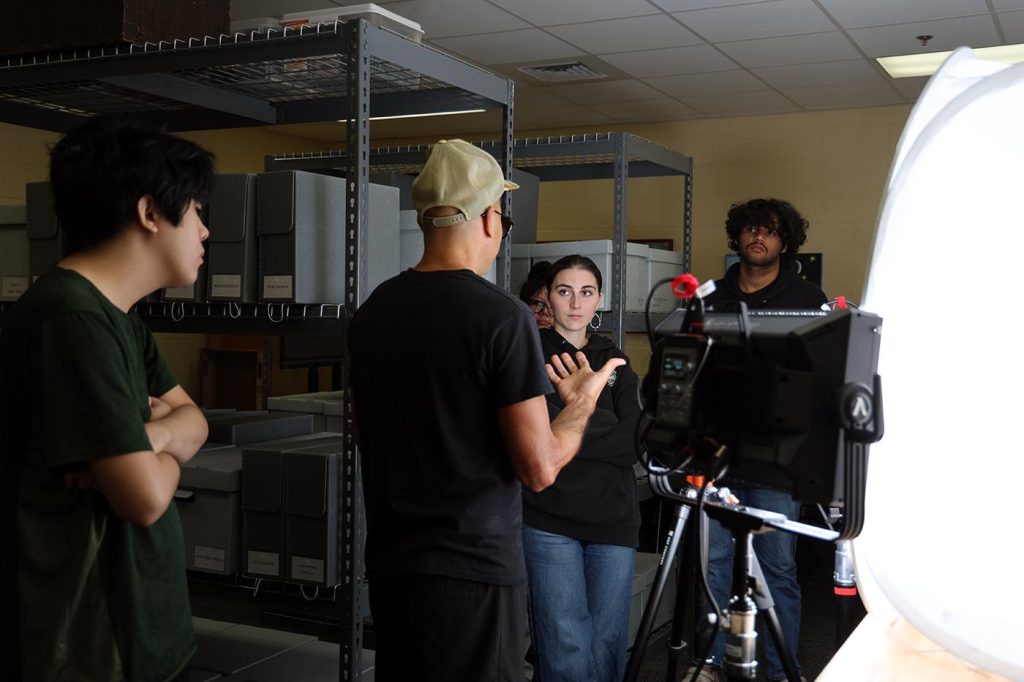
Five paid internships through Kauaʻi Community College are preparing students for future careers while protecting ancient sites and Indigenous data across the island.
Through the University of Hawaiʻi’s Office of Indigenous Knowledge and Innovation’s Data Hubs, interdisciplinary projects allow students to gain specialized skills, earn academic credit and explore new career pathways through hands-on experience.
In one vital project, students are partnering with the nonprofit I Ola Wailuanui to aid in the restoration of Malaehaʻakoa heiau. Using drone technology, interns created 3D models of the historical site, which are now being used to inform and guide restoration efforts.
“Building pilina (connection) with Malaehaʻakoa and listening to what its needs are for restoration and integration into modern-day functioning has been integral,” said Kauaʻi Community College Indigenous Data Hub Coordinator Kamalani Chock. “When we interact with the space, we treat the heiau as an ancestor that can help the community cultivate mana (power). What the process of mana cultivation means in the 21st century is what we’re meditating on.”
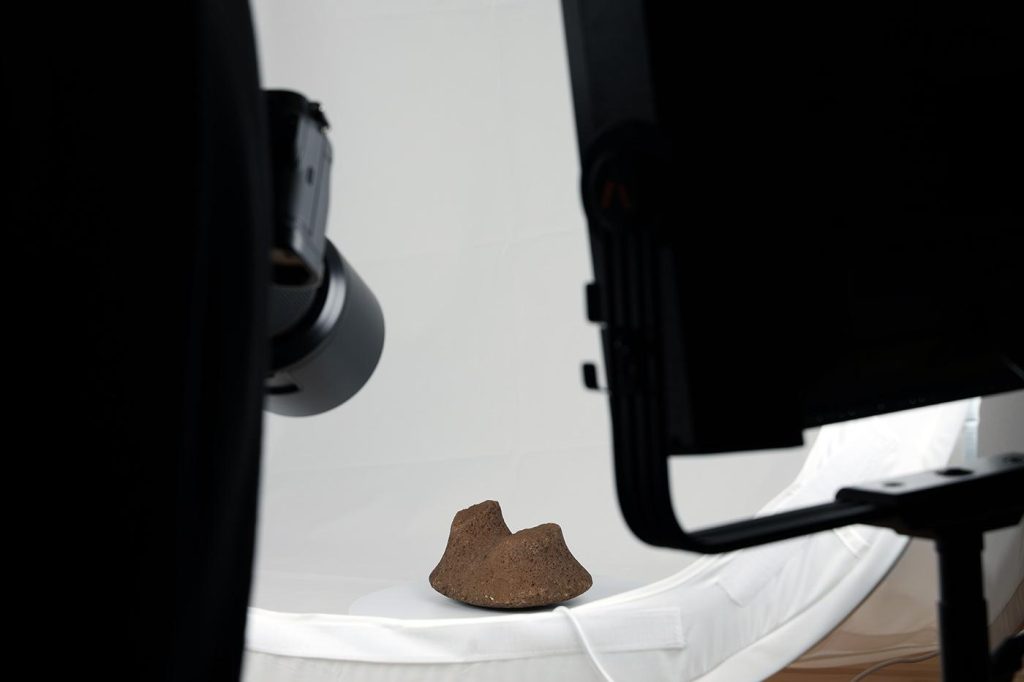
A second project involves students digitizing fragile artifacts at Kauaʻi Community College’s Kikuchi Center. They are photographing from 360 degrees and transforming those images into a 3D model with an associated texture map, making them accessible for study and public engagement on the Kikuchi Center website.
“I think it’s important to expand the scope of potential career pathways on the island,” said Creative Media Program Coordinator Joseph Tremonti. “Projects like this allow students to develop skills that can be applied to cultural heritage work, archives, and museum studies—fields where access to fragile materials is often limited. This opens up exciting opportunities for our students.”
Chock, who also teaches agriculture and natural science courses through Nā Pua Noʻeau (a pre-K–college enrichment program), emphasized the importance of connecting education directly to community needs.
“I think the future of education must be holistic,” Chock said. “It can’t be siloed into singular disciplines. Instead, it should recognize how these fields intersect and work together in our communities—especially in ways that support community health and well-being.”