


A new analysis by University of Hawaiʻi Economic Research Organization finds that switching Hawaiʻi’s power plants from oil to liquefied natural gas might not deliver a dramatic drop in electricity prices some proposals promise.
The new report was released Tuesday, April 14.
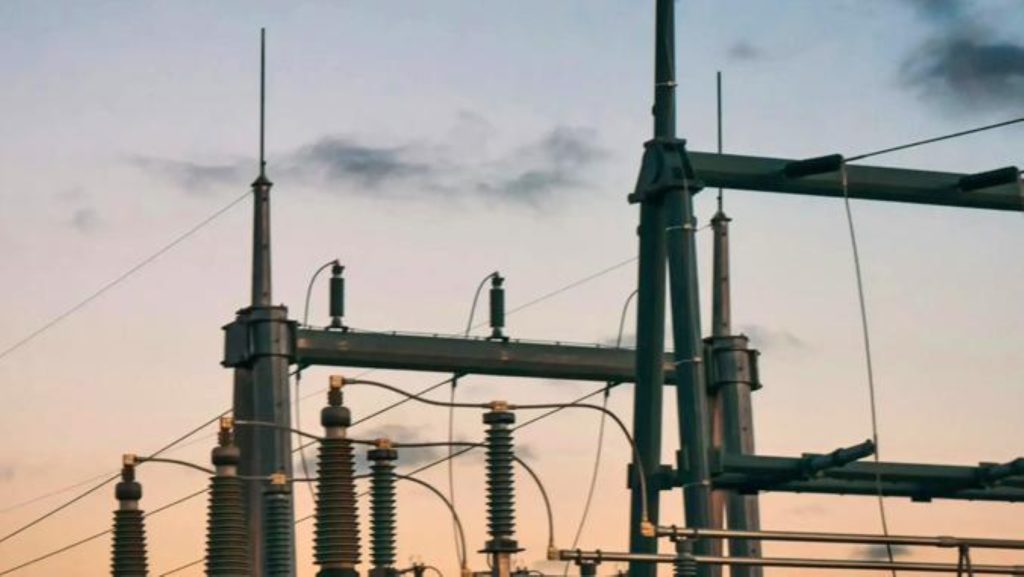
Hawaiʻi has the highest electricity rates in the nation, largely because it relies on imported oil.
A 2024 fuel contract renegotiation by Hawaiian Electric, however, already began easing some of that burden by reducing how strongly global oil price spikes translate into local costs, saving tens of millions of dollars each month compared with the previous agreement.
University of Hawaiʻi Economic Research Organization’s report finds that while natural gas is often far cheaper than oil on the mainland United States, Hawaiʻi faces higher costs because the fuel must be cooled, shipped across the ocean and converted back into gas.
Those steps significantly narrow the price gap and expose the state to volatile global natural gas markets, in which prices can surge during supply disruptions.
Liquefied natural gas still has a modest cost advantage compared with oil at current prices. However, much of the projected savings comes not from the fuel itself but from newer, more efficient power plants that use less energy to generate electricity.
Similar efficiency gains could be achieved without switching fuels.
The analysis by University of Hawaiʻi Economic Research Organization also raises concerns about long-term investments in natural gas infrastructure.
Under scenarios where Hawaiʻi continues expanding renewable energy, such as solar paired with battery storage, natural gas facilities could be underused while ratepayers remain responsible for their costs.
Solar and battery systems are already competitive with fossil fuels and avoid the risks tied to global fuel markets.
The findings suggest that while liquefied natural gas could offer short-term benefits under certain conditions, its long-term value is uncertain compared with continued investment in renewable energy and recent improvements to oil supply contracts.
“The upside is modest and front-loaded; the downside arrives when things go wrong — and in energy markets, they eventually do,” wrote University of Hawaiʻi Economic Research Organization Research Fellow and University of Hawaiʻi at Mānoa economics professor Michael Roberts in a release about the new findings.
Visit the University of Hawaiʻi Economic Research Organization website for the insights post and entire report.